Art as Therapy: Artistic Projects that Help with Mental Health
Exploring the Therapeutic Benefits of Art
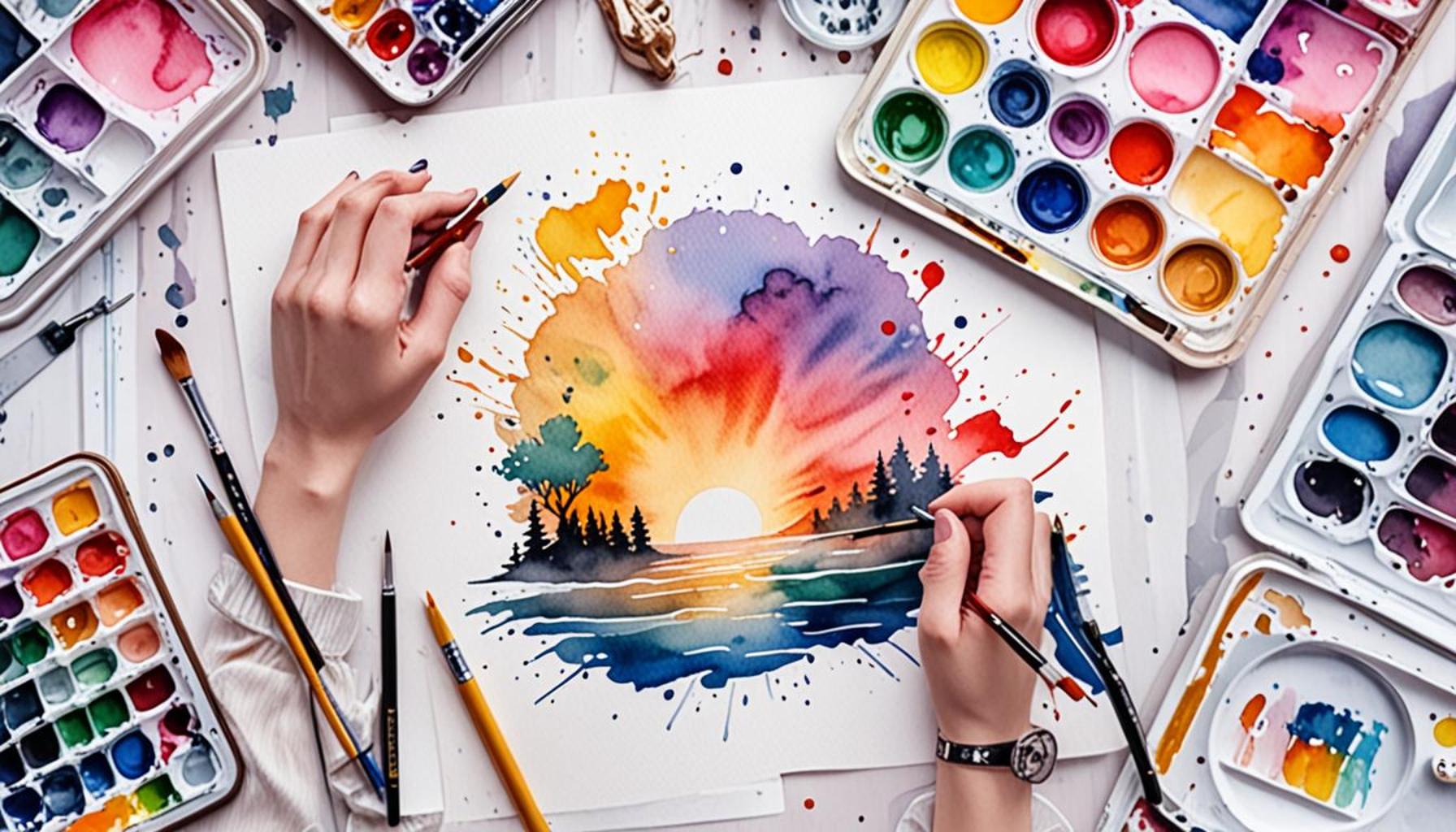
In an era where stress and mental health issues affect millions, the quest for effective solutions is more vital than ever. Many individuals are turning towards art therapy, a creative approach that combines artistic expression with psychological support. This therapeutic method provides an opportunity for individuals to articulate their emotions in meaningful ways, which can be particularly beneficial for those who struggle to express themselves verbally. By engaging in art, individuals can experience a sense of liberation and insight that traditional methods may not afford.
Engaging in artistic endeavors offers several unique benefits that significantly contribute to mental health and well-being:
- Expression of Emotions: Art serves as a profound outlet for individuals to express complex emotions. Whether through painting, drawing, or sculpting, creative activities can allow people to convey feelings of sadness, joy, anger, or anxiety—emotions that might be too intricate to articulate in speech.
- Stress Reduction: The act of creating art can be meditative, providing a momentary escape from daily pressures. Research indicates that engaging in art activities can lower cortisol levels, promoting relaxation and a sense of mindfulness as individuals immerse themselves in the creative process.
- Enhanced Self-Awareness: The process of creating art encourages introspection, allowing individuals to reflect on their feelings, experiences, and identity. This deepened understanding of oneself can lead to improved emotional intelligence and stronger coping mechanisms.
Across the United States, diverse organizations and initiatives harness the power of art as therapy. For instance, community centers in cities like San Francisco and New York host community art classes, fostering environments where individuals can come together to explore their artistic sides. These workshops cater to all skill levels, emphasizing inclusion and support, often leading to miraculous transformations in participants.
Additionally, art exhibitions that feature works created by those undergoing therapeutic art programs are gaining traction. These exhibitions not only showcase talent but also help destigmatize mental health challenges, inviting viewers to engage with the often-overlooked narratives of resilience and recovery.
Moreover, the digital age has birthed numerous online platforms dedicated to art therapy. These resources connect users with licensed art therapists and provide guided projects that can be executed from the comfort of home, making mental health support more accessible than ever. Whether through virtual workshops or online communities, individuals are finding solace and support in digital spaces.
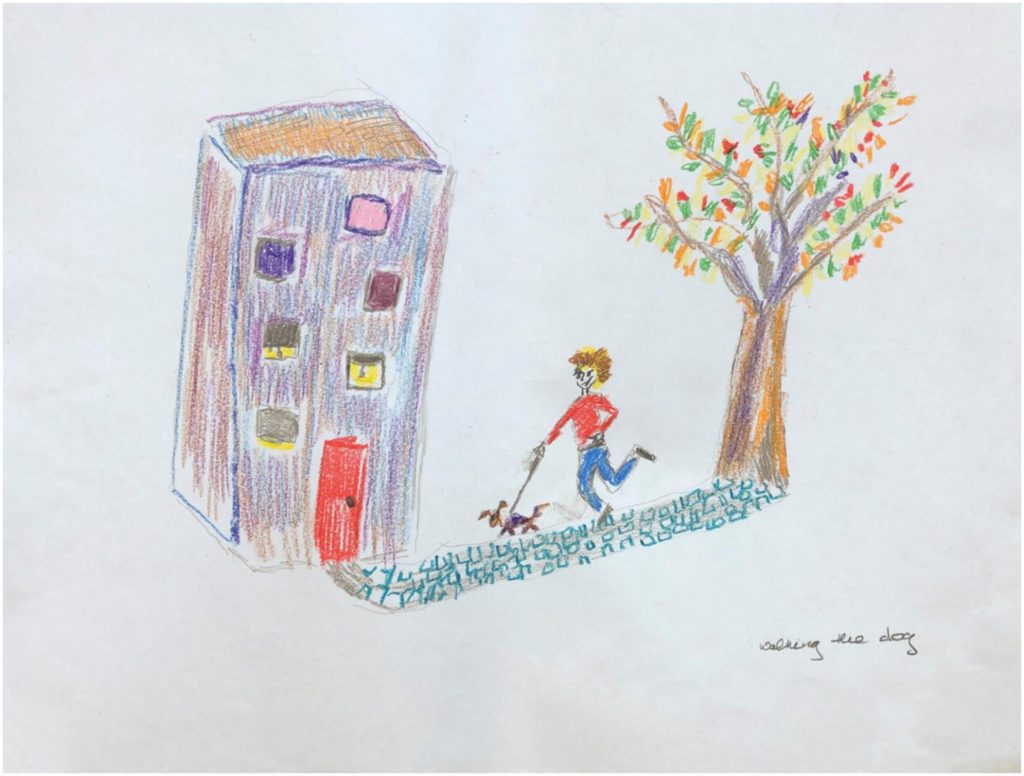
This fascinating intersection of creativity and healing invites us to examine just how art can profoundly influence our mental well-being. Stories of transformation, from those who have discovered healing through butterflies painted after trauma to vibrant murals created within recovery spaces, elevate the narrative. These personal experiences inspire not just the individuals involved but also the greater community, encouraging wider recognition of art therapy’s critical role in mental health discourse.
DISCOVER MORE: Click here to enhance your crafting skills
The Transformative Power of Creative Expression
Art is not only a means of creative output but a powerful tool for healing, especially in the realm of mental health. Art therapy has shown promise in addressing various mental health challenges, including depression, anxiety, and PTSD. As mental health awareness continues to grow, more initiatives are cropping up, harnessing the therapeutic qualities of creative expression to aid individuals in navigating their emotional landscapes.
One of the fascinating aspects of art as therapy is its versatility. Unlike traditional talk therapy, artistic expression does not require individuals to verbalize their experiences immediately. This flexibility is particularly advantageous for those recovering from trauma or those who may struggle with the confines of language when it comes to communicating their feelings. By engaging in artistic projects, individuals can explore their inner thoughts, unlock memories, and confront issues from a different perspective.
Various institutions across the United States have embraced this integrative approach, pioneering programs that provide a safe space for creative exploration. The following examples illustrate the diversity of art therapy initiatives:
- Community Art Programs: Many community centers offer free or low-cost art classes aimed at fostering creativity and connection among participants. By creating a sense of belonging, these programs not only promote art but also facilitate conversations about mental well-being, helping to reduce the stigma often associated with mental health issues.
- Art Therapy in Hospitals: Health facilities frequently employ art therapists to work with patients coping with chronic illnesses or mental health issues. Through guided projects such as painting or collage creation, patients can express their fears and hopes, often finding a degree of comfort and camaraderie among their peers.
- School Programs: As mental health struggles among youth become more prevalent, schools are integrating art therapy into their curriculums. These programs allow students to process their emotions through creative means, fostering resilience and emotional intelligence from a young age.
The rise of art therapy is supported by various studies showing that engaging with art can yield substantial psychological benefits. In fact, a study published in the American Journal of Public Health highlighted that participants engaging in art-making reported significant improvements in overall mental health indicators, including reduced anxiety and improved mood. By harnessing creativity, individuals can reclaim their narratives and express themselves in transformative ways.
As the link between art and mental wellness grows stronger, innovative projects are emerging nationwide. For example, organizations are developing programs that focus on specific themes, such as grief workshops that encourage participants to create memorial pieces or self-portrait sessions aimed at enhancing self-esteem. Such targeted initiatives demonstrate the ability of art to address specific emotional needs, making it an invaluable resource in the mental health toolkit.
Through these artistic endeavors, participants not only cultivate their creative skills but also discover newfound insights and healing. As we continue our exploration of art as therapy, it becomes clear that engaging with art opens doors to self-discovery, resilience, and community building, making it an essential element in the ongoing dialogue surrounding mental health.
| Category | Description |
|---|---|
| Artistic Expression | Engaging in creative activities allows individuals to express emotions that may be hard to verbalize. |
| Therapeutic Benefits | Participating in art projects can reduce feelings of isolation and anxiety, fostering a sense of community. |
| Cognitive Engagement | Art stimulates cognitive function, enhancing problem-solving and critical thinking skills. |
| Mindfulness Practice | Creating art encourages presence in the moment, promoting mindfulness and reducing stress. |
Artistic projects have emerged as powerful tools in addressing mental health issues, providing an outlet for self-exploration and emotional release. Through various mediums such as painting, drawing, and sculpting, individuals can convey complex feelings in ways that words often cannot. This artistic expression not only aids in processing emotions but also creates a bridge for communication among participants within therapeutic settings. Moreover, these projects foster immediate therapeutic benefits by building community connections, which are essential for mitigating feelings of loneliness and anxiety. Social interactions among like-minded individuals can lead to increased self-esteem and a support network that extends beyond the art sessions. In addition, engaging in artistic activities serves to enhance cognitive engagement, empowering individuals by sharpening their problem-solving skills and encouraging innovative thinking.Furthermore, art therapy promotes a sense of mindfulness practice, as it compels individuals to focus intently on the creation process, allowing their thoughts to flow freely. This immersion can significantly alleviate stress levels and enhance mood stability, making art an invaluable approach in mental health therapies. Those intrigued by these methods are encouraged to explore how creative ventures can enrich emotional well-being and foster personal growth.
DIVE DEEPER: Click here to learn more
Artistic Collaborations that Inspire Hope and Resilience
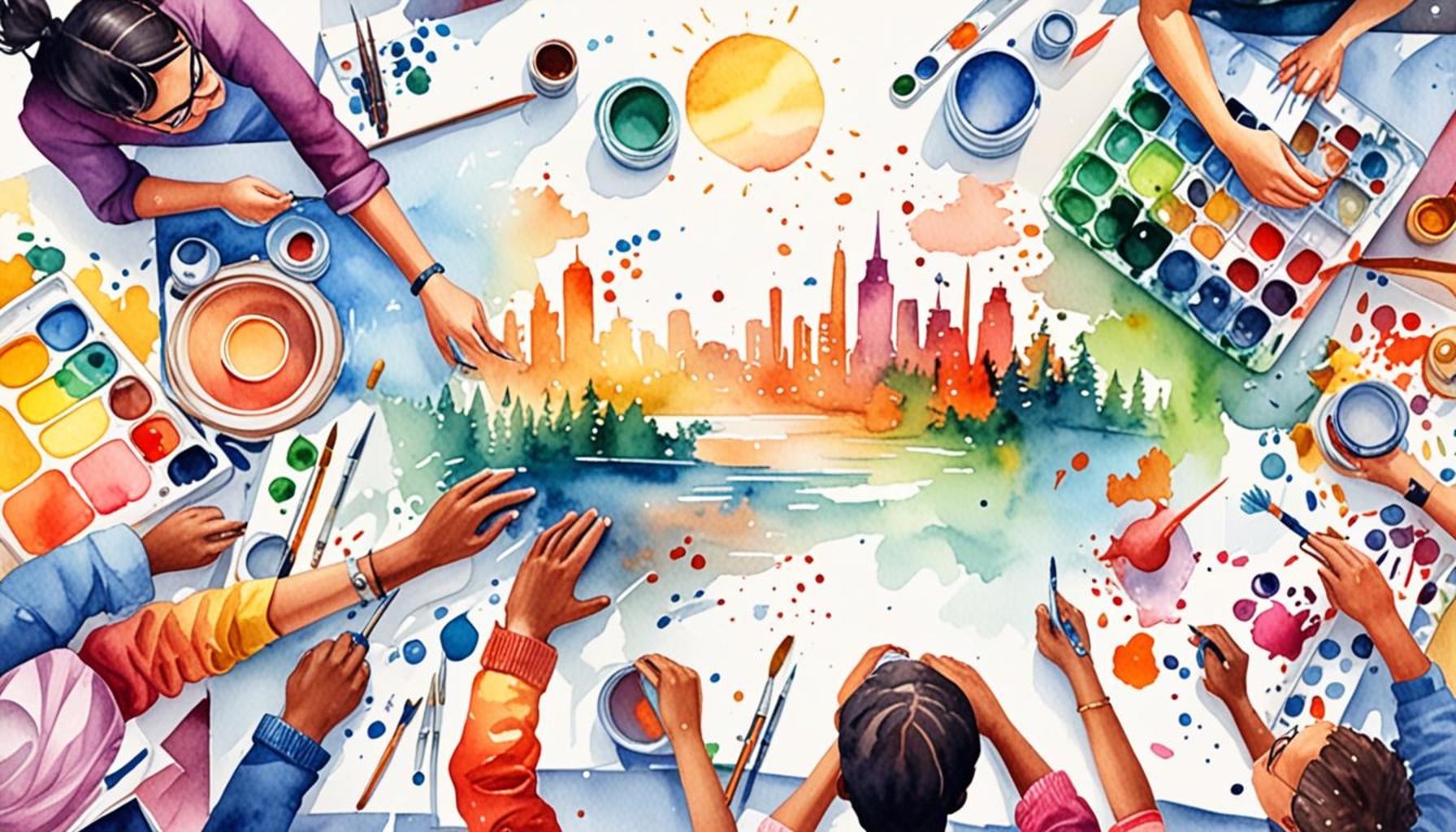
In addition to community programs and institutional initiatives, many organizations across the United States are launching collaborative art projects that not only engage individuals but also foster a sense of community. These initiatives recognize that collective creativity can be an antidote to isolation, a common experience for those wrestling with mental health challenges. By providing platforms for artistic collaboration, these projects can ignite feelings of hope and resilience in participants while also cultivating social connections.
One prominent example is the Inside Out Project, a global initiative that originated in France and has expanded to communities throughout the United States. This participatory art project invites individuals to express their identities and personal stories through large-scale portraits displayed in public spaces. By transforming personal experiences into visual statements, participants not only reclaim their narratives but also invite public dialogue about mental health, creating a ripple effect that extends beyond the individual. This public acknowledgment of shared struggles and triumphs fosters a sense of solidarity and encourages others to seek support.
An innovative collaborative project specifically targeting veterans is known as the Veterans Arts Project. This initiative seeks to address the unique mental health challenges faced by servicemen and women through various artistic mediums, including visual arts, music, and theater. By creating a safe environment for veterans to share their experiences and emotions, the project helps participants navigate issues such as trauma and reintegration into civilian life. The therapeutic benefits of expressing difficult emotions through art serve to empower these individuals, facilitating their collective healing journey.
Moreover, the emergence of online art therapy platforms has opened a new frontier for individuals with limited access to traditional therapy settings. Virtual platforms like Creative Arts Therapy Online offer structured art therapy sessions led by licensed practitioners, making it easier for individuals to access therapeutic resources from the comfort of their homes. These virtual projects can cater to those who may feel overwhelmed by in-person interactions, providing a valuable alternative that encourages participation in a supportive and judgment-free environment.
Research underscores the efficacy of these collaborative and online projects in improving mental health outcomes. A study featured in the Journal of Art Therapy found that participants engaging in group art therapy reported a decrease in symptoms of anxiety and depression, attributing their progress to the connections made with others during the creative process. The power of shared experiences in artistic endeavors cannot be overstated, as they facilitate emotional bonding and mutual understanding.
Furthermore, the creativity fostered in these initiatives often extends beyond mere artistic expression; it can lead to societal change. As participants share their stories and artworks, they challenge stereotypes surrounding mental health, promote advocacy, and cultivate public awareness. This transformation within communities is indicative of art’s potential to transcend individual healing to influence the collective narrative surrounding mental health.
As we delve deeper into the multifaceted world of art as therapy, it becomes evident that artistic projects are not only about creating but also about building community and fostering understanding. Through these dynamic collaborations and innovative platforms, art therapy emerges as a vital resource contributing to individual wellbeing and collective progress in addressing mental health challenges. The intersection of creativity and community shines a light on the resilience of the human spirit and its capacity for healing through artistic expression.
DISCOVER MORE: Click here to unleash your creativity
Conclusion: The Transformative Power of Art in Mental Health
The exploration of art as therapy reveals its profound impact on mental health, showcasing how creative expression can serve as a transformative tool for individuals and communities alike. Artistic projects—including collaborative initiatives like the Inside Out Project and the Veterans Arts Project—demonstrate that when individuals come together through creativity, they foster a shared understanding that can combat feelings of isolation and despair. The resultant connections not only enhance individual healing but also contribute to a greater sense of community and collective resilience.
Furthermore, the rise of online art therapy platforms signifies a valuable expansion in accessibility, providing essential support to those unable to participate in traditional settings. These virtual avenues empower individuals to engage with therapy from the comfort of their own spaces, thus removing barriers that often prevent meaningful participation in mental health support.
The research supporting the efficacy of art therapy is promising, suggesting that structured artistic engagement can lead to significant reductions in anxiety and depression. As we witness a growing acceptance of artistic expression as a legitimate pathway to healing, it’s imperative to advocate for and support these initiatives that challenge societal norms and address mental health stigmas.
Ultimately, the intersection of art and mental health demonstrates that creativity is not merely a form of expression, but a catalyst for change—both within individuals and within the broader community. As more stories of hope and recovery emerge, the call to action is clear: invest in artistic programs that uplift, unite, and inspire, because the healing journey is more profound when we walk it together.