
Travel Writing: How to Document Experiences and Create Lasting Memories

Unveiling the World Through Travel Writing
As you wander through vibrant city streets bustling with life or serene natural landscapes that offer tranquility, the world presents an array of narratives waiting to unfold. Travel writing invites you to delve deeper than mere destinations; it is about encapsulating the essence of your experiences and sharing them with a wider audience. Each journey provides a unique lens through which stories can be told, and travel writing is a powerful medium to document these adventures.
Every moment spent in a new environment carries the potential for discovery. Through careful documentation, fleeting instances can be transformed into lasting memories that resonate with readers long after the trip ends. Here’s how to effectively convey your travel experiences:
- Engage your senses: Use vivid descriptions that encompass sights, sounds, tastes, and textures. For instance, when visiting a local market in New Orleans, you could describe the vibrant colors of fresh produce, the symphony of jazz music drifting through the air, and the aroma of Cajun spices wafting from street vendors. This sensory engagement invites readers to experience your journey through their own imagination.
- Embrace authenticity: Personal stories add depth and nuance. Reflect on unexpected moments, such as sharing a meal with a family in Tuscany or getting caught in a sudden rainstorm while exploring the streets of Portland. These anecdotes provide readers with insights into your personal growth and cultural exchange, illustrating that travel is as much about connections as it is about locations.
- Make connections: Encounters with locals can enrich your narrative significantly. For example, recount a conversation with a barista in a Seattle coffee shop or a fisherman in a small coastal town in Maine. Their stories and perspectives will not only diversify your writing but also create a tapestry of human experience that contextualizes your travels.
In today’s digital age, travel writing has blossomed into various accessible formats, extending beyond traditional print media. Explore these exciting avenues to share your experiences:
- Blogs: Craft in-depth articles that encompass your detailed accounts, practical tips, and photography. Blogging allows for a personal touch and the freedom to explore multiple facets of your journey.
- Vlogs: Leverage video platforms like YouTube or TikTok to visually engage your audience. Share your experiences in real-time with montages of breathtaking landscapes, lively adventures, and local interactions that evoke emotion.
- Social platforms: Utilize Instagram, Twitter, or Facebook to post stunning imagery and captivating snippets. These shorter, impactful formats can effectively reach diverse audiences and generate discussions about your travels.
By weaving together the threads of your journeys, you can create a vibrant tapestry rich in emotion and knowledge. Discover the art of travel writing and learn how to document your adventures in a way that resonates with both you and your audience. In this dynamic field, every story has the power to inspire others to explore the world, fostering a sense of wanderlust that encourages continual discovery.
DISCOVER MORE: Click here to uncover the benefits of music for stress relief
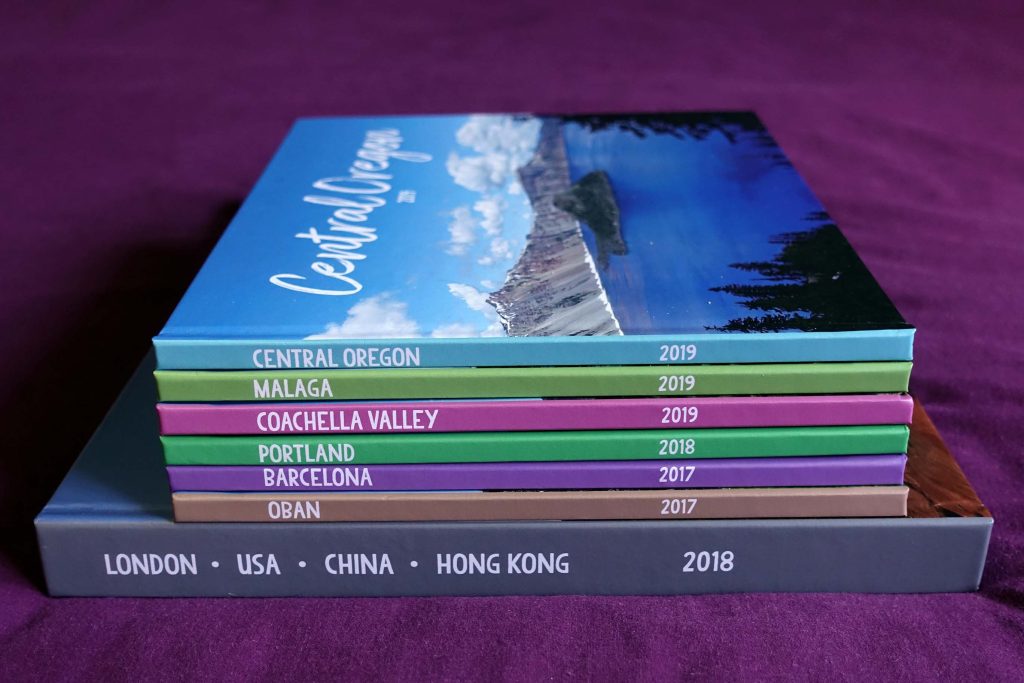
Crafting Your Narrative: The Essence of Travel Writing
Travel writing is more than just a recount of your geographical wanderings; it’s about immersing your readers in the journey. A well-crafted piece captures the heart of your experiences and brings them to life through the power of words. In an era dominated by fleeting social media posts, the art of creating immersive travel narratives has become more significant. To truly resonate with your audience, you must go beyond the superficial and delve into the intricate details that make each adventure unique.
To effectively document your experiences and forge lasting memories in your writing, consider the following techniques:
- Start with a strong hook: Your opening lines should draw readers in immediately. Begin with an intriguing question, a vibrant description, or a surprising fact about your destination. For instance, “Have you ever wondered how it feels to float above a sea of clouds in the Amazon rainforest?” Such questions can ignite curiosity and set the stage for your travel story.
- Utilize imagery: Paint a picture with your words by incorporating descriptive language that taps into the senses. Instead of merely saying “the beach was beautiful,” describe the “golden sands that squished beneath your toes, the salty breeze lightly caressing your skin, and the sound of waves gently crashing against the shore like an agitated lullaby.” Imagery helps transport your readers, allowing them to experience the location alongside you.
- Share your emotions: Effective travel writing often includes a reflection on your feelings during your experiences. Whether it’s the exhilaration of trying street food in Thailand or the peaceful solitude of hiking through the Appalachian Trail, sharing your emotional journey can create a more profound connection with your audience.
- Include practical tips: Enhance your narrative by offering readers useful advice that stems from your experience. For example, if you discovered a hidden café in Paris that serves the best croissants, share the location and reasons why it’s a must-visit. These insights not only enrich your story but also provide a tangible benefit to your readers.
Moreover, each trip is an opportunity to learn and grow, and documenting these moments accurately is crucial for preserving your experiences. Consider different perspectives through which you can present your narrative:
- Thematic storytelling: Instead of a chronological account, focus on themes such as adventure, cultural exploration, or personal transformation. A trip to Japan could be centered around technology and tradition, allowing readers to see how the past and present converge in daily life.
- Character-driven stories: Create profiles of the people you meet along the way. Their stories can illuminate cultural norms and personal journeys that alongside yours enrich the narrative. Writing about a local artist’s inspiration or a guide’s passion can evoke empathy and interest in your audience.
Documenting your experiences is not just about creating a travelogue; it’s an invitation for readers to journey alongside you. By developing your narrative in rich detail, conveying emotions, and offering practical insights, you create a tapestry that resonates deeply with your audience. Each story you tell has the power to inspire and ignite wanderlust, encouraging others to embark on their own adventures.
| Category | Advantages |
|---|---|
| Personal Reflection | Enhances self-awareness and promotes personal growth by encouraging you to delve into thoughts and feelings during your travels. |
| Cultural Insight | Fosters a deeper understanding of diverse cultures, enriching your travel experience through observation and documentation. |
| Memory Preservation | Creates lasting records of your journeys, allowing you to revisit memories and experiences in vivid detail long after the trip ends. |
| Community Engagement | Connects you with fellow travelers and readers who share a passion for exploration and storytelling. |
Travel writing is not only about capturing experiences; it delves deeper into the essence of travel, infusing every story with emotion and reflection. By documenting your adventures, you ultimately create a narrative that resonates, inspiring others to embark on their own journeys. Engaging with different cultures enhances your ability to perceive the world uniquely, while also allowing you to convey those nuances through your writing. It’s this vital human connection that transforms a mere trip into a profoundly impactful experience. Furthermore, sharing your insights can lead to an interactive community, where ideas, stories, and inspiration are exchanged, fostering a rich tapestry of travel knowledge. Incorporating travel writing into your journeys serves as a powerful tool for not only yourself but also for your readers, creating a legacy of memories intertwined with understanding, appreciation, and insight.
DISCOVER MORE: Click here to dive deeper
Infusing Personality into Your Travel Writing
While crafting a compelling narrative and documenting experiences are vital to travel writing, infusing your personality into the piece can elevate it to another level. Your unique voice is what sets your writing apart and allows readers to connect with you on a more personal level. Here are a few approaches to ensure your personality shines through in your travel writing:
- Embrace your perspective: Every traveler experiences destinations differently. Whether you’re an adventurous foodie eager to try exotic dishes or a history buff captivated by ancient ruins, infuse your enthusiasm and point of view into your stories. This subjective angle not only adds an original flavor to your narrative but also invites readers to view the world through your eyes. For example, instead of just describing the Louvre, share your anticipation as you stand in line, excited to glimpse the Mona Lisa.
- Telling the behind-the-scenes story: Sometimes, it’s not only about the destination; it’s about the journey that leads you there. Sharing your personal anecdotes—like missing a flight or getting lost in a new city—adds humanity and relatability to your writing. Readers enjoy hearing about the small mishaps, as they provide authenticity. For instance, recounting your experience of haggling for souvenirs at a bustling market can turn frustration into humor, making your adventure more relatable.
- Use humor wisely: Laughter is an excellent way to connect with readers. If there’s an awkward moment or a cultural misunderstanding that brings a smile to your face, don’t hesitate to include it. This lightheartedness can encourage readers to share in your joy, creating a cohesive experience. An amusing encounter with a parrot on a tropical beach or a bewildering language mix-up in a foreign cafe can serve as delightful highlights to your narrative.
Furthermore, as you seek to create lasting memories through your writing, consider leveraging technology to enhance your documentation process:
- Incorporate multimedia: As travel writers, capturing the essence of a location is not limited to words alone. Incorporating photos, sketches, or voice memos can offer a richer experience. A captivating photo with a well-written caption can serve as a conversation starter or spark curiosity. Utilize platforms like Instagram or personal blogs to showcase your visual memories alongside your narrative, providing a comprehensive sensory experience.
- Document in real-time: Take advantage of contemporary technology by journaling your experience in real-time. Whether through maintaining a travel blog or sharing updates on social media, documenting thoughts and experiences as they happen allows you to capture authentic emotions and details. These live updates can later be transformed into more polished stories, ensuring you don’t forget those fleeting moments.
Ultimately, infusing your personality and embracing various forms of documentation can yield richer narratives. When readers sense your excitement, humor, and introspection, they become more invested in your journey. A sense of camaraderie emerges, inviting them to join you on your adventures vicariously. By blending authentic storytelling with technology, you not only preserve your memories but also create an enduring connection that resonates with future explorers.
DISCOVER MORE: Click here for insights on sustainable artistic projects
Conclusion
In summary, travel writing is more than just a chronicle of destinations; it is a deeply personal exploration of experiences that preserves memories and fosters connections with readers. By applying varied writing techniques, incorporating personal anecdotes, and embracing technology, you can transform your narratives into captivating stories that resonate with others. Infusing your writing with your unique perspective allows readers to see the world through your eyes, inviting them to feel your joy, excitement, and even your misadventures.
Moreover, utilizing multimedia elements such as photography or sketches can elevate your storytelling, enriching the reader’s experience. As you document your journey in real-time, you capture authentic moments that make your narrative relatable and engaging. This not only ensures that your memories are vividly preserved but also creates an ongoing conversation with your audience, making them feel like fellow travelers alongside you.
As you embark on your travel writing journey, remember that it is a process of discovery—not just of new places, but also of yourself. Each story you craft is an opportunity to share not just a snapshot of a destination, but a deeper insight into the human experience. So go forth, write passionately, and create lasting memories that inspire not only you but also other adventurers looking to explore the world.