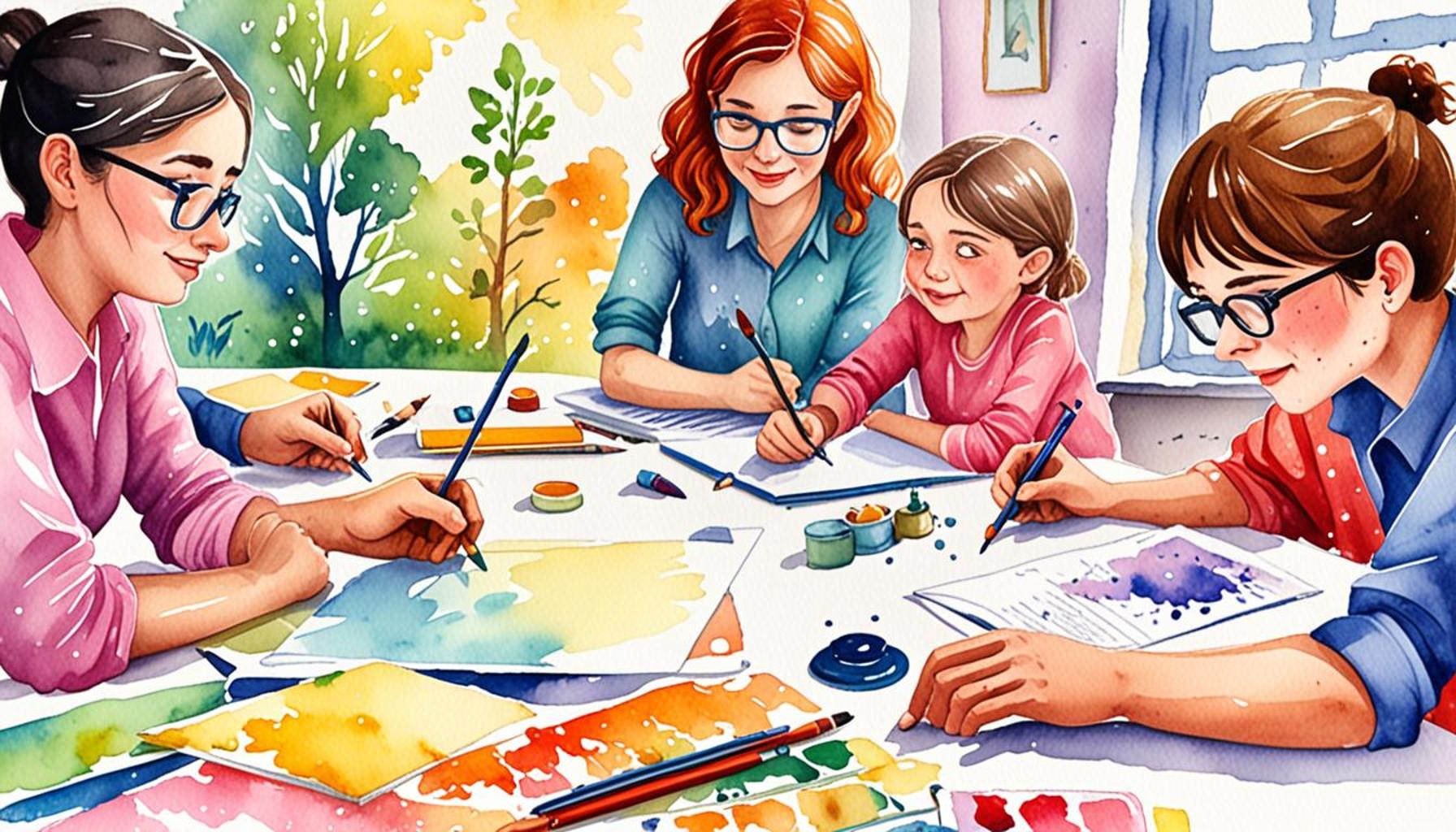
Collaborative Writing: Creating Stories in Groups and Strengthening Bonds

Unleashing Creativity Through Collaboration
Writing alone can be a solitary endeavor, but collaborative writing transforms the process into an engaging group activity. It fosters creativity and ignites a synergy among participants, allowing diverse ideas to converge into compelling narratives. In today’s interconnected world, the power of shared storytelling is more relevant than ever. Collaborative writing not only enhances individual works but also challenges the limits of personal imagination by incorporating external viewpoints that can enrich the creative endeavor.
The Benefits of Collaborative Writing
Collaborative writing goes beyond just crafting stories—it strengthens relationships and builds community. Some key benefits include:
- Enhanced Creativity: Different perspectives lead to innovative ideas. When writers with varied backgrounds come together, they generate unique angles and potential plot twists that may never have emerged in isolation.
- Improved Skills: Participants learn from each other’s strengths and experiences. For instance, a writer skilled in character development can teach fellow group members to delve deeper into their protagonists, while others may share insights on pacing or world-building techniques.
- Strengthened Bonds: Working together fosters trust and camaraderie. In collaborative environments, individuals learn to rely on one another, creating lasting friendships that often extend beyond the writing process.
These benefits are evident in various settings, such as classrooms, writing workshops, and online forums, where groups have embraced this collaborative approach. Many writers find that the combined energy of a team can produce works that surpass individual efforts. Initiatives such as NaNoWriMo (National Novel Writing Month) encourage collaboration among participants, creating a vibrant community of aspiring authors who support each other while embarking on the challenge of creating a 50,000-word novel in just one month.
Diverse Platforms for Collaboration
From traditional brainstorming sessions to digital platforms, the ways to collaborate are endless. Writers can connect through:
- Online Tools: Platforms like Google Docs or Microsoft Teams offer real-time editing, making it easy for groups to work simultaneously on a document, track changes, and share feedback instantly.
- Writing Workshops: Local and virtual groups meet regularly to share drafts and provide constructive feedback, creating an environment rich with encouragement and diverse opinions.
- Social Media: Writers can connect with fellow authors on Twitter, Facebook, or even specialized platforms like Wattpad, where they can exchange thoughts and share their experiences in a supportive online community.
Engaging in collaborative writing nurtures lasting relationships, creating a tapestry of shared experiences that enrich the creative output. Such interactions not only revitalize the writing process but also promote a sense of belonging among writers, helping them feel less isolated in their endeavors. Collaboration can lead to powerful storytelling that resonates deeply with audiences, inviting more inclusive and varied narratives to emerge. Now, let’s explore the fascinating dynamics of writing together, where each voice contributes to a greater chorus of creativity.

DISCOVER: Click here to learn about the healing power of music!
Building a Foundation for Creative Collaboration
Collaborative writing serves as a unique gateway to harnessing shared creativity while simultaneously fostering personal connections among writers. As participants immerse themselves in cooperative storytelling, they embark on a journey that not only shapes narratives but also establishes a solid groundwork for mutual support and understanding. With the ever-evolving landscape of communication and technology, collaborative writing has become increasingly accessible, allowing individuals from various walks of life to unite for a common purpose: crafting engaging tales that reflect their shared experiences.
The Dynamics of Group Storytelling
At the heart of collaborative writing lies a dynamic interaction between group members—each contribution lays the groundwork for a more intricate narrative. As collaborators share their insights, they cultivate an environment wherein emerging storytellers can take risks, express their thoughts, and refine their writing styles. This collaborative framework encourages a sense of ownership over the collective work, leading to enriched narratives and a notable increase in creative output.
Several psychological and social dynamics come into play during the collaborative writing process:
- Collective Brainstorming: Allowing participants to freely exchange ideas can unearth hidden gems that would have otherwise remained undiscovered. Brainstorming sessions serve to break down barriers, inspiring team members to think outside the box and explore uncharted territories within their stories.
- Conflict Resolution: Disagreements are inevitable when multiple creative minds converge. However, navigating these conflicts can lead to the development of stronger narratives. By engaging in open discussions, collaborators learn to embrace differing viewpoints, often resulting in richer storylines and more dynamic characters.
- Mutual Accountability: With several writers contributing to a single project, each individual is motivated to produce their best work. This shared responsibility cultivates a sense of accountability and encourages writers to uphold their commitments to the group.
These elements combine to create a vibrant atmosphere conducive to creativity. With each member contributing their ideas, characters, and plotlines, collaborative writing leads to a fluid adaptation of themes and styles that can enhance the story’s depth and authenticity.
Engagement Through Shared Experiences
When writers collaborate, they inherently embark on a journey that transcends the story itself. As they navigate the challenges of group writing, they create bonds forged in mutual respect and shared enthusiasm for storytelling. In settings such as schools and community centers, writers discover that the collaborative process offers opportunities for personal growth and connection with others.
The intimacy of shared experiences fosters a supportive environment where less experienced writers can flourish alongside seasoned storytellers. Collaborative writing not only brings creative people together but also instills a sense of belonging, allowing participants to interact, share vulnerabilities, and inspire each other. This sense of community is essential for cultivating lasting friendships grounded in mutual admiration for the craft.
As we continue to explore the multifaceted nature of collaborative writing, it becomes clear that this art form is more than simply telling stories—it’s about weaving a rich tapestry of voices that resonate across diverse communities and experiences.
| Advantage | Description |
|---|---|
| Enhanced Creativity | Collaborative writing encourages unique perspectives and diverse ideas, leading to more innovative storytelling. |
| Stronger Relationships | Working together on stories fosters teamwork and trust, enabling deeper connections among group members. |
The process of collaborative writing transcends ordinary storytelling, intertwining creativity with camaraderie. When a group of writers joins forces to craft narratives, the enhanced creativity that emerges is staggering. Each member contributes distinct viewpoints that create a tapestry of ideas, ultimately enriching the story and captivating the audience. This collaborative effort not only opens the doors for more thought-provoking and multifaceted narratives but also ignites a vibrant exchange of inspiration among writers. Moreover, the act of creating stories together inherently strengthens existing bonds and builds new ones. Engaging in collaborative writing acts as a catalyst for stronger relationships, as participants share their thoughts, negotiate ideas, and challenge one another in a supportive environment. The mutual understanding and respect that develop through this process are powerful, often resulting in profound friendships that endure beyond the writing sessions. Thus, collaborative writing is not merely a tool for storytelling; it is also a vessel for connection, building community, and fostering creativity in ways individuals cannot achieve alone.
DISCOVER MORE: Click here to unlock your creativity
Nurturing Creativity Through Diverse Perspectives
One of the most enriching aspects of collaborative writing is the opportunity it provides for individuals to encounter diverse perspectives. When people from different backgrounds, cultures, and experiences come together, the narrative possibilities are bound to expand. Writers have the chance to explore themes that may not have been on their radar and to create characters that are multi-dimensional and authentic, reflecting a broader spectrum of human experience.
Incorporating Different Voices
Collaborative writing is fundamentally about the interplay of various voices, each contributing to the development of the story. This inclusion of different narratives fosters an environment where writers can push the boundaries of creativity. By listening to one another, writers can dissect cultural nuances and societal issues that impact storytelling. For example, a group comprising individuals from various ethnic backgrounds can illuminate the struggles and triumphs unique to their communities, thereby enriching the plot and thematic depth.
Here are some key benefits of harnessing diverse perspectives in collaborative writing:
- Enhanced Character Development: Exposure to different life experiences can enable writers to create more complex and believable characters. This helps readers relate better to the story, seeing themselves represented in a way that is genuine and multifaceted.
- Broader Thematic Exploration: Writing as a collective allows themes such as identity, belonging, and resilience to emerge organically from group discussions, leading to narratives that resonate on a deeper level. This thematic richness can also pave the way for exploring societal issues through a more personal lens.
- Boosted Creativity: Engaging with varying viewpoints ignites creative sparks that would be challenging to achieve in isolation. The natural back-and-forth of idea exchange opens up avenues that guide writers away from predictable tropes and toward innovative storytelling.
The Role of Technology in Collaborative Writing
In today’s digital age, technology has become a vital ally for collaborative writing. Various platforms are designed to facilitate collective storytelling, making it easier for groups to connect and share ideas regardless of geographical constraints. Tools like Google Docs, Microsoft OneNote, and dedicated writing software enable real-time collaboration, allowing users to witness and contribute to the story as it unfolds.
Such platforms not only streamline the writing process but also encourage engagement by incorporating features such as commenting and version history, which allow participants to track changes and provide feedback seamlessly. In this context, technology does not merely serve a functional purpose; it enhances the collaborative writing experience by creating a familiar space for shared creativity. Writers can engage in discussions, suggest edits, and celebrate the organic growth of their narrative together, reinforcing that sense of community and teamwork.
Furthermore, online writing communities often form as a result of these technological innovations, providing aspiring writers with a space to connect, collaborate, and learn from one another. Social media platforms and writing forums enable creatives to share their work, seek advice, and form connections that can transcend geographical boundaries. In this way, technology actively contributes not only to the writing process but to the creation of lasting relationships among participants.
As collaborative writing continues to evolve, the intersections of diverse voices and technology serve as catalysts for enriching the art of storytelling, illuminating pathways that foster creativity and connection among writers.
DISCOVER MORE: Click here to learn how art can uplift mental health
Conclusion: The Power of Collective Storytelling
In the realm of collaborative writing, the fusion of diverse voices and innovative technology creates a dynamic canvas for storytelling. As writers come together, they not only craft narratives but also cultivate an environment where creativity thrives through shared experiences and insights. This collaboration offers a unique advantage, allowing individuals to explore themes and character development that reflect the complexities of human existence. The result is a tapestry of stories that resonate on multiple levels, embracing a multitude of perspectives.
As we delve deeper into the impacts of collaborative writing, it becomes evident that this practice is more than just a method for storytelling; it is a crucial mechanism for strengthening relationships. The process of co-creating narratives fosters understanding, empathy, and trust among participants, transforming a simple writing exercise into a meaningful bonding experience. Furthermore, utilizing technology enhances these collaborative efforts, making it easier than ever for writers to connect and share their ideas across distances.
In conclusion, the art of creating stories in groups provides exceptional opportunities for personal and communal growth. By embracing the principles of collaboration, writers can unlock new dimensions of creativity while building lasting connections. As we continue to navigate the digital landscape, let us recognize the significance of collaborative writing in shaping not just our stories, but also the relationships and communities that enrich our lives. It is an invitation to explore, engage, and elevate the practice of storytelling to unprecedented heights.