The Evolution of Culinary Techniques: How Creativity Transforms Traditional Recipes
Tracing the Evolution of Culinary Arts
The journey through culinary techniques reflects a rich tapestry of human history, underscoring the importance of creativity in shaping our dining experiences. From the time-honored methods of ancient civilizations to the avant-garde trends of modern cuisine, these transformations are not merely superficial; they encapsulate the cultural narratives and technological advancements of their times. Observing this evolution provides insight into food culture and encourages a new generation of chefs to think outside the box.
- Historic Influences: Ancient civilizations, such as the Greeks and Romans, laid the groundwork for what we now recognize as modern culinary practices. The use of herbs, spices, and various cooking methods like roasting and boiling originated in these cultures. For instance, the Roman practice of experimenting with sauces, such as garum, an ancient fish sauce, has influenced various regional culinary styles and continues to inspire chefs today.
- Modern Adaptations: The phenomenon of fusion cuisine exemplifies how culinary creativity rejuvenates traditional dishes. Take, for example, the rise of Korean-Mexican cuisine, where classics like tacos are filled with Korean barbecue meats and kimchi. This blend not only tantalizes the palate but also symbolizes cultural exchange and innovation, illustrating how chefs can craft new narratives through food.
- Technology’s Role: Technological advancement plays a pivotal role in culinary innovation. Techniques such as sous-vide, which involves vacuum-sealing food and cooking it in a water bath at precise temperatures, allow for enhanced flavor and texture. Meanwhile, molecular gastronomy redefines traditional dishes through scientific methods that manipulate the physical and chemical properties of ingredients. Chefs like Ferran Adrià and Heston Blumenthal have pioneered this movement, creating groundbreaking dining experiences that challenge conventional perceptions of food.
The driving forces behind culinary innovation are multifaceted:
- Ingredients: The increasing accessibility of diverse and high-quality ingredients reflects changing agricultural practices and globalization. Chefs are now able to draw inspiration from a broad spectrum of food products, allowing them to reinterpret and modernize classic recipes. For instance, the use of quinoa in traditional grain dishes showcases how new ingredients can elevate culinary standards.
- Nutrition: As awareness of health and wellness grows, chefs are reimagining classic comfort foods with a focus on nutritious ingredients. Consider the rise of cauliflower crust in pizzas, which offers a low-carb alternative without sacrificing flavor, appealing to health-conscious diners while retaining elements of beloved recipes.
- Sustainability: Modern culinary practices increasingly emphasize sustainability, prompting chefs to focus on local sourcing and minimize food waste. By creating menus that utilize seasonal produce, such as heirloom tomatoes or local fish, chefs not only support their communities but also create dishes that reflect a commitment to environmental stewardship. This movement challenges chefs to innovate while honoring the planet.
As we delve deeper into the world of culinary techniques, it becomes clear that creativity is a vital catalyst for change. Today’s chefs are not only custodians of tradition but also pioneers shaping the future of food, demonstrating that the act of cooking is not just about nourishment—it’s about storytelling, culture, and innovation.
DIVE DEEPER: Click here to unlock the emotional benefits of journaling
The Intersection of Tradition and Innovation
As we explore the evolution of culinary techniques, it is essential to recognize how traditional recipes serve as a springboard for culinary creativity. Historical context enriches our understanding of why certain methods prevail and how they adapt over time. Chefs today often find themselves at a fascinating crossroads, balancing respect for timeless traditions while also incorporating modern influences that drive the culinary world forward.
For centuries, cooking practices have been shaped by geographical, social, and economic factors. The recipes passed down through generations reflect the ingredients available in the region, the cooking implements used, and the cultural customs surrounding food preparation. This interconnectedness provides a foundation for culinary evolution. As globalization accelerates, ingredients that once seemed exotic can now be found at local grocery stores, expanding the framework of traditional recipes.
- Cultural Exchange: One prominent factor in culinary evolution is cultural exchange. As chefs travel and indulge in international cuisines, they often return home inspired to reinterpret traditional dishes. For example, the introduction of Asian flavors into classic American favorites, like soy sauce-infused barbecue or sriracha cocktails, exemplifies how cultures can blend and coalesce.
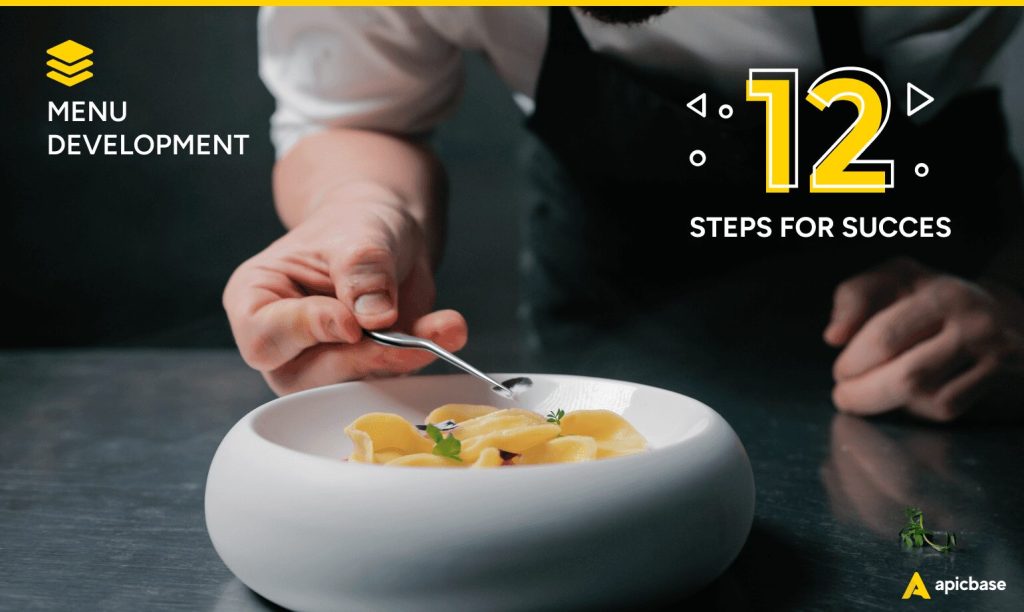
- Artistry in Presentation: Presentational techniques in culinary arts have also transformed significantly. What was once a plate of homey comfort food is now often styled and deconstructed in an artistic manner, taking diners on a visual journey before even tasting the dish. This elevation of plating not only enhances the diner’s experience but also allows chefs to express their creativity and personality through food.
- Reviving Lost Techniques: Alongside modern innovations, there is also a nostalgic revival of lost techniques. Chefs are increasingly looking to the past for inspiration, resurrecting ancient cooking methods like smoking and fermenting. These practices have seen a resurgence as health-conscious eaters appreciate their benefits, not just for flavor, but also for gut health.
- Seasonal and Local Cooking: The shift towards seasonal and local cooking redefines how traditional recipes are approached. Chefs focused on farm-to-table initiatives are more inclined to adapt heritage recipes to reflect what is currently available in their region, leading to exciting variations. Such approaches help preserve the integrity of traditional dishes while fostering a connection to the local community and environment.
The interplay between tradition, modernization, and creativity prompts chefs to roll up their sleeves and engage with their culinary heritage. Understanding how traditional recipes can evolve opens doors to a new world of flavor combinations and innovative techniques, inviting both chefs and diners alike to join in the exploration. Culinary creativity is not merely an act of invention but an ongoing dialogue with the past, emphasizing that food is not just what we eat; it is a reflection of our history and a canvas for our future.
The Impact of Culinary Innovation on Traditional Recipes
As culinary techniques evolve, the transformation of traditional recipes illustrates the delicate balance between honoring heritage and embracing creativity. Chefs worldwide are reinterpreting age-old dishes, blending cultural influences and modern techniques, which results in unique flavors and presentations that captivate the contemporary palate.One fascinating example is the adaptation of classic French cuisine. Many chefs are experimenting with molecular gastronomy, which employs scientific principles to deconstruct ingredients and build new textures and tastes. Dishes such as deconstructed ratatouille feature components that evoke the original recipe while surprising diners with unexpected presentations and flavors. This innovative approach not only enhances the dining experience, but it also sparks conversation around the history and evolution of traditional French cooking.Furthermore, the infusion of global spices and techniques into familiar dishes broadens the horizon of flavor profiles. Consider the fusion of Mexican and Korean cuisines in the popularization of the kimchi taco. This combination highlights the rich diversity of culinary traditions, showcasing how creativity can bridge cultural gaps and introduce diners to new culinary journeys.Chefs are also prioritizing sustainable practices, infusing traditions with contemporary values. By sourcing local and organic ingredients, culinary artists are not just transforming recipes, but also championing a farm-to-table movement that resonates with health-conscious diners. For instance, a classic Italian pasta dish can be elevated with seasonal vegetables sourced from nearby farms, representing both respect for tradition and commitment to sustainability.As culinary techniques continue to evolve, the conversation around food shifts as well. Today’s chefs are storytellers, weaving personal narratives and historical contexts into their dishes, creating not just a meal, but a memorable experience that honors the past while looking forward to the future. These innovations are indicative of a broader trend in gastronomy—from simply feeding oneself to sharing stories and cultural connections through food. Recognizing the impact of these transformations on culinary traditions invites us to explore the dynamic interplay between food and culture, inspiring future generations of chefs to continue this ever-evolving journey.
DIVE DEEPER: Click here to uncover the emotional benefits of journaling
Embracing Technology in the Kitchen
The advancement of technology has revolutionized culinary techniques, providing chefs with revolutionary tools and methods that amplify their creative potential. Modern gadgets, such as sous-vide machines, precision cookers, and even smart ovens, have changed the way traditional recipes are approached. They enable precision cooking, where temperature and time can be meticulously controlled, resulting in perfectly cooked dishes every time. For instance, the sous-vide method allows cooks to prepare meats at lower temperatures over extended periods, preserving moisture and tenderness while infusing flavors through sealed bags. This technique transforms traditional methods of braising and roasting into an art of molecular gastronomy.
Moreover, technology has enhanced food preservation techniques. The rise of dehydration and vacuum sealing has made it possible to create innovative garnishes and flavor enhancers from conventional ingredients. Chefs are now taking beloved traditional flavors, such as dried tomatoes or dehydrated herbs, and reintroducing them in new dimensions, turning simple dishes into sophisticated culinary experiences. By incorporating molecular gastronomy and automation, chefs continuously push the boundaries of traditional recipes, exploring new possibilities that were once unimaginable.
Fusion Cuisine: The Culinary Canvas of Diversity
Another significant trend in the evolution of culinary techniques is the emergence of fusion cuisine, a celebration of culinary diversity that enhances traditional recipes by blending different cultural influences. As modern-day chefs embrace this melting pot of flavors, new combinations are born that pay homage to their roots while forging new territory. For example, a dish like Korean tacos combines Korean marinated meats with Mexican tortillas, creating an entirely new dish that excites the taste buds and challenges conventional culinary boundaries.
This fusion trend is not limited to ethnic cuisines but can be seen in local and regional dishes across the United States. Consider the revered Southern biscuit, which has been reinvented into innovative sandwiches with layers of global influences, such as jerk chicken or curry-flavored fillings. Chefs continue to explore how flavors from around the world can respectfully meld with traditional American fare, allowing diners to partake in diverse and exhilarating culinary experiences.
The Role of Culinary Education
As chefs seek to innovate and transform traditional recipes, culinary education plays a pivotal role in equipping them with the skills necessary for this evolution. Many culinary schools now emphasize the importance of creativity alongside classic techniques, teaching aspiring chefs how to navigate this balance effectively. Programs incorporate lessons on the historical significance of traditional dishes, understanding how cultural contexts and regional ingredients influence culinary arts.
Moreover, mentorship and collaboration among chefs have fostered a culture of shared knowledge. Collaborative cooking events and pop-up restaurants have emerged as platforms for chefs to experiment and exchange ideas, further blurring the lines between traditional and modern culinary practices. This dynamic environment encourages the fusion of flavors, inspiring chefs to innovate in ways that resonate with their guests’ palates and reflect contemporary culinary narratives.
In summary, the fusion of technology, cultural blending, and progressive education continues to shape the culinary landscape, illustrating that the evolution of culinary techniques is an ongoing journey. As chefs embrace these changes, they breathe new life into traditional recipes, ensuring that history remains pivotal while paving the way for the creative possibilities that lie ahead.
DISCOVER MORE: Click here to unleash your creativity
Conclusion
The journey of culinary techniques is a testament to the innate human desire to innovate, experiment, and transform. As explored throughout this article, the intersection of technology, cultural diversity, and culinary education is pivotal in redefining traditional recipes. Chefs are not merely the custodians of historic dishes; they are artists who wield modern tools and ingredients to create a dynamic culinary landscape.
Incorporating high-tech gadgets like sous-vide machines and precision cookers empowers chefs to elevate their craft to new heights, allowing for unparalleled flavor and texture. Meanwhile, the emergence of fusion cuisine celebrates the globalization of food, encouraging culinary artists to draw inspiration from various cultures, resulting in exciting and novel dishes that push the boundaries of convention.
Furthermore, the role of culinary education cannot be overstated. As chefs are trained in both classic techniques and modern innovations, they forge a path for the future of cuisine, ensuring that the essence of traditional recipes endures while embracing change. The collaboration and sharing of knowledge among chefs foster an ecosystem of creativity that encourages continuous reinvention.
Ultimately, the evolution of culinary techniques reflects a broader cultural narrative, one that celebrates diversity, creativity, and sustainability. As food enthusiasts and novices alike explore this vibrant landscape, they not only enjoy an array of delectable flavors but also gain insight into the rich stories behind each dish. The question remains: how will the next generation of chefs further transform culinary traditions in ways that we have yet to imagine? The possibilities are endless, inviting us all to partake in this extraordinary culinary journey.