Exploring Occupational Therapy Through Crafting: Benefits for Mental Health
Understanding the Therapeutic Power of Crafting
Occupational therapy has notably evolved to encompass a wide range of techniques that leverage creativity as a tool for healing. Among these techniques, crafting stands out due to its multi-faceted benefits for mental health. Not only does crafting serve as a conduit for self-expression, but it also nurtures cognitive and emotional development, offering individuals a therapeutic journey that can lead to profound personal growth.
Research underscores numerous benefits of engaging in crafting within occupational therapy settings. For instance, studies have shown that stress reduction is one of the primary advantages. Engaging in hands-on crafting activities can significantly lower cortisol levels, the hormone associated with stress, which in turn diminishes feelings of anxiety and helps individuals find a calmer state of mind. Activities such as knitting, painting, or pottery allow individuals to immerse themselves in the moment, fostering a sense of presence that is often lacking in our fast-paced world.
Another critical benefit of crafting is its ability to provide an enhanced focus. Creating art typically demands concentration and can lead to experiences of mindfulness—where individuals become fully absorbed in the task at hand. This focused engagement not only improves attention span but can also translate to better performance in daily tasks. For instance, someone crocheting a complex pattern may find their cognitive function improving as they practice problem-solving skills, share tips with peers, or adapt techniques in real-time.
- Emotional expression: Crafting allows individuals to express feelings that they might struggle to verbalize. A person dealing with grief might find solace in painting, allowing their brush to communicate pain and loss as colors blend on canvas. This non-verbal expression can be liberating, offering an outlet that encourages healing.
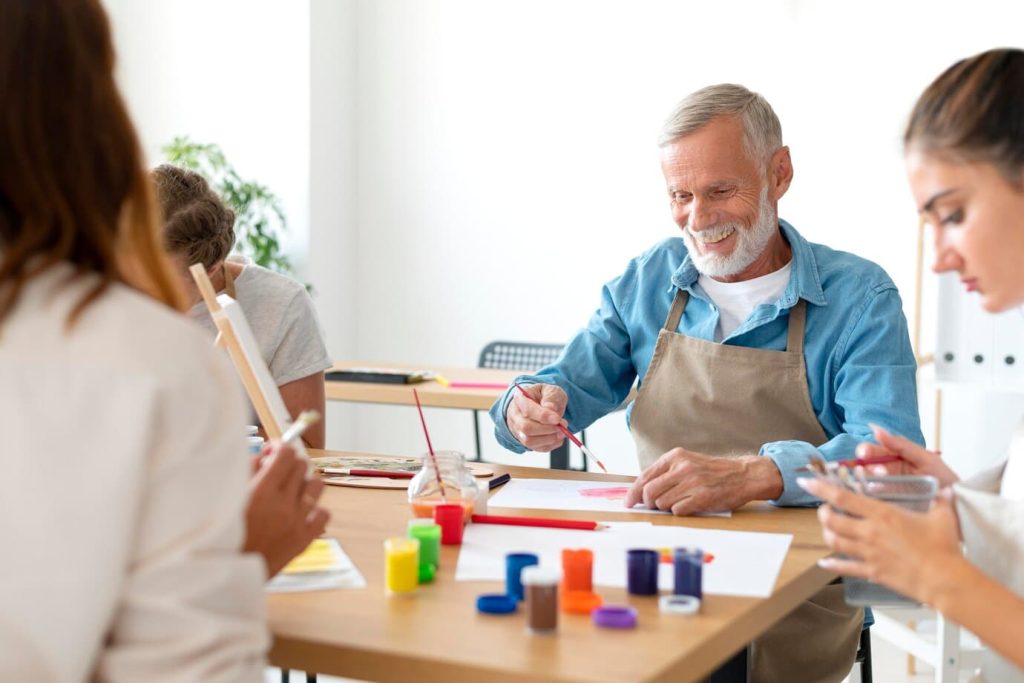
Moreover, crafting activities often foster a sense of community. Group crafting sessions can be instrumental in building social connections. Patients working together on projects share not only tools and techniques but also their stories and experiences. This collaborative atmosphere can create a support network that combats loneliness—a common challenge in mental health journeys. In various occupational therapy programs across the United States, from urban centers to rural areas, crafting circles have emerged as a vital social hub for individuals seeking connection and understanding.
As we delve deeper into the therapeutic potential of crafting, it becomes increasingly evident that these activities do not merely provide enjoyment; they serve as powerful tools for personal transformation. The benefits of crafting extend beyond the immediate satisfaction of creating something tangible; they become a pathway to improved mental health, resilience, and a richer quality of life. Whether you are a seasoned crafter or new to the world of DIY projects, exploring the therapeutic benefits of crafting could offer more than just a hobby—it may provide a lifeline to connecting with oneself and others in meaningful ways.
DISCOVER MORE: Click here to uncover the emotional benefits of journaling
The Multifaceted Benefits of Crafting in Occupational Therapy
Crafting offers a unique blend of physical engagement, cognitive stimulation, and emotional release, making it an invaluable component of occupational therapy. By integrating artistic activities into therapeutic practices, therapists can address various mental health concerns while simultaneously enhancing the overall well-being of their clients. One of the most immediate benefits of crafting is the promotion of fine motor skills. Whether it’s sewing, sculpting, or weaving, these activities require dexterity and hand-eye coordination, which are essential skills in daily living.
Moreover, engaging in craft-based activities can lead to improved cognitive development. The processes involved in crafting—such as planning, sequencing, and executing a design—encourage critical thinking and problem-solving abilities. For example, a patient may need to strategize how to cut fabric to minimize waste while creating a quilt. This task not only stimulates cognitive functions but also builds confidence as individuals accomplish their goals, one stitch at a time.
Another noteworthy aspect of crafting in occupational therapy is its power to evoke emotional regulation. Many individuals battling mental health challenges often experience overwhelming feelings that can be difficult to express verbally. Crafting provides a safe haven for these emotions to surface in a more manageable form. Activities such as journaling through scrapbooking or creating emotional collages can assist individuals in articulating their feelings in a visual manner, fostering a deeper understanding of their mental landscape.
- Reduced feelings of isolation: Crafting, especially in a group setting, diminishes the sense of isolation that often accompanies mental health struggles. Individuals working alongside peers can share personal stories and experiences, providing a much-needed support system.
- Encouragement of routine and structure: Regular crafting sessions can instill a sense of routine and predictability in one’s life—elements that are often missing for those dealing with depression or anxiety.
- Increased sense of accomplishment: Completing a craft project, whether large or small, can lead to feelings of achievement that boost self-esteem and encourage further participation in constructive activities.
Evidence supporting the connection between crafting and mental well-being is increasingly compelling. Research from various mental health studies emphasizes that engaging in creative projects can lead to long-term psychological benefits, including diminished symptoms of depression and anxiety. For many, the act of creating becomes not just a pastime, but a critical coping mechanism—one that leads to improved emotional resilience and overall mental health stability. Furthermore, occupational therapists are harnessing these benefits and tailoring craft activities to meet the specific needs of their clients, ensuring that each project resonates on a personal level. This personalized approach enhances engagement and drives the therapeutic journey forward.
In exploring the transformative potential of crafting, we uncover a rich tapestry of benefits that extend beyond mere enjoyment. Whether it is through the creation of art, home-made goods, or community projects, crafting can be a lifeline for individuals navigating the complexities of mental health. As we delve deeper into the myriad ways crafting supports mental health, it becomes clear that these creative endeavors are catalysts for change, empowerment, and healing.
Exploring the Therapeutic Benefits of Crafting
Crafting is often seen as a leisurely activity, yet it acts as a profound tool in occupational therapy. Engaging in crafts—whether it’s knitting, painting, or woodworking—provides not just a creative outlet but also various psychological benefits that are essential for maintaining mental health. Studies indicate that these activities can significantly reduce symptoms of anxiety and depression by fostering a sense of accomplishment and control over one’s environment.
Furthermore, crafting promotes mindfulness. When individuals focus on the textures, colors, and movements involved in their projects, they enter a meditative state that helps alleviate stress. This aspect of engagement can lead to decreased cortisol levels, a hormone linked to stress. In fact, occupational therapists often incorporate crafting techniques to improve cognitive function and dexterity, making it suitable for therapeutic settings.
Enhancing Social Connections Through Crafting
Another key advantage of incorporating crafting into occupational therapy is its ability to foster social connections. Crafting often involves group settings where individuals can share ideas, collaborate on projects, and celebrate each other’s achievements. This communal approach not only combats feelings of isolation but also enhances social skills and builds supportive networks.
For many, the act of creating something unique leads to a profound sense of identity and purpose that is incredibly important for mental well-being. Participants may find that their self-esteem improves as they witness their growth in skills and creativity, which can be incredibly empowering in reclaiming one’s narrative.
| Category | Details |
|---|---|
| Cognitive Benefits | Enhances focus, improves decision making, and nurtures problem-solving skills. |
| Emotional Uplift | Fosters self-esteem, combats anxiety, and promotes a positive mood through tangible achievement. |
By understanding and harnessing the benefits of crafting within the framework of occupational therapy, individuals can explore a pathway to improved mental health that is engaging, fulfilling, and essential for long-term well-being. The integration of craft-making into therapy not only provides functional skills but also serves as a medium for personal expression and emotional healing, paving the way for greater resilience and fulfillment.
EXPLORE MORE: Click here to dive deeper into creative writing activities
Crafting as a Therapeutic Mechanism: Bridging Gaps in Mental Health Treatment
As crafting gains popularity within the realm of occupational therapy, its integration can bridge significant gaps in traditional mental health treatment. Many individuals experiencing mental health issues often report feeling overwhelmed or disconnected from their surroundings. Here, crafting serves as a grounding technique, fostering a sense of presence and mindfulness. The tactile experience of working with materials—whether it’s clay, paint, or fabric—can provide sensory stimulation, drawing individuals into the moment and offering respite from racing thoughts or negative emotions.
Research supports this notion; studies show that crafting can reduce anxiety levels substantially, likening the calming effects to that of meditation. For instance, a study published in the journal *Art Therapy* found that just 45 minutes of engaging in creative activities can lead to a significant decrease in cortisol levels, the stress hormone. By encouraging individuals to focus on creation rather than stressors, crafting cultivates a tranquil environment conducive to healing.
Moreover, crafting can introduce individuals to the concept of flow, a psychological state characterized by immersion and enjoyment in an activity. When engrossed in a project, individuals often lose track of time, gaining a sense of fulfillment and joy. This state of flow not only enhances mood but contributes to improved emotional well-being. For many, the continual act of returning to a craft fosters a sense of purpose and belonging, which are crucial for individuals facing mental health challenges.
- Creative Expression: Crafting empowers individuals to express their identities and experiences creatively, facilitating healing through self-discovery.
- Skill Acquisition: Engagement in crafting helps individuals learn and refine new skills while boosting self-efficacy, leading to improved mental health outcomes.
- Social Interaction: Group crafting sessions can promote teamwork and collaboration, which often results in improved interpersonal skills and fosters a sense of community.
In the context of group therapy, crafting activities offer a unique platform for connection. Participants can engage in shared endeavors, which promote dialogue and collaboration, thereby alleviating feelings of loneliness and isolation. This communal aspect of crafting can be especially reparative for individuals dealing with trauma or PTSD, as it encourages relationships built on trust and mutual understanding. Programs across the United States have documented the success of such initiatives, where community centers or mental health facilities integrate crafting into their therapeutic offerings.
Furthermore, crafting can serve as an effective transition tool for those moving from clinical settings to independent living. Focusing on a tactile project can assist in establishing routines, enhancing independence, and promoting self-reliance. As many occupational therapists now recommend specific crafts tailored to their clients’ interests and abilities, personalized crafting projects bolster engagement and motivation, yielding a higher likelihood of sustained involvement in therapeutic practices.
Overall, the incorporation of crafting in occupational therapy emerges as a multifaceted approach to enhancing mental health. From fostering social connections to promoting emotional growth, crafting projects facilitate a rich environment conducive to recovery and resilience. Understanding the implications of these activities not only elevates the practice of occupational therapy but also showcases a powerful avenue for holistic mental health support.
DISCOVER MORE: Click here to learn about sustainable artistic projects
Conclusion: Embracing Crafting as a Holistic Pathway to Mental Wellness
In conclusion, the integration of crafting within occupational therapy serves as a transformative approach to addressing mental health challenges. As we have explored, the act of creating—whether through painting, sewing, or sculpting—offers individuals vital opportunities for self-expression, connection, and personal growth. This multidimensional form of therapy fosters a nurturing environment that not only promotes mindfulness but also encourages a powerful sense of community and belonging.
The evidence speaks volumes; research highlights a significant reduction in anxiety and improved overall well-being among those engaged in crafting activities. By facilitating a state of flow and providing tangible skills, crafting allows individuals to reclaim their narratives and rebuild their self-worth within a safe, supportive framework. Furthermore, group crafting initiatives enhance social interactions that are critical for individuals navigating feelings of isolation or trauma.
As we move forward, it becomes essential for mental health professionals and community organizations to incorporate crafting activities into therapeutic practices. Through such innovative integration, we can pave the way for holistic mental health support that embraces creativity as a conduit for healing. Thus, exploring occupational therapy through crafting not only enriches the therapeutic landscape but also empowers individuals to harness their creative potential for lasting recovery and resilience.