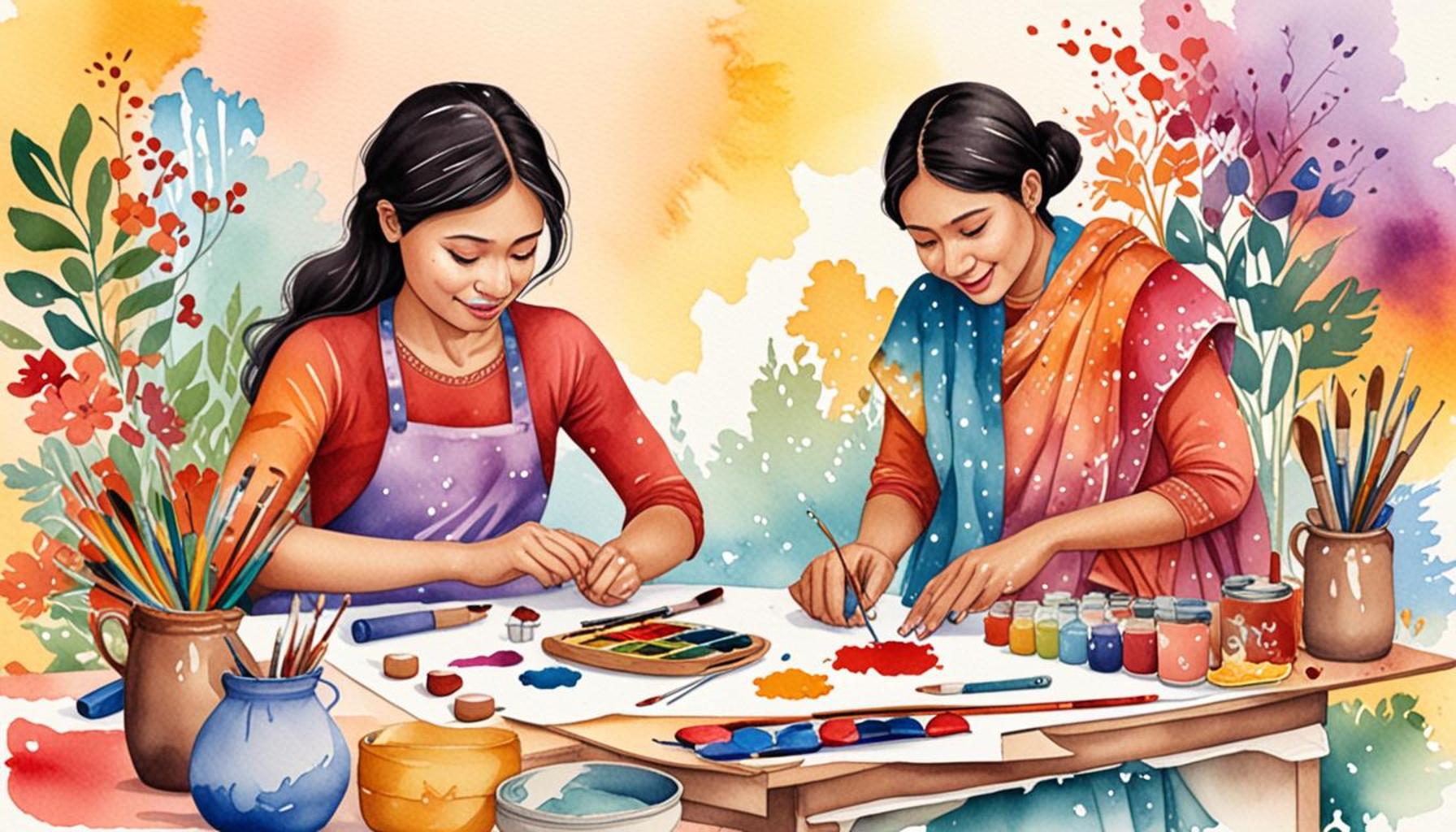
Craftsmanship and Sustainability: Ecological Practices for Conscious Creators

The Integration of Craftsmanship and Sustainable Practices
In a world increasingly driven by fast fashion and mass production, the appreciation for craftsmanship is more significant than ever. As creators seek to differentiate their work, a growing number are turning towards sustainable practices that honor both their materials and the planet. This shift reveals not only their dedication to artistry but also their commitment to environmental stewardship.
Craftsmanship today is not merely a display of skill; it embodies a broader philosophy centered around mindful choices. Key components of sustainable artistic practices have emerged in this context, including:
- Ethical sourcing of materials to minimize environmental impact. This involves using resources that are renewable, recycled, or otherwise obtained in a manner that maintains the ecological balance. For instance, artisans may choose bamboo, a fast-growing plant, as a sustainable alternative to traditional hardwoods.
- Waste reduction through innovative design and production techniques. Many creators are adopting a zero-waste philosophy, which encourages them to use every scrap of material. In the fashion industry, this has led to brands like Reformation, which designs clothing while ensuring minimal waste by utilizing fabric scraps in new collections.
- Utilizing local supplies to reduce carbon footprints and support local economies. Artisans are increasingly sourcing materials from regional suppliers, not just to lower transportation emissions but also to strengthen community ties. A potter in a small town may use locally harvested clay, embodying the spirit of place in every piece they create.
As ecological awareness rises, many artisans are incorporating these principles across various fields. Take woodworking, for example; furniture makers are increasingly opting for reclaimed wood from old barns or furniture, giving new life to materials that would otherwise end up as waste. Similarly, textile artists are exploring organic dyes, derived from natural sources such as indigo plants or avocado pits, thus avoiding the toxic chemical processes traditionally involved in dyeing fabrics.
This blend of sustainability and craftsmanship not only showcases talent but also fosters a deeper connection between creators and their communities. By prioritizing ecological considerations, artists are redefining their methods and motivations. In doing so, they raise awareness of environmental issues while encouraging consumers to think critically about their purchasing decisions.
As we delve deeper into this fascinating topic, the methods and motives behind conscious creation will reveal how artists are transforming their impact on the environment and society. Through this lens, we can appreciate not just the finished works of art but the narratives and ethical implications that resonate within them, prompting further exploration of how art can serve as a catalyst for change in our world.

DIVE DEEPER: Click here to uncover the secrets of plating
Reviving Traditional Techniques through Sustainable Innovation
As the dialogue around sustainability and craftsmanship evolves, many creators are revisiting traditional techniques while simultaneously innovating to reduce environmental harm. This paradigm shift illustrates not only a mastery of art forms but also a responsible approach to resource management. In sectors ranging from fashion to woodworking, creators are reimagining their craft to embrace a holistic view of production that values both quality and sustainability.
One way artisans are achieving this balance is through the revival of artisanal methods. By integrating time-honored practices with modern advancements, craftsmen can produce goods that are both unique and sustainable. For example, basket weavers in the United States are using locally harvested fibers not only to create functional art but to preserve biodiversity and traditional practices that have existed for centuries. Each piece tells a story, rooted in the materials and methods that shape it.
Furthermore, a keen interest in DIY (do-it-yourself) culture among millennials and Gen Z consumers has led to a resurgence in the appreciation of handcrafted goods. This demographic seeks authenticity and values the backstory of products they purchase, favoring artisanal over mass-produced items. In response, artisans are proudly sharing their processes—from the sourcing of materials to the creation of their products—thereby fostering transparency and trust with their consumers.
The circular economy is another crucial concept gaining traction within the realm of craftsmanship. This principle hinges on designing materials and processes to minimize waste at every stage of production. Artists and designers are aligning their work with these economic principles by:
- Creating modular designs that encourage reusability and adaptability. For example, jewelry makers are now crafting pieces that can be easily modified or updated, giving individuals the opportunity to refresh their look without discarding old items.
- Upcycling materials to give new life to products that may otherwise be considered useless. Some fashion brands have made headlines by turning discarded plastic bottles into stylish clothing, thereby not only preventing landfill waste but promoting a new vision for fashion sustainability.
- Implementing repairable designs, which empower consumers to fix rather than replace items. This leads to a significant reduction in waste, something that is essential in the fight against consumer throwaway culture.
In the context of fine art, painters and sculptors are also adopting sustainable practices. Many are choosing non-toxic paints and materials derived from natural sources, emphasizing health and safety alongside ecological concerns. This conscientious approach adds an additional layer of depth to their work, as the audience becomes aware of what is being used to create each piece.
As this movement towards conscious creation takes root across disciplines, the narrative surrounding craftsmanship is shifting from one of mere aesthetics to a profound consideration of the wider impact of artistic endeavors. Artisans are leading the charge to redefine what it means to create in today’s world, where each brushstroke, stitch, or sculpted form embodies a commitment to both environmental and social excellence.
| Advantage | Details |
|---|---|
| Environmental Impact | Utilizing sustainable materials reduces waste and conserves natural resources, making a significant impact on the environment. |
| Community Support | Investing in local artisans and makers strengthens local economies and fosters community relationships. |
| Aesthetic Quality | Handcrafted items often feature unique designs that convey a sense of personal connection and artistry. |
| Longevity | Products rooted in craftsmanship are generally more durable and long-lasting compared to mass-produced alternatives. |
Embracing the concept of craftsmanship and sustainability invites conscious creators to delve deeper into their practices. By prioritizing ecological methods, these artisans positively influence both their immediate environment and the broader community. The use of sustainable materials not only contributes to environmental conservation but also enhances the aesthetic and functional quality of products they create. This blend of responsibility and artistry leads to unique offerings on the market, captivating those who value authenticity in their purchases. Sustainability in craftsmanship reminds us that the choices we make as creators and consumers have lasting implications. When we authentically support eco-friendly practices, we pave the way for a future where creativity meets conscientious living, urging us all to explore further how our individual actions contribute to this vibrant movement.
DISCOVER MORE: Click here to learn about the impact of art on mental health
Designing with Intention: The Role of Material Selection
A pivotal aspect of sustainable craftsmanship lies in material selection. Artisans today are becoming increasingly mindful of the types of materials they choose, recognizing that this decision can significantly impact environmental sustainability. With a growing awareness of ecological issues, creators are seeking materials that are not only ethically sourced but also biodegradable or recyclable.
Consider the impact of bamboo as a material for various crafts. Renowned for its rapid growth and minimal resource requirements, bamboo is a sustainable alternative to traditional hardwoods. Furniture makers and textile designers in the U.S. are harnessing its versatility, creating durable and eco-friendly products that reflect a commitment to sustainability while also offering aesthetic appeal. This switch not only eases pressure on endangered forests but also provides consumers with stylish, ethical options.
Similarly, many artisans are turning to natural dyes derived from plants, minerals, and insects rather than synthetic alternatives. These natural substances not only reduce chemical usage but also minimize water pollution during the dyeing process. Craftspeople in the textile industry, for instance, are exploring color palettes that are derived directly from the environment, promoting a closer connection between their work and the natural world. With a rich history in indigenous cultures, natural dye techniques have been revived, allowing artists to blend tradition with a sustainable vision.
The Impact of Local Sourcing
In addition to mindful material choices, the practice of local sourcing plays an integral role in sustainable craftsmanship. By procuring materials from nearby suppliers, artisans can significantly reduce the carbon footprint associated with transportation. This practice not only supports local economies but also fosters a sense of community and shared responsibility among creators and consumers alike.
Woodworkers in the U.S., for example, are increasingly using reclaimed wood from old barns and factories, giving these materials a new life while preserving their rich history. By avoiding the need for new timber, artisans minimize deforestation and waste, demonstrating a commitment to sustainable practices that intuitively resonate with eco-conscious consumers. The character and beauty inherent in reclaimed wood can tell a story that new materials simply cannot match, imbuing each piece with a unique narrative.
The Role of Technology in Sustainable Craftsmanship
Technology also plays a vital role in facilitating sustainable practices in craftsmanship. 3D printing is pioneering new ways for creators to design and produce items with a significantly reduced environmental impact. For instance, some creators are utilizing 3D printing technology to create products from recycled plastics, merging advanced manufacturing techniques with sustainability goals. This innovative approach enables designers to experiment with forms and structures that were previously unimaginable, exemplifying how technology can lead to more sustainable practices while pushing creative boundaries.
The integration of technology extends to digital platforms where artisans can showcase their work and connect with consumers who value sustainability. Online marketplaces dedicated to handcrafted and sustainable goods offer creators the opportunity to reach a broader audience, promoting ethical consumption and raising awareness about the importance of supporting eco-friendly practices.
As the journey toward sustainability within the realm of craftsmanship unfolds, a collaborative spirit emerges, encouraging creators to share insights, tools, and techniques. By cultivating a community that prioritizes ecological responsibility alongside artistry, artisans are not just redefining their craft—they are reshaping the very foundations of consumer culture in a world increasingly eager for change.
DIVE DEEPER: Click here to explore the intersection of art and sustainability
Conclusion: Embracing a Sustainable Future in Craftsmanship
As we reflect on the intersection of craftsmanship and sustainability, it is clear that conscious creators are playing a pivotal role in shaping a more ethical and environmentally responsible future. The thoughtful selection of materials, such as bamboo and natural dyes, showcases a commitment not only to artistry but also to the nurturing of our planet. By prioritizing locally-sourced materials, artisans are not only reducing their carbon footprint but are also fostering closer-knit communities that champion collaboration and shared values.
With technological advancements like 3D printing, creators are now empowered to break traditional molds while still holding sustainability at the forefront. This innovative approach allows for the experimentation that can lead to the creation of unique, eco-friendly products that resonate with a growing environmentally-conscious consumer base. As the digital marketplace expands, the demand for handcrafted goods made with sustainable practices is stronger than ever.
Ultimately, as artisans unite in this commitment to ecological practices, they are not just redefining their craft but are also inspiring a cultural shift towards ethical consumption. This movement invites consumers to partake in a holistic approach to purchasing that values transparency, sustainability, and community. By supporting these conscious creators, individuals become part of a larger narrative—a narrative where creativity and sustainability can intertwine to forge a better future for generations to come.