
The Role of Handicrafts in Shaping Cultural Identity: How Regional Techniques Strengthen Communities
The Significance of Handicrafts in Shaping Cultural Identity
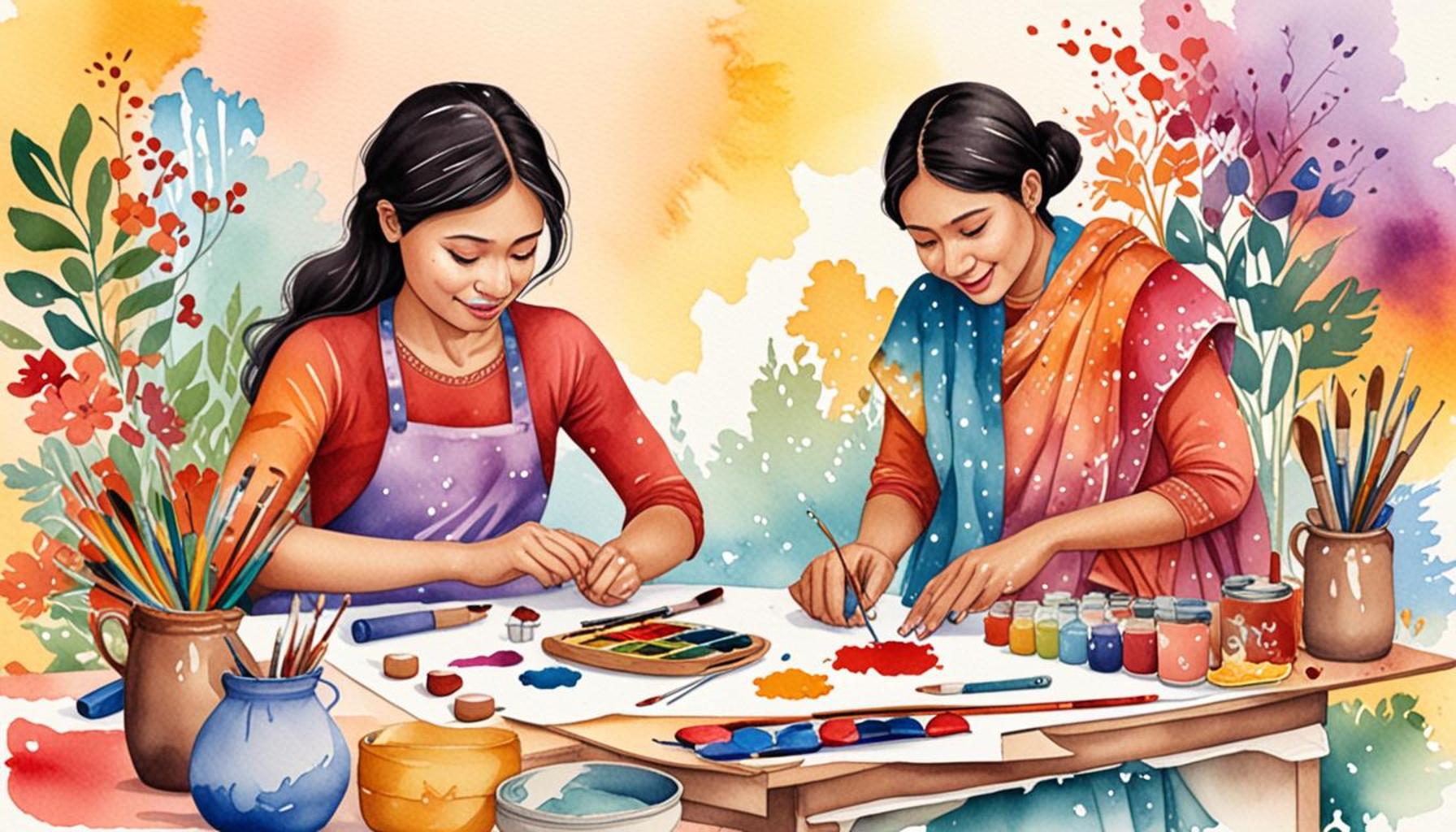
Handicrafts serve as a vibrant tapestry, intertwining the threads of history, tradition, and community. They are more than mere products; they act as symbols of cultural identity and heritage, reflecting the unique stories and values of the communities that create them. The distinct techniques and materials used in crafting these items not only convey artistic expression but also play a pivotal role in how communities perceive themselves and their heritage.
Artisanal Skills and Tradition
One of the key components of handicrafts is the transmission of artisanal skills, where knowledge and techniques are passed down through generations. This hands-on approach to learning fosters a connection to the past, as artisans often learn from family members or local elders. For example, the intricate art form of glass blowing practiced in West Virginia showcases not just skill but also a lineage of craftsmanship that has been nurtured over decades. Such traditions create a deep sense of pride among artisans, as their creations embody both personal and shared histories.
Fostering Community Engagement
Community engagement emerges organically among local artisans who collaborate on projects, share resources, or participate in workshops. This collaboration builds a sense of belonging and collective identity, as artisans often draw inspiration from their shared experiences and cultural narratives. An exemplary case is the cooperative network of quilters in the Southeastern United States, where quilting bees serve as social gatherings that foster community spirit while creating beautiful, functional art. These collective efforts also help promote local cultural events, enhancing community visibility and pride.
Boosting Local Economies
Beyond cultural significance, handicrafts play a crucial role in economic sustenance. They can elevate local economies by attracting tourism and facilitating trade. Annual arts and crafts fairs, such as the ones held in Santa Fe, New Mexico, not only showcase local artisans but also attract visitors eager to purchase unique, handcrafted items. This influx of tourism helps sustain the local economy and encourages younger generations to take up traditional crafts.
Celebrating Regional Diversity
In the United States, diverse cultures utilize regional techniques, each contributing to a rich national mosaic. For instance, traditional Native American beadwork is not just an aesthetic craft; it tells intricate stories of ancestry, spirituality, and community values. Likewise, Appalachian quilting, with its unique patterns and vibrant fabrics, encapsulates shared experiences amongst communities, highlighting the importance of collective memory and identity.
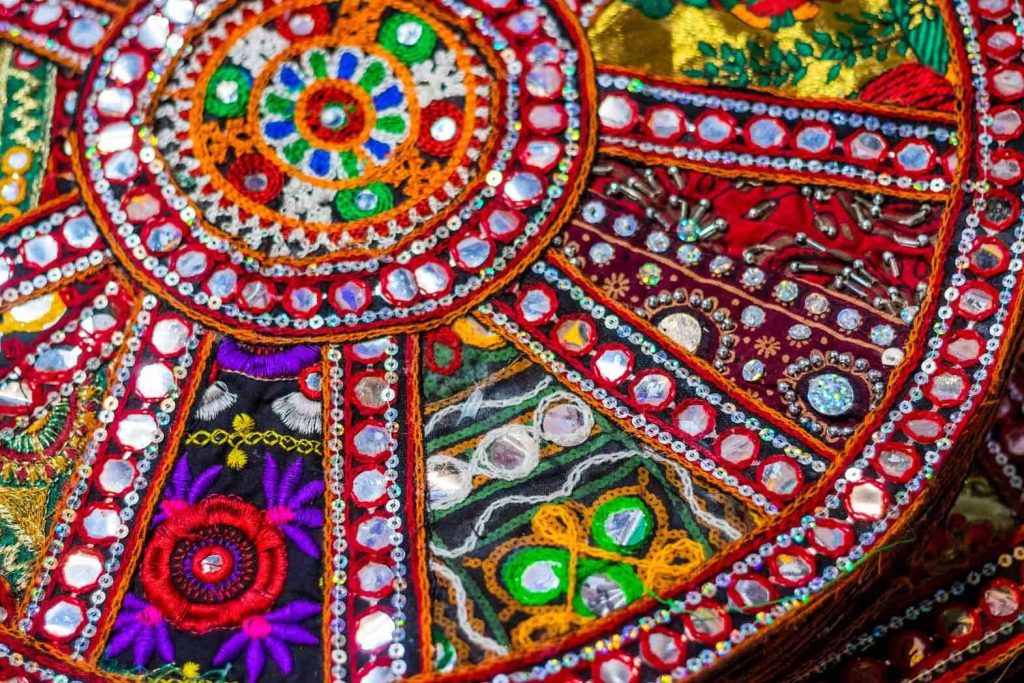
As we delve into the relationship between handicrafts and cultural identity, we uncover how these regional techniques serve to not only preserve traditions but also fortify community bonds. The dynamic power of handicrafts in fostering a sense of belonging and pride invites us to look closer at the artistry that surrounds us. As you explore your own community, consider the stories behind the crafts that speak to the heart of your cultural identity, urging you to appreciate and perhaps even partake in these valuable traditions.
DISCOVER MORE: Click here to dive into global flavors
The Enduring Connection between Craftsmanship and Cultural Heritage
Handicrafts are a testament to the enduring connection between craftsmanship and cultural heritage, acting as a bridge that links past to present. Each handcrafted item is a physical manifestation of community narratives, skillfully woven into the very fabric of cultural identity. The variety of techniques employed—ranging from pottery and weaving to wood carving and metalwork—highlights the rich tapestry of regional traditions found across the United States. This diversity not only represents aesthetic differences but also encapsulates the climates, resources, and histories that have shaped these techniques over time.
Techniques as Cultural Narratives
Each regional technique holds a story, a reflection of the local environment and community experiences. For example, the ceramics techniques of the Pueblo peoples in New Mexico rely on locally sourced materials and time-honored firing methods, serving both practical and ceremonial purposes. These intricate designs often incorporate symbolic motifs, drawing from indigenous traditions that span centuries. Similarly, the basket weaving techniques of the Cherokee illustrate the use of natural resources available in the Appalachian region, creatively repurposing materials such as reeds and grasses into functional art forms. These regional techniques not only celebrate the skill of individual artisans but also reinforce the shared cultural heritage of the communities that produce them.
Empowering Women and Marginalized Groups
Handicrafts also serve as an empowering tool for women and marginalized groups within communities. Historically, many craft traditions have been passed down through female kinship lines, providing women a platform to express their creativity and maintain economic independence. For instance, the traditional rug weaving practices of Navajo women not only preserve cultural identity but also create opportunities for economic empowerment in a rapidly changing world. As these artisans promote their work, they reinforce community bonds while challenging gender norms and highlighting the integral role of women in maintaining cultural traditions.
Creating Lasting Connections through Education
The educational aspects of handicrafts cannot be overlooked, as they provide invaluable opportunities for cultural transmission. Workshops, demonstrations, and apprenticeships allow younger generations to learn from experienced artisans, ensuring that techniques are not lost to time. Communities often engage in revitalization projects, inviting youth to participate in craft-making events that foster appreciation and pride for their cultural heritage. These educational initiatives create an intergenerational dialogue that strengthens community identity and encourages a deeper understanding of local history.
- Handicrafts reflect local environments and cultural histories.
- Regional techniques foster empowerment for marginalized groups.
- Educational initiatives ensure the preservation of artisanal skills.
Thus, the role of handicrafts in shaping cultural identity extends beyond individual artistry. It strengthens the bonds that hold communities together, empowering artisans to share their cultural narratives with the world. By celebrating these regional techniques, we uncover the profound interconnectedness of culture, history, and community, urging us all to recognize and engage with the stories woven into the fabric of our lives.
| Category | Benefits |
|---|---|
| Cultural Preservation | Handicrafts safeguard traditional techniques, passing them to future generations, thereby ensuring that unique regional identities are maintained. |
| Community Empowerment | Local artisans gain financial independence through handicraft sales, creating sustainable economies that empower communities on multiple levels. |
| Tourism Revenue | Handcrafted goods attract tourists, boosting local economies and showcasing the cultural diversity of the region. |
| Cultural Exchange | Artisans share their techniques with outsiders, fostering a deeper understanding and appreciation of cultural identities across communities. |
The second part focuses on the broader impacts of handicrafts on cultural identity and community dynamics. Firstly, handicrafts play a pivotal role in cultural preservation; they hold traditional techniques that define a region’s identity, making it crucial for artisans to pass this knowledge down through generations. This continuity not only honors the past but also fuels community pride.Another significant benefit is community empowerment. When local artisans transform their skills into a source of income, they gain financial independence, which can help reduce poverty. The sale of handicrafts often leads to the establishment of cooperatives, where artisans collaborate, share resources, and improve their livelihoods collectively.Moreover, regional handicrafts serve as a magnet for external interest, generating tourism revenue. Tourists flock to areas known for their unique crafts, providing a boost to local economies and encouraging further cultural dissemination. Lastly, handicrafts facilitate cultural exchange, allowing artisans to communicate their stories, techniques, and traditions to visitors. This exchange broadens understanding and appreciation of diverse cultural identities, leading to deeper community relationships and global connections.
DIVE DEEPER: Click here to uncover the benefits of music education
Crafting Economic Opportunities in Local Communities
Handicrafts also play a pivotal role in fostering economic development within communities, serving as both a source of livelihood and a means of cultural expression. The production of handcrafted goods often encourages the establishment of small businesses, local markets, and cooperatives that not only sustain artisans but also invigorate local economies. For instance, the textile industry in Oaxaca, Mexico, which is characterized by its vibrant color palettes and intricate designs, has drawn attention from international buyers, thus creating jobs and supporting local artisans. This economic boost enables communities to maintain their traditional practices while adapting to contemporary market demands.
The Role of Tourism in Handicraft Revitalization
Tourism is another avenue that enhances the value of handicrafts, as visitors seek authentic cultural experiences while traveling. The promotion of artisanal markets and craft fairs showcases local handiwork, allowing artisans to directly engage with consumers and tell their stories. Events like the Santa Fe Indian Market, which attracts thousands of visitors each year, not only celebrate Indigenous art forms but also provide a platform for economic empowerment. These markets create a marketplace for cultural exchange and reinforce community bonds as artisans share their heritage with tourists. Additionally, the influx of tourism revenue can support local initiatives aimed at preserving endangered craft traditions.
Preserving Techniques through Innovation
While rooted in tradition, many artisans are also innovating to keep their crafts relevant in a modern context. The fusion of traditional techniques with contemporary design has led to the emergence of new styles that appeal to broader audiences. For example, artisans in New England have begun to integrate modern aesthetics into traditional woodworking, creating functional yet artistic pieces that resonate with younger consumers. This blend of old and new not only preserves vital techniques but also champions creativity, allowing artisans to navigate contemporary economic landscapes while ensuring cultural narratives remain relevant.
Environmental Sustainability and Craftsmanship
A notable aspect of many regional handicrafts is their alignment with sustainable practices. Many artisans source raw materials locally and often prioritize natural or recycled resources, which reduces carbon footprints while also respecting tradition. For instance, the usage of reclaimed wood in artisanal furniture making not only emphasizes craftsmanship but also aligns with growing consumer demand for sustainable products. This environmentally conscious approach to craft strengthens community ties by promoting shared values around sustainability, fostering a sense of stewardship for both cultural and natural resources.
- Handicrafts enhance local economies and create job opportunities.
- Tourism promotes artisanship and cultural exchange.
- Innovation keeps traditional techniques relevant in contemporary markets.
- Sustainability in materials strengthens community values.
Through these interconnected pathways, handicrafts are more than mere products; they represent cultural narratives that drive economic development, foster innovation, and promote sustainability within communities. The artistry found in regional techniques serves as a reminder of the resilience of cultural identity and its potential to unite people in a shared heritage and collective future.
DISCOVER MORE: Click here to elevate your plating skills
Conclusion: Weaving the Fabric of Cultural Heritage
Handicrafts serve as a dynamic conduit for cultural identity, infusing communities with a unique sense of belonging and purpose. As highlighted throughout this article, the intricate relationship between traditional craftsmanship and regional techniques plays a vital role in sustaining local economies and preserving cultural heritage. Beyond mere economic benefits, handicrafts foster a sense of pride and continuity, allowing artisans to tell their stories through every crafted piece.
The interplay of tourism and artisanal craftsmanship not only enhances cultural exchange but also rejuvenates communities by providing a global platform for local artisans. Events like local craft fairs and cultural markets do not just promote economic opportunities; they embody a celebration of heritage and a means of connecting past and present traditions. Additionally, the integration of innovative designs with traditional techniques showcases the resilience and adaptability of artisans, ensuring that their crafts remain relevant while honoring their ancestry.
Moreover, as consumers increasingly seek sustainable products, the environmentally conscious practices of many artisans highlight how handicrafts contribute to a collective stewardship of both cultural and natural resources. By promoting a sustainable approach to crafting, communities can strengthen their values around heritage and environmental responsibility.
In summary, the role of handicrafts transcends mere artistry; they are a vibrant tapestry of cultural identity that unites communities while paving the way for future generations. As we recognize the importance of these traditional techniques, we invite you to explore local artisans, support their endeavors, and engage in the rich narratives that shape our shared cultural landscape.