The Influence of Handicrafts on Cultural Traditions: Preserving Stories Through Creation
Exploring the Depths of Handicrafts
Handicrafts are not mere products of ingenuity; they represent a fascinating synthesis of art, history, and identity. Each piece, from a handcrafted ceramic vase to a meticulously sewn quilt, encapsulates the essence of the culture from which it originates. This intricate tapestry of handmade items weaves together stories and traditions that echo through generations, serving as a testament to the skills and values of those who came before us.
Pottery and Ceramics
In the realm of pottery, Indigenous tribes across the United States, such as the Hopi and Pueblo peoples, create pieces that carry deep cultural significance. Each design and form often contains symbols that represent a tribe’s spiritual beliefs or historical moments. For example, the intricate black-on-black pottery of Maria Martinez from New Mexico isn’t just aesthetically pleasing; it tells stories of resilience, artistry, and a commitment to preserving heritage. Visitors to art galleries or Native American craft fairs can often find these treasures, encouraging an appreciation for both the functionality and the artistry of each piece.
Textiles
The art of textiles, especially quilt-making, serves as another poignant example of how handicrafts reflect cultural narratives. Quilts, particularly those created by African American women during the 19th and early 20th centuries, are more than simple bed coverings. They often incorporate patterns and colors that symbolize journeys toward freedom and self-expression. The “Underground Railroad Quilt” is said to have illustrated secret messages, guiding those seeking freedom. Today, quilting bees and community workshops act not only as platforms for skill-sharing but also as cultural gatherings that reinforce community bonds and storytelling traditions.
Woodworking
Handmade furniture reflects both the natural resources of a region and the historical narrative of its people. Craftsmen in places like Pennsylvania, known for its rich tradition of woodworking, create exquisite pieces that showcase quality craftsmanship and local woods such as oak or cherry. These artisans often use techniques passed down through generations, ensuring that not only the skill but also the stories associated with each creation continue to thrive. For instance, Pennsylvania Dutch furniture often includes symbols that represent blessings for the home, thereby creating a connection between the object and its cultural roots.
The world of handicrafts acts as a living museum, where each item carries a piece of history and emotion. Whether it is through the tactile experience of a handmade quilt, the visual appeal of unique pottery, or the sturdy construction of crafted furniture, these objects serve as cultural vessels. By engaging with these artisanal forms, one can explore the myriad stories and traditions that shape personal and communal identities.
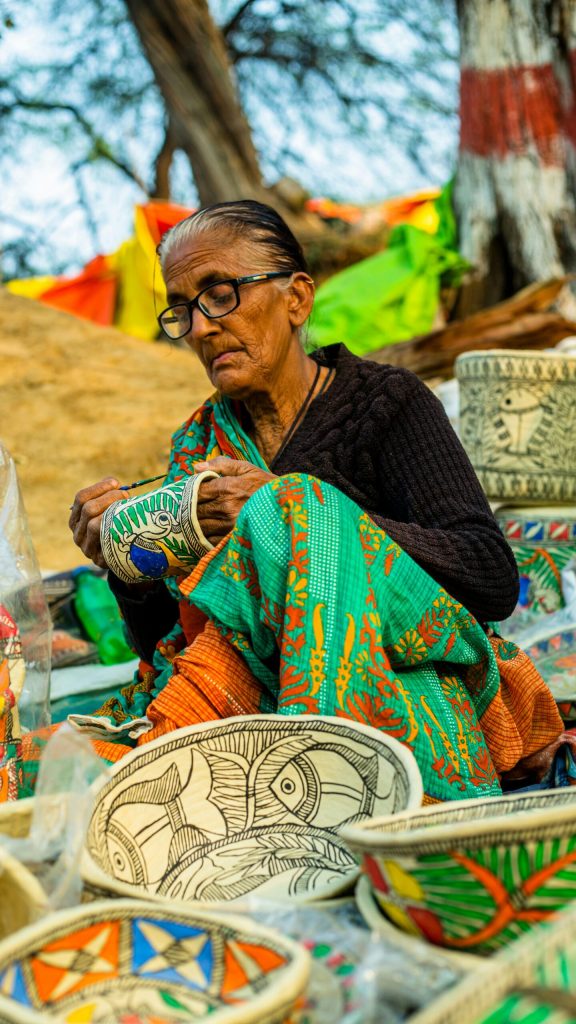
Understanding the influence of handicrafts on our cultural traditions not only enriches our appreciation for these art forms but also highlights their crucial role in preserving cultural narratives. As we uncover the significance behind each creation, we gain insights into the interconnected threads of history, identity, and artistry that bind us together as a society. Join us on this journey into the captivating world of handicrafts and discover how they continue to shape our understanding of culture and community.
DISCOVER MORE: Click here to learn about music’s role in stress relief
The Power of Handicrafts in Cultural Storytelling
Handicrafts possess an extraordinary ability to convey and preserve cultural traditions, acting as a bridge between the past and the present. Through various media – from weaving to painting – artisans not only express their creativity but also encapsulate the values, beliefs, and stories inherent in their communities. This transmission of knowledge and history through creativity gives handicrafts a unique role in cultural preservation, allowing generations to connect through shared narratives.
The Role of Storytelling in Handicrafts
Handicrafts often encompass tales that are essential to the identity of individuals and collective communities. Each handmade piece can evoke powerful memories and experiences, creating a dialogue between the artist and the beholder. For instance:
- In Native American beadwork: colors and patterns represent tribal affiliations and historical stories of bravery.
- In Irish knitwear: each stitch in a cable knit sweater tells the story of the fisherman and the struggles of coastal life.
- In Guatemalan textiles: unique designs often narrate myths and legends passed down through generations, showcasing the history of the Mayan people.
These examples manifest how the act of creation becomes a method of storytelling, allowing artisans to claim their identity while inviting others to share in their cultural legacy. Handicrafts, therefore, are not merely aesthetic; they serve as vessels of meaning that reflect the life experiences, struggles, and joys of specific communities.
Empowerment through Craft
Moreover, the production of handicrafts can empower artisans both economically and artistically. Craftspeople often belong to marginalized communities where opportunities for economic growth are limited. By participating in the handicraft industry, these individuals advocate for their culture and secure an income that supports their families. This empowerment extends beyond economic stability; artisans often become ambassadors of their cultural heritage, sharing their stories and teaching their crafts to others. Schools, workshops, and community gatherings regularly emphasize these traditions, renewing interest and investment in the cultivation of skills that may have otherwise faded away.
As societies become increasingly fast-paced and technology-driven, maintaining a connection with traditional handicrafts is more important than ever. In a world that often prioritizes mass production, handicrafts serve as a reminder of the value of individual stories and cultural narratives. By engaging in handicrafts, communities nurture their history while fostering respect for diverse artistic expressions. Through these creations, cultural traditions endure, adapting and evolving while remaining firmly anchored in their roots.
Understanding the interplay between handicrafts and cultural storytelling opens doors for deeper appreciation and exploration. These handmade objects not only tell stories but also serve as examples of resilience, creativity, and the unwavering human spirit. Join us as we delve deeper into the various forms of handicrafts and uncover the rich traditions they uphold, illustrating the profound influence they have on our cultural landscape.
| Category | Description |
|---|---|
| Cultural Identity | Handicrafts are a reflection of a community’s values, beliefs, and history. |
| Storytelling | Each crafted item tells a story, revealing ancient traditions that shape a culture. |
| Skill Preservation | Handicrafts contribute to the preservation of traditional skills and techniques passed down through generations. |
| Community Bonding | Engaging in handicraft activities fosters connections among community members, enhancing social cohesion. |
Handicrafts create a rich tapestry of cultural history, allowing communities to express their identity through creation. Each piece not only serves a functional purpose but also encapsulates the narratives, traditions, and experiences that define a culture. The ability to hear the stories behind each handcrafted item provides deeper insight into the community’s past and present.Moreover, through the act of creation, craftsmen and women uphold traditional techniques that might otherwise fade away. The practice of passing these skills down through generations is vital for cultural sustainability, ensuring that future generations can appreciate and learn these invaluable stories and methods.Handicrafts also strengthen community ties, imbuing a sense of belonging and shared heritage. Participating in such communal activities unites individuals and reinforces their cultural bonds, fostering an environment where stories are not just preserved, but vibrantly alive. Each handcrafted item continues to be a vessel for expression, connecting the present to the past in a harmonious blend of artistry and tradition.
DISCOVER MORE: Click here to learn how to incorporate local and organic ingredients into your meals</
The Impact of Handicrafts on Modern Cultural Identity
As the global landscape becomes increasingly homogenized through globalization, the role of handicrafts in preserving cultural identities gains heightened significance. Handicrafts are not only a reflection of aesthetic values but also a means through which communities express their unique diversity. In the United States, for instance, the revival of traditional crafts such as pottery, woodworking, and textile arts can be closely linked to the burgeoning interest in local and artisanal products that celebrate heritage and authenticity.
Handicrafts as Cultural Preservation Tools
In addition to economic sustenance, handicrafts serve as critical tools for cultural preservation. Many indigenous groups in the U.S., including the Navajo Nation and the Hopi Tribe, utilize craft-making as a way to sustain their cultural traditions and pass them on to younger generations. The Navajo art of weaving, particularly in creating intricate rugs, encapsulates both practical and spiritual narratives. Each weaving session becomes a ritual that fosters social bonds and transmits age-old wisdom, often drawing on stories from their ancestors. This act of creation not only preserves their heritage but also affirms their identity in a rapidly changing world.
Revitalization of Community Through Craft
Handicrafts also reinvigorate community ties, fostering collaborations and encouraging local pride. Community centers and cooperatives have sprung up across the U.S. offering workshops on skills ranging from traditional quilt-making to glassblowing. For example, the Appalachian crafts community engages residents through craft fairs and collective workshops, which serve as platforms for dialogue and storytelling. These gatherings enable artisans to share experiences and techniques, thereby fostering a collaborative spirit that strengthens cultural ties and showcases the region’s rich heritage.
Moreover, these craft-based initiatives often highlight sustainable practices aimed at preserving the environment while upholding traditional techniques. The emphasis on using locally sourced materials and ancient methods not only sustains the culture but also educates consumers about ethical consumption practices. Through workshops and curated markets, artisans advocate for authenticity and sustainability in a world often dominated by mass-produced goods.
Social Media: Amplifying Craft Narratives
In the digital age, social media platforms play a crucial role in amplifying the stories behind handicrafts. Artisans can now reach a global audience, inviting appreciation for their work while providing insight into their cultural roots. Instagram and Pinterest have become important arenas where craft narratives unfold visually. Even marketplaces like Etsy serve as platforms where local craftspeople can share the cultural significance of their creations, drawing attention to traditional techniques and materials.
This newfound visibility contributes to a growing appreciation of handicrafts, encouraging consumers to engage consciously with their purchases. The hashtag culture surrounding handmade items fosters a community of like-minded individuals who seek to support the preservation of cultural heritage through their buying choices, rekindling interest in traditional crafts among newer generations.
As we explore the multifaceted impact of handicrafts on cultural traditions, it becomes evident that these creations are more than mere objects; they are embodiments of cultural stories and identities that demand to be understood and celebrated. The intertwining of artistry and heritage through handicrafts makes a compelling case for the importance of preserving these narratives for the future.
DISCOVER MORE: Click here for insights on enhancing literary skills
Conclusion: The Legacy of Handicrafts in Cultural Traditions
The profound influence of handicrafts on cultural traditions cannot be overstated. As mediums of expression, these artisan creations not only reflect aesthetic sensibilities but serve as vital conduits for storytelling and preserving cultural heritage. In an era marked by rapid globalization, the significance of local crafts is reinforced; they encapsulate the essence of community identities and foster genuine connections through shared practices.
Handicrafts are instrumental in nurturing a sense of belonging, particularly within indigenous and local communities. Through practices such as weaving, pottery, and textile arts, artisans maintain the lived experiences and narratives handed down through generations. This process of creation and transmission is crucial for ensuring cultural longevity, allowing younger generations to engage with their roots and embrace their heritage.
Moreover, as interest in sustainably crafted goods continues to rise, particularly with the backdrop of ethical consumerism, handicrafts become more than simple products; they stand as testaments to resilience, storytelling, and cultural pride. The role of social media in amplifying artisans’ narratives bridges gaps between consumers and craftspeople, enabling a broader appreciation for traditionally rooted practices while fostering respectful interactions with cultural narratives.
Ultimately, investing in and engaging with handicrafts is a commitment to celebrating diversity and preserving the intricate tapestry of human stories. By embracing these creations, we not only honor the artisans themselves but also contribute to a vibrant future where cultural traditions are cherished, sustaining stories that transcend time and connect us all.