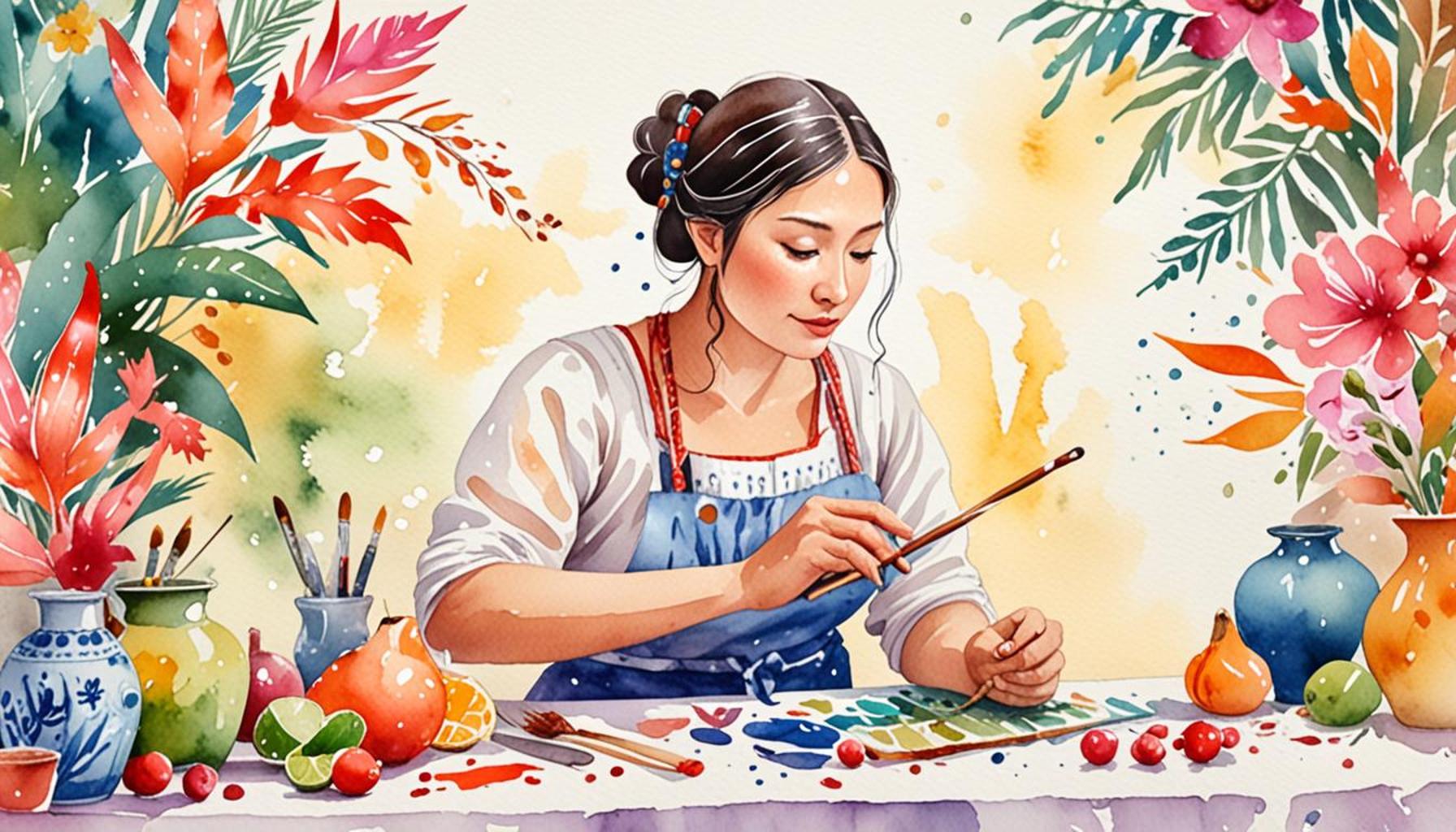
Emerging Trends in Craftsmanship: The Renaissance of Traditional Techniques in the Digital Age

Rediscovering Craftsmanship
In a world dominated by rapid technological advancements, a surprising movement is blossoming. Craftsmanship is finding its footing again as artisans embrace traditional techniques often overshadowed by modern methods. This revival is not merely a trend; it signals a fundamental shift in consumer values and aspirations, reflecting a collective yearning for authenticity and connection.
The craftsmanship renaissance can be traced back to a growing awareness of the implications of mass production and consumerism. Today’s consumers are increasingly seeking items that tell a story, fostering a personal connection to the objects they own. This desire has given rise to several notable trends:
- Handmade Goods: Unique products crafted by skilled artisans serve as a stunning contrast to the impersonal nature of mass-produced items. For example, handmade pottery from a local artist or handcrafted shoes made from ethically sourced leather not only express individuality but also support local economies.
- Local Sourcing: A focus on using regional materials fosters community and sustainability. Artisans are embracing locally sourced materials, whether it’s wood from sustainable forests in the Pacific Northwest or textiles dyed with natural pigments in New England, enhancing the authenticity and environmental footprint of their creations.
- Fusion Techniques: Innovatively blending old methods with new technology has brought forth exciting possibilities. One notable example is a vibrant trend in woodworking, where artisans marry traditional hand-carving techniques with modern tools like laser cutters and CNC machines to create intricate designs that push the boundaries of artistry.
Across the United States, artisans are rediscovering age-old practices, revitalizing them within the context of today’s digital landscape. Social media platforms serve as vital tools for showcasing their work, allowing customers to connect directly with the creators. By sharing their creative processes online, artisans foster communities that appreciate the value of craftsmanship over convenience.
As this movement gains momentum, both seasoned craftsmen and newcomers collaborate, sharing skills and knowledge that elevate craftsmanship into a new era. Workshops, maker fairs, and local markets are becoming hotspots for enthusiasts to explore these crafts firsthand, enhancing the individual’s creative journey and fostering a sense of community.
Join us as we explore the intricate dance between tradition and innovation. With determination and passion, artisans are not merely preserving their crafts; they are revitalizing them for a contemporary audience eager for authenticity.

DIVE DEEPER: Click here to unlock your creative potential
Craftsmanship as a Response to Consumer Consciousness
As the digital age continues to transform lifestyles and consumer trends, a *renewed appreciation for craftsmanship* has emerged, providing a refreshing counter-narrative to the relentless pace of modern production. This rebirth extends beyond mere aesthetics; it embodies a thoughtful response to consumer consciousness that champion authenticity, sustainability, and localized production. The resurgence of traditional techniques is not only about the tactile appeal of handcrafted goods but also a deep-seated desire for a more meaningful connection between creator and consumer.
One of the key highlights of this craftsmanship movement is the rising demand for artisan goods. Consumers across the United States are increasingly drawn to unique items that express individuality and creativity. They crave products with a narrative—stories that resonate with values of compassion and care. Artisans are meeting these needs by utilizing time-honored techniques to create one-of-a-kind items, ranging from bespoke furniture to intricate jewelry. This burgeoning market fosters personal connections that mass-produced items often lack, creating a dynamic space where artisans can thrive and consumers can engage meaningfully.
Moreover, the shift towards local sourcing has redefined notions of craftsmanship and community. Understanding the environmental impact of consumer choices, many artisans are choosing materials sourced from their immediate environment. For instance, a weaver in Vermont may use locally sourced wool, while a ceramicist in Santa Fe might incorporate minerals from the surrounding landscape into their glazes. Not only does this practice support local economies, but it also enriches the authenticity of their crafts, allowing consumers to form a relationship with the land that produces the materials in their homes.
- Sustainability Practices: Artisans are also implementing sustainable practices by minimizing waste and exploring eco-friendly alternatives, such as biodegradable dyes or reclaimed wood, further enhancing the appeal of their creations.
- Storytelling through Craft: Artisans are sharing their narratives—often through social media platforms—highlighting the journey behind each piece, which captures consumer interest and fosters a community of enthusiasts.
- Skill Sharing: Many artisans are offering workshops and classes to pass down their skills, promoting appreciation for craftsmanship while building a budding community centered around traditional techniques.
The rise of e-commerce combined with social media has also significantly amplified the visibility of artisanal crafts. Platforms like Instagram and Etsy have become launching pads for aspiring artisans to connect with broader audiences, enabling them to showcase both their handiwork and the stories behind their crafts. As a result, consumers are not just purchasing items; they are investing in experiences and relationships that transcend the transaction, creating a more profound appreciation for handcrafted goods.
As this movement flourishes, it invites both seasoned artisans and aspiring makers to explore the delicate dance of tradition and modern innovation. The convergence of these worlds promises a future where craftsmanship remains not only a thriving industry but an expression of identity, autonomy, and sustainability.
Rediscovering Traditional Techniques
In an age where mass production often overshadows artisanship, there has been a notable resurgence in the appreciation of traditional craftsmanship. This renaissance is characterized by a growing recognition of the significance of skills passed down through generations. The digital age has provided a unique platform for this revival, allowing artisans to reach broader audiences through e-commerce and social media. Accessible online tutorials and workshops have also fostered skill-sharing, enabling a new generation to learn and cherish these invaluable techniques.
The Role of Sustainability
Another key advantage in the resurgence of traditional craftsmanship is the profound emphasis on sustainability. As consumers become increasingly aware of their environmental impact, many are seeking products that are not only responsibly made but also crafted to last. Traditional techniques often use sustainable materials and practices, aligning themselves with the modern demand for eco-friendly products. This not only preserves resources but also fosters a deeper connection between the artisan and the end product.
The Fusion of Old and New
Today’s artisans are not just replicating the past; they are innovating within it. The fusion of old techniques with modern technology has birthed unique creations that cater to contemporary tastes. Makers are using digital tools to enhance their craft, whether through precision cutting with CNC machines or integrating digital design into traditional formats. This blend not only retains the essence of craftsmanship but also pushes the boundaries of creative expression.
| Category | Advantages |
|---|---|
| Cultural Identity | Promotes connection to heritage and traditions. |
| Quality | Products often exhibit superior craftsmanship and durability. |
Global Influence
The global exchange of ideas facilitated by the internet has also played a crucial role in this revival. Artisans are not only local but also part of a worldwide community where techniques and styles can intermingle and evolve. This cross-cultural exchange enriches the craftsmanship landscape, leading to innovative approaches that respect tradition while embracing the future.
EXPLORE MORE: Click here to unleash your creativity
The Intersection of Technology and Traditional Craft
The revival of craftsmanship in the digital age represents an intriguing fusion of traditional techniques and contemporary technology. As artisans breathe new life into time-honored practices, innovative tools are becoming integral to their workflows, allowing them to enhance their creations without compromising authenticity. This intersection highlights how technology can serve as an ally rather than a foe in the preservation of heritage skills.
For instance, many artisans are utilizing 3D printing to develop prototypes of their designs while still relying on handcrafting methods for the final product. This hybrid approach enables creators to explore intricate designs and reduce wastage during their creative processes. A woodworker might draft their furniture pieces digitally using CAD (Computer-Aided Design) software, but they will ultimately shape and finish the piece by hand, ensuring that it retains the unique qualities of traditional craftsmanship.
Another fascinating trend is the rise of smart tech in crafting. Artisans are integrating technology into their production processes to enhance functional aspects of their work while still keeping the heart of handcrafted appeal. For example, a pottery maker might employ smart kilns that offer real-time feedback and control over firing temperatures, enabling them to achieve precision in their ceramic creations while maintaining artistic integrity.
Moreover, the growing popularity of DIY (do-it-yourself) culture has played a significant role in the craftsmanship renaissance. Online platforms, especially YouTube and TikTok, provide vast resources for aspiring makers, allowing them to learn traditional skills from the comfort of their homes. Many creators share step-by-step tutorials that simplify complex techniques, igniting interest in crafting and nurturing a community of enthusiasts eager to engage with traditional processes.
- Online Marketplaces: The success of platforms like Etsy and Shopify has enabled artisans to reach global audiences, providing a digital storefront for handmade goods that was previously unavailable.
- Social Media Influence: Artisan creators are leveraging social media to showcase their processes and finished goods, creating a narrative that resonates with consumers eager to appreciate the journey behind a product.
- Community Building: The digital realm facilitates the formation of communities based on shared interests, allowing artisans to connect, collaborate, and even co-create, enriching their practice and encouraging the sharing of knowledge and techniques.
Crucially, this blend of old and new also addresses sustainability, as technology allows artisans to optimize their practices for environmental considerations. For example, digital fabricators can minimize waste by developing efficient production methods, while eco-conscious artisans can emphasize the use of alternative, sustainable materials in their works. In this way, technology emerges not merely as a tool but as a means to deepen the commitment to sustainable craftsmanship, paving the way for future generations.
The embrace of both tradition and technology signifies a pivotal moment in artisan practice, where the hand and the machine coalesce to produce evocative pieces that speak both to the past and the present. As we continue to witness this remarkable evolution, the dance between heritage techniques and modern innovation invigorates the artistic landscape, ensuring that craftsmanship flourishes in the digital age.
DISCOVER MORE: Click here for more insights
Conclusion
In conclusion, the renaissance of traditional craftsmanship in the digital age epitomizes a remarkable evolution where history and innovation intersect. Artisans are not only preserving their cultural heritage but are also embracing emerging trends that enhance their craft. The seamless integration of technology—from 3D printing to smart tools—fuels creativity while maintaining the authenticity of handcrafted artistry. This dynamic relationship showcases how artisans can explore complex designs and achieve unprecedented precision, all while honoring their time-honored techniques.
The growth of the DIY culture has also democratized access to craftsmanship, pulling in countless individuals eager to learn and engage. Platforms like YouTube and Etsy serve as vital resources and marketplaces that connect artisans with a global audience, fostering collaboration and community. As a result, the artisanal landscape continues to thrive, enriched by the sharing of knowledge and skills across diverse demographics.
Moreover, the commitment to sustainability in crafting not only reflects a growing awareness of environmental impact but also sets a precedent for future generations. Artisans are increasingly prioritizing eco-friendly practices, demonstrating that modern craftsmanship can be both artistic and responsible.
Ultimately, as we stand on the brink of this new age of craftsmanship, the harmonious blend of tradition and technology promises to invigorate the artistic realm, inviting both makers and consumers to appreciate the beauty and significance of handcrafted works. By championing the legacy of traditional techniques while embracing the possibilities of innovation, we can ensure that the art of craftsmanship continues to flourish for years to come.