The Intersection of Craftsmanship and Technology: Innovation in the Creative World
Redefining Creativity through Collaboration
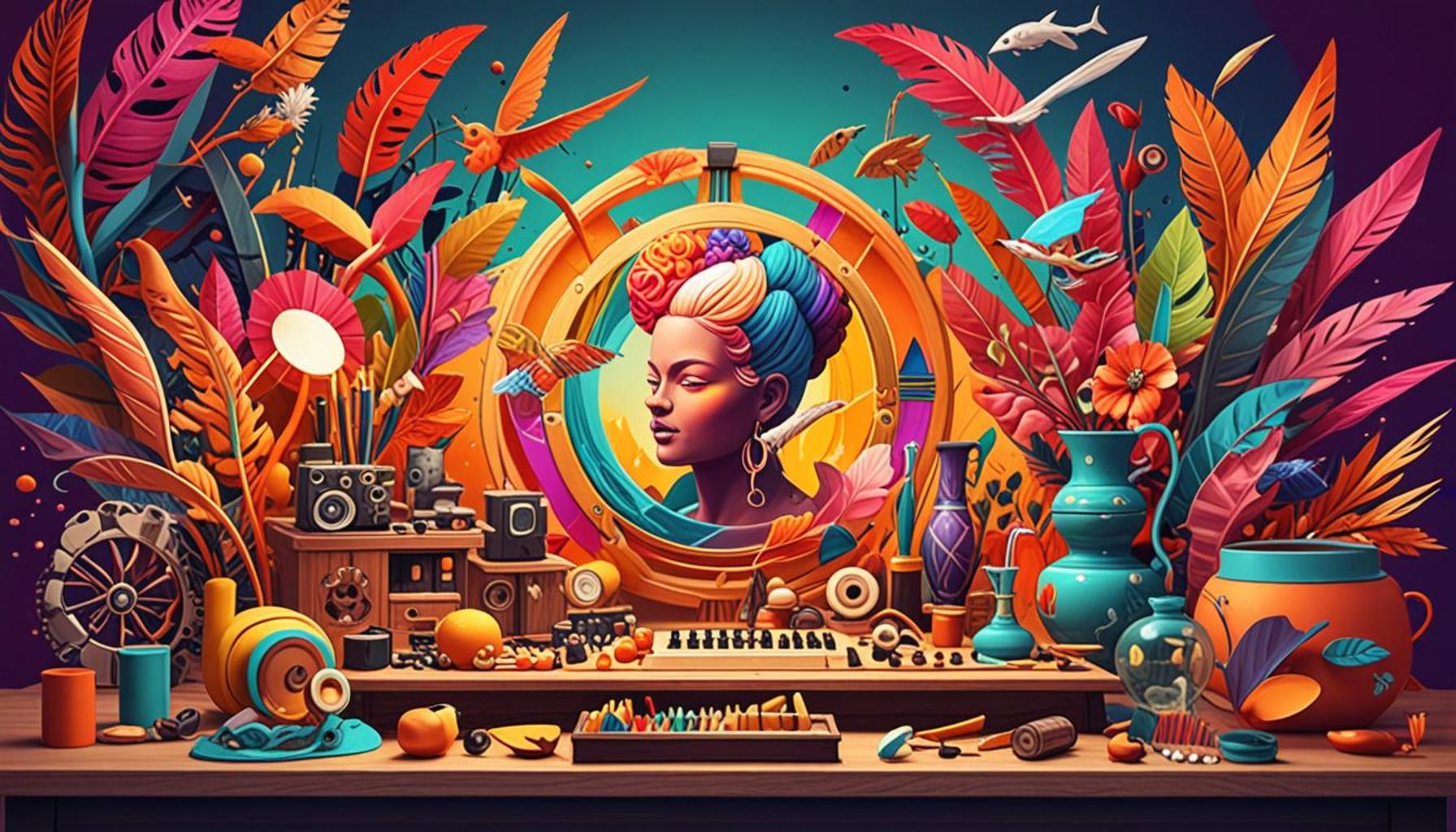
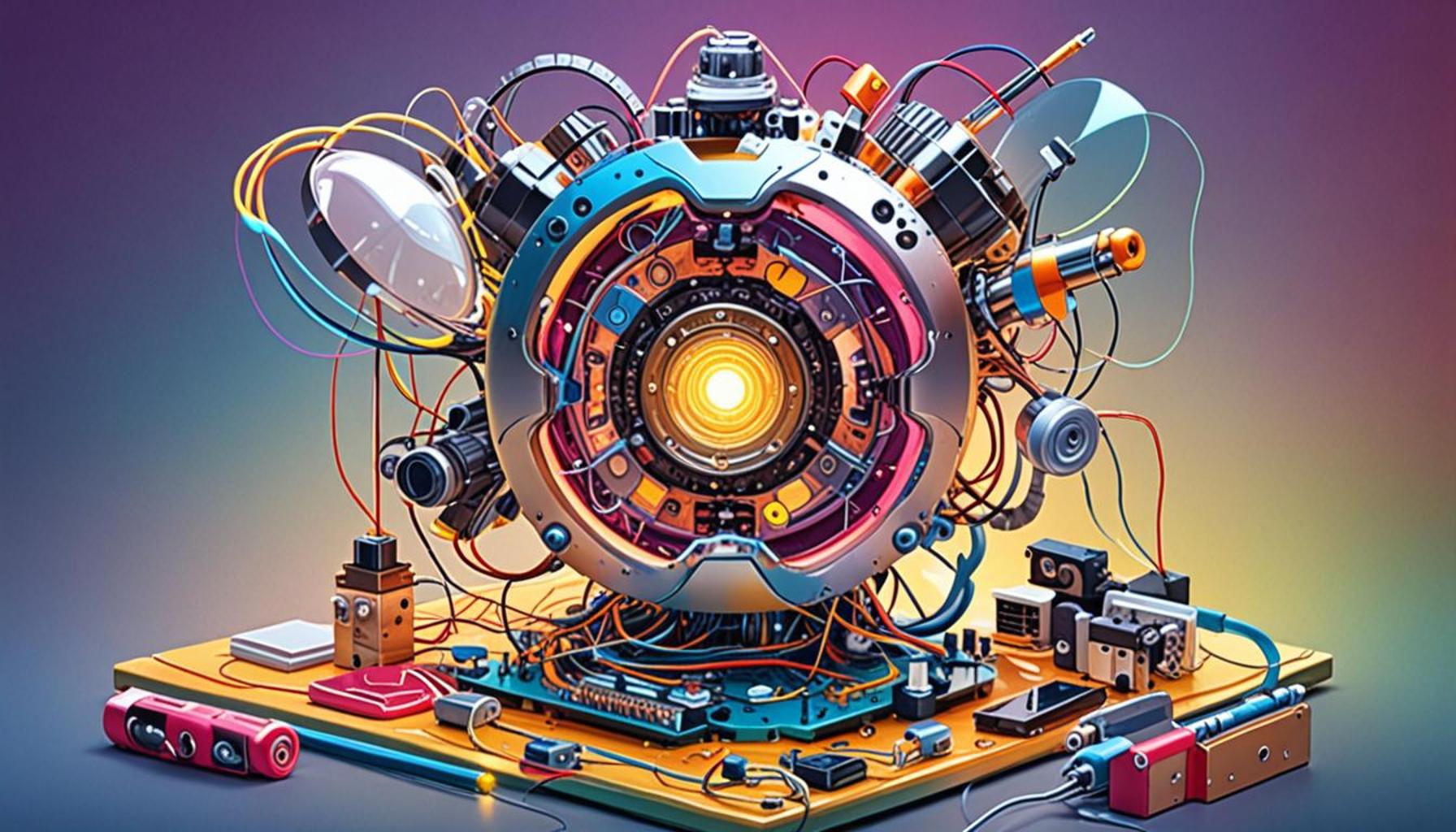
In today’s rapidly evolving creative landscape, the relationship between craftsmanship and technology is reshaping how art is produced and perceived. As the lines blur between traditional artistry and modern innovation, artists and artisans are increasingly finding ways to merge these seemingly disparate fields, leading to remarkable breakthroughs across various sectors. This fusion not only redefines creativity but also augments the way we experience and interact with art.
One notable example of this intersection is in the fashion industry. Designers are now leveraging 3D printing technology to create intricate patterns that were previously unimaginable. This innovation allows for custom fits that conform to individual body shapes, significantly reducing textile waste in the process. Brands like Adidas have pioneered this approach with their 4D printing technology, which generates shoe soles tailored to the wearer’s foot while ensuring sustainability.
In the realm of architecture, the utilization of digital design tools has revolutionized the construction of eco-friendly buildings. Architects can now visualize complex geometric structures that challenge traditional aesthetics while maximizing energy efficiency. For instance, the VIA 57 West in New York City employs advanced design techniques to create a hybrid of a traditional courtyard and a high-rise, showcasing how digital innovation can lead to new possibilities in urban living.
Music has also undergone a digital renaissance. With sophisticated software tools, musicians can collaborate across continents, blending eclectic genres and cultural influences. Platforms like Soundtrap enable artists to work together in real-time, regardless of geographical barriers. This democratization of music production not only fosters inclusivity but also expands the creative palette of artists worldwide.
In the field of fine arts, artists are integrating augmented reality (AR) to create immersive experiences that captivate audiences. For example, the collaborations between digital artists and traditional painters have resulted in exhibitions where viewers can interact with elements of a painting through their smartphones or tablets, bringing art to life in new and dynamic ways.
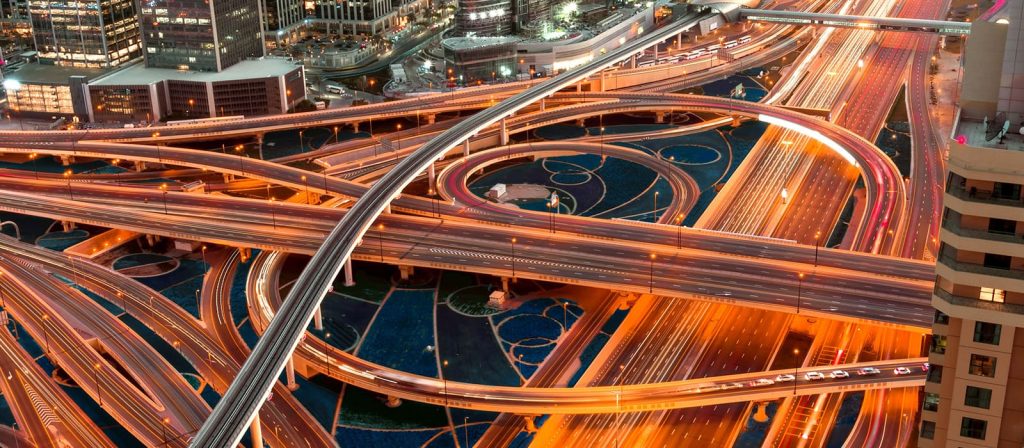
The synergy between traditional craftsmanship and modern technology enriches the creative process while inviting collaboration across diverse fields. This alliance nurtures innovation and opens up a realm of fresh possibilities, illustrating that creativity truly flourishes at the crossroads of age-old techniques and contemporary advancements.
As we delve deeper into this transformative symbiosis, we uncover inspiring examples and insights that celebrate the dynamic relationship between art and technology, urging readers to explore and embrace these exciting developments within our world of creativity.
DISCOVER MORE: Click here to learn how digital platforms are transforming the music scene
Innovative Materials: The New Canvas for Creation
As we explore the profound impact of technology on craftsmanship, one area that cannot be overlooked is the development of innovative materials. Advanced materials are enabling artists and creators to push the boundaries of their work to unprecedented heights. This fusion of engineering and artistry results in pieces that are not only visually stunning but also functionally superior.
Take, for instance, the emergence of smart textiles in the fashion industry. These fabrics are embedded with tiny sensors and technologies that can respond to the wearer’s environment or physiological signals. Designers are incorporating these textiles into clothing that can monitor heart rates or even change color based on surrounding temperatures. Brands such as Wearable X have pioneered this space, merging the aesthetic with the functional in clothing that is as much a tech gadget as it is fashion.
In the world of fine arts, artists are harnessing biomaterials that are sustainable and environmentally friendly. Bio-artists, for example, creatively utilize living organisms to produce artworks. The use of mycelium, the root structure of mushrooms, showcases how artists are sourcing materials that not only serve their purpose but also address pressing environmental concerns. This technique has captured the attention of eco-conscious collectors and institutions looking to support sustainable initiatives.
Additionally, the creation of digital fabrication tools allows artists to explore forms and structures beyond traditional capabilities. Techniques such as laser cutting and CNC machining give creators the ability to work with a variety of materials, including wood, metal, and plastic, with unparalleled precision. Some notable examples include:
- Laser-Cut Architecture: Designers leverage laser cutting to create intricate facades that fuse functional design with artistic expression.
- Installation Art: Artists like Olafur Eliasson use digital fabrication methods to construct large-scale installations that transform public spaces.
- Interactive Sculptures: The field of robotics in art has led to the creation of sculptures that respond to human interaction, blurring the lines between viewer and artwork.
The advancement of material science plays a pivotal role in the intersection of craftsmanship and technology, allowing creators to redefine their methods while expanding the realms of creativity. The ongoing synergy fosters an exciting dialogue where the traditional meets the contemporary, continually inspiring innovation within artistic communities.
As we further investigate this dynamic environment, we will examine the implications of these innovative materials and their transformative potential across various creative disciplines, emphasizing the importance of adaptability and forward-thinking in an era defined by rapid technological advancement.
| Category | Key Features |
|---|---|
| Integration of Digital Tools | Facilitates creative expression and efficiency |
| Elevated Artistic Standards | Combines traditional methods with innovative techniques |
The intersection of craftsmanship and technology has paved new pathways for artists and creators, transforming the way creative works are conceived and produced. One of the most notable advancements is the integration of digital tools, which allows artists to experiment with new mediums and substrates, enhancing their creative expression and overall efficiency. Tools such as 3D printing and digital illustration software empower creators, enabling them to realize their visions with unprecedented precision and complexity.Additionally, this convergence has resulted in elevated artistic standards. The synergy of time-honored techniques with cutting-edge technological applications allows for the development of works that are not only visually stunning but also conceptually rich. Artists can infuse traditional craftsmanship with modern innovations, pushing the boundaries of what is possible in art and design. This blend encourages new forms of collaboration across disciplines, leading to innovative projects that captivate audiences and invite ongoing exploration into the unlimited potential of creativity.
DISCOVER MORE: Click here to dive deeper into creative writing!
Digital Craftsmanship: The Art of Technology-Driven Creation
In an era where digital craftsmanship has become a fundamental component of creative industries, the unique synergy between artistry and technology is revolutionizing how creators approach traditional practices. Digital tools are not merely a means of production; they are innovative platforms that inspire new forms of expression, empowering artists to blend the real and virtual worlds seamlessly.
A prime example of this transformative force is 3D printing, which has radically changed the landscape of design and manufacturing. Creators can now print intricate designs with ease, producing everything from jewelry to architectural prototypes. This technology not only cuts down on material waste but also enables a high level of customization. Innovative companies like Shapeways serve as platforms where independent designers can create and sell their bespoke products, fostering a burgeoning ecosystem of creators who are unhindered by traditional manufacturing constraints.
The proliferation of virtual reality (VR) and augmented reality (AR) has further expanded the dimensions of digital craftsmanship. Artists are utilizing these immersive technologies to create interactive experiences that transport audiences into new realms of imagination. For instance, installations such as teamLab‘s interactive art exhibits in Tokyo invite participants to engage directly with the artwork, altering its form and color through their movements and interactions. This interplay not only enriches the viewer’s experience but also redefines the role of the artist in this new digital landscape.
Generative art is also on the rise, bridging the gap between algorithmic processes and artistic creation. Artists like Casey Reas, a co-creator of Processing, are pushing the boundaries of what it means to create art through code. By employing algorithms to produce dynamic visuals that evolve over time, these creators are redefining authorship and the creative process itself. This method emphasizes the importance of computation as not just a tool, but as an integral part of the artistic expression, prompting observers to consider the fusion of machine and human creativity.
Moreover, the rise of crowdsourced funding platforms has opened up new avenues for artisans to pursue projects that may have otherwise been unattainable. Platforms such as Kickstarter and Indiegogo empower creators to garner support for their innovative ideas, validating the intersection of craftsmanship and technology among enthusiastic backers. This democratization of resources allows innovative projects to reach a wider audience, cultivating a community-driven approach to art and design.
As we delve deeper into these technological advancements, it is evident that they not only enrich conventional methods of creation but also spark new dialogues about authenticity, access, and the evolving nature of artistry in our increasingly digital world. The marriage of craftsmanship and technology thus represents not just a trend but a reimagining of what art can be in the 21st century.
LEARN MORE: Click here to dive into baking techniques
Conclusion: Embracing the Future of Creativity
As we stand at the crossroads of craftsmanship and technology, it is clear that this intersection is not just a fleeting moment in the creative world, but a fundamental shift reshaping how art, design, and innovation coexist. The emergence of digital craftsmanship, illustrated through 3D printing, VR, and AR, expands the boundaries of traditional practices, enabling creators to express their visions like never before. These technological advancements are democratizing the creative process, providing a platform for diverse voices and allowing for unprecedented collaboration among artists across the globe.
Furthermore, the rise of generative art and crowdsourced funding platforms highlights the growing importance of community and interaction in modern artistry. Artists are not only creating in isolation but are engaging with audiences and fans to bring unique concepts to life. This collaborative ethos fosters innovation and validates the legitimacy of individual creators in a world increasingly driven by technology.
As the boundaries between the digital and physical realms continue to blur, redefining artistry and craftsmanship is essential. This fusion invites us to rethink fundamental questions about creativity, access, and technology’s role in shaping our cultural narratives. Looking forward, we are encouraged to embrace this dynamic relationship between craftsmanship and technology, as it holds the potential to inspire new forms of creativity that will resonate in innovative cultural landscapes. The future of creativity is bright, and as we navigate this ever-evolving terrain, the possibilities are truly limitless.