Technological Innovations in Music Production: How Technology is Transforming Music Creation
The Digital Landscape of Music Production
The music production industry is currently experiencing a transformative shift, largely fueled by the relentless advancement of technology. Musicians, artists, and producers are now equipped with an array of tools that were once confined to the realms of science fiction, altering the landscape of how music is created, consumed, and shared. As digital technology and creativity intertwine, artists are presented with opportunities and challenges that reshape their work and audience interactions.
Digital Audio Workstations (DAWs)
Among the most significant innovations are Digital Audio Workstations (DAWs), which serve as the backbone for modern music production. Software like Ableton Live, Logic Pro, and FL Studio allow artists to record, edit, and produce music with unmatched flexibility and precision. For instance, an artist can lay down multiple tracks, tweak sounds, and incorporate effects all within one environment, drastically reducing the time needed for production. The intuitive interfaces of these platforms empower beginners and professionals alike to experiment and innovate, breaking down the traditional barriers of entry into music making.
Virtual Instruments and their Impacts
Equally revolutionary is the realm of virtual instruments. The availability of software synthesizers, samplers, and sampled instruments—ranging from grand pianos to ethnic drums—means that musicians can access a rich palette of sounds at the click of a mouse. This accessibility can lead to exciting collaborations between genres—imagine a jazz musician harmonizing with an EDM producer, resulting in a unique fusion that resonates with diverse audiences. With platforms like Native Instruments’ Komplete and EastWest Sounds, musicians can, for all intents and purposes, curate their own orchestras, broadening the dimensions of musical creativity.
Artificial Intelligence
Furthermore, the integration of artificial intelligence into music production is a game-changer. Instead of solely relying on human intuition, AI tools are now capable of assisting in various stages from composition to mastering. Programs like AIVA and Amper Music can analyze existing tracks, learn from them, and create new compositions, drastically speeding up the workflow and providing a fresh collaborative approach. This not only makes the production process faster but also opens doors to new musical ideas that artists might not have considered.
Global Collaboration and Culture
In addition to technological advances within music software, cloud-based collaboration has transformed how artists work together. Musicians can now collaborate in real-time across vast geographical divides, reducing the logistical hurdles traditionally associated with studio recordings. Platforms like Splice and Soundtrap allow artists from different corners of the globe to share files seamlessly, fostering a global music culture. Diverse influences coalesce to create lively, eclectic sounds that reflect the melting pot of cultural expressions and experiences.
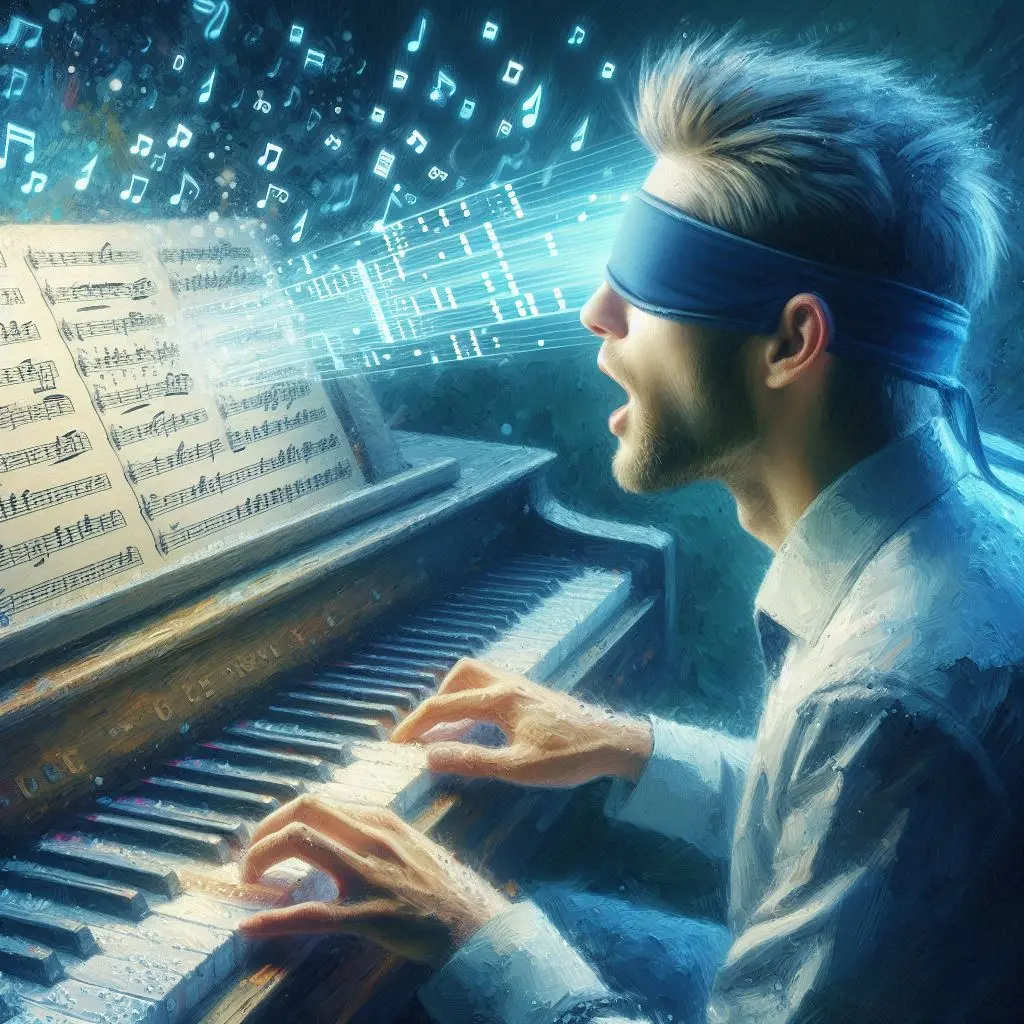
Redefining the Industry
As we examine this thrilling landscape, it becomes clear that technology is not merely enhancing music production; it is reshaping the entire industry. The emerging tools and platforms are redefining what it means to be a musician and how listeners engage with music. With each innovation, the boundaries between creator and consumer blur, enabling a more immersive and interactive experience. Artists can reach audiences worldwide, receiving real-time feedback and adapting their creations accordingly.
Join us as we further explore these groundbreaking technological innovations in music production and their implications for the future of music. The journey through this digital evolution promises to reveal not just the tools, but the very essence of what music can become in an increasingly interconnected world.
DIVE DEEPER: Click here to discover more
Shaping Sounds with Advanced Technology
As technology continues to evolve, its influence permeates every aspect of music production, fundamentally altering the way sounds are shaped, recorded, and produced. The advent of various digital tools provides artists with the ability to push creative boundaries and cultivate unique soundscapes that were unimaginable just a decade ago.
Sample Libraries and Sound Design
One of the standout contributions of technology to music creation lies in sample libraries and advanced sound design tools. These resources offer an incredible range of recorded sounds, loops, and one-shots that musicians can use to enhance their compositions. Libraries like Splice and Loopmasters provide access to vast collections across genres, empowering artists to incorporate elements they might not have been able to create on their own. This democratization of sound can significantly influence music trends, as emerging artists can experiment with high-quality samples without the need for extensive recording equipment.
Effects Processing and Sound Manipulation
Moreover, the development of effects processing tools has transformed how artists manipulate sounds. With plug-ins and software like Waves and iZotope, producers can craft auditory experiences that engage the audience on multiple levels. Artists can apply reverb, compression, delay, and modulation effects with the flick of a wrist, effectively designing the atmosphere of a track. This manipulation enables a range of auditory experiments that lead to novel genres and complex arrangements, allowing artists to create immersive experiences that resonate with listeners.
Music Distribution and Accessibility
In addition to tools for production, technology has revolutionized music distribution and accessibility. Platforms such as Spotify, Apple Music, and Bandcamp have altered how music reaches audiences. Artists can independently distribute their work without the support of major record labels, empowering them to maintain creative control over their sound. This shift allows for greater diversity in music, as niche genres that might have struggled for recognition can now find their audience in digital spaces.
Data Analysis and Audience Engagement
Furthermore, the incorporation of data analytics into music production and promotion assists artists in understanding their audiences. Services like Spotify for Artists and Soundcloud Pro provide valuable insights regarding listener demographics, location, and preferred listening habits. Empowered by this data, producers and musicians can tailor their creations, marketing strategies, and even live performances to better resonate with their fan base.
Embracing New Genres and Styles
As technology continues to develop, it encourages artists to embrace genres and styles that blend traditional music with modern influences, paving the way for exciting new musical movements. The ability to easily integrate diverse sounds creates opportunities for genre-defying collaborations and experiments, resulting in the birth of subgenres like lo-fi hip hop or future bass that exemplify this innovation. Furthermore, this continuous evolution invites an ongoing dialogue between cultures, transforming the music scene into a vibrant tapestry of interconnected influences.
It is evident that technology is not just a tool for enhancement in music production; it is the very essence driving innovation in the industry. As we delve deeper into the implications of these technological innovations, we uncover a future where creativity knows no bounds and the possibilities for music creation are limitless.
Embracing New Tools and Techniques
As technology continues to advance, so too does the array of tools available for music production. Digital Audio Workstations (DAWs) have revolutionized the way music is created, allowing artists to compose, record, edit, and produce their work all in one virtual environment. Popular DAWs such as Ableton Live, Logic Pro X, and Pro Tools provide extensive libraries of instruments and sounds, coupled with powerful editing capabilities. These programs have made it possible for musicians to achieve high-quality productions without the need for expensive studio time.Furthermore, the rise of virtual instruments and plugins enhances creativity by giving artists access to an infinite palette of sounds. Musicians can experiment with anything from synthesized sounds to intricate orchestral arrangements at a fraction of traditional costs. This democratization of music production has led to a vibrant indie music scene, allowing aspiring artists to produce professional-sounding tracks from their bedrooms.Another component of this transformation is the integration of artificial intelligence (AI) in music production processes. AI algorithms can analyze musical patterns and suggest chord progressions, melodies, or even entire compositions. Tools like Amper Music and AIVA empower users to collaborate with AI, bridging the gap between technology and traditional musicianship. Such innovations not only streamline the creation process but also inspire artists to think outside the box when crafting their sound.Moreover, technological developments have introduced new collaborative platforms that connect musicians worldwide. Services like Splice and Soundtrap allow artists to work together in real-time, sharing loops, samples, and ideas, regardless of geographical distance. This evolution in collaboration is fostering a global music culture where diverse influences meld together, enriching the creative landscape.In summary, the fusion of innovative technology and music production is undeniably transformative. As musicians embrace new tools, practices, and collaborative methods, the accessibility and creativity inherent in music creation continue to expand, marking an exciting era for artists and audiences alike.
| Advantage | Explanation |
|---|---|
| Cost-Effective Production | Access to high-quality tools without needing a professional studio. |
| Global Collaboration | Platforms allow musicians to work together remotely, enhancing creativity. |
EXPLORE MORE: Click here to discover the impact of manual skills on personal growth
Revolutionizing Collaboration and Remote Creation
Technology’s impact on music production extends beyond tools and distribution; it has also reshaped the dynamics of collaboration among artists. The rise of cloud-based platforms and digital audio workstations (DAWs) like Ableton Live, Pro Tools, and FL Studio has enabled seamless remote collaboration that transcends geographical barriers. Artists can now connect, share, and edit projects in real time from different corners of the globe, fostering innovation through diversity.
Cloud Collaborations
In recent years, services such as Soundtrap and Splice Studio have emerged, providing musicians with collaborative spaces in the cloud. These platforms offer intuitive interfaces where multiple contributors can layer tracks, share ideas, and experiment with sounds together, irrespective of their physical locations. This functionality not only enhances the creative process but also opens doors for unique artistic partnerships. Music that blends genres or incorporates various cultural elements often results from these collaborative efforts, showcasing an unprecedented fusion of ideas.
Artificial Intelligence and Music Composition
Another groundbreaking avenue introduced by technology is the emergence of artificial intelligence (AI) in music composition. AI-driven platforms like AIVA and Amper Music leverage complex algorithms to analyze existing music and generate original compositions based on specified parameters. These tools allow musicians to explore new melodic, harmonic, and rhythmic ideas, effectively serving as virtual collaborators. This innovative approach has implications not just for producers but potentially for songwriters, enabling them to ignite inspiration and discover creative paths they may not have considered.
The Role of Augmented and Virtual Reality
Moreover, augmented reality (AR) and virtual reality (VR) are gradually making their way into music creation and performance. These advanced technologies provide immersive experiences, allowing artists to explore sound in three-dimensional spaces. Innovations like WaveXR and vDance enable musicians to perform in stunning virtual environments, engaging audiences in ways traditionally unattainable. This interactive aspect of music production invites listeners to become part of the sonic experience, pushing boundaries in how music is shared and consumed.
The Impact of Blockchain on Copyright and Royalties
As artists navigate these new technological landscapes, issues of copyright and fair compensation remain pertinent. Blockchain technology is emerging as a solution, offering transparent systems for tracking ownership rights and royalties. Platforms such as Audius leverage blockchain to allow artists to distribute their music while ensuring that every party involved receives fair compensation without the inefficiencies of traditional record label models. This not only protects creators but also encourages the free exchange of music, fostering innovation while safeguarding the intellectual property of artists.
Building a Community through Social Media
Finally, social media plays an integral role in the changing landscape of music production. Platforms like TikTok and Instagram are not merely promotional tools; they function as stages where new music is tested, consumed, and reinterpreted by fans. Artists can release snippets of tracks, gauge audience reactions, and even collaborate with influencers, further blurring the lines between creator and consumer. This level of engagement cultivates robust communities around emerging music genres, thereby driving trends and allowing for the organic discovery of new sounds.
The transformation brought about by technological innovations is not merely a shift in tools but a profound evolution of how music is created, shared, and experienced. As artists embrace these technologies, the exploration of sound and creativity continues to ignite a burgeoning landscape of possibilities.
DISCOVER MORE: Click here to dive deeper
Conclusion
In conclusion, the realm of music production is undeniably undergoing a revolutionary transformation fueled by technological innovations. The advent of cloud collaboration tools along with AI-driven composition platforms has opened the door for unprecedented creative possibilities, allowing artists to form dynamic partnerships across distances and enhance their soundscapes with fresh inspirations. As the integration of augmented reality (AR) and virtual reality (VR) enriches live performances, audiences are invited into immersive experiences that redefine the relationship between creator and listener.
Moreover, leveraging blockchain technology for transparent royalty tracking empowers artists, ensuring fair compensation and encouraging a culture of innovation within the industry. As social media platforms continue to serve as vital stages for discovery and collaboration, they foster vibrant communities that support new talent and diverse musical expressions. This synergistic interplay of technology and creativity is dismantling traditional barriers to entry, propelling emerging artists while igniting fresh trends.
Ultimately, the question for music creators is not if they will adapt to these technological advancements, but how they will creatively harness them to not only produce music but also to engage and inspire audiences in a rapidly evolving landscape. As we stand at this exciting intersection, it becomes clear that the future of music creation lies in embracing these innovations, paving the way for a richer, more collaborative, and democratized musical experience that resonates across cultures and generations.