The Influence of Social Media on the Careers of Independent Musicians: Connecting Talents and Audiences
The Evolution of Music Promotion
In the past, independent musicians faced substantial hurdles in getting their music heard. Traditional routes often required extensive funding and industry connections that not all artists could access. Social media has dramatically democratized this process, offering a level playing field where talent can shine with minimal overhead.
Today, platforms like Instagram, TikTok, and Spotify empower artists to take control of their own narratives. For instance, a musician can share snippets of their music on TikTok, potentially reaching millions within hours. Viral challenges, like those seen with “Savage Love” by Jawsh 685 and Jason Derulo, illustrate how a simple sound clip can springboard an artist into global fame through user-generated content. This interactive nature of social media allows creativity to spread organically, offering audiences a taste of new music while building community engagement.
Audience Engagement
Direct interaction with fans is one of the most significant advantages of social media. Artists can engage their audience through live Q&A sessions, behind-the-scenes content, or even personalized messages. This direct line fosters a sense of community and loyalty among fans. For example, the indie band *MisterWives* often interacts with their audience through live-streamed performances on Instagram, allowing for real-time reactions and connections that traditional media simply can’t replicate.
Promotion and Marketing
The capacity for self-promotion has transformed the music landscape. Musicians can leverage social media to announce album releases, tours, and merchandise with immediate effect. This not only saves on marketing costs typically absorbed by record labels but also allows for authentic communication. A recent case in point is *Lizzo*, who utilized her Twitter account to generate buzz around her singles, effectively creating a grassroots marketing campaign that led to chart-topping successes.
Networking Opportunities
Social media also opens avenues for collaboration and networking. Platforms like LinkedIn and even Instagram allow artists to connect with producers, other musicians, and industry professionals without needing traditional gatekeepers. The emergence of collaborations between various genres can often be traced back to social media interactions, showcasing how artists can tap into different demographics and broaden their reach. An example is *Post Malone*, who has collaborated across genres—from rock to hip-hop—after meeting other artists through social media interactions.
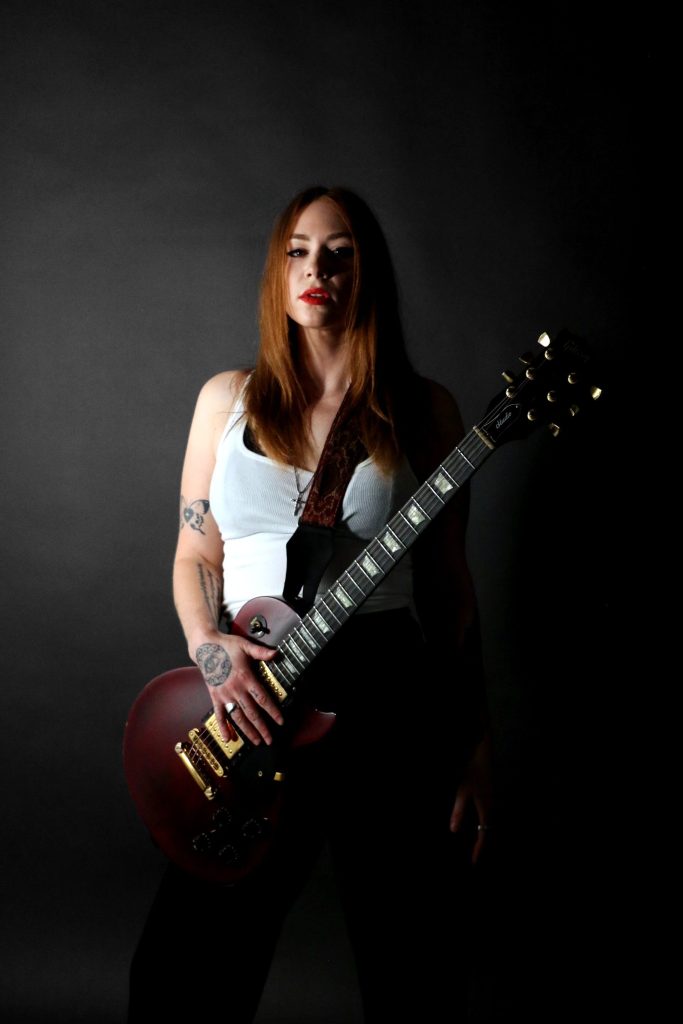
While the benefits are aplenty, the challenges of navigating this digital landscape also exist. The constant evolution of algorithms and trends means that artists must stay vigilant and adaptable to maintain visibility. This intricate dance between content creation and marketability is crucial for the enduring success of independent musicians.
As we explore the multifaceted impact of social media on the music industry, it becomes clear that these platforms do more than just connect talent with audiences. They foster innovation, encouraging new sounds and collaborations that define the future of music.
DISCOVER MORE: Click here to dive deeper
The Power of Direct Communication
The rise of social media has fundamentally changed the way independent musicians connect with their fanbase. Unlike traditional methods of promotion where communication was often one-sided, platforms such as Instagram, TikTok, and Snapchat foster an environment where dialogue and interaction thrive. This direct communication channels can significantly enhance an artist’s relationship with their audience, allowing them to build a devoted following.
Real-Time Interaction and Feedback
One of the standout features of social media is the ability for musicians to receive immediate feedback. The instantaneous nature of posts, stories, and comments enables artists to gauge audience reactions almost in real-time. For instance, when an independent artist shares a new track on Twitter, they can quickly see which elements resonate with fans, allowing them to tweak their style based on this feedback.
This real-time interaction creates an opportunity for musicians to enhance their craft, making them more attuned to their audience’s preferences. This, in turn, can influence everything from songwriting to branding decisions, keeping their music relevant and engaging.
Creating a Personalized Brand
In a world saturated with content, an independent musician’s personal brand can be the differentiating factor that captures audience attention. Utilizing social media effectively allows artists to curate a persona that resonates with fans. Through consistent posting, storytelling, and authentic engagement, musicians can showcase their identity, artistry, and journey.
Here are some strategies independent musicians can adopt to create captivating personal brands on social media:
- Behind-the-Scenes Content: Sharing snippets from rehearsals, songwriting sessions, or even personal anecdotes can humanize artists, making them more relatable to fans.
- Consistent Aesthetic: Developing a signature look or sound that is reflected in all posts can help establish a recognizable brand identity.
- Engagement Techniques: Regular polls, challenges, or fan Q&A sessions can foster a deeper connection with the audience, inviting them to be part of the musician’s journey.
Leveraging User-Generated Content
An intriguing aspect of social media is the emergence of user-generated content (UGC), where fans actively engage and promote an artist’s work. Platforms like TikTok have encouraged this phenomenon, allowing fans to create their own content using a musician’s tracks. Hashtag challenges or themes invite fans to participate and share their interpretations or experiences, creating a ripple effect that can lead to viral success. The artist, in turn, often amplifies this UGC by sharing posts from fans, further strengthening the community feel while expanding their reach.
By tapping into the creative energy of their audience, independent musicians can transform listeners into advocates, enhancing their visibility beyond conventional promotional strategies. The possibilities for engagement are limitless, offering a valuable avenue for growth in an increasingly digital music landscape.
| Category | Key Features or Characteristics |
|---|---|
| Global Reach | Social media platforms empower independent musicians to reach audiences across the globe, breaking geographical barriers. |
| Personal Branding | Social media gives artists control over their image, allowing them to craft a personal brand and connect authentically with fans. |
| Engagement and Feedback | Artists can engage directly with their audience, receiving immediate feedback on their work and facilitating a community around their music. |
| Cost-Effective Marketing | Running campaigns and promoting music on social media is often more cost-effective compared to traditional marketing strategies. |
As independent musicians harness the potential of social media, they find themselves equipped with tools and visibility that were once difficult to obtain. The global reach of platforms like Instagram, Twitter, and TikTok allows artists to target specific demographics and connect with fans worldwide. This unprecedented access can lead to new opportunities, collaborations, and even tours.In addition to visibility, personal branding becomes of utmost importance. Musicians can curate their online persona, shaping how they interact with fans, presenting their stories, and exploring their creative identities. Social media also supports engagement, enabling real-time conversations and allowing fans to voice their opinions and experiences.Furthermore, cost-effective marketing has emerged as a significant advantage. By using social channels, artists can promote their music without the high costs associated with traditional advertising methods, thus democratizing the music industry and providing an array of opportunities for budding talents. This digital landscape illustrates how the direct connection between musicians and audiences is redefining their careers.
DISCOVER MORE: Click here to dive deeper into craftsmanship
Building Collaborations and Networks
Social media has not only transformed how independent musicians engage with their fans but also how they connect with other artists and industry professionals. In the past, collaboration opportunities were often limited by geographical constraints or reliance on record label connections. Today, platforms like LinkedIn and Instagram allow musicians to network easily, opening doors to collaborations that can elevate their careers.
Connecting with Fellow Artists
The concept of collaboration is particularly relevant in today’s music landscape. Through social media, independent musicians can post about their projects and seek out fellow artists for partnerships. For instance, TikTok has become a hotspot for viral collaborations, where artists from different genres come together to create unique content that blends their styles. Collaborative tracks not only diversify an artist’s portfolio but also enable them to tap into each other’s fan bases, effectively broadening their reach.
A powerful example of this trend is the rise of cross-genre collaborations, which have exploded in popularity. Musicians are no longer confined by the boundaries of their own genres, and through social media, they can explore genres outside their own, facilitating unique sound fusion. The collaboration between independent artist Lil Nas X and country singer Billy Ray Cyrus on “Old Town Road” is a prime example of this phenomenon. It captures the essence of blending genres while reaching astronomical heights, all thanks to strategic social media promotion.
Engaging Industry Professionals
Another crucial aspect of social media’s influence on independent musicians is the opportunity to engage with industry professionals directly. Whether it’s booking agents, producers, or music influencers, social media provides artists with a platform to showcase their work and attract the attention of industry veterans. By sharing high-quality content, such as live performances or behind-the-scenes footage, musicians can effectively display their talents to a wider and more relevant audience.
Moreover, platforms like Twitter and Clubhouse have emerged as venues for discussions and networking events, where musicians can connect with producers and industry insiders in real-time. Artists can participate in music forums or Twitter Spaces that focus on topics like music marketing or live performance strategies, thus providing them with invaluable insights. This access democratizes the industry and diminishes the barriers that once existed, empowering independent artists to nurture their careers without the backing of major labels.
Utilizing Analytics and Insights
Finally, social media platforms offer advanced analytics features that can be a game-changer for independent musicians. Access to data regarding follower demographics, peak engagement times, and content performance is vital for shaping promotional strategies. By interpreting this data, artists can tailor their marketing approaches to ensure they reach their target audience effectively. For example, if analytics show increased engagement in a specific region, musicians can plan local shows or targeted ads to optimize their promotional efforts.
Moreover, understanding which types of content resonate with followers can inform future releases and branding decisions. This informed approach enables independent musicians to plan their strategies with precision, allowing them to maximize their artistic exposure and connection with listeners while minimizing wasted efforts.
In conclusion, social media has become an indispensable tool for independent musicians, not just for audience engagement, but for networking and strategic career development. As artists continue to harness the multifaceted capabilities of these platforms, they enhance their potential to grow and thrive in the competitive music landscape.
DISCOVER MORE: Click here to unleash your creativity
Conclusion
As we navigate the ever-evolving landscape of the music industry, the influence of social media on the careers of independent musicians cannot be overstated. These platforms have redefined the blueprint for success, offering unprecedented opportunities for direct engagement with audiences and fostering invaluable connections among artists and industry professionals alike. The ability to share content instantaneously has revolutionized the way music is promoted, making it accessible to an audience that is increasingly receptive to innovative sounds and new collaborations.
Furthermore, the power of social media extends beyond mere distribution; it is a vital tool for building a personal brand that resonates with fans on a deeper level. With platforms providing analytics and insights, musicians can adjust their strategies in real-time, ensuring they reach their target demographic effectively. This adaptability is crucial in an industry that thrives on trends and rapid changes.
In conclusion, independent musicians who embrace the potential of social media position themselves at the forefront of a dynamic community where creativity knows no bounds. By leveraging these platforms effectively, they can connect with audiences, explore genre-blending opportunities, and build lifelong networks—ultimately transforming their passion for music into a sustainable career. The future of music is not just about talent but also about how well artists can navigate the digital landscape, and those who can master this art will undoubtedly flourish in the competitive arena of the music industry.