
Music and Sustainability: How Musicians Are Promoting Ecological Practices in Their Activities

The Harmonious Connection Between Music and Sustainability
As global concern for environmental issues intensifies, the music industry is increasingly using its platform to promote sustainable practices. Musicians are stepping into the spotlight as advocates for ecological responsibility, recognizing that their influence extends beyond mere entertainment. By intertwining their creative expression with environmental stewardship, they are inspiring fans and communities to adopt sustainable habits and support eco-friendly initiatives.
- Creative Solutions: An emerging trend within the concert scene is the use of renewable energy sources. For example, many artists are now utilizing solar panels and wind turbines to power their live shows. Festivals like Coachella and Glastonbury are leading the pack, implementing solar-powered stages that significantly reduce their carbon footprints, showcasing a fusion of art and ecological awareness.
- Collaborative Efforts: Numerous musicians actively partner with environmental organizations. For instance, partnerships with organizations like the Sierra Club or Greenpeace enable artists to leverage their visibility, raising awareness about key issues such as climate change and habitat destruction. This collaboration might manifest as benefit concerts or fundraising efforts aimed at conservation initiatives.
- Eco-Friendly Merchandise: The industry is also seeing a shift towards eco-conscious merchandising. Bands and artists are offering products made from sustainable materials, such as organic cotton T-shirts or biodegradable posters. This transition not only aligns their brand with environmental values but also encourages fans to make more responsible purchasing choices.
- Awareness Campaigns: Lyrics can serve as a powerful tool to illuminate pressing environmental concerns. Artists are writing songs that address climate change, pollution, and endangered species, transforming their music into anthems for the planet. Outreach efforts, such as social media campaigns, further amplify this message, engaging millions of listeners in conversations about sustainability.
Notable examples abound in the music industry. Artists like Billie Eilish, who has incorporated sustainable practices into her tours by using recyclable materials and promoting environmental causes, and Jack Johnson, whose passion for ocean conservation drives his initiatives, are leading the charge toward a greener future. Both artists have demonstrated a commitment to sustainability that goes beyond their music, involving their entire fandom in ecological activism.
As the landscape of music continues to evolve, its relationship with sustainability will likely strengthen. The question arises: how can we, as consumers and fans, support these efforts? Remaining informed about the impact of our consumption choices, attending eco-friendly events, and supporting artists who align with our values are actionable steps we can take. By integrating these practices into our lives, we contribute to a more sustainable world while enjoying the compelling soundtracks that reflect our ecological consciousness.
DISCOVER MORE: Click here to ignite your imagination
Innovative Approaches to Eco-Consciousness in Music
The intersection of music and sustainability is burgeoning with innovative approaches that reflect the growing environmental awareness among artists and their audiences. Musicians are not merely entertainers; they are influential figures who have the ability to drive change. By embracing eco-conscious practices within their professional endeavors, these artists are fostering a culture of sustainability that resonates throughout the industry and beyond.
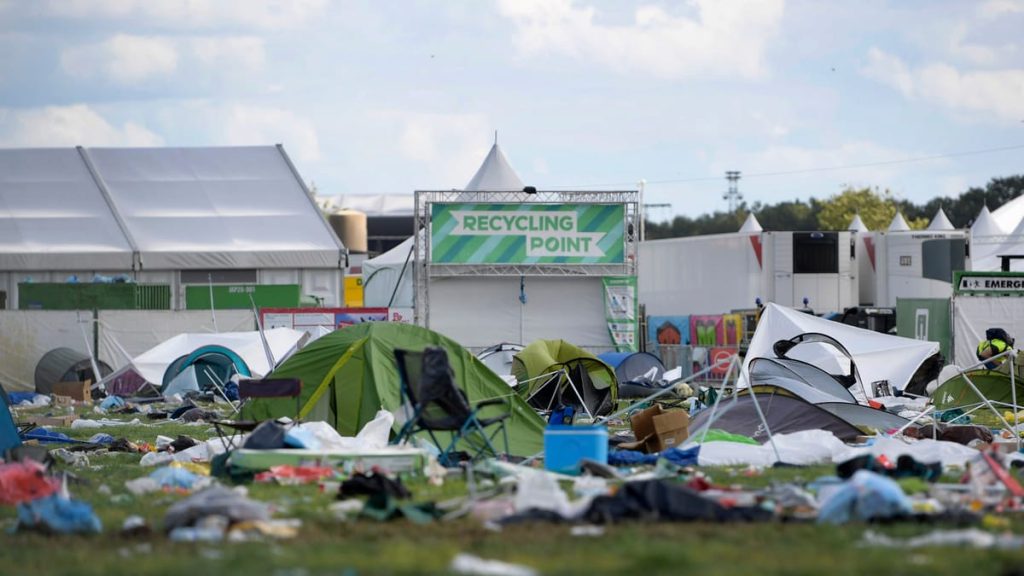
- Powering Concerts Greenly: One of the most significant shifts in the music industry is the move towards powering concerts with renewable energy. Major festivals, such as Coachella, are leading the charge by incorporating solar energy solutions into their infrastructure. In 2019, Coachella installed solar panels that allowed it to generate a substantial amount of its energy on-site. Similarly, the iconic Glastonbury Festival has invested in wind turbines to minimize reliance on fossil fuels. Such initiatives not only reduce carbon emissions but set a precedent for other events to follow suit.
- Merchandising with a Conscience: Musicians are also reevaluating how they connect with their fans through merchandise. Eco-friendly products are becoming increasingly prevalent at shows, with artists like Pearl Jam offering clothing made from organic and recycled materials. This shift in merchandising reflects a conscious effort to minimize environmental impact, while also conveying a powerful message about sustainable consumer choices.
- Fundraising for the Environment: Many musicians are harnessing their platforms to support environmental organizations and raise funds for ecological causes. Benefit concerts, where proceeds go directly to groups such as the World Wildlife Fund or local conservation programs, are increasingly common. For example, artists like Taylor Swift have hosted concerts that not only entertain but directly contribute to environmental initiatives, amplifying important messages related to sustainability.
- Musical Advocacy: Through their lyrics and public statements, musicians serve as advocates for ecological issues. Songs that tackle themes of climate change, pollution, and wildlife preservation have struck a chord with audiences, transforming popular music into a powerful medium for social change. Artists such as Coldplay have penned tracks that resonate with audiences, promoting a call-to-action for environmental stewardship. Social media platforms then amplify these messages, inviting fans to engage in discussions about sustainability.
Notably, the commitment of artists like Billie Eilish and Jack Johnson exemplifies this movement within the music industry. Eilish’s implementation of eco-friendly practices during her tours, including using compostable and recyclable materials, has set a new standard for fellow artists. Meanwhile, Johnson’s efforts to protect ocean environments and engage in beach clean-up efforts showcase how musicians can inspire their audiences to recognize the importance of ecological conservation.
As the world tunes in to the urgent call for sustainability, the synergy between music and ecological practices is only set to grow stronger. This partnership poses an intriguing question: how can we, as listeners and supporters, amplify the impact of this musical sustainability movement? By actively choosing to support artists who prioritize eco-friendly initiatives, attending sustainable events, and engaging in discussions around environmental topics spurred by music, we can play a pivotal role in fostering a more sustainable future.
Music and Sustainability: How Musicians Are Promoting Ecological Practices in Their Activities
The intersection of music and sustainability has become increasingly prominent, with artists leveraging their platforms to advocate for ecological practices. This is not merely a passing trend; it reflects a significant cultural shift where musicians recognize their influence and responsibility towards the environment.
One of the most notable initiatives is the active participation of musicians in environmental campaigns. Artists like the Red Hot Chili Peppers and Coldplay have organized concerts aimed at raising awareness about climate change issues. These events often incorporate sustainability themes, encouraging fans to engage in eco-friendly practices. By using their voice to champion environmental issues, they are inspiring countless individuals to take action.
Moreover, many musicians are incorporating sustainability into their daily operations. For instance, numerous artists are now adopting sustainable touring practices, utilizing renewable energy sources and reducing waste during performances. This includes collaborating with eco-conscious vendors, using digital merchandise to cut down on plastic, and offering public transportation to fans, thereby minimizing their carbon footprint.
Furthering the cause, music festivals have begun implementing strict sustainability protocols. Events like Glastonbury have made it a priority to reduce their environmental impact, employing initiatives such as waste recycling, use of biodegradable materials, and promoting local food vendors. These actions showcase a robust commitment to sustainability while maximizing the music experience.
As the music industry continues to evolve, the influence of sustainability is expected to expand significantly. Musicians are not only raising awareness but are setting a strong example for other industries. The way forward towards a more sustainable future in music is becoming clearer, with a greater commitment to environmental stewardship resonating in the melodies we cherish.
| Advantages | Details |
|---|---|
| Awareness Raising | Musicians utilize their platforms to educate audiences on environmental issues. |
| Sustainable Practices | Artists adopt eco-friendly touring methods, reducing their carbon footprint. |
| Community Engagement | Music festivals promote local vendors and community sustainability initiatives. |
This integration of music and sustainability is not just beneficial; it is a necessary step in fostering a more ecological future for upcoming generations. With every note, artists carry the weight of responsibility and the potential for change.
DISCOVER MORE: Click here to unlock creative writing activities
The Role of Community and Collaboration in Ecological Music Practices
As the music industry navigates the complexities of sustainability, the spirit of community and collaboration emerges as a vital engine for change. Musicians, industry stakeholders, and fans are banding together to create movements that not only promote ecological awareness but also inspire actionable change within their local and global communities.
- Collective Initiatives: Numerous artists are uniting under collective initiatives aimed at environmental advocacy. Projects like Music Climate Revolution gather musicians from various genres to address climate change through a unified message. Such initiatives not only amplify awareness but also cultivate a sense of shared responsibility among artists and their audiences alike, demonstrating that collaborative efforts can lead to significant ecological impact.
- Eco-Conscious Music Venues: The emergence of eco-friendly music venues is another noteworthy trend. Venues such as the Brooklyn Steel in New York City have adopted sustainable practices by implementing energy-efficient technology, proper waste management systems, and a commitment to reducing their carbon footprint. These venues not only serve as platforms for live music but also embody the principles of sustainability in their operations, encouraging artists and fans to adopt similar practices.
- Music Education Programs: Educational outreach programs in the music industry have started integrating sustainability into their curriculum. Organizations such as Little Kids Rock are educating young musicians on the influence of music on environmental issues while encouraging them to use their platform for good. Educating the next generation of musicians empowers them to make environmentally conscious decisions as they grow their careers, fortifying a sustainable ethos within the industry.
- Engaging Local Communities: Many artists are using their tours as a vehicle to engage with local communities by promoting social and ecological initiatives. For instance, during her world tour, Beyoncé partnered with local organizations to support urban gardening projects, leaving a lasting impact on the communities she visited. Such engagements foster a deeper connection between artists and their fans while reinforcing the importance of sustainability at the grassroots level.
Moreover, the integration of technology offers exciting new avenues for musicians to promote sustainability. Innovations such as blockchain technology are making it easier for artists to track their carbon emissions and offset them through verified ecological projects. For example, Green Music Initiative is leveraging this technology to enable artists to make informed decisions about the environmental impact of their tours and production processes.
As the dialogue around music and sustainability continues to evolve, artists like Grimes are championing transparency in their practices by sharing their methods and progress toward sustainability with their fan bases. Utilizing platforms such as Instagram and TikTok, musicians engage their audiences by showcasing their efforts to create a greener music experience. This not only educates fans but also inspires them to adopt similar practices in their own lives.
The collaboration between musicians and fans in addressing environmental concerns is a testament to the transformative power of music. When artists actively involve their communities in sustainability efforts, they elevate the conversation and motivate change on a much broader scale. By recognizing music as not just a source of entertainment but also as a catalyst for meaningful ecological action, both musicians and audiences play critical roles in championing a sustainable future for the industry and the planet.
DIVE DEEPER: Click here to uncover the emotional benefits of journaling
Conclusion
In the dynamic landscape of the music industry, the integration of sustainability into artistic practices marks a significant shift towards ecological responsibility. Musicians are not only using their platforms to spread awareness but are also leading by example through collaborative initiatives, eco-conscious performances, and educational outreach that encapsulates the essence of sustainability. As we have explored, movements like the Music Climate Revolution serve as a unifying force, inspiring artists and fans alike to take part in fostering environmental stewardship.
Moreover, the rise of eco-friendly venues and the incorporation of technology, such as blockchain for carbon tracking, illustrates the innovative strategies musicians are employing to address their carbon footprints. By aligning their tours with local community engagement and promoting initiatives that directly impact their audiences, musicians are redefining the relationship between art and ecological action. This holistic involvement empowers fans not only to appreciate music but also to become active participants in the fight for a sustainable future.
As the dialogue around music and ecology continues to evolve, it becomes increasingly clear that the future of the music industry is interwoven with its ecological impact. By embracing sustainability, musicians can amplify their voices in a way that resonates far beyond entertainment, steering their devoted listeners toward a more aware and responsible lifestyle. The ongoing efforts of these artists are a potent reminder of the profound influence culture can wield in creating a greener planet. Thus, as we look ahead, one can hope for a harmonious coalescence of music and sustainability, paving the way for subsequent generations of artists to continue this invaluable legacy.