The Role of Music in Education: How Musical Activities Enrich Learning in Youth
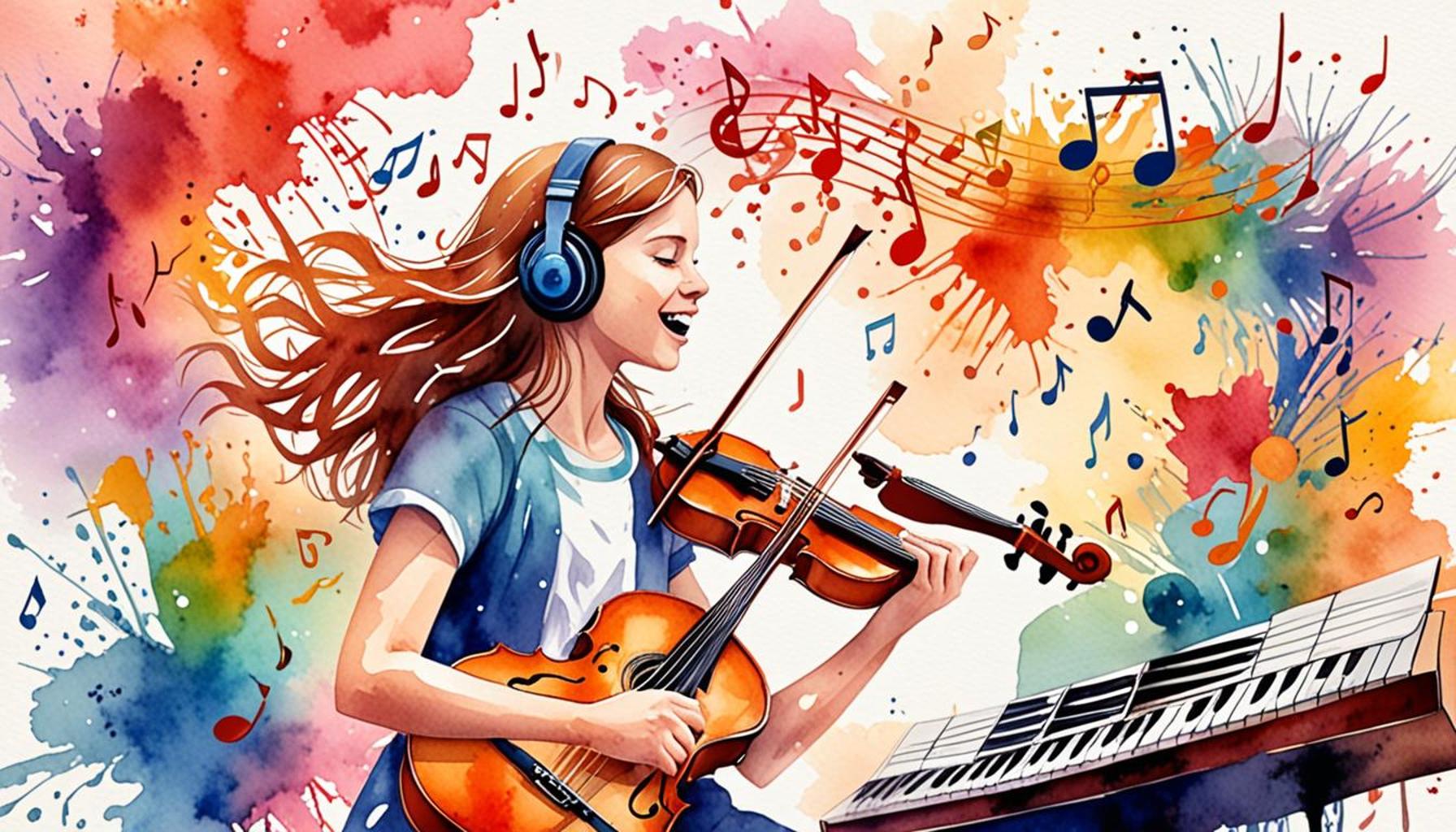
The Influence of Music on Cognitive Development
Music is not merely a source of entertainment; it wields transformative power in the educational landscape, significantly enhancing the learning experience for youth. A wealth of research supports the idea that integrating music into various educational settings can foster not only cognitive development but also creativity among students, providing them with tools that are invaluable throughout their academic journey and beyond.
Through engaging with musical activities, young learners can:
- Boost memory retention: The use of rhythm and melody has been shown to aid in the retention of facts and figures. For example, students often recall multiplication tables more effectively when they are set to music. This technique can be attributed to the way music organizes information, making it easier for the brain to process and retrieve but also making learning enjoyable and less daunting.
- Enhance language skills: Exposure to music has a profound impact on language acquisition. Children who participate in musical activities frequently exhibit improvements in pronunciation and vocabulary. Programs that incorporate singing or rapping can help students grasp complex language structures more readily and instill confidence in their communication abilities.
- Develop critical thinking: Engaging with music not only involves listening but also encourages analytical skills and problem-solving. When students collaborate on composing music or dissecting song lyrics, they practice making choices and thinking creatively, crucial skills in numerous academic subjects.
Furthermore, music education acts as a social catalyst that fosters vital interpersonal skills. Teamwork is integral to group performances or musical collaborations, where children learn the importance of communication, empathy, and discipline. Engaging in these activities not only enhances their social skills but also teaches children how to work harmoniously with others, preparing them for the collaborative nature of today’s workforce.
In the United States, programs like the El Sistema movement and Music Matters underscore the critical role that music plays in education. El Sistema, a Venezuelan program adopted in various U.S. cities, focuses on social change through music, demonstrating how music can uplift communities by providing children with opportunities for artistic expression. Similarly, Music Matters emphasizes the educational benefits of music education, advocating for comprehensive music programs in schools across the country. These initiatives exemplify how music can serve as a powerful catalyst for both academic success and emotional well-being.
Exploring the intricate relationships between music and education reveals invaluable insights into how these artistic expressions can transform learning. They not only enrich the educational experience but also lay a robust foundation for a well-rounded future, instilling skills and qualities that are essential in life’s multifaceted landscape. Ultimately, harnessing the power of music within educational frameworks may be one of the most effective strategies to cultivate an engaged, creative, and capable generation of learners.

DISCOVER MORE: Click here to learn how digital platforms are transforming the music landscape
The Impact of Music on Emotional and Social Learning
Music’s role in education extends beyond cognitive benefits; it also significantly influences emotional and social development among youth. Engaging with music creates avenues for emotional expression, allowing students to explore and articulate their feelings in a safe environment. This emotional connection fosters a sense of belonging and community, essential for any learner’s growth.
Participating in musical activities can help children understand and manage their emotions better. By engaging with various musical styles and lyric themes, students learn to identify and empathize with a range of feelings—be it sadness, joy, anger, or love. This emotional literacy cultivated through music is vital in today’s world; it equips children with tools to navigate complex social situations and fosters resilience against mental health challenges.
Moreover, the collaborative aspect of music education encourages the development of social skills. In group settings, children must communicate effectively, listen to their peers, and often make compromises for a shared goal: creating music. This practice is essential in nurturing leadership qualities and teamwork, attributes that are indispensable in both educational contexts and future workplaces. The social benefits of musical activities can be summarized as follows:
- Enhanced Communication: Music groups encourage students to articulate their thoughts and ideas clearly, promoting effective verbal and non-verbal communication skills.
- Empathy and Understanding: Through listening and sharing musical experiences, students learn to appreciate diverse perspectives, fostering a culture of inclusion and respect among peers.
- Conflict Resolution: Working in musical ensembles teaches students how to resolve differences constructively, a skill that transcends the classroom and benefits interpersonal relationships.
- Confidence Building: Performing music in front of others boosts self-esteem and encourages students to step out of their comfort zones, empowering them to tackle future challenges with greater assurance.
Additionally, research consistently shows that children who engage in music education often perform better academically. Programs like the Arts Education Partnership have been pivotal in illustrating the correlation between music involvement and improved grades, attendance, and overall school engagement. Schools with vibrant music programs tend to witness students who not only excel in music but also thrive in other subjects, as they develop crucial skills such as discipline, focus, and a robust work ethic through musical practice.
As educational institutions increasingly recognize the importance of a well-rounded education, the integration of music into various curricula is becoming more prevalent. The ongoing efforts to enhance music programs across the United States attest to a growing understanding of music’s vital role in shaping a holistic, enriching educational framework.
| Categories of Musical Activities | Advantages in Education |
|---|---|
| Instrumental Training | Enhances memory retention and cognitive skills through structured practice. |
| Vocal Performance | Boosts confidence and public speaking abilities, essential for student presentations. |
| Music Composition | Fosters creativity and problem-solving skills as students create original pieces. |
| Group Ensembles | Promotes teamwork and collaboration, crucial for social development. |
| Music Therapy | Helps in emotional expression and mental well-being, facilitating better focus in learning. |
Incorporating musical activities into education serves as a robust platform for youth development. Students engaged in instrumental training not only fine-tune their musical skills but also experience significant cognitive improvements. Similarly, vocal performance empowers students to express themselves confidently, a key skill for academic success.Moreover, music composition encourages innovative thinking while enhancing children’s problem-solving capabilities. Collaborative environments such as group ensembles teach invaluable lessons in teamwork and communication, pushing students to articulate their thoughts while respecting others’ input. Additionally, music therapy offers children a unique outlet that greatly improves emotional intelligence and focus, enriching their overall learning experience.These aspects spotlight the multifaceted benefits of integrating music into educational frameworks, leading to dynamic learning environments that cater to diverse student needs and talents. As educators recognize these advantages, the potential for music to play a transformative role in education becomes ever more apparent.
DISCOVER MORE: Click here to learn about the impact of collaboration in community art
Music as a Catalyst for Cognitive Development
In addition to enhancing emotional and social skills, music plays a pivotal role in cognitive development among youth, shaping their capacity for learning in diverse subjects. This relationship between music and cognitive abilities has been a subject of extensive research, with compelling findings supporting the idea that musical training significantly bolsters skills such as memory, attention, and critical thinking.
One of the most remarkable facets of music education is its impact on memory enhancement. Students involved in musical training often exhibit improved verbal memory and spatial-temporal skills. A study conducted by researchers at the University of California found that children who receive music instruction perform better on tests that require auditory processing and memory retention compared to those who do not. This shows that the discipline of learning musical instruments can translate into the educational realm, aiding students in retaining information across various subjects.
Furthermore, engaging with music encourages critical thinking and problem-solving abilities. When students analyze complex pieces of music or improvise during a jam session, they are not just honing their musical skills but are also developing their ability to think creatively and strategically. Music education involves understanding and interpreting complex musical notation, which enhances students’ analytical skills. According to a report from the National Endowment for the Arts, children who participate in music programs demonstrate an increase in their overall academic performance, particularly in subjects like math and science, where pattern recognition and analytical reasoning are crucial.
Additionally, the benefits of music education extend to improving attention and concentration. Learning an instrument or participating in a choir requires students to focus intently on various components such as rhythm, pitch, and lyrics, which sharpens their ability to concentrate. For instance, students who are involved in musical activities often demonstrate greater focus during academic tasks, leading to an overall positive effect on their learning environment.
Beyond cognitive advantages, music education fosters a sense of discipline and time management among young learners. The commitment required to practice and perform music instills a strong work ethic; students learn to set goals, manage their time effectively, and persevere through challenges. Research indicates that students involved in music are more likely to engage in positive study habits that contribute to academic success. These skills are not only essential in the classroom but are also valuable in any future career, allowing individuals to navigate the demands of professional responsibilities with ease.
Moreover, the integration of technology in music education has opened new possibilities for learning. Digital music production and software for composing have changed the landscape, enabling students to explore music creation in innovative ways. Programs such as GarageBand and Soundtrap empower young musicians to experiment with sound, further stimulating their creativity and encouraging collaboration with peers in a digital format.
The ongoing shifts in educational approaches reflect a growing recognition of the critical role music plays in not just developing musical talent but also enriching overall cognitive capacities. As schools strive towards offering comprehensive educational experiences, music education emerges as a keystone component that enriches youth learning, paving the way for holistic development.
DISCOVER MORE: Click here to learn about the therapeutic benefits of crafts
Conclusion: The Lasting Impact of Music in Youth Education
As we have explored, music education plays an integral role in enriching the learning experience of youth, impacting their emotional, social, and cognitive development. The benefits of engaging with music extend far beyond simply acquiring a skill; they encompass a broader spectrum that includes enhanced memory retention, improved attention span, and heightened critical thinking abilities. Studies consistently show that students who participate in musical activities not only excel musically but also perform better academically across various subjects, including mathematics and science.
Moreover, music fosters essential life skills such as discipline, time management, and collaboration, which are vital for success in any field. The introduction of technology in music education further amplifies these benefits, allowing students to explore innovative ways of expression and creativity that resonate with today’s digital culture. As educators and policymakers recognize the significance of these elements, integrating music programs into school curricula becomes increasingly critical.
By embracing the holistic advantages of music in education, we cultivate well-rounded individuals who are not only academically adept but also possess the social and emotional intelligence needed to thrive in a rapidly changing world. It is essential for communities and schools to champion the arts, making music education accessible to all youth. The time has come to explore the transformative power of music and its ability to shape future generations, empowering them to navigate the complexities of life with creativity, resilience, and confidence.