The Role of Music Festivals in Promoting New Talents and Local Culture
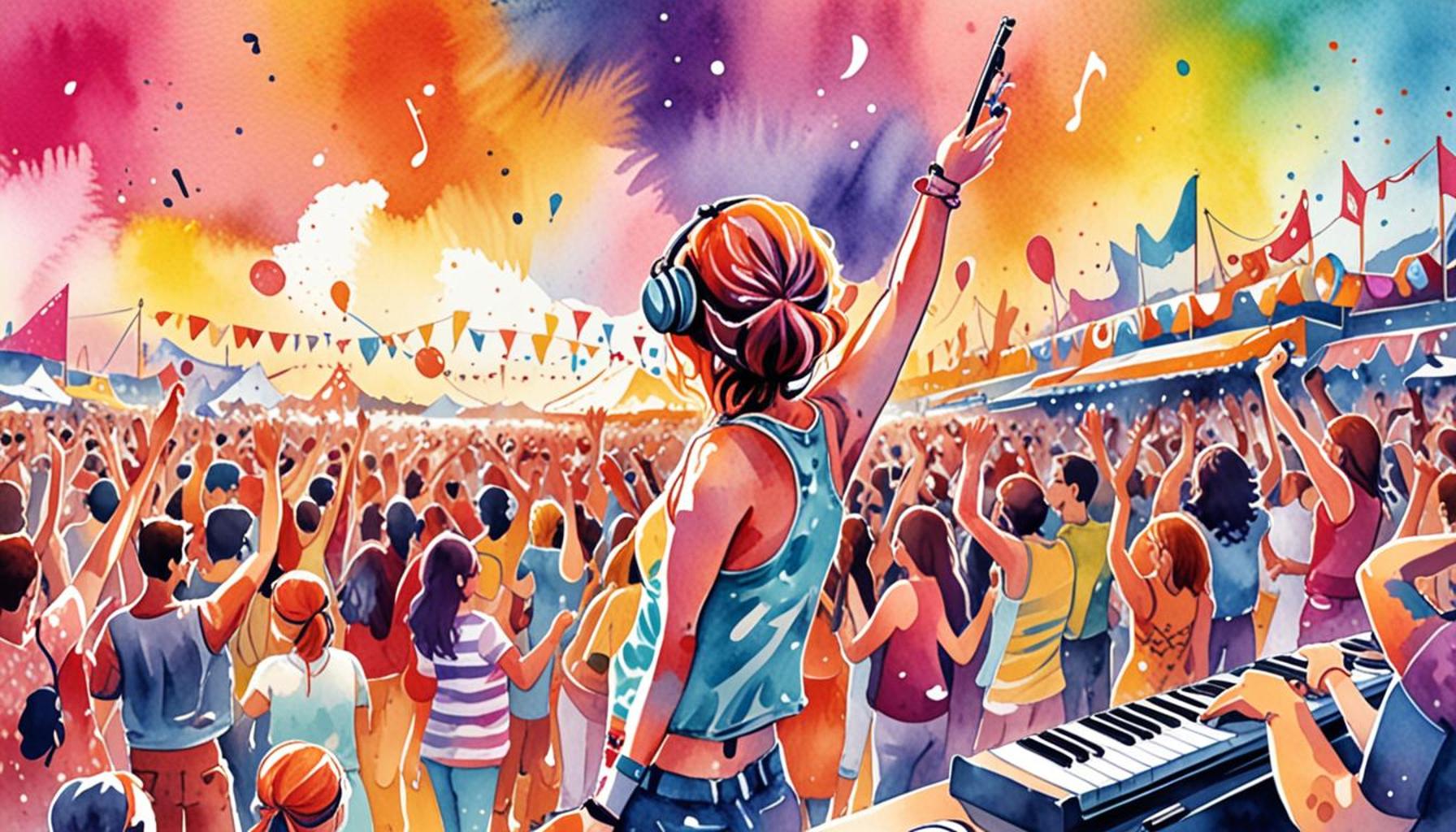
The Role of Music Festivals in Nurturing Talent
Music festivals are more than just large gatherings of people enjoying live performances; they are critical platforms that shape the future of the music industry. For many emerging artists, festivals represent a milestone—a chance to step into the limelight and receive recognition that can propel their careers forward. Festivals such as South by Southwest (SXSW) and Newport Folk Festival have gained reputations for discovering and launching the careers of countless musicians. Notable artists like Billie Eilish and Mumford & Sons have played pivotal festival stages early in their careers, underscoring how crucial these events can be in providing the necessary exposure to an artist’s talents.
Exposure for Artists
One of the primary advantages of participating in a music festival is the exposure it offers. When emerging artists perform live, they not only showcase their music but also engage with an audience that may be unfamiliar with their work. Festivals attract diverse spectators, including music lovers, industry professionals, and media personnel, all on the lookout for the next big artist. This visibility can lead to record deals, collaboration opportunities, and a dedicated fanbase. For instance, many musicians who gain traction during events often see a significant uptick in their social media followers and streaming numbers shortly after their performances. The real-time feedback from live audiences can also be critical for artists to refine their craft.
Cultural Significance
Beyond the artists, music festivals play a vital role in celebrating and preserving local culture. Many events spotlight specific genres tied to particular regions, such as blues festivals in Chicago or bluegrass gatherings in Nashville. This focus not only honors traditional sounds but also encourages artists to innovate within their cultural frameworks. For example, the New Orleans Jazz & Heritage Festival showcases not just jazz but a variety of local genres, creating a rich tapestry of musical expression that contributes to the city’s identity. Moreover, these festivals often feature local crafts, cuisine, and other art forms, creating an immersive cultural experience that fosters a deeper appreciation for the heritage being represented.
Community Engagement
Music festivals are also vital for community engagement. They provide a space where people from diverse backgrounds can come together, bond over a shared love for music, and celebrate their differences. Events like The Roots Picnic in Philadelphia are powerful examples of how festivals can promote unity. They create an inclusive atmosphere that encourages cultural exchange and collaboration, reinforcing the notion that music truly has the power to connect people. Moreover, many festivals contribute to local economies by boosting tourism and providing work for vendors, promoting a sense of community pride and shared investment in the arts.
As we explore the intricate connections between music festivals, emerging artists, and community culture, it becomes evident that these events are dynamic spaces that foster artistic growth and cultural appreciation. Thus, attending or participating in music festivals is not just about enjoying performances; it’s about being part of a larger narrative that celebrates creativity and shared human experience. Whether it’s a small-town event or a large-scale festival, the implications of these gatherings resonate far beyond their stages, shaping the cultural landscape of the U.S. in profound ways.
DISCOVER MORE: Click here to learn about the transformative power of music education
The Ripple Effect of Music Festivals on Emerging Artists
Music festivals act as catalysts for emerging artists, enabling them to break free from the constraints of local venues and be discovered on a larger stage. This phenomenon can be attributed not only to the exposure provided by these festivals but also to their carefully curated environments that celebrate artistic diversity. Most festivals aim to create a lineup that appeals to both mainstream audiences and niche followers, ensuring that an array of artists gain visibility. In many cases, festivals have become the launching pads for artists who possess the potential to reshape the music landscape.
Bridging the Gap with Industry Professionals
Another significant advantage of music festivals is their unique ability to bridge the gap between artists and influential industry insiders. The presence of talent scouts, record label representatives, and music journalists creates a fertile ground for networking and collaboration. For example, the annual Coachella Valley Music and Arts Festival in California is notorious for drawing in industry heavyweights who are eager to discover fresh sounds. Many of today’s top artists have shared stories about how pivotal their festival appearances were to getting signed or collaborating with established musicians.
Support for Local Arts
Music festivals also serve as a stronghold for local arts, making them essential to the cultural fabric of their surroundings. They often feature a mix of local artists and regional sounds, ensuring that the culture of the area is not just acknowledged but celebrated. The Philadelphia Folk Festival, for instance, showcases local folk musicians alongside national acts, providing a platform for regional talent while fostering a sense of pride among community members. Festivals frequently incorporate local crafts, food, and art, enhancing the experience and allowing festival-goers to engage meaningfully with the local culture.
Economic Impact and Job Creation
Moreover, the economic implications of music festivals are noteworthy. They have the potential to significantly boost local economies by attracting tourism, creating jobs, and stimulating various sectors, including hospitality, retail, and transportation. According to a study conducted by the National Endowment for the Arts, music festivals in the U.S. stimulate millions in economic activity annually. They often employ local vendors and artists, contributing to community growth and sustainability. For small towns that may lack entertainment venues, festivals can be crucial in providing a steady influx of visitors and an opportunity for local entrepreneurs to thrive.
As we delve deeper into the interconnectedness of music festivals, artists, and local cultures, the importance of these events surfaces as vital not just to the music industry but also as a cornerstone of community identity. Music festivals are avenues that redefine what it means to celebrate artistic expression within cultural contexts, and their impact echoes long after the final notes fade away.
| Category | Details |
|---|---|
| Exposure for New Artists | Music festivals provide a unique platform for emerging talents to showcase their artistry to larger audiences, gaining invaluable exposure. |
| Cultural Representation | These events enhance local culture by including traditional and contemporary elements, fostering a deeper appreciation for diverse musical backgrounds. |
The impact of music festivals extends beyond just entertainment; they serve as vital instruments for cultural exchange and innovation. Emerging artists often find themselves thrust into the spotlight at these events, many of whom may have never had the opportunity to reach such a wide audience through traditional avenues. This visibility not only boosts their careers but also cultivates a rich tapestry of sound that reflects the cultural nuances of the region.Furthermore, festivals are the melting pots of creativity where local culture thrives and evolves. By featuring both popular and lesser-known genres, festivals connect audiences with their cultural roots while also introducing them to new musical expressions. This blend sparks discussions about identity and heritage, inviting attendees to explore the depths of their local culture, making each festival an enriching experience.As festivals continue to attract diverse crowds, they fortify the local economy, offering financial support to food vendors, artisans, and other local businesses. This interconnectedness propels communities toward a cultural renaissance, strengthening the ties that bind them together.
DIVE DEEPER: Click here to learn how digital platforms are shaping the music industry
Cultivating Community Engagement through Music Festivals
Music festivals are not solely about entertainment; they play a pivotal role in fostering community engagement and participation. By bringing together diverse groups of people, these events create a sense of unity and collective experience. Festivals often include workshops, panel discussions, and interactive activities that allow attendees to engage with artists, local businesses, and cultural organizations. This engagement serves to break down barriers and encourages collaboration among different community sectors.
Empowering Underrepresented Voices
Another crucial aspect of music festivals is their commitment to showcasing underrepresented voices and genres. Many festivals have embraced a more inclusive approach by programming artists from various cultural backgrounds, genres, and identities. The Essence Festival in New Orleans, for example, celebrates Black culture and has become a platform for showcasing the talents of Black artists alongside discussions surrounding heritage and empowerment. By prioritizing diversity in their lineups, festivals help expand the music industry’s representation and allow unique narratives to emerge, enriching the overall cultural landscape.
Education and Skill Development
Music festivals are also educational arenas where emerging artists can hone their skills and gain valuable industry knowledge. Participating artists often have the opportunity to attend workshops and masterclasses, where they can learn about performance techniques, songwriting, marketing strategies, and industry trends from seasoned professionals. Events like the South by Southwest (SXSW) festival not only showcase musical talent but also foster comprehensive growth by providing resources for aspiring musicians to master their craft. Such educational initiatives ensure that new talents aren’t just discovered but are also prepared for the challenges of a competitive industry.
Global Exposure and Cultural Exchange
In an increasingly connected world, music festivals allow for cultural exchange on a global scale. Festivals like the Global Citizen Festival work to inspire action through awareness and advocacy by featuring artists from around the world and promoting dialogue on pressing global issues. The convergence of various musical styles and traditions fuels creativity and innovation, allowing local artists to incorporate international influences into their work. This cultural blending results in the emergence of unique sounds and artistic expressions, reinforcing the notion that music festivals are crucibles of cross-cultural inspiration.
Environmental Consciousness and Sustainability
As discussions about sustainability and environmental responsibility grow more prominent, many music festivals are taking proactive steps to minimize their environmental impact. Music festivals like the Governor’s Ball in New York City are implementing eco-friendly practices, such as waste reduction, recycling initiatives, and the promotion of public transportation. These efforts not only raise awareness about environmental issues but also inspire attendees to consider their own roles in fostering sustainability. By intertwining music, culture, and ecological consciousness, festivals encourage a holistic approach to community values.
The multifaceted role of music festivals extends well beyond music itself, unraveling themes of community, empowerment, education, cultural exchange, and sustainability. Each festival stands as a testament to the potential of music to connect, inspire, and nurture the identities of diverse local cultures. As we explore further, the importance of these events in championing new talents and preserving cultural heritage becomes even more apparent.
DISCOVER MORE: Click here to learn how art can impact mental well-being
Conclusion: Music Festivals as Catalysts for Talent and Culture
In conclusion, the significance of music festivals extends far beyond the realm of mere entertainment—they are essential platforms for promoting new talents and showcasing the rich tapestry of local cultures. By creating vibrant spaces where diverse artists can share their voices, festivals play a crucial role in articulating narratives that might otherwise go unheard. From empowering underrepresented musicians to advocating for environmental sustainability, these festivals embody a multifaceted approach to community building.
The educational opportunities offered at festivals equip aspiring artists with necessary skills, while the exposure to myriad cultures fosters an appreciation for global diversity. As seen in events such as the Essence Festival and SXSW, the convergence of local and international talents spurs creativity and innovation, allowing unique musical styles to flourish. Moreover, by prioritizing sustainability, festivals inspire a greater consciousness towards ecological issues, reinforcing their role as cultural leaders.
As music festivals continue to evolve and adapt, their power to unite people from all walks of life will undoubtedly remain a vital force in both the music industry and community engagement. Moving forward, embracing inclusivity, education, and cultural exchange will ensure that these events not only thrive but also pave the way for the new generation of artists and cultural custodians. The future of music festivals is poised to be an exciting journey, inviting audiences to explore, celebrate, and actively participate in the vibrant stories of their local and global communities.