The Influence of Cultural Aesthetics on Streamlined Space Design
The Intersection of Design and Cultural Heritage
In our increasingly globalized world, cultural aesthetics play a significant role in shaping the spaces we inhabit. As designers embrace streamlined approaches, they are inspired by diverse cultural expressions that not only enhance functionality but also promote beauty, making environments more inviting and meaningful. This fusion reflects a broader trend where traditional designs coexist with contemporary practices, creating a rich tapestry of influences.
The convergence of different design philosophies brings forth unique elements that serve not just as decor but carry stories and significance. For instance, minimalism is heavily influenced by Japanese Zen principles, emphasizing tranquility and simplicity. This aesthetic invites individuals to focus on their surroundings while minimizing distractions, creating an oasis of calm in bustling urban settings. A prime example is the use of shoji screens, which blend functionality with an ethereal quality, filtering light and maintaining privacy without overwhelming a space.
On the other hand, the use of bold colors and patterns from African textile artistry infuses energy and vibrancy into modern spaces. Designers draw inspiration from kente cloth or mud cloth, integrating these eye-catching motifs into furniture, wall treatments, or even small accents like throw pillows. This approach not only celebrates cultural heritage but also adds a layer of dynamism that can transform a plain room into a lively gathering spot, reflecting the rich narratives embedded in each design element.
Additionally, the emphasis on natural materials is a nod to Indigenous practices that honor sustainability and the relationship between humans and nature. The use of reclaimed wood, stone, and other organic materials helps to create environments that feel connected to the earth. For example, the trend of biophilic design, which incorporates natural elements into interiors, resonates deeply with Indigenous philosophies that view nature as integral to life. This approach fosters a sense of belonging and enhances well-being, showing how cultural aesthetics can promote a meaningful connection to both nature and heritage.
The Quest for Harmony and Purpose
Streamlined designs are not solely about aesthetics; they also aim to create harmonious environments. The integration of cultural aesthetics helps designers achieve a balance between visual appeal and functionality. One of the key areas where this balance is evident is in the creation of a sense of place and community. Spaces designed with cultural influences feel more relatable, allowing individuals to connect with their environment on a deeper level.
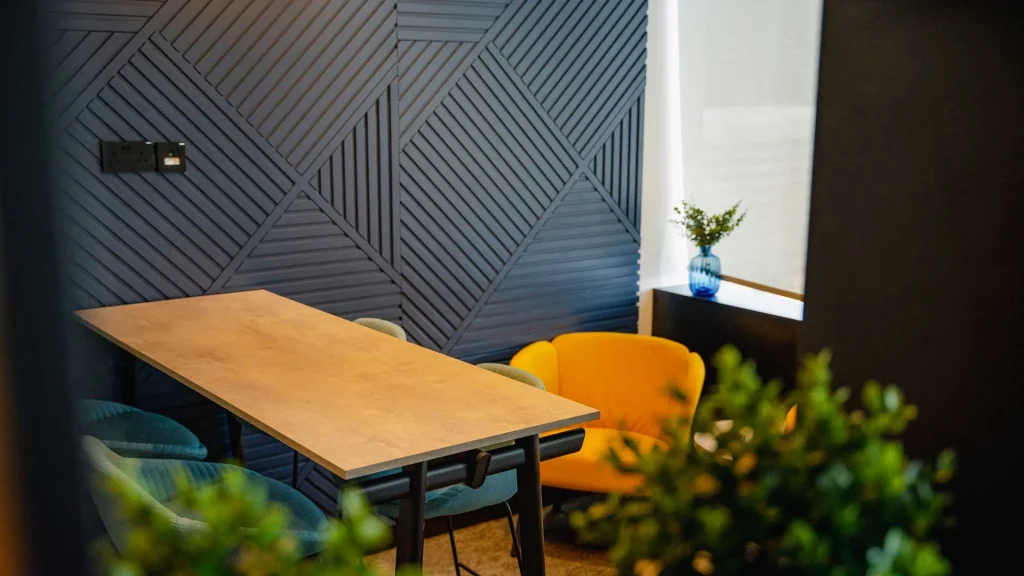
Moreover, these thoughtfully designed spaces contribute to a serene atmosphere that is conducive to productivity. In corporate environments, for instance, incorporating areas that reflect cultural heritage can lead to increased morale and creativity, as employees feel more valued and inspired by diverse expressions of art and design.
Finally, cultural aesthetics ensure a connection to history and tradition, reminding individuals of the rich tapestry of human experience that shapes our modern lives. This intentionality in design leads to a deeper understanding of one’s surroundings and fosters a collective memory that honors past cultures while paving the way for future innovations.
As we delve deeper into the relationship between cultural aesthetics and space design, we uncover how these elements guide innovative practices. By exploring how diverse cultural influences continue to redefine streamlined living spaces, we can appreciate the beauty that emerges from this collaborative spirit. Join us in this ongoing conversation about the powerful impact of cultural aesthetics in shaping environments that reflect who we are and aspire to be.
Embracing Diversity in Design Elements
The influence of cultural aesthetics on streamlined space design cannot be overstated. As architects and interior designers work to create functional yet beautiful spaces, they often turn to a wide array of cultural influences that add depth and character to their projects. This exploration of diverse aesthetics proliferates a richer design vocabulary, allowing for a more comprehensive approach to space planning and decoration.
One striking manifestation of this influence is the incorporation of cultural motifs and symbols that reflect the identity of a space. By integrating elements from various cultures, designers can create environments that resonate with those who inhabit them. Here are a few ways cultural aesthetics weave themselves into modern design:
- Textiles and Fabrics: The use of textiles such as Moroccan rugs, Indian block prints, or Scandinavian patterns lends warmth and texture to interiors. These fabrics can transform a stark, minimalistic design into a cozy sanctuary.
- Architectural Details: From ornate moldings seen in colonial architecture to the geometric patterns found in Islamic design, architectural details inspired by cultural heritage can enhance visual interest while maintaining a streamlined look.
- Color Palettes: Assorted cultural color palettes can dictate the mood of a space. For example, earthy tones from Native American craftsmanship evoke a sense of grounding, while vibrant hues from Latin American traditions can inject energy into community spaces.
- Art and Artifacts: Incorporating local art or artifacts can serve not just as decoration but also as conversation starters. A piece of artwork, whether it’s a contemporary piece reflecting an African heritage or a traditional Native American pottery display, can invoke cultural pride and awareness.
Furthermore, the concept of functional beauty is gaining traction in the realms of architecture and product design. For instance, the Scandinavian approach emphasizes both aesthetics and practicality, showcasing how cultural influences can result in designs that are both visually appealing and efficiently functional. The minimalist philosophy of this region encourages clean lines and a focus on craftsmanship, which aligns with the streamlined design ethos while still capturing a distinctive cultural signature.
Moreover, the growing popularity of sustainable design echoes traditional practices found in various cultures that prioritize a harmonious relationship with nature. By using eco-friendly materials and methods that pay homage to Indigenous craftsmanship, designers can create streamlined spaces that foster sustainability without sacrificing beauty. This mindful consideration is an integral part of modern practices that honor cultural values when designing environments, reflecting an understanding of their significance.
In this intricate dance between tradition and innovation, the sustainable adaptation of historical elements into contemporary frameworks creates spaces that feel both fresh and timeless. As we observe these trends unfolding, it becomes clear that the influence of cultural aesthetics on streamlined space design is a vital source of inspiration that enriches the built environment, inviting us to explore, appreciate, and celebrate the diverse world we inhabit.
The Influence of Cultural Aesthetics on Streamlined Space Design
In the world of design, cultural aesthetics play a pivotal role in shaping environments that resonate with users. By blending traditional elements with modern sensibilities, designers create spaces that not only look aesthetically pleasing but also evoke emotions and stimulate interactions. This dynamic fusion leads to designs that are not only functional but also meaningful. For instance, incorporating elements from local heritage can provide a sense of belonging, while the use of modern materials might convey innovation and forward-thinking.
Consider how Japanese wabi-sabi, which embraces imperfection and transience, can inspire streamlined interiors that prioritize simplicity and organic forms. This cultural perspective encourages a design philosophy focused on minimalism, allowing spaces to unfold naturally around their inhabitants. Similarly, Nordic design’s emphasis on functionality paired with natural materials promotes an environmentally conscious approach, catering to contemporary sustainability trends while celebrating cultural origins.
Thus, as designers delve deeper into the nexus of cultural narratives and spatial aesthetics, they refine their approach, offering creations that are not just visually striking but also deeply reflective of societal values and customs. This trend transforms not only interior spaces but also the overall experience of occupants, urging individuals to interact with their surroundings on a more profound level, fostering community and shared stories.
| Cultural Influence | Visual Impact on Design |
|---|---|
| Japanese Aesthetics | Emphasis on simplicity and the beauty of imperfection leads to tranquil, uncluttered spaces. |
| Nordic Design | Focuses on functionality and sustainability, creating cozy yet efficient living spaces through natural materials. |
Understanding these influences allows designers to not only meet the functional needs of spaces but also to create environments that resonate with the cultural identities of their inhabitants. This cultural synergy paves the way for innovative design solutions that reflect the unique context in which they exist, truly bringing spaces to life.
Cross-Cultural Inspiration and Its Impact
The integration of cross-cultural inspiration has significantly broadened the horizons of streamlined space design. By borrowing ideas and techniques from various cultural backgrounds, designers create spaces that are both striking and functionally enriching. This practice not only embraces the visual diversity of global traditions but also offers myriad benefits within a modern context.
One of the most compelling aspects of this cultural fusion is the ability to tell stories through design. For instance, integrating African tribal patterns into contemporary wall art can evoke a narrative of connection and heritage, while also appealing to a wider audience. Similarly, Japanese Zen principles emphasize simplicity and natural elements, encouraging a serene environment that promotes mindfulness. Such philosophy directly informs modern American designs, many of which prioritize wellness through biophilic elements like indoor plants or naturally lit spaces.
Moreover, the adaptive reuse model prevalent in urban design emphasizes reimagining existing structures through the lens of diverse cultural aesthetics. This approach, often seen in revitalization projects across cities like Detroit or San Francisco, showcases how historical buildings can transition into modern spaces while preserving their cultural essence. The melding of old and new facilitates a dialogue between past and present, ensuring that cultural narratives remain alive in evolving urban landscapes.
In the realm of hospitality design, cultural aesthetics play a pivotal role in shaping user experiences. Hotels and restaurants increasingly draw inspiration from their local cultural contexts, creating atmospheres that resonate with both tourists and locals. For example, a hotel in New Mexico might integrate Pueblo-inspired terracotta tiles and adobe textures to create an authentic Southwestern vibe, while maintaining a contemporary layout. Such thoughtful design decisions nurture a sense of place, encouraging guests to engage meaningfully with their environment.
The concept of hybridity in design—the blending of multiple cultural influences—has emerged as a key trend. This is particularly evident in contemporary kitchens that incorporate elements from diverse cuisines and cooking practices. Designers are increasingly including open layouts that allow for social interaction while featuring tools and materials inspired by global culinary traditions. For example, the introduction of Asian wok stations alongside Western gas ranges exemplifies how cultural elements can coexist and enhance the efficiency and enjoyment of daily life.
Furthermore, there is a growing recognition of the power of storytelling through lighting and ambiance. Different cultures utilize light in unique ways to create mood and atmosphere. Traditional lanterns from Asian cultures, for example, can be combined with sleek, modern fixtures to evoke a sense of harmony and tranquility in a contemporary setting. Harnessing the power of ambient lighting fosters spaces that feel both inviting and culturally significant.
This exploration of cultural aesthetics in streamlined space design encourages designers to engage with their communities at a more profound level. By listening to the narratives and visual language of diverse cultures, the built environment becomes a canvas for inclusivity and storytelling. As we continue to navigate a multi-faceted world, the incorporation of cultural aesthetics remains a rich source of inspiration that redefines how we experience space itself.
Conclusion: A Tapestry of Influence in Design
The influence of cultural aesthetics on streamlined space design is undeniably profound and multifaceted. As modern designers draw inspiration from diverse global traditions, they are not only enriching the aesthetic value of spaces but also fostering inclusive environments that tell powerful stories. This cultural collaboration nurtures a deeper connection between individuals and their surroundings, reflecting the narratives and values of various communities.
Moreover, the innovative integration of adaptive reuse encourages the preservation of historical narratives while facilitating contemporary functionality. By breathing new life into existing structures, designers create spaces that honor the past even as they adapt to future needs. This dynamic interplay between old and new further enriches the experience of those who inhabit or visit these spaces, highlighting the importance of contextual design.
As we look ahead, the concept of hybridity in design holds immense potential. The blending of multiple cultural influences not only enhances the aesthetic appeal but also promotes efficiency and interaction in daily life, as seen in modern kitchens and shared living spaces. Additionally, the recognition of cultural storytelling through lighting and ambiance emphasizes how environment shapes our emotions and interactions.
In conclusion, the fusion of cultural aesthetics in streamlined space design offers a remarkable opportunity to redefine how we experience and relate to our environments. By embracing diversity and narrative-driven design choices, we pave the way for spaces that are not only visually appealing but resonate deeply with those who engage with them. As designers continue to innovate, the rich tapestry of cultural influences will undoubtedly continue to inspire and shape the future of space design.