The Impact of Technology on Streamlined Living: Smart Home Solutions for Minimalist Spaces
Revolutionizing Minimalism
In recent years, the intersection of technology and minimalism has given rise to a new way of living—streamlined living. This modern lifestyle not only advocates for the reduction of physical possessions but also embraces the integration of advanced technologies that allow individuals to maximize their space and enhance daily functionality. As homeowners simplify their lives, smart home solutions have emerged as essential elements in achieving this contemporary ideology. These technologies facilitate a seamless and efficient living environment, perfectly complementing minimalist aesthetics.
What are Smart Home Solutions?
Smart home solutions are defined as technology-driven devices designed to improve daily living by introducing automation and connectivity into the home. Examples of these solutions include:
- Smart lighting: Imagine controlling your home’s lighting simply by speaking a command. Smart bulbs can adjust brightness and color, creating the perfect ambiance for any occasion, all managed via a mobile app or voice command through devices such as Amazon Echo or Google Home.
- Smart thermostats: These devices optimize energy usage by learning your heating and cooling preferences. For instance, the Nest Learning Thermostat can adjust temperatures based on whether you’re home or away, often resulting in significant cost savings on utility bills.
- Smart locks: Gone are the days of fumbling for keys. Smart locks provide keyless entry through codes or smartphone applications, and some even allow for remote access, ensuring your home remains secure while also providing convenience for guests or service personnel.
- Smart speakers: These devices, such as the Apple HomePod or Sonos One, act as central hubs for managing all other smart devices in your home. They enable easy voice commands and can even play music or answer questions, fitting perfectly into the minimalist lifestyle by reducing clutter and complexity.
Why Choose Smart Solutions?
Integrating smart technology into a minimalist home presents numerous advantages:
- Space efficiency: Many smart devices are designed to be compact and multifunctional, minimizing clutter while still delivering high functionality. A smart speaker with built-in voice assistant removes the need for multiple remotes and physical devices.
- Increased convenience: Automation simplifies daily interactions, allowing users to manage light, temperature, and security with minimal effort. For instance, setting up routines can enable lights to turn on at sunset or adjust the thermostat when you leave the house.
- Energy savings: Smart technologies encourage responsible consumption patterns. With real-time data and insights, such as those provided by energy monitoring systems, homeowners can identify usage patterns and make adjustments, effectively lowering their utility bills.
As we navigate through this digital transformation, the impact of smart home technologies becomes increasingly evident. These innovations not only redefine what minimalist living looks like but also pave the way for a more connected and efficient future. They allow individuals to flourish in environments characterized by simplicity and ease, enabling a focus on the experiences that truly matter. Join us as we explore the many ways these smart home solutions can enhance your minimalist lifestyle, unlocking the potential for a more streamlined and harmonious home.
DIVE DEEPER: Click here to explore the impact of cultural aesthetics
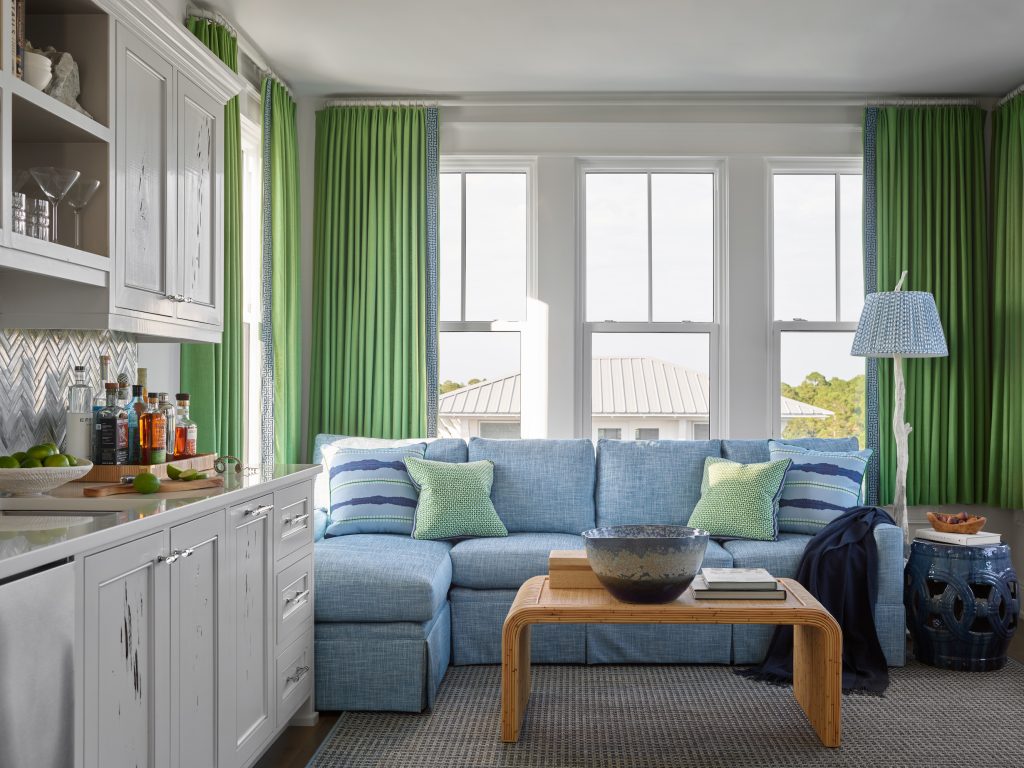
Enhancing Daily Functionality through Innovation
The modern minimalist lifestyle is not merely about decluttering physical spaces; it is a holistic approach that seeks to optimize daily experiences. With the rise of smart technologies, streamlined living has transcended traditional boundaries, creating homes that are not only aesthetically pleasing but also seamlessly functional. As society shifts toward digital solutions, the idea of a minimalist home transforming into a smart abode merges technology with necessity, providing intelligent solutions tailored to enhance quality of life.
The Role of Automation in Minimalist Homes
At the heart of smart home solutions lies automation, a game-changer for minimalists who value efficiency. Automation reduces the need for physical intervention in daily tasks, allowing homeowners to focus on what matters most—whether it’s enjoying a leisurely evening at home or spending more time with loved ones. Here are a few innovative ways automation is shaping minimalist spaces:
- Voice Control: Voice-activated devices, such as smart assistants, eliminate the need for pressing buttons and flipping switches. Homeowners can easily control all aspects of their environment, from lighting to music, enhancing convenience while keeping surfaces free of clutter.
- Remote Monitoring: Smart cameras and sensors provide homeowners with the ability to monitor their property remotely. This feature is especially valuable for minimalists who prioritize security without compromising aesthetics, as many smart cameras are sleek and unobtrusive.
- Smart Appliances: Appliances such as smart refrigerators and ovens come with built-in features that allow for remote operation and monitoring. By reducing the physical footprint of appliances, these gadgets enable more open space in the kitchen, aligning perfectly with minimalist principles.
Notably, the integration of these smart solutions can enhance safety, energy efficiency, and overall home management. For instance, functionalities that allow automated updates on energy consumption or security status empower homeowners to maintain control over their environments without added complexity.
Data-Driven Insights for a Minimalist Lifestyle
Another significant benefit of smart home technology is the capability to harness data for informed decision-making. Increased connectivity means that smart devices gather valuable information about energy usage, security patterns, and other daily routines. This data can help homeowners identify areas for improvement, enabling a purposeful selection of what to keep in their spaces versus what to discard. Examples include:
- Energy Consumption Reports: Smart thermostats may generate reports illustrating your energy usage patterns, allowing you to adjust habits to minimize waste. This proactive approach supports sustainable living, a principle that often resonates with minimalists.
- Home Security Analytics: Smart security systems can provide insights on traffic patterns around your home, helping you determine when it is safest to unlock your doors or set your alarms.
- Customized Rituals: By analyzing daily habits, smart devices can suggest routines that save time and enhance comfort, ensuring that the minimalist lifestyle remains as convenient as possible.
As individuals embrace the shift towards a more integrated, tech-driven way of living, the ripple effects of these advancements will continue to shape the core principles of minimalism. By combining advanced technologies with thoughtful design, homeowners can create spaces that are not only functional but also embody a streamlined way of life that promotes well-being and tranquility. In this evolving landscape, the possibilities are endless for those seeking to harmonize technology with minimalist ideals.
The Advantage of Smart Home Integration
As we explore the profound impact of technology on streamlined living, one cannot overlook the transformative nature of smart home solutions. These interconnected devices promote efficiency, sustainability, and minimalism, enabling homeowners to manage their living spaces with ease and elegance.
| Advantages | Key Features |
|---|---|
| Energy Efficiency | Smart thermostats and lighting adapt to your usage patterns, reducing energy waste. |
| Convenience | Remote control over devices through smartphones allows for effortless management. |
| Enhanced Security | Smart security systems provide real-time monitoring and alerts, ensuring safety. |
By integrating these technologies, households are not just improving functionality, but they are also aligning with a minimalist philosophy. This lifestyle encourages the use of fewer physical items, making room for greater emotional clarity and peace of mind in an age of overwhelming distractions. Such smart solutions harmonize innovation and simplicity, making streamlined living an attainable reality for many.
DIVE DEEPER: Click here to discover more insights
Fostering Sustainable Living Through Smart Solutions
As technology continues to evolve, so does its capacity to support a more sustainable way of living. For minimalists, sustainable practices align perfectly with their ethos of reducing excess and prioritizing functionality. Smart home solutions not only simplify daily tasks but also contribute to a smaller environmental footprint. The integration of eco-friendly technology can empower homeowners to adopt habits that preserve resources while enjoying their minimalist lifestyle. Here are several ways technology fosters sustainable living:
Energy Efficiency Innovations
With increasing concerns about climate change, energy efficiency has become a focal point for modern homeowners. Smart home devices are designed to enhance energy efficiency through intelligent monitoring and automated adjustments. Key innovations include:
- Smart Lighting: LED bulbs integrated with smart technology can adapt to daily routines, automatically dimming or brightening based on occupancy and natural light availability. This capability not only enhances comfort but also significantly reduces electricity consumption, aligning perfectly with minimalist and eco-conscious principles.
- Smart Thermostats: These devices learn individual preferences and scheduling patterns, allowing them to optimize heating and cooling based on when rooms are occupied. According to the U.S. Department of Energy, utilizing a smart thermostat can save homeowners up to 10-12% on heating and cooling costs annually.
- Energy Sourcing: Advanced smart grids enable homeowners to source their energy from renewable options, such as solar and wind. This shift toward sustainable energy solutions is a fundamental aspect of modern minimalism that reduces dependency on non-renewable resources.
By prioritizing energy efficiency, smart technologies encourage homeowners to make conscious choices that contribute to environmental preservation while embodying a minimalist lifestyle.
Reducing Waste with Smart Management Systems
Another essential aspect of minimalist living is minimizing waste—a principle that resonates deeply with environmentally conscious homeowners. Smart home solutions offer innovative tools that help streamline waste management and promote a more sustainable household:
- Smart Waste Bins: Equipped with sensors, these bins can detect when they are full, sending alerts to homeowners. This technology helps ensure timely disposal, reducing the risk of overflowing bins and promoting proper waste separation for recycling.
- Food Management Solutions: Devices like smart refrigerators can track food expiration dates and suggest recipes based on available ingredients. This feature encourages minimalists to consume what they have already purchased, ultimately reducing food waste—an issue that the United Nations estimates accounts for 33% of global food production.
- App-Integrated Waste Education: Many smart home systems offer apps that educate homeowners about composting, recycling, and the proper disposal of hazardous materials. These insights simplify the sometimes-overwhelming task of managing household waste.
By integrating waste-reducing technologies, minimalists can maintain their clean and uncluttered spaces while making significant contributions to sustainable living.
The Interconnected Experience
The hallmark of a smart home is its interconnectedness, where devices communicate seamlessly to create a holistic living experience. For minimalist homeowners, this feature eliminates the chaos that can often accompany multiple gadgets:
- Unified Control Systems: Solutions like smart hubs allow homeowners to consolidate control of various devices into a single interface. This reduced complexity streamlines daily operations, allowing for a cleaner, more organized environment.
- Adaptive Environments: Home automation systems can respond to changes—in light, temperature, or even air quality—adapting the living space accordingly. This real-time responsiveness fosters an atmosphere that promotes relaxation and reduces the need for unnecessary physical adjustments.
- Seamless Integration with Minimalist Design: Many smart devices are designed to complement minimalist aesthetics, featuring sleek lines and contemporary designs that enhance rather than detract from visual harmony.
Ultimately, the interconnected nature of smart home solutions empowers minimalists to create spaces that prioritize simplicity and efficiency without compromising aesthetics—further solidifying the connection between technology and a streamlined way of life.
DISCOVER MORE: Click here to learn about the impact of cultural aesthetics on design
Embracing the Future of Minimalist Living
As we delve into the transformative impact of technology on streamlined living, it becomes clear that smart home solutions are not merely trends but essential tools that resonate with the minimalist philosophy. By prioritizing simplicity, efficiency, and sustainability, these technologies empower homeowners to cultivate environments that reflect their aspirations for clean, uncluttered spaces without sacrificing comfort or functionality.
The advantages of energy-efficient innovations and waste-reducing management systems contribute significantly to this shift, enabling individuals to minimize their environmental footprints while embracing a lifestyle centered on purpose and intentionality. Household gadgets equipped with interconnected features aid in consolidating control and enhancing living experiences, ultimately allowing for an effortless balance between aesthetics and practicality.
As we look towards a future where technology continually integrates with our everyday lives, it is imperative for homeowners, particularly in the United States, to explore these advancements. Continuous innovation can lead to a more sustainable and conscious way of living that is not only beneficial to the individual but also crucial for the health of our planet.
In summary, the convergence of technology and minimalist living fosters a lifestyle that is not only about having less but about living better. This empowering union invites everyone to rethink their spaces, encouraging a journey towards a future where minimalism and smart solutions harmoniously coexist.