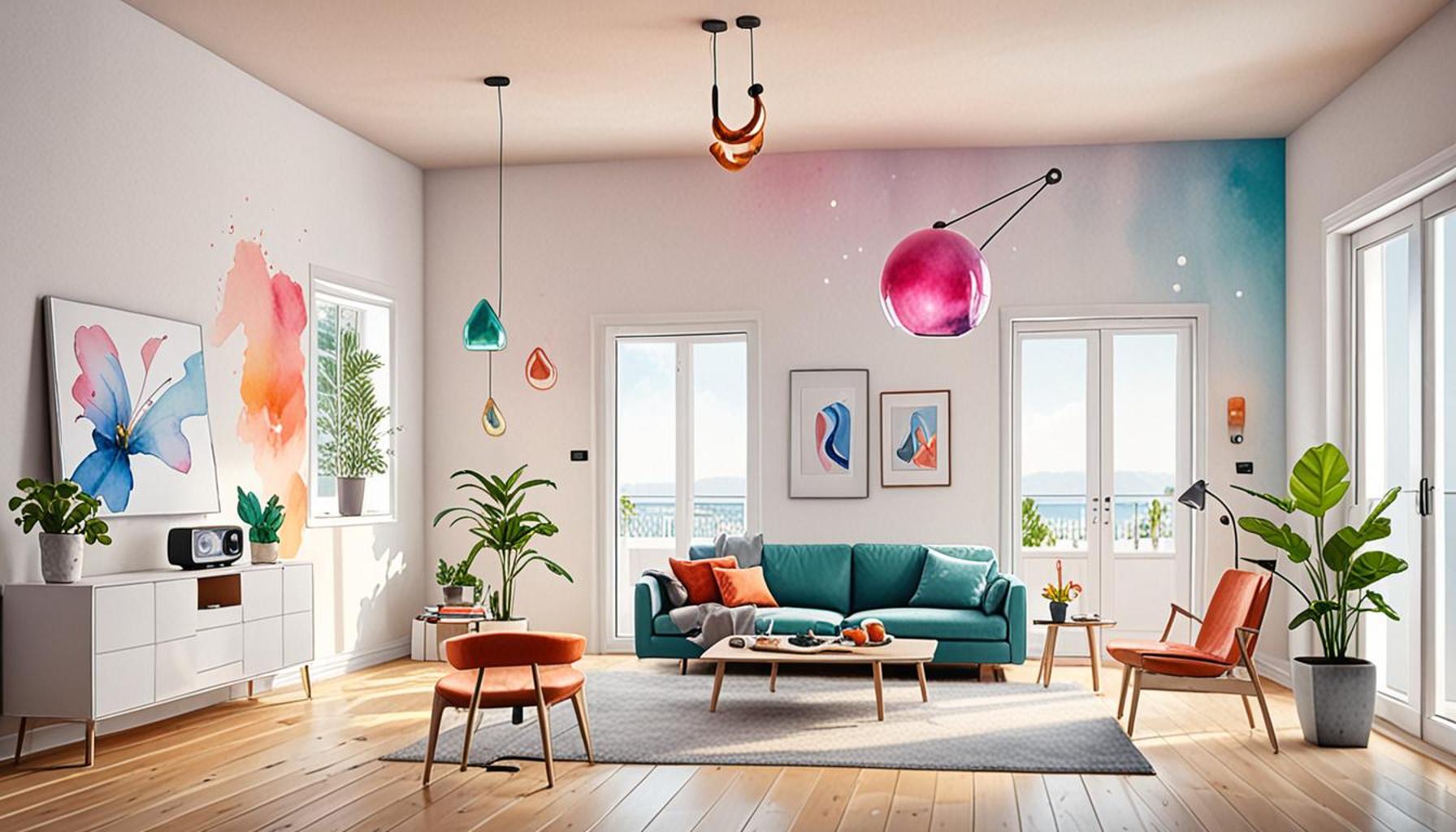
Streamlined Spaces for Remote Work: Enhancing Focus and Efficiency

Creating Productive Environments for Remote Work
In the age of remote work, the need for streamlined spaces has never been more critical. As many professionals in the United States adjust to working from home, the design and organization of their workspace can significantly impact their focus and efficiency. With more than 30% of the workforce engaged in remote work, creating an optimal home office environment is essential for both productivity and mental well-being.
To foster a productive environment, consider the following essential elements:
- Minimalist Design: A clutter-free area reduces distractions. The principle of minimalism can be particularly effective; removing superfluous items from your desk allows for a streamlined focus on work tasks. For instance, keeping only necessary tools like a laptop, notepad, and a few stationery items can enhance concentration and reduce stress associated with a chaotic workspace.
- Ergonomic Furniture: Comfortable chairs and desks improve physical well-being. Investing in ergonomic furniture not only reduces the risk of repetitive strain injuries but also encourages longer periods of comfortable sitting. Research indicates that chairs with lumbar support and adjustable desks can enhance productivity by at least 20%, as workers are less likely to suffer from fatigue during long hours.
- Natural Lighting: Enhances mood and productivity. Numerous studies have shown that exposure to natural light can significantly improve mood and energy levels. Positioning a desk near a window or employing natural light-enhancing tools such as light therapy lamps can reduce the adverse effects of long hours spent indoors. The incorporation of indoor plants can also complement natural light, promoting a healthier and more inviting atmosphere.
- Dedicated Zones: Separate work areas from personal spaces for better mental clarity. Establishing a specific area dedicated to work can foster a sense of professionalism, even at home. For instance, using a particular room or a well-defined corner of your living space for work helps to mentally separate personal and professional obligations, which can enhance work-life balance.
Implementing these features not only creates a conducive working environment but also encourages a balanced work-life dynamic. According to research, employees who optimize their home offices report higher productivity levels, leading to increased job satisfaction. Furthermore, a well-thought-out workspace can also lessen feelings of isolation often experienced in remote work settings, ultimately fostering better communication within teams.
As you explore the art of creating efficient home workspaces, consider how these adjustments can lead to greater focus and overall effectiveness in your daily routine. The investment in time and resources to develop a productive workspace is indeed an investment in your career and personal well-being. The benefits of optimizing your surroundings can be profound, leading not only to improved productivity but to enhanced creativity and job enjoyment.
DIVE DEEPER: Click here to discover more
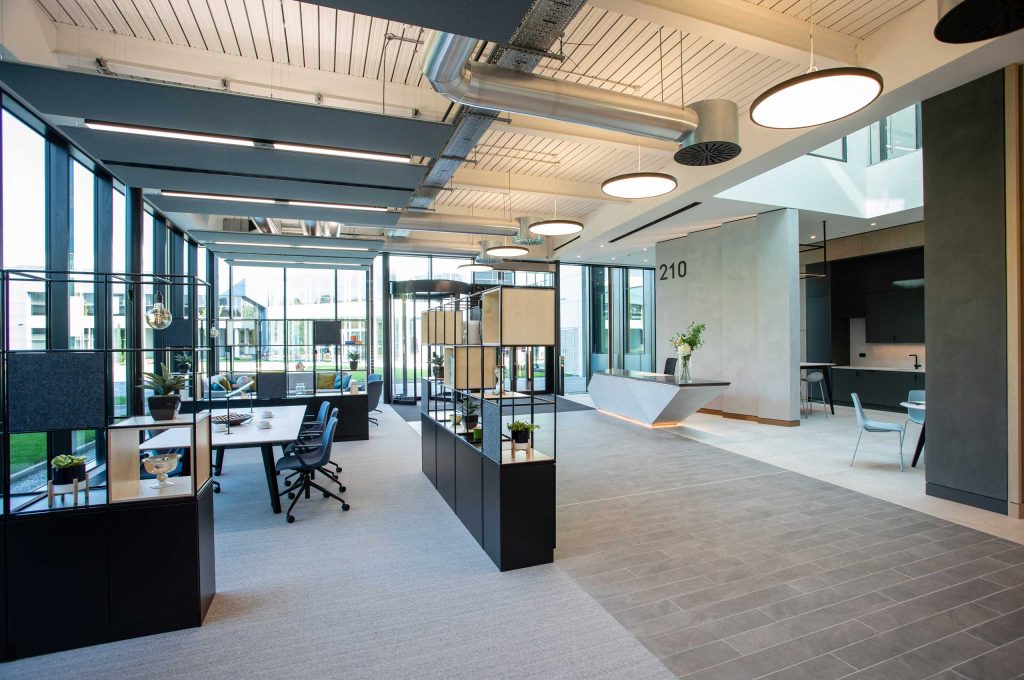
Key Features of a Streamlined Home Office
When it comes to designing a workspace that promotes focus and efficiency, several key features can significantly transform a home office into a productive environment. The elements that make up an effective workspace do more than just serve functional purposes; they play crucial roles in fostering mental clarity and creativity. Understanding how to leverage these elements can lead to improved outcomes in workflow and overall job satisfaction.
1. Organization Systems
Effective organization is essential for maintaining a streamlined space. A well-structured filing system, whether digital or physical, helps in quick retrieval of documents and reduces time wasted searching for essential materials. Consider the following organizational strategies:
- Use of Storage Solutions: Invest in shelves, filing cabinets, or organizers to keep your workspace tidy. Clear containers or labeled binders can make it easier to find what you need when you need it.
- Digital Management: Utilize productivity software and apps that can help track tasks and deadlines. Tools like Trello or Asana can create to-do lists that keep remote employees on task, ultimately enhancing their efficiency.
- Daily Cleanup Routine: Develop a habit of tidying up your desk at the end of each workday. This simple practice not only prepares your environment for the next day but also improves your mental state by providing a fresh start.
2. Personalization and Inspiration
While minimizing clutter is essential, personal touches in your workspace can also boost motivation and enhance creativity. The right mix of inspiration and minimalism can keep you engaged. Here are a few easy ways to create a workspace that resonates with your personality while remaining streamlined:
- Inspiring Artwork: Hang prints or posters that inspire you; choose pieces that reflect your professional ambitions or personal aesthetics.
- Motivational Quotes: Use sticky notes or a bulletin board to display quotes that energize you. These reminders can cultivate a positive mindset throughout the workday.
- Personal Items: Incorporate a few personal mementos or images. However, keep these to a minimum to avoid distraction.
3. Technology Integration
With remote work relying heavily on technology, ensuring that your workspace is equipped with the right tools is critical. This means not just having a computer and internet connection but also optimizing technological setups for performance. Consider these aspects:
- Quality Equipment: Invest in reliable hardware such as a high-resolution monitor, noise-canceling headphones, and a supportive keyboard to enhance your work experience.
- Tech Organization: Use cable organizers or wireless technologies to minimize visual clutter from chargers and cords. A clean setup can lead to better focus and less frustration.
- Connectivity Setup: Ensure your internet connection is stable. Having a dedicated bandwidth for work can minimize distractions and reduce lag during video calls.
In conclusion, creating a streamlined space for remote work involves a thoughtful blend of organization, personalization, and technology integration. By investing time to curate an intentional workspace, remote workers can enhance their focus and efficiency, paving the way for greater productivity and improved job satisfaction.
| Advantage | Impact on Productivity |
|---|---|
| Flexible Work Environment | Promotes adaptability and personalized work styles, catering to individual needs. |
| Optimized Lighting | Natural light increases alertness and minimizes eye strain, boosting overall efficiency. |
Remote work has transformed how individuals approach their daily tasks, fostering greater flexibility in work environments. This adaptability not only aligns with personal productivity styles but also enables individuals to operate at peak performance by choosing spaces that energize and inspire focus. Additionally, incorporating optimized lighting in remote workspaces plays a critical role in performance enhancement. By prioritizing natural light, remote workers can reduce fatigue and create a more pleasant working atmosphere, ultimately enhancing their ability to concentrate throughout the day. Exploring how such elements impact ongoing productivity can unlock further potential in remote working practices.
DISCOVER MORE: Click here to learn about cultural aesthetics in design
Creating the Ideal Atmosphere for Productivity
Beyond organization and technology, the overall atmosphere of a home office is vital in ensuring sustained focus and a boost in efficiency. Subtle changes to your environment can have profound effects on your productivity levels. Here are some essential elements to consider when crafting the perfect workspace atmosphere.
1. Lighting Conditions
Natural light is a key player in enhancing mood and productivity. Several studies have shown that exposure to sunlight can increase serotonin levels, leading to a more positive state of mind. As a remote worker, incorporating proper lighting techniques in your office can dramatically influence your workflow. Consider these strategies:
- Maximize Daylight: Position your desk near windows to utilize natural lighting. In addition to reducing eye strain, natural light can create a more inviting ambiance.
- Layered Lighting: Use a combination of ambient, task, and accent lighting. Desk lamps with adjustable brightness settings can provide the necessary illumination without overwhelming your workspace.
- Smart Lighting Solutions: Explore the option of smart bulbs that can adjust color temperatures throughout the day, promoting alertness during work hours and relaxation during off-hours.
2. Sound Management
For many individuals, noise can be a significant barrier to concentration. In a remote work environment, managing sound distractions is crucial to maintaining focus. Here are some effective strategies to create an acoustically pleasant workspace:
- Noise-Canceling Headphones: These high-tech devices can effectively mute background sounds, allowing you to concentrate fully on your tasks. It is increasingly common for remote workers to consider noise-canceling technology a necessary investment.
- White Noise Machines: These devices can create a consistent sound environment, helping to mask disruptive noises from outside or other household activities.
- Soundproofing Options: If feasible, consider adding soft furnishings, like rugs or curtains, which absorb sound and reduce echoes within the room.
3. Ergonomics and Comfort
Physical comfort plays a significant role in how effectively we work. Investing in ergonomic furniture is not just about comfort; it affects our long-term health and productivity levels. An uncomfortable workspace can lead to distractions and decreased efficiency. Here are some essentials:
- Ergonomic Chair: Choose a chair that supports your natural posture, allowing for extended periods of comfort while working. An adjustable chair can cater to various body types and preferences.
- Desk Height: Select a desk that suits your needs, whether standing or sitting. A height-adjustable desk can provide flexibility, allowing you to alternate between positions, which can boost concentration.
- Monitor Positioning: Ensure your computer monitor is at eye level to avoid straining your neck and eyes. Proper monitor setup leads to a more enjoyable and less taxing work experience.
Ultimately, optimizing the atmosphere of your home office involves a deliberate approach to lighting, sound, and comfort. By thoughtfully configuring these aspects, remote workers can create an environment that not only enhances focus and efficiency but also contributes to overall well-being. As the nature of work continues to evolve, investing in a streamlined workspace can yield significant dividends in productivity and job satisfaction.
DIVE DEEPER: Click here to discover more
Conclusion
In conclusion, cultivating streamlined spaces for remote work is essential in maximizing both focus and efficiency. The creation of a thoughtfully designed home office encompasses more than just a desk and a chair; it embodies a holistic approach that integrates lighting, sound management, and ergonomics. Each of these elements plays a critical role in shaping an environment conducive to high productivity and overall well-being.
As the workforce adapts to remote work dynamics, understanding the impact of your surroundings is more crucial than ever. By exploiting natural light and leveraging innovative solutions like smart lighting and noise-canceling technology, remote workers can create a workspace that inspires creativity and mitigates distractions. Furthermore, investing in ergonomic furniture can significantly enhance comfort, allowing individuals to remain focused for extended periods without physical strain.
Moreover, it’s important to remember that personal preferences and work styles vary widely. What works for one person may not resonate with another; thus, taking the time to customize your workspace according to your unique needs can yield substantial rewards. As studies continue to highlight the correlation between a well-planned workspace and productivity, there’s never been a more opportune time to innovate your remote work environment. Embrace the potential of a streamlined space to not only boost efficiency but also to foster a healthier, more engaging work experience. Ultimately, in the realm of remote work, the right environment can transform the way you work, contributing to greater job satisfaction and success.