Streamlined Spaces for Mindfulness: Designing Environments that Promote Well-Being
Creating Tranquility Through Design
In today’s fast-paced world, the importance of mindfulness in our daily lives cannot be overstated. Finding calm amidst chaos is essential for mental and emotional well-being. One way to foster this tranquility is by designing streamlined spaces that encourage restful reflection.
Effective design can transform your environment. By tailoring space to evoke feelings of peace, we can make significant strides toward enhancing our overall quality of life. Here are key aspects to consider when pursuing a tranquil design:
- Minimalism: Adopting a minimalist approach means reducing clutter and distractions. For instance, consider the impact of a decluttered desk on productivity. Studies have shown that a tidy workspace leads to greater focus and creativity. This is because when visual clutter is eliminated, the mind is free to concentrate on the task at hand without external distractions pulling attention away.
- Natural Light: Harnessing daylight is crucial in creating an uplifting atmosphere. Research from the Center for Architectural Research indicates that exposure to natural light can significantly boost mood and energy levels. Spaces like open-plan offices or homes with large windows can enhance feelings of optimism and reduce fatigue, making them ideal for both productivity and relaxation.
- Biophilic Elements: Incorporating nature into our living spaces has been shown to foster connection and relaxation. Integrating elements such as indoor plants, water features, or even natural wood finishes can invoke a sense of serenity. For example, studies indicate that being near plants can reduce anxiety levels and promote a sense of calm, which can be beneficial in both residential and commercial designs.
- Soft Color Palettes: The psychological effects of color should not be underestimated. Calm colors like soft blues and greens can reduce stress and promote peace. Consider how different hues can influence mood; warm colors may energize a space, while cooler tones more effectively instill tranquility.
Research shows that our surroundings significantly impact our psychological state. Spaces designed thoughtfully can:
- Improve productivity and creativity through enhanced focus and inspiration.
- Encourage feelings of safety and comfort, which are essential for mental health.
- Enhance our overall quality of life by creating environments where we can rejuvenate and reflect.
As we delve deeper into the world of mindful design, we uncover strategies and examples that can help create environments conducive to well-being. Think of spaces designed with intention, not just to occupy but to inspire, provoke thought, and promote inner peace. By focusing on streamlined spaces, we’re not just designing rooms, but crafting experiences that nourish the soul, facilitating mindfulness and rejuvenation in our busy lives.
Ultimately, mindful design is about more than aesthetics; it is about enabling individuals to thrive in their environments. Challenge yourself to consider how your personal space reflects the principles of tranquility and to explore new ways that thoughtful design could enhance your life.
DISCOVER MORE: Click here to enhance your remote work setup
The Psychology of Space: Understanding the Impact on Well-Being
As we explore the intricate relationship between our environments and well-being, it becomes evident that streamlined spaces are paramount in fostering mindfulness. The psychology of space recognizes that surroundings can significantly influence our emotions, behaviors, and overall mental health. Environments that are designed with intention not only enhance our productivity but also emerge as sanctuaries from the pressures of modern life.
In recent years, neuroscientific research has shed light on how particular design elements can steer our psychological state. For example, a study published in the journal Environmental Psychology revealed that individuals working in environments characterized by open layouts and natural elements reported lower stress levels and higher job satisfaction. This points to the fact that beyond aesthetics, the arrangement and choice of elements within our spaces can create a profound impact on our mental well-being.
Functional Zones: Tailoring Spaces for Mindfulness
Creating a streamlined space encompasses the concept of functional zones—distinct areas designed for specific activities. By delineating spaces for work, relaxation, and social interaction, we can facilitate a more mindful approach to our daily routines. Here are some actionable strategies to cultivate functional zones in your environment:
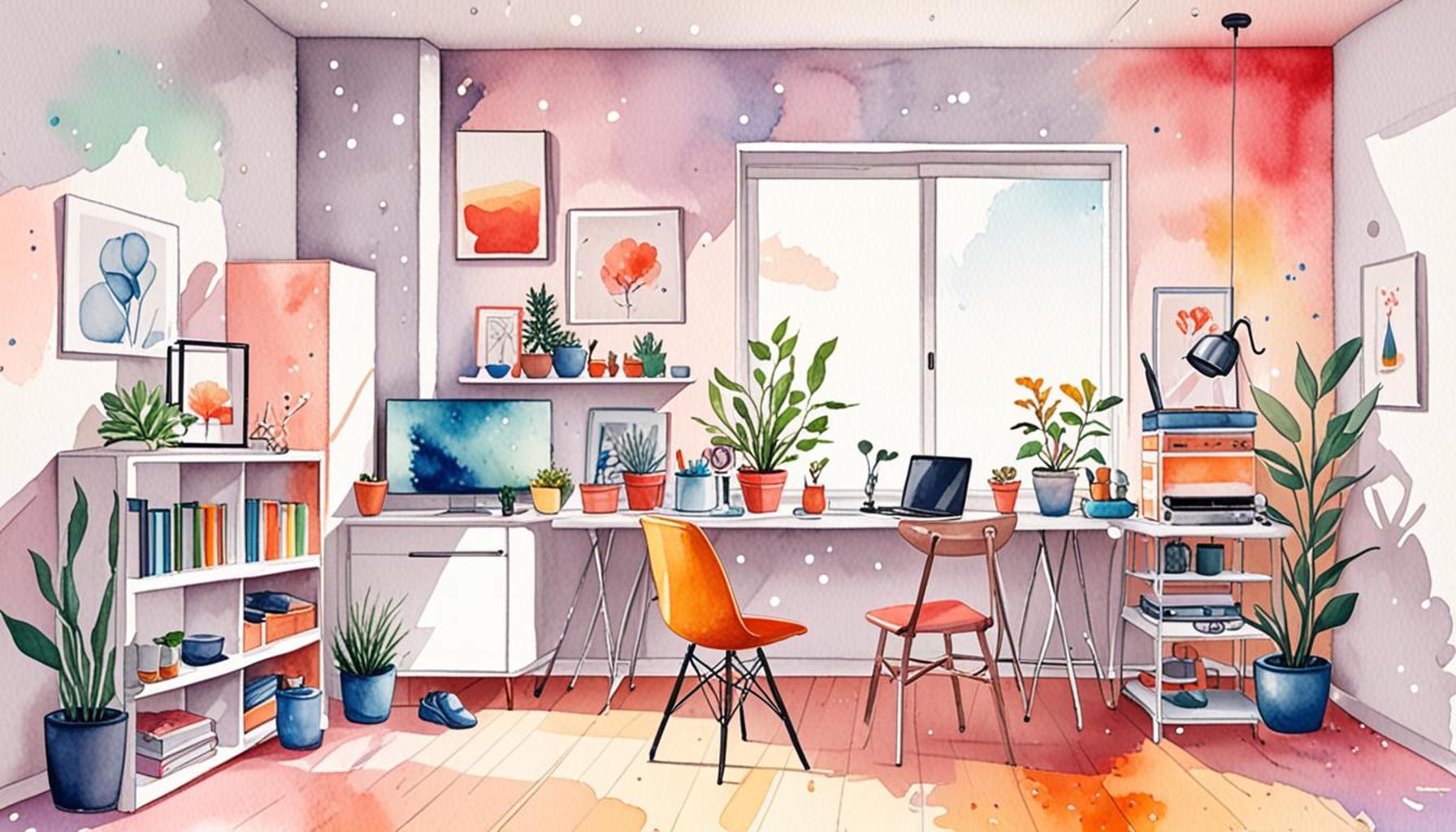
- Designate a Work Area: A dedicated workspace, free of distractions, helps to establish a routine, making it easier to enter a productive state of mind. Consider placing your desk near a window to enhance your connection with nature and maximize natural light.
- Create Cozy Retreats: Nooks filled with comfortable seating and soft textiles can serve as ideal spots for reflection or reading. Incorporating elements like throw pillows or soft blankets invites relaxation and encourages moments of mindfulness.
- Incorporate Multi-Purpose Furniture: Flexible furnishings like foldable desks or storage ottomans allow you to adjust your space depending on your needs. This promotes versatility, making it easier to shift between work and leisure without feeling confined.
- Enhance Social Areas: Spaces designed for social interactions should be inviting and encouraging for deep conversations or shared activities. Consider open layouts with comfortable seating arrangements that inspire collaboration.
By intentionally segmenting spaces into functional zones, we can support different aspects of our lives. Having a clear distinction between work and relaxation creates boundaries that enhance focus during tasks and rejuvenation during downtime, an essential component of a balanced lifestyle.
Moreover, integrating simple yet effective design features can facilitate mindfulness throughout the day. Features such as soft lighting, sound-absorbing materials, and aesthetically pleasing decor can all contribute to a sense of harmony within your space, nurturing a conducive environment for both work and relaxation.
As we continue to understand the importance of streamlined spaces, it becomes clear that our environments have the power to shape our experiences. By embracing mindful design principles, we can create spaces that not only reflect our personal style but also support our journey toward enhanced well-being.
Exploring Key Aspects of Mindful Design
Creating environments that foster mindfulness is essential in today’s fast-paced world. Integrating design elements that promote well-being can significantly enhance productivity, reduce stress, and improve overall quality of life. Here, we delve into some of the key aspects that characterize mindful design.
Natural Light and Ventilation
Access to natural light not only elevates mood but also regulates circadian rhythms. Furthermore, adequate ventilation is crucial for maintaining air quality, enhancing concentration, and creating a serene atmosphere. By strategically placing windows and incorporating innovative ventilation solutions, designers can curate spaces that breathe life and tranquility.
Minimalistic Aesthetics
The principle of minimalism in design serves as a tool to promote clarity. Reducing clutter allows individuals to focus better and feel less overwhelmed. Utilizing open floor plans, neutral color palettes, and thoughtfully chosen decor can lead to an aura of calm where inhabitants can truly unwind and engage with their surroundings.
Nature Integration
Bringing the outside in is a powerful strategy in mindful architecture. Incorporating elements such as indoor plants, water features, or nature-inspired designs fosters a deeper connection to nature, which is known to enhance emotional well-being. Biophilic design not only satisfies aesthetic values but also contributes to psychological benefits, making it an essential consideration in designing mindful spaces.
Flexible Spaces
Incorporating flexible spaces within design maximizes adaptability, allowing users to mold their environment to their needs. Whether through movable furniture or multi-functional areas, these versatile spaces encourage creative expression and personal well-being. This adaptability is vital in creating environments that resonate with diverse lifestyles and promote mindfulness.
| Mindful Design Element | Benefits |
|---|---|
| Natural Light | Enhances mood and regulates biological cycles. |
| Minimalism | Reduces stress through decluttering and simplicity. |
| Nature Integration | Boosts emotional well-being by connecting with nature. |
| Flexible Spaces | Encourages creativity and personal expression. |
From leveraging natural elements to embracing flexibility, the essence of mindful design fosters an environment conducive to wellness. As the integration of these principles into our daily living spaces becomes increasingly important, exploring ways to cultivate these attributes can lead us toward a more harmonious existence.
DISCOVER MORE: Click here to dive into minimalist design trends
The Role of Natural Elements in Mindful Spaces
In the quest for streamlined spaces that enhance mindfulness, the incorporation of natural elements plays a pivotal role. Biophilic design, which embraces nature to improve the human experience, significantly contributes to our psychological health. Research indicates that even simple interactions with nature, such as viewing greenery or listening to natural sounds, can reduce stress and foster a sense of calm.
For instance, a study in the field of environmental psychology found that individuals who worked in environments featuring plants experienced a 15% boost in productivity and a considerable decrease in stress levels. This suggests that integrating plants within our living and working spaces not only beautifies but also enhances our overall mood and mental clarity. When selecting plants for your space, consider low-maintenance varieties like succulents or snake plants, which can thrive indoors while requiring minimal care.
Color Psychology: The Subtle Influence of Hue
Another critical aspect of designing for mindfulness is understanding the impact of color on our mental state. Different hues can invoke specific emotional responses, influencing how we feel in our environments. For example, studies show that blues and greens can evoke feelings of tranquility and peace, making them suitable for spaces meant for relaxation or reflection. On the other hand, warmer tones like yellows or oranges can energize and inspire creativity, ideal for workspaces.
Implementing color strategically in your streamlined space can lead to significant improvements in mood and productivity. When selecting a color palette, think about the purpose of each zone. Incorporate softer, muted tones in areas designated for rest and rejuvenation while using bolder, more vibrant colors in workspaces to stimulate engagement and focus.
Sensory Design: Engaging the Five Senses
Creating environments that support mindfulness goes beyond the visual elements; it also engages the five senses: sight, sound, taste, touch, and smell. Sensory design can help create a holistic atmosphere that nurtures well-being. For example, incorporating sound-absorbing materials can reduce noise pollution, allowing for a quieter, more peaceful environment. This can be particularly important in urban areas, where external noises can disrupt focus and relaxation.
Similarly, integrating soothing scents through essential oil diffusers or scented candles can elevate your space’s atmosphere. Scents like lavender or eucalyptus are known for their calming properties, effectively transforming the environment into a sanctuary for mindfulness. Additionally, ensuring the tactile qualities of your space are inviting, such as using plush fabrics or organic materials, creates a comforting ambiance that promotes relaxation.
Technology’s Role in Mindful Environments
While technology often gets a bad rap for contributing to stress, it can also be a powerful ally in crafting streamlined spaces for well-being. Smart home systems allow for the effortless control of lighting, sound, and even temperature, fostering an environment tailored to individual needs at any given moment. For instance, utilizing soft, adjustable lighting during evening hours can promote a sense of calm and prepare the body for rest.
Moreover, mindfulness apps and virtual reality experiences have emerged as trendy tools for promoting relaxation and focus. As part of a well-designed space, these technologies can help individuals engage in mindful practices, such as meditation or guided relaxation, enhancing the overall efficacy of their environments.
By weaving together natural elements, color psychology, sensory design, and technology, individuals can create streamlined spaces that not only reflect their personal style but also serve as catalysts for improved mental health. These design principles, when thoughtfully executed, empower people to reclaim their environments and enhance their well-being. With simple adjustments, we can make strides toward mindfulness and foster spaces that nurture our emotional, mental, and spiritual health.
DISCOVER MORE: Click here to learn about cultural aesthetics in design
Conclusion: Embracing Streamlined Spaces for Enhanced Mindfulness
In an age characterized by relentless pace and constant distractions, creating streamlined spaces for mindfulness emerges as an essential pathway to well-being. By thoughtfully integrating natural elements, understanding color psychology, engaging the five senses, and utilizing technology judiciously, we can design environments that not only reflect our personal style but also serve as sanctuaries for mental peace and rejuvenation.
As research underscores the profound impact of our surroundings on our mental health, the emphasis on biophilic design and sensory engagement becomes increasingly vital. Whether it’s the soothing presence of indoor plants enhancing vitality or the calming scents creating a retreat-like atmosphere, these elements can transform ordinary spaces into havens of tranquility. Furthermore, incorporating strategic hues based on their psychological effects aids in crafting environments that foster focus, creativity, or relaxation, depending on their intended use.
Incorporating technology can further elevate these outcomes. Embracing smart systems to manage our environments allows for personalized adjustments that align with our daily rhythms and emotional states. While it’s crucial to maintain a balance with technology, leveraging certain tools can unlock deeper levels of mindfulness and self-awareness.
Ultimately, the journey towards enhanced well-being through mindful spaces encourages us to reflect on our environments actively. It invites us to not only make immediate aesthetic changes but also to address deeper emotional and psychological needs. By prioritizing mindfulness in our design choices, we cultivate atmospheres that nurture our mental, emotional, and spiritual health. Investing in such spaces is not merely a trend; it is a transformative step toward living with intention and achieving lasting well-being.