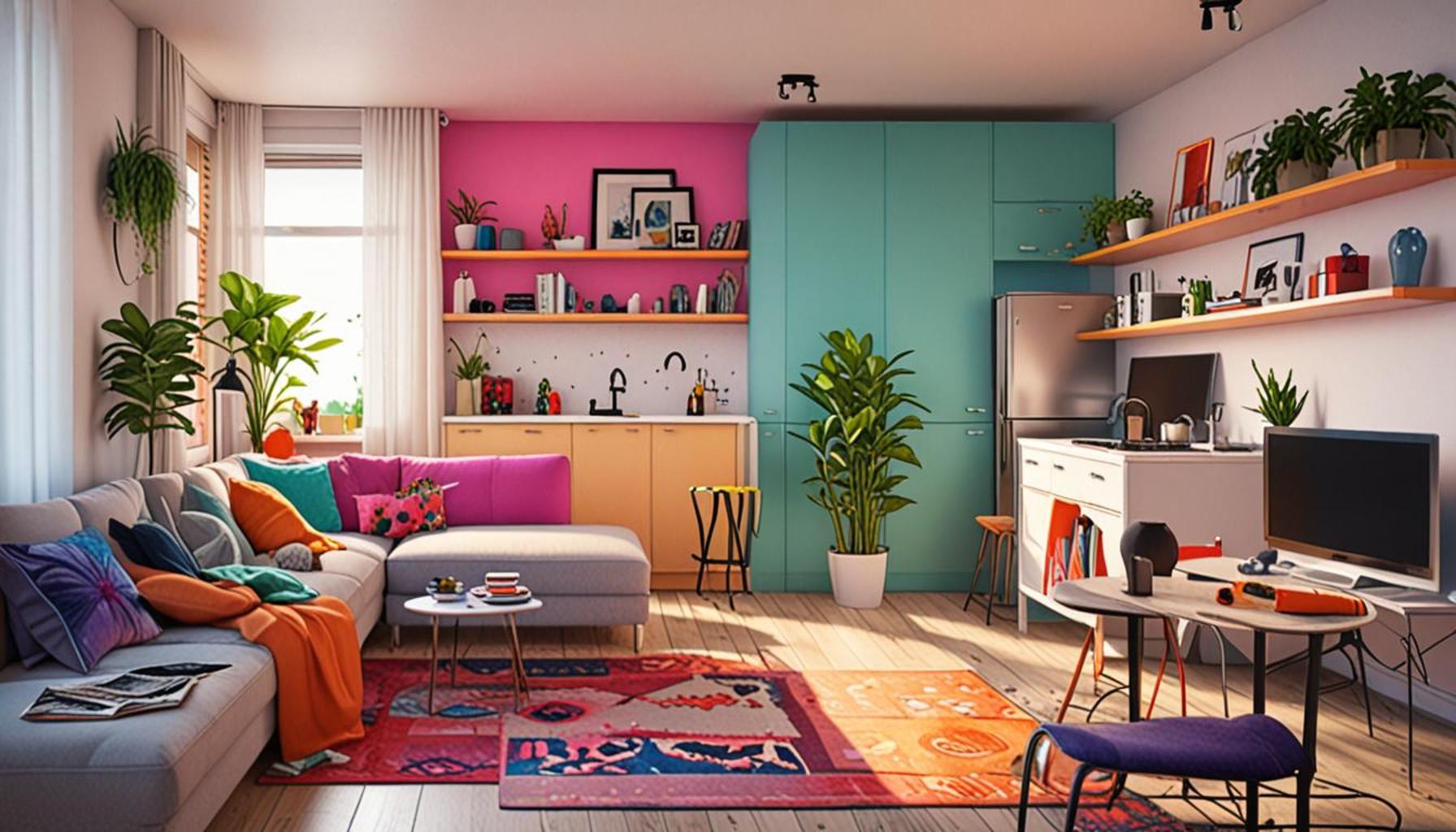
Designing Streamlined Spaces for Maximum Productivity
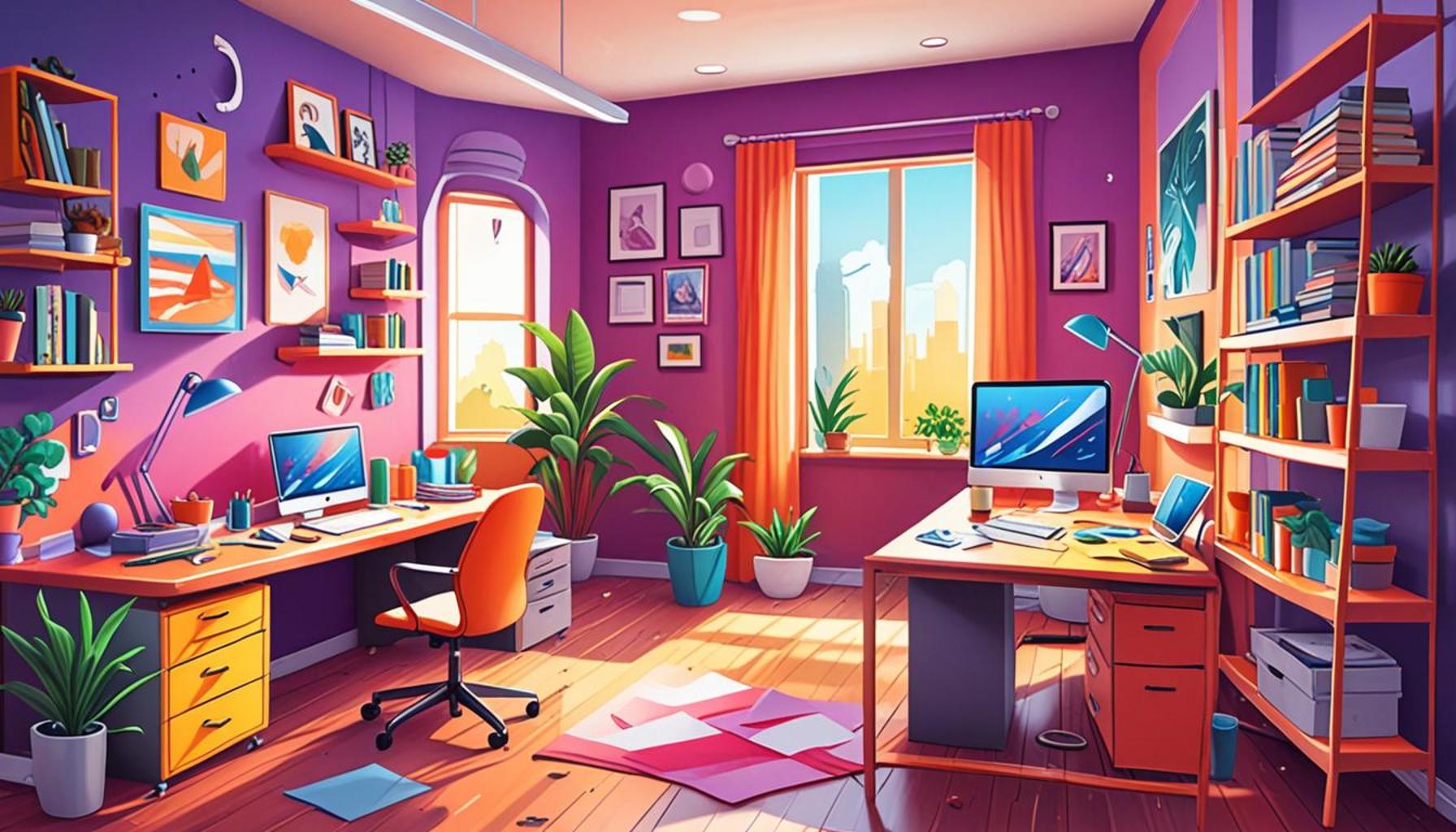
The Importance of Streamlined Spaces
In an era defined by constant distractions, the power of streamlined spaces cannot be underestimated. The design of your workspace can significantly impact your productivity levels and overall well-being. When environments are thoughtfully crafted, they have the potential to channel focus and enhance efficiency. A well-designed workspace not only fosters creativity and collaboration but also promotes a sense of calm and purpose.
The relationship between workspace design and productivity is nuanced, with various elements playing crucial roles. Consider the following components that contribute to a productive work environment:
- Decluttered Desks: Minimalism is more than a design trend; it reduces anxiety and promotes clarity. A clean desk can diminish cognitive overload, allowing the mind to focus on tasks at hand rather than the clutter surrounding it. For example, companies that encourage employees to maintain minimal desktop spaces often see improved task completion rates and heightened focus during work hours.
- Natural Light: Maximizing daylight can significantly boost mood and energy levels. According to research conducted by the University of Exeter, employees with access to natural light report 51% higher levels of well-being. Exposure to sunlight also decreases the likelihood of developing sleep disorders, making it essential for office layouts to incorporate large windows or skylights.
- Ergonomic Furniture: Comfort in seating and layout encourages longer, effective work sessions. Ergonomically designed chairs and desks not only reduce the risk of musculoskeletal problems but also enhance concentration. For instance, sit-stand desks allow employees to shift positions throughout the day, promoting better posture and decreasing fatigue.
Many companies are recognizing the value of such spaces. For instance, tech giants like Google and Apple invest heavily in innovative office designs that facilitate collaboration and inspiration. Google’s campus in Mountain View, California, is famous for its open spaces, recreational areas, and amenities tailored to employee wellness, demonstrating how an engaging environment can foster creativity and enhance teamwork. Studies have shown that optimized workspaces result in increased employee satisfaction and retention, influencing the bottom line positively.
As you explore this topic further, you’ll discover how design principles can be applied to any work environment—whether it’s a corporate office, a home workspace, or a creative studio. The principles of biophilic design, for instance, suggest that integrating elements of nature into office spaces can lead to countless benefits, including reduced stress levels and enhanced creativity. Adding plants or nature-inspired art can create a calming atmosphere conducive to productivity.
Unraveling the intricacies of workspace design can lead to numerous benefits, including heightened productivity, improved mental health, and a more enjoyable work experience. Ultimately, investing in thoughtful workspace design is not merely an aesthetic endeavor; it is integral to fostering environments that maximize human potential and satisfaction.
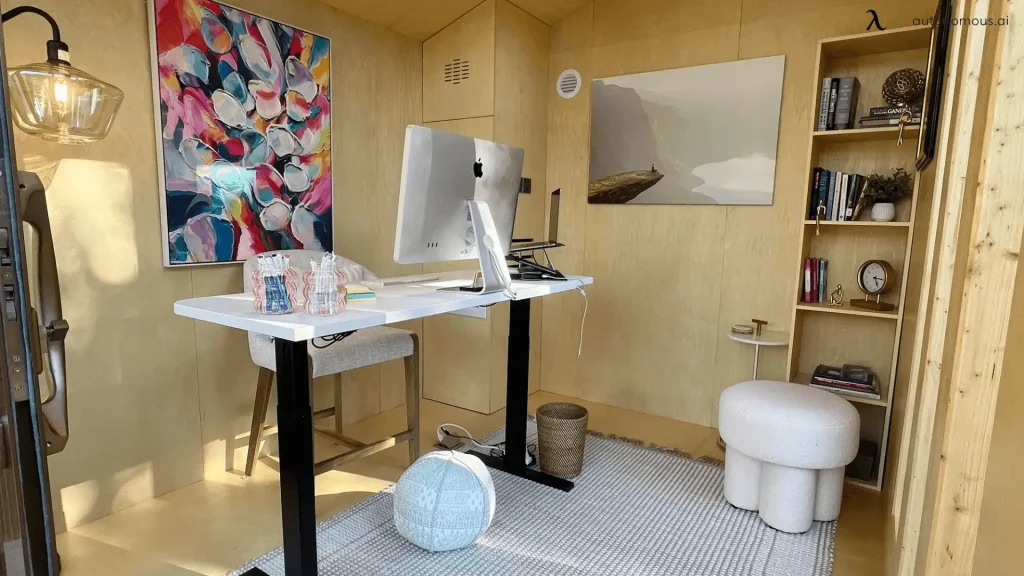
Join us as we delve into the art of creating spaces that not only look good but also work wonders in maximizing human potential. As we navigate through various design strategies and principles, you will gain insights that can transform your own work environment into a hub of efficiency and creativity.
DISCOVER MORE: Click here to dive deeper
Key Elements of Effective Workspace Design
To harness the full potential of streamlined spaces, understanding the key elements that contribute to effective workspace design is essential. By focusing on specific features that affect mood, comfort, and workflow, businesses and individuals alike can create environments that stimulate productivity and creativity. Below are some critical components that should be considered when designing or re-evaluating a workspace:
- Color Psychology: The colors utilized in a workspace can have a profound effect on employee mood and energy levels. For instance, studies indicate that blue hues foster a sense of calm and focus, while warm shades like yellow stimulate creativity. Implementing a thoughtfully chosen color palette can make a significant difference in how individuals feel while working. Productivity-enhancing colors can be seamlessly incorporated through wall paint, artwork, and decorative elements.
- Sound Management: Noise can be a major distraction in any workspace. Incorporating sound-absorbing materials, such as carpeting, acoustic panels, or even plants, can help reduce ambient noise levels. An effective strategy is to create designated zones conducive to different work styles—collaboration spaces for brainstorming sessions and quiet corners for deep focus work. This zoning creates a balanced environment where employees can choose where they feel most productive.
- Flexible Layout: A one-size-fits-all approach to workspace design can hinder productivity. Flexible layouts allow for adaptability based on the tasks at hand, fostering both teamwork and independent work. Movable partitions, modular furniture, and collaborative spaces can all contribute to a more dynamic atmosphere, encouraging creativity while accommodating diverse work styles.
- Access to Technology: In today’s technology-driven world, seamless access to essential tools is crucial. Ensuring that technological infrastructure is integrated into the workspace design—such as charging stations, wireless connectivity, and sufficient access to power sources—is vital in avoiding disruptions and maintaining workflow. Streamlined access to technology empowers employees to work more efficiently and with fewer frustrations.
Beyond these foundational elements, the broader concept of biophilic design emerges as a transformative strategy for enhancing productivity. By integrating natural elements into the workspace—such as plants, water features, and nature-inspired designs—organizations can create environments that resonate with human instincts for connectivity and comfort. Biophilic elements not only improve air quality but also positively affect mood and mental clarity, making them a vital consideration in any design strategy.
Recognizing the significance of these components is not just about aesthetics; it’s about creating an ecosystem where productivity thrives. As you consider the layout and features of your own workspace, start to identify areas for improvement. Understanding what aspects can elevate your environment can be a game-changer in achieving maximum productivity and satisfaction.
The concept of designing streamlined spaces for maximum productivity revolves around creating environments that foster efficiency, focus, and creativity. With the increased prevalence of remote work and the demand for multifunctional spaces, individuals and businesses are rethinking their workspace designs to eliminate distractions and enhance workflow.
To illustrate this, consider the usage of open layouts that encourage collaboration while also allowing for private areas where individuals can concentrate. The right balance between these aspects can lead to a significant boost in productivity. Adding elements such as natural light and biophilic design can create a more inviting atmosphere, proven to reduce stress and improve cognitive function.
Additionally, incorporating ergonomics into furniture design is crucial. A comfortable chair and desk setup can prevent physical fatigue, allowing for longer hours of efficient work. Technological advancements, such as smart storage solutions that minimize clutter, also play a vital role. The integration of digital tools and apps that streamline communication and project management can further optimize workflows.
| Category | Advantages |
|---|---|
| Open Layouts | Promotes collaboration while providing zones for focused work. |
| Natural Elements | Enhances mood and cognitive function, leading to increased productivity. |
By prioritizing these aspects in your workspace design, you can significantly enhance productivity levels, creating an environment that not only meets functional needs but also inspires creativity and innovation. Exploring these elements further can provide invaluable insights that contribute to designing the ideal work environment.
DISCOVER MORE: Click here for deeper insights
Harnessing the Power of Ergonomics and Personalization
As crucial as color, sound, and layout are, the integration of ergonomic principles and tailored personalization can further enhance productivity in workspace design. Ergonomics focuses on optimizing the interaction between workers and their environment to reduce strain and improve comfort, thereby allowing individuals to perform better with less fatigue.
One of the essential tenets of ergonomic design is furniture selection. Adjustable desks, ergonomic chairs, and keyboard trays enable employees to customize their workstation to their unique anatomy and preferences. For instance, studies have shown that using sit-stand desks can significantly improve focus and energy levels by combating the sedentary lifestyle that often accompanies traditional office setups. Similarly, investing in ergonomically designed tools—like specialized mice and keyboard layouts—can enhance productivity by reducing discomfort during long hours of work.
Moreover, keeping in mind the employee’s personal preferences when designing workspaces is paramount. Personalization extends beyond aesthetics; it allows individuals to create an environment that inspires them. Allowing employees to personalize their workspace with personal items, photos, or plants fosters a sense of ownership and belonging. It can lead to increased motivation and investment in their work. Research suggests that workplaces that encourage personalization report higher employee satisfaction and retention rates, making this an essential component of productivity-enhancing designs.
Utilizing Technology for Enhanced Collaboration
In addition to ergonomic and personalized considerations, leveraging modern technology can create an efficient and connected workspace. Technological advancements have transformed collaboration methods, enabling more interactive and engaging work environments. For instance, implementing cloud-based collaborative tools allows team members, whether remote or on-site, to share information seamlessly. Video conferencing tools and interactive whiteboards make brainstorming sessions productive, no matter the physical distance.
Furthermore, integrating smart technology within the workplace can streamline daily operations. Voice-controlled assistants, automated lighting systems, and temperature control systems not only contribute to employee comfort but can also enhance focus by eliminating unnecessary distractions. A study published by the Harvard Business Review revealed that companies investing in smart building technologies see significant productivity gains, affirming that a smart workplace design pays dividends in overall performance.
The Impact of Space and Natural Light
The overall physical space largely impacts productivity as well. Open layouts may encourage collaboration but can also lead to distractions if not carefully managed; private offices, on the other hand, can eliminate noise but may hinder team interaction. Striking a balance between these configurations is essential. A hybrid design that includes open spaces for collaboration while maintaining private areas for focused work can cater to various work preferences, maximizing both teamwork and individual productivity.
Natural light plays an invaluable role in workspace design, positively affecting health and productivity. Research indicates that exposure to natural light is linked to reduced eye strain and enhanced mood, leading to greater employee efficiency. Incorporating large windows, skylights, or even light tubes can greatly enhance the amount of natural light an office receives. Additionally, designing workspaces that encourage movement toward windows or access to outdoor views can create a refreshing atmosphere for employees, potentially yielding a significant boost in productivity.
In summary, effective workspace design transcends simple aesthetics. By emphasizing ergonomic principles, encouraging personalization, utilizing technological advancements, and maximizing space and natural light, organizations can cultivate environments that truly support productivity and enhance employee satisfaction. As the landscape of work continues to evolve, addressing these factors will be crucial for any operation striving to boost performance and happiness among its workforce.
DON’T MISS: Click here to discover the future of minimalist design
Conclusion: The Future of Productive Workspaces
In today’s fast-paced work environment, designing streamlined spaces for maximum productivity is more critical than ever. By understanding the multifaceted elements of workspace design, organizations can create an atmosphere that not only enhances efficiency but also supports employee well-being. Emphasizing ergonomics ensures that employees work comfortably and effectively, while personalization fosters a sense of belonging, further driving motivation.
Moreover, embracing the latest technology allows teams to collaborate seamlessly, regardless of their physical location. As studies show, integrating smart technologies can lead to increased efficiency, illustrating that innovation in workspace design is not just beneficial—it’s essential. Additionally, considerations for natural light and carefully analyzed spatial layouts significantly impact mood and focus, making the work environment more conducive to success.
As we look towards the future, organizations should remain agile and responsive to the evolving landscape of work. By prioritizing these design elements, businesses can create productive, engaging environments that empower employees to thrive. The path to maximizing productivity lies in the careful balance of functionality, comfort, and collaboration, tailored to meet the unique needs of the workforce. Embracing these principles not only enhances organizational performance but also cultivates a culture of innovation and satisfaction, leading to a sustainable competitive advantage in the economy.