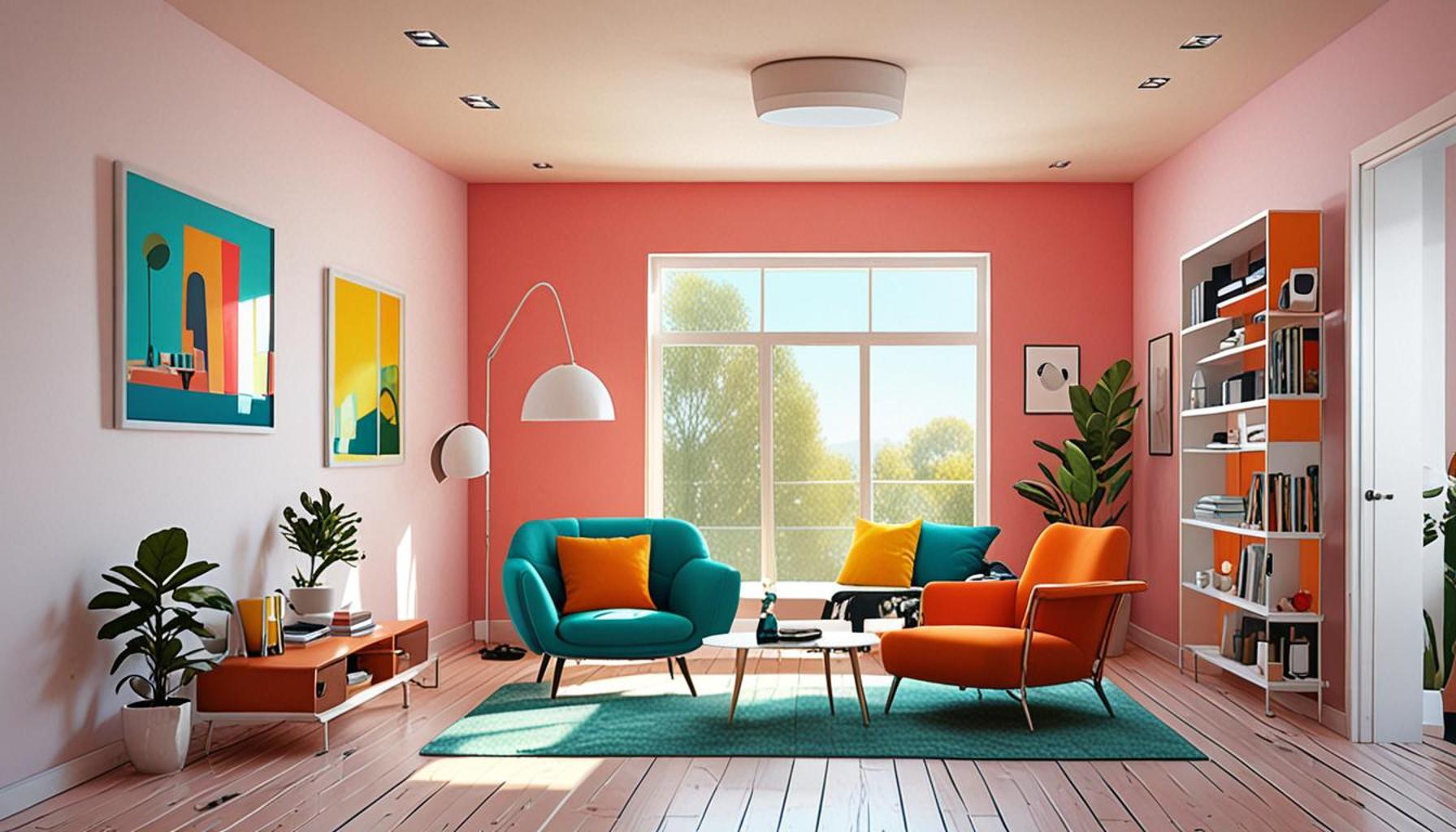
The Psychological Benefits of Minimalist Living in Streamlined Environments

Understanding Minimalist Living
In today’s fast-paced world, where clutter often breeds chaos, minimalist living emerges as a refreshing alternative. This lifestyle emphasizes simplicity and intentionality in our daily environments. But beyond the aesthetics, it also fosters profound psychological benefits that can completely reshape how we interact with our world and ourselves.
Why Choose Minimalism?
- Reduces stress and anxiety
- Enhances focus and clarity
- Encourages mindfulness and intentional living
The essence of a streamlined environment is more than just visual appeal; it paves the way for personal growth and self-discovery. In a society where overconsumption is prevalent, minimalism challenges individuals to critically assess their possessions and priorities. For example, instead of mindlessly accumulating items, one may choose to invest in high-quality, meaningful items that truly bring joy. This shift not only declutters physical spaces but also fosters mental clarity.
By reducing distractions, individuals can cultivate a clearer mind and set achievable goals, leading to increased productivity. Imagine a workspace devoid of unnecessary items—the desk clear, the surrounding area organized. Such an environment allows individuals to concentrate on tasks at hand, boosting efficiency and creativity. Research indicates that even small changes in one’s physical space can significantly enhance cognitive performance.
The Rewards of a Decluttered Life
- Improved mental well-being
- Greater emotional stability
- Stronger relationships through enhanced connections
In practice, embracing minimalism can result in profound shifts in emotional health. People often report a sense of liberation as they divest themselves of excess belongings, leading to improved mental well-being. The act of decluttering is not merely physical; it can also act as a metaphorical shedding of emotional burdens, better preparing individuals to foster stronger relationships with family and friends. By focusing on quality time spent with loved ones rather than material possessions, deeper connections are nurtured.
Furthermore, research has shown that embracing minimalism can lead to improved focus, fostering creativity and inspiration. As people begin to strip away the unnecessary, they often discover a renewed sense of purpose, redefining what truly matters. This introspective journey encourages individuals to prioritize experiences over things, which can lead to lasting fulfillment.

In this article, we will explore these psychological benefits further, inviting you to consider how a minimalist lifestyle can transform both your surroundings and your mind. By embarking on a journey of minimalism, you may find yourself not only decluttering your physical space but also opening up new pathways for growth and fulfillment.
DISCOVER MORE: Click here to learn about future minimalist design trends
The Transformative Power of Decluttering
As individuals begin to dive into the journey of minimalist living, the first and often most impactful step is the process of decluttering. This act not only liberates space but also paves the way for profound psychological change. The link between our physical environments and mental states has been well-documented; when our surroundings are clean and orderly, our minds often mirror that clarity.
Psychologically speaking, clutter can be a significant source of stress and distraction. Research indicates that the visual chaos of an unkempt environment can overstimulate the brain, leading to feelings of anxiety and overwhelm. Conversely, a streamlined environment can serve as a calming sanctuary, promoting a sense of peace. This is where minimalist living truly shines, as it actively works to create conditions that foster mental wellness.
The Connection Between Space and Mental Clarity
When individuals engage in minimalist practices, they often notice a marked reduction in anxiety levels. By removing unnecessary items, they create a space that feels open and inviting, allowing for improved focus and creativity. This connection can be explored through several key psychological benefits:
- Increased Sense of Control: Minimalism offers individuals the chance to take charge of their environments, leading to improved self-efficacy and confidence.
- Enhanced Cognitive Function: A clean, organized space minimizes cognitive overload, allowing deeper focus on the tasks that truly matter.
- Mindfulness and Presence: Living with less encourages individuals to appreciate the present moment, cultivating a mindset grounded in mindfulness.
These benefits are not just abstract concepts; they manifest in real-life improvements in emotional stability and overall happiness. For instance, studies show that individuals who adopt minimalist lifestyles report feeling more fulfilled and connected to their surroundings. The act of simplifying life encourages a shift from materialism to valuing experiences and relationships, which are significant components of long-term satisfaction.
Moreover, minimalism encourages individuals to hone in on their values. It fosters self-reflection—prompting questions such as: “What truly adds value to my life?” and “What do I want to prioritize?” This introspection can lead to greater intentionality, guiding choices that align more closely with personal aspirations rather than societal expectations.
Overall, the psychological benefits of minimalist living are numerous and transformative. By engaging in a decluttering process and creating streamlined environments, individuals can cultivate not only spaces of serenity but also mindsets that are more resilient and purpose-driven. As we explore these psychological rewards deeper, it becomes clear that this journey is not merely about aesthetics; it’s about reimagining how we live, think, and connect with the world.
The Psychological Benefits of Minimalist Living in Streamlined Environments
In recent years, the appeal of minimalist living has surged as individuals seek to escape the chaos of modern life. The allure lies not just in the aesthetic simplicity, but in profound psychological transformations that accompany a streamlined environment. By embracing minimalism, individuals often experience a significant reduction in anxiety and stress, paving the way for a more balanced and fulfilling lifestyle.
One of the core principles of minimalist living is the idea of decluttering both physical and mental spaces. Studies have shown that living in a clutter-free environment can lead to enhanced focus and productivity. When distractions are minimized, individuals find themselves more capable of tackling tasks with clarity and determination. This is particularly relevant in work settings, where streamlined environments lead to improved performance and creativity.
Moreover, minimizing possessions can foster a deeper appreciation for the items we keep. Each belonging becomes more meaningful rather than just items filling space. This perspective shift nurtures gratitude and mindfulness—two powerful emotional states linked to improved mental health. As the clutter diminishes, so too does the mental load, allowing individuals to concentrate on experiences rather than accumulating more possessions.
| Category | Details |
|---|---|
| Reduction of Anxiety | Less clutter leads to a peaceful environment, enhancing emotional well-being. |
| Increased Focus | Streamlined spaces improve concentration, boosting productivity. |
| Mindfulness and Gratitude | Emphasizes appreciation for what one owns, fostering emotional resilience. |
These psychological benefits of minimalism extend beyond personal well-being. They can create a ripple effect, positively impacting relationships and community interactions. As individuals who embrace minimalism become more present and engaged, they contribute to healthier and more meaningful connections with others. These insights not only shed light on the transformative power of a minimalist lifestyle but also encourage readers to explore the possibility of streamlined living, which could lead to a more harmonious existence.
DISCOVER MORE: Click here for tips on optimizing your remote workspace
Emotional Resilience Through Simplicity
Another profound aspect of minimalist living is its ability to cultivate emotional resilience. Life is inherently unpredictable, filled with challenges and unexpected changes. In such a landscape, having a simplified environment can serve as a steady foundation. Research has shown that reducing clutter also reduces distractions, which can help individuals develop better coping mechanisms, fostering a more resilient emotional state.
Living minimally often involves learning to let go of excess, which can be a transformational emotional practice. This process can reinforce the understanding that happiness is not derived from possessions but from experiences, relationships, and self-awareness. Those who embrace minimalism often report a newfound freedom—less focus on maintaining possessions translates into more time for meaningful pursuits. This emotional release can be especially beneficial in high-pressure environments, such as bustling urban settings in the United States, where demands can often feel overwhelming.
Strengthening Relationships
Furthermore, the psychological benefits of minimalist lifestyles extend beyond the individual and can significantly enhance interpersonal relationships. As people reduce physical clutter, they often find that they also clear mental space for improved communication and connection with others. A minimalist home is not just a physical experience but also an emotional one; it creates an atmosphere where meaningful interactions can thrive.
By prioritizing time spent with family and friends over the acquisition and maintenance of material goods, individuals can foster deeper connections. This shift allows for improved quality of life and emotional fulfillment, leading to decreased feelings of loneliness and isolation. Community, belonging, and support are critical aspects of mental health, and minimalist living provides the freedom to invest time in nurturing these vital connections.
Mindfulness and the Art of Letting Go
One of the cornerstones of minimalism is the practice of mindfulness—the focused awareness on the present moment. Adopting a minimalist lifestyle often requires individuals to engage in a deliberate act of letting go, a process that encourages mindfulness. As belongings are pared down, individuals become more conscious of what they consume, not only materially but also mentally and emotionally.
This journey fosters a practice of mindfulness that encourages individuals to live intentionally, making choices that align with their core values. Studies reveal that individuals who practice mindfulness regularly experience reduced levels of stress and anxiety. In a world characterized increasingly by distractions and fast-paced lifestyles, the minimalist approach offers a counterbalance, promoting a deliberate shift toward awareness and presence.
Behavioral Changes and Habit Formation
Moreover, transitioning to a minimalist lifestyle can lead to significant behavioral changes and improved habit formation. By simplifying their environments, individuals can more easily develop habits that align with their mental wellness goals. For example, with fewer distractions at home, it becomes easier to establish routines that fortify physical health, such as regular exercise or meal preparation.
Data from behavioral psychology suggests that environments can be tailored to support desired actions, paving the way for healthier choices and, ultimately, improved mental health outcomes. By embracing minimalism, individuals not only reshape their physical spaces but also their habitual patterns, leading to improved emotional regulation and overall well-being.
In essence, the psychological benefits of minimalist living extend far beyond mere decluttering. They align closely with self-improvement, emotional resilience, and sustained mental health, creating a holistic approach to living that transcends simple aesthetics. By focusing on what truly matters, individuals are empowered to navigate life with clarity, purpose, and a renewed sense of possibility.
DISCOVER MORE: Click here to learn about smart home solutions
Conclusion
In an era marked by consumerism and clutter, the shift towards minimalist living presents a refreshing antidote to the chaos that often permeates our lives. The psychological benefits of embracing a streamlined environment go far beyond aesthetics; they encompass emotional resilience, enhanced relationships, and a greater sense of mindfulness. By prioritizing simplicity, individuals foster a deeper connection with themselves and their surroundings, allowing for clarity and intentionality in decision-making.
As highlighted, minimalism encourages us to discard not just physical items but also mental baggage, promoting emotional well-being and freeing us from the shackles of materialism. Opportunities for more genuine interactions arise when focus is shifted from possessions to meaningful experiences with loved ones. Furthermore, the practice of mindfulness inherent in this lifestyle cultivates an awareness that can significantly reduce stress and anxiety, creating a sanctuary amidst life’s unpredictability.
As more people in the United States explore this lifestyle, the paradigm of well-being shifts from accumulation to consciousness. The behaviors formed in a minimalist lifestyle are long-lasting, leading to healthier habits and improved mental health outcomes. For those seeking a way to enhance their mental wellness, diving into minimalism offers a compelling pathway towards a more fulfilling existence.
Let us embrace the art of letting go and rediscover the profound joy found in simplicity, proving that less truly can lead to more—not just in terms of possessions, but in richness of life.