Incorporating Nature: How Biophilic Design Enhances Streamlined Spaces
The Transformative Impact of Biophilic Design
In an era where concrete jungles and bustling cityscapes dominate our lives, the longing for tranquility and a deep-rooted connection to nature grows stronger. Biophilic design, an innovative approach that integrates natural elements into our surroundings, provides an effective remedy for urban stressors. This design philosophy not only enhances the aesthetic appeal of spaces but also significantly improves mental health and workplace efficiency.
Nurturing Mental Health
Access to natural elements is more than just a luxurious addition; it plays a crucial role in lowering stress levels. Studies have shown that environments enriched with greenery and natural features can help decrease anxiety and promote relaxation. For instance, a workplace designed with indoor plants has been found to reduce employees’ reported stress by up to 37%. Imagine entering an office with large, vibrant plants cascading from the walls, diffusing the stress of deadlines and meetings. Furthermore, having elements like a small indoor fountain can create a serene atmosphere, producing calming water sounds that contribute to a peaceful work environment.
Enhancing Productivity
Natural light is a vital component of biophilic design that has proven to increase productivity dramatically. Research indicates that employees working in environments with abundant natural light can experience a 15% boost in productivity compared to those in artificial lighting. Large windows that invite sunlight, or office layouts that prioritize open spaces with skylights, can fundamentally change how employees interact with their space. For instance, companies like Google have embraced biophilic principles by incorporating bright, sunlit workspaces complemented by ample greenery, which helps ignite creativity and foster collaboration among teams.
Emphasizing Sustainability
Another fundamental aspect of biophilic design is its commitment to sustainability. This approach emphasizes the use of materials sourced from nature, which not only reduces our ecological footprints but also promotes healthier living spaces. By incorporating sustainable materials like reclaimed wood into furniture or using non-toxic paints to create calming atmospheres, designers can construct spaces that are as eco-friendly as they are aesthetically pleasing. For example, buildings designed with green roofs or living walls not only provide insulation but also improve air quality, creating a healthier environment for both occupants and the planet.
As you delve into the world of biophilic design, you will encounter a plethora of strategies to weave nature into built environments. Options can range from simple wooden accents to intricate living walls filled with diverse plant species. Each design choice is an opportunity to foster creativity while enhancing the human experience within these environments.
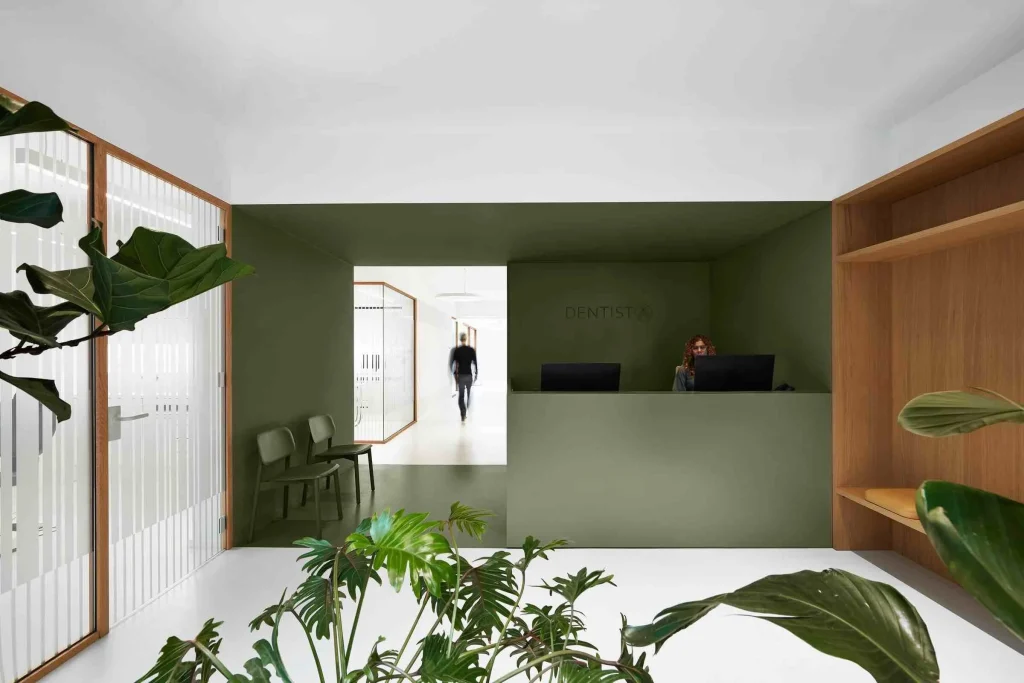
Embracing this transformative design philosophy encourages us to rethink our everyday environments and promotes a deeper connection to our surroundings. By considering the overall impact of biophilic design, we can inspire positive changes in how we live and work, ultimately leading to improved well-being and a deeper appreciation for the natural world. Join us as we explore the profound effects of biophilic design on contemporary lifestyles, uncovering its potential to reshape the urban experience.
DISCOVER MORE: Click here to dive deeper
Unlocking the Benefits of Nature in Design
Integrating nature through biophilic design is not merely a trend; it represents a significant shift in our understanding of how physical environments can impact human experiences. By harnessing elements found in nature, designers can create streamlined spaces that are not only visually appealing but also health-promoting. This approach prioritizes human well-being, allowing occupants to thrive in settings that echo the beauty and vitality of the outdoors.
Key Elements of Biophilic Design
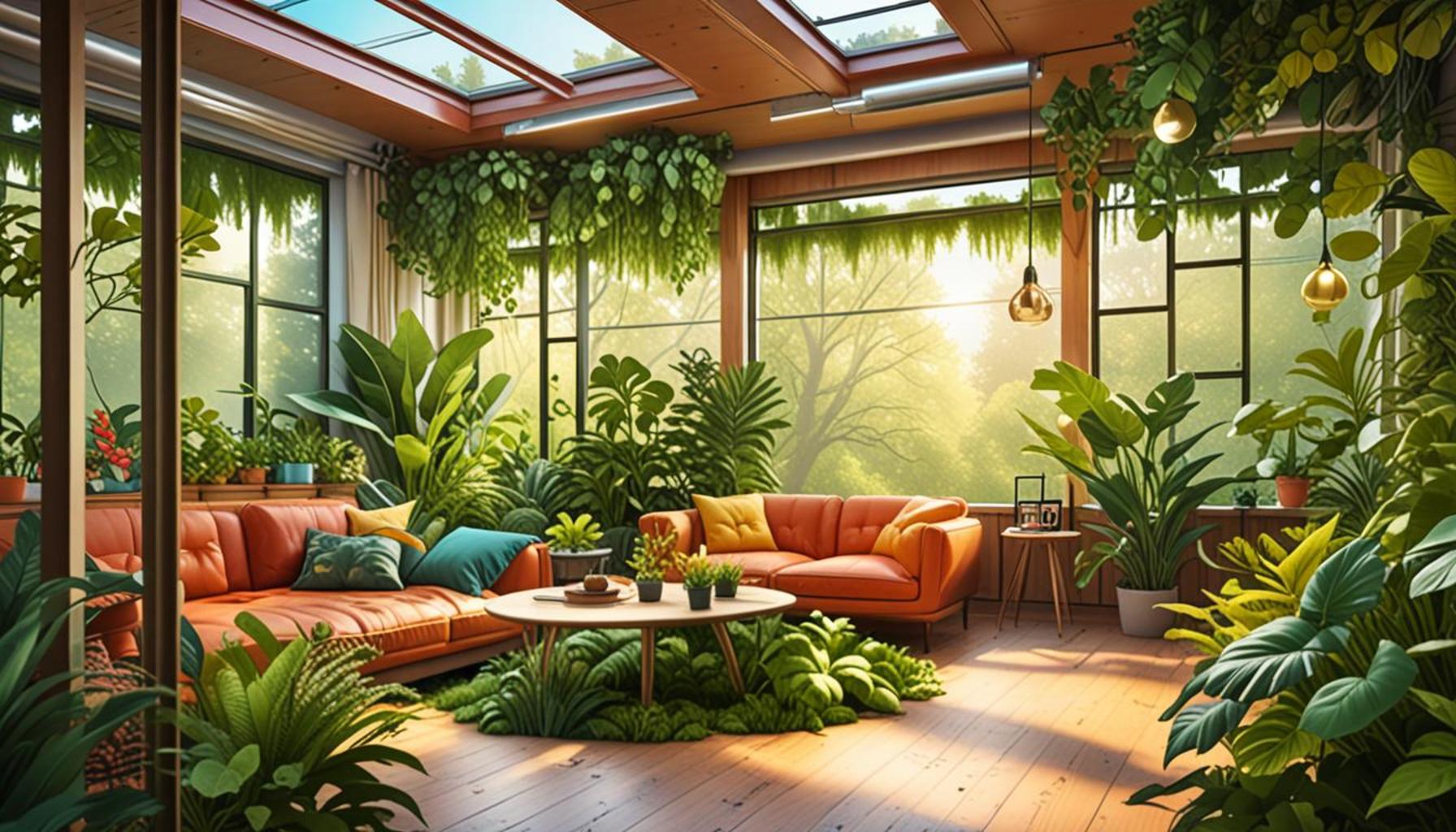
Biophilic design encompasses a balanced combination of aesthetic and functional elements that mirror the natural world. By harnessing these components, indoor environments can become sanctuaries that enhance both productivity and well-being. Some key elements include:
- Natural Lighting: Facilitating abundant daylight through large windows and open spaces.
- Greenery: Integrating plant life, from potted plants to living walls, to bring vitality indoors.
- Natural Materials: Utilizing materials such as wood, stone, and bamboo that evoke the outdoors.
- Water Features: Including fountains or water walls to introduce soothing sounds and enhance ambiance.
- Nature Views: Designing spaces that offer direct lines of sight to natural landscapes, whether parks or gardens.
The emphasis on these elements is not only about enhancing aesthetics; they also serve numerous psychological and physical benefits. An organization that embraces biophilic design effectively thinks outside the confines of traditional architecture. Research from the Harvard T.H. Chan School of Public Health highlights a critical connection between nature exposure and improved cognitive function. Employees in biophilic workspaces often report increased enthusiasm and a greater sense of purpose, which is key to fostering a positive work culture.
Bridging Urban Living with Natural Elements
As many urban areas continue to expand, the incorporation of biophilic design becomes increasingly vital. In cities where concrete structures dominate skylines, the quest for green spaces seems daunting. However, creative solutions such as urban gardens, rooftop parks, and tree-lined streets are examples of how biophilic design can bridge the gap between nature and urban living. For instance, New York City’s High Line is a prime example of transforming unused railways into lush green pathways that have revitalized sections of the city and provided residents with essential green space in a densely populated area.
Numerous case studies illustrate the profound impact of biophilic design on urban dwellings. Consider the numerous studies showcasing that individuals living in proximity to parks or gardens experience significantly lower stress levels and improved mental well-being than those who do not. The inclusion of greenery, even in smaller residential units, has shown to enhance happiness and quality of life, suggesting that every bit of nature counts.
By understanding and implementing biophilic design principles, architects and designers can create environments that not only serve as places of work or leisure but also contribute to holistic well-being. This conversation around the integration of nature in design is crucial as we continue to address the increasing mental health challenges faced in our urban landscapes.
Enhancing Well-Being Through Natural Elements
Incorporating nature into interior design, commonly known as biophilic design, does not merely beautify a space; it has profound effects on well-being and productivity. Studies have shown that exposure to natural elements such as daylight, plants, and water features can significantly reduce stress levels, enhance focus, and boost mental health. For example, a workspace that integrates large windows allowing ample natural light can help regulate circadian rhythms, improving overall energy levels and alertness throughout the day.
The Impact of Natural Materials
The materials used in biophilic design also play a vital role in creating a connection with nature. Utilizing organic materials like wood, stone, and natural fibers not only creates a warm and inviting atmosphere but also contributes to sustainability. These elements provide tangible benefits, such as better indoor air quality and reduced environmental impacts. For instance, reclaimed wood not only adds character to a space but also promotes the idea of conservation and sustainability, aligning with modern values.
Inspiring Creativity with Nature
Furthermore, integrating outdoor views and natural patterns can ignite creativity. Creative professionals often find inspiration flows more freely when surrounded by nature. Open spaces that feature green walls or indoor gardens invite a sense of calm while stimulating innovative thinking. In educational settings, biophilic design can enhance learning experiences, leading to better academic outcomes and fostering a greater sense of community among learners.
Economic Advantages
Economically, biophilic design proves beneficial for businesses as well. Research indicates that workplaces designed with nature in mind can reduce absenteeism and turnover rates, leading to significant cost savings. Employers are increasingly recognizing that investing in a biophilic environment fosters employee satisfaction, which directly correlates with increased productivity and profitability. Companies that embrace these designs set themselves apart, showcasing their commitment to employee well-being and environmental sustainability.
Expanding the Concept Beyond Interiors
Importantly, the principles of biophilic design extend beyond interior spaces. Urban planners and architects are increasingly incorporating green roofs, urban forests, and natural habitats into the fabric of our cities. This green infrastructure not only contributes to biodiversity but also combats urban heat, enhances air quality, and improves the mental health of city dwellers. Advocating for the integration of nature into our urban landscapes is crucial for creating more harmonious living environments.
Exploring Biophilic Design in Your Space
As the movement toward sustainability gains momentum, exploring biophilic design becomes increasingly essential for individuals and businesses alike. Whether you’re looking to revamp a home, a workplace, or a community space, the incorporation of natural elements can revitalizing impact both the aesthetics and functionality of the environment. Initiatives that promote a seamless blend between nature and design offer a glimpse into the future of living and working spaces that prioritize both human and ecological health.
DISCOVER MORE: Click here to enhance your productivity
Creating Sustainable Environments Through Biophilic Design
As we delve deeper into the significance of biophilic design, it is essential to acknowledge its potential for fostering sustainability within both urban and rural developments. The principles of this design philosophy inherently encourage practices that prioritize ecological balance and resource efficiency. By leveraging elements from nature, architects and designers can create environments that not only enhance the human experience but also promote environmental stewardship.
Integrative Strategies for Sustainable Design
Biophilic design can be seamlessly integrated into existing infrastructures and new projects alike, empowering communities to adopt more sustainable lifestyles. For example, passive solar design employs the natural trajectory of the sun to heat and illuminate spaces, significantly reducing energy consumption. Similarly, green roofs not only provide natural insulation but contribute to biodiversity and can help mitigate urban heat islands, a common issue in densely populated areas.
Furthermore, water-efficient landscaping, often referred to as xeroscaping, utilizes native plants that require minimal irrigation and maintenance. This not only conserves water but fosters an ecosystem that supports local wildlife. The emphasis on using organic and locally sourced materials helps further reduce the carbon footprint associated with transportation and manufacturing.
- Adaptive Reuse: Transforming old buildings into functional spaces that preserve history while minimizing waste.
- Green Certifications: Following standards such as LEED (Leadership in Energy and Environmental Design) encourages sustainable practices in construction and design.
- Community Engagement: Involving local communities in the creation of green spaces can enhance social ties and encourage environmental responsibility.
The Holistic Impact of Nature on Well-Being
The psychological benefits of biophilic design go beyond aesthetics and sustainability; they resonate deeply within the human psyche. Studies indicate that individuals surrounded by natural elements display significantly reduced levels of anxiety and depression. Environments infused with natural rhythms, such as the sound of rustling leaves or the presence of sunlight, can improve focus and promote relaxation. For instance, a study conducted at the University of Queensland found that workers in offices with plants experienced a 37% reduction in anxiety levels and a 58% increase in overall well-being.
Employers who integrate biophilic design principles into office spaces are likely to see a positive return on investment through reduced absenteeism and higher engagement levels. Enhanced mental clarity, reduced stress, and better collaboration among team members lead to greater innovation and productivity. Companies like Interface, a leading flooring manufacturer, exemplify this commitment by incorporating natural design elements in their workspace, contributing to higher employee satisfaction and lower turnover rates.
Ultimately, the conversation around incorporating nature within our built environments is not merely about aesthetics; it is fundamentally about creating resilient, adaptable spaces that respond to the needs of their occupants. From fostering a sense of belonging to supporting physical and mental health, biophilic design emerges as a cornerstone for sustainable living in our increasingly urbanized world.
DISCOVER MORE: Click here to learn how to create a harmonious home
Conclusion: Embracing Biophilic Design for a Sustainable Future
The integration of biophilic design into our built environments serves not only as an architectural trend but as a vital necessity for a sustainable future. As we have explored, the incorporation of natural elements into streamlined spaces can lead to profound ecological and psychological benefits. By creating structures that invite nature inside, we not only improve the aesthetic appeal but also promote well-being, enhance productivity, and cultivate a sense of community among occupants.
Embracing strategies such as adaptive reuse and passive solar design allows communities to build resilient infrastructures that respect historical context while minimizing waste and energy consumption. Furthermore, engaging local communities in the process fosters a sense of ownership and responsibility towards the environment, encouraging behaviors that prioritize sustainability.
As the urban population continues to rise, the challenge of creating livable and healthy environments becomes even more pressing. Biophilic design not only addresses this issue by providing restorative environments but also informs a holistic approach to urban planning and development. Studies highlighting the reduction of anxiety and boosts in productivity among individuals exposed to biophilic elements underscore the urgency for architects, designers, and city planners to prioritize this philosophy.
Ultimately, the journey towards incorporating nature into our spaces is one of exploration and innovation. It invites us to rethink our relationship with the natural world and envision a future where our built environments coexist harmoniously with nature. By championing biophilic principles, we can create a sustainable, invigorating, and more connected world for generations to come.