Streamlined Spaces for Creative Minds: Fostering Inspiration Through Minimalist Design

The Power of Space: How Minimalism Fuels Creativity
In the fast-paced world we live in, the clutter of our environments often mirrors the chaos in our minds. Streamlined spaces have emerged as powerful tools for fostering creativity, enabling individuals to focus on what truly matters. The modern lifestyle, characterized by constant distractions from technology and excessive material possessions, can inhibit our creativity. Minimalism offers a refreshing antidote, encouraging us to strip away the non-essential and concentrate on what truly inspires us.
Minimalist design is not just an aesthetic choice but also a strategic pathway to enhanced productivity and inspiration. By embracing simplicity, individuals can create environments that nurture creativity rather than stifle it. Consider these notable features:
- Decluttered environments: Reducing distractions leads to a heightened capacity for creative flow. Studies have shown that clutter can increase stress and reduce our ability to focus, making it harder to think critically or innovate. Take, for example, the trend of digital decluttering. Many individuals and businesses are now tackling both physical and digital clutter, which results in clearer minds and increased productivity.
- Natural light: Incorporating bright, open spaces is a key aspect of minimalist design that significantly elevates mood and stimulates ideas. Research indicates that natural light boosts serotonin levels, contributing to improved focus and creativity. This is particularly relevant in the United States, where many workspaces and homes are designed to maximize natural illumination.
- Functional furniture: Selecting pieces that serve multiple purposes without overwhelming the space is central to minimalism. For instance, a stylish coffee table that doubles as a storage unit can help maintain an organized living area while providing practical use, embodying the core of minimalist design.
Numerous studies back the benefits of minimalist design, revealing connections between simplified spaces and increased creativity. For instance:
- Less visual noise leads to better concentration. A clean workspace allows for fewer distractions, letting the mind wander into realms of imagination.
- A clear workspace facilitates clearer thinking. When the environment is orderly, thoughts can align in a straightforward manner, allowing for innovative ideas to develop.
- Environmentally friendly materials contribute to a healthier atmosphere. Many minimalist designs utilize sustainable materials, which not only reduce environmental impact but also promote wellness through better air quality.
As we dive deeper into the principles of minimalist design, it becomes evident that these intentional choices enhance aesthetics and support mental clarity. The synergy between a streamlined environment and a creative mindset can pave the way for unprecedented innovation and inspiration. By choosing to embrace minimalism, individuals and businesses alike can create spaces that not only look appealing but also function as incubators for ideas and exploration.
In a world filled with noise and distraction, the clear choice of minimalism serves not only as a practical solution but also as a cultural movement toward mindfulness and intentional living. The questions then become, how does one begin this journey toward minimalism, and what transformative effects can it yield in our personal and professional lives? The answers may revolutionize how we interact with our environment, fueling creativity and clarity in unexpected ways.
DISCOVER MORE: Click here for tips on enhancing productivity through design
Creating a Canvas for Creativity: Essential Elements of Minimalist Design
To understand how streamlined spaces can elevate creativity, it is crucial to explore the fundamental elements that define minimalist design. These principles not only contribute to a visually appealing environment but also significantly impact our cognitive abilities and emotional well-being. Let’s delve into the components that make minimalist spaces effective in fostering inspiration and facilitating creativity.
Emphasizing Open Spaces
One of the hallmarks of minimalist design is the use of open spaces. Spaciousness invites freedom of movement, which can positively influence creative thought. In homes and workplaces alike, removing physical barriers such as bulky furniture allows ideas to flow more freely. This openness can produce a sense of tranquility and encourage individuals to think outside the conventional box, sparking *originality*.
Color Palette and Aesthetic
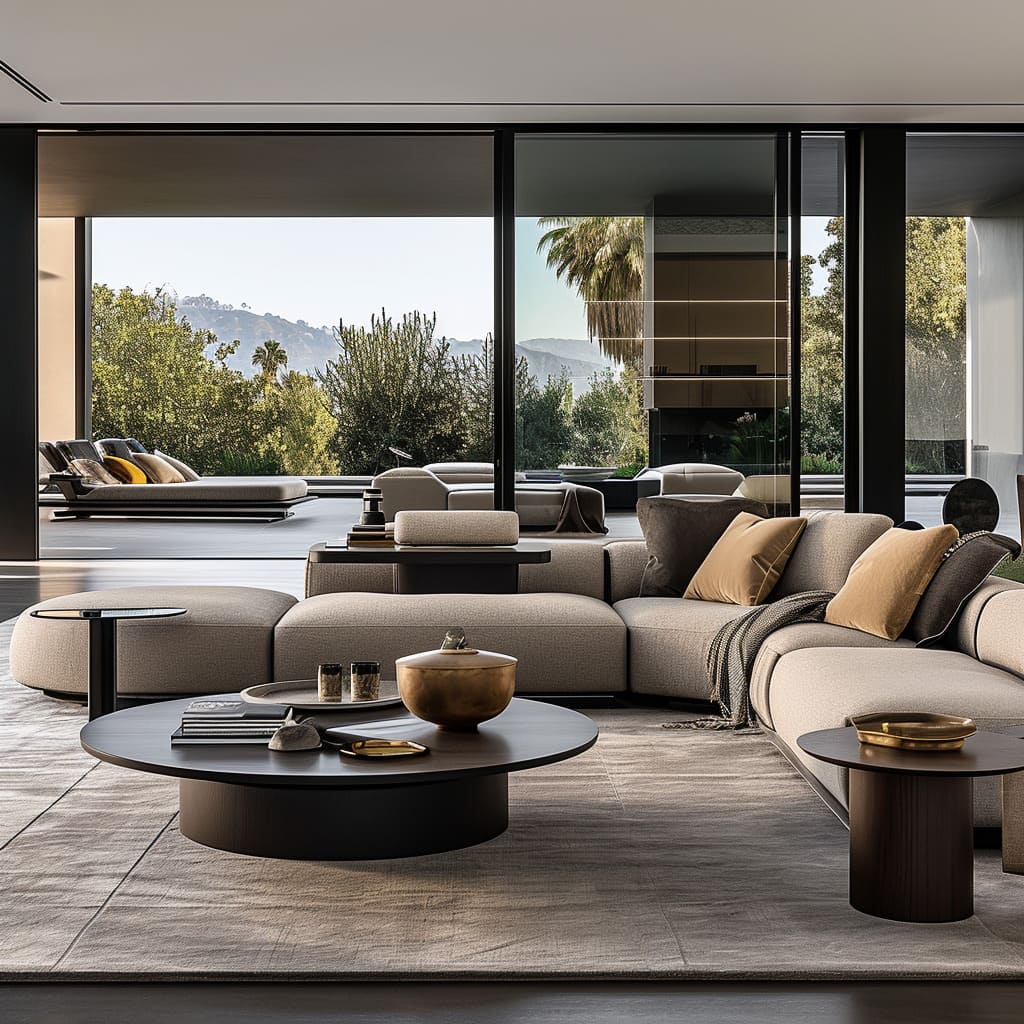
Colors play a pivotal role in influencing mood and energy levels. Minimalist design often embraces a muted and cohesive color palette, utilizing whites, grays, and earthy tones that promote calmness rather than chaos. This strategic choice helps reduce visual stressors, creating a soothing backdrop that can inspire clarity and innovation. For instance, the highly sought-after white walls of modern art studios do not merely serve an aesthetic purpose; they allow artists to focus their energies on their creative endeavors without the distractions of vibrant colors.
Smart Sourcing and Sustainability
The philosophy of minimalism extends beyond aesthetics into the realm of sustainability. Using eco-friendly materials not only reduces environmental impact but also resonates with a growing desire for conscientious living. Furniture crafted from sustainable resources promotes an inherent respect for nature. This connection can inspire creativity by encouraging a sense of purpose and mindfulness in one’s work and life. A workspace filled with biophilic elements—such as plants or natural woods—can significantly enhance concentration and innovation.
Personalization with Purpose
While minimalism emphasizes simplicity, it does not imply a lack of personality. One of the joys of minimalist design is the opportunity to showcase what truly matters through intentional personalization. Whether it’s a few select pieces of art or a carefully chosen book collection, these personal touches can act as catalysts for inspiration. The key is selecting items that resonate deeply, fostering a sense of identity and connection. Research indicates that a well-curated space can serve as a profound source of motivation, allowing individuals to feel more at home and mentally engaged.
In summary, the principles of minimalist design create an environment that can serve as a powerful catalyst for creativity. By prioritizing open spaces, employing a calming color palette, focusing on sustainable materials, and embracing purposeful personalization, individuals can develop a sanctuary that boosts inspiration and innovation. As the journey toward minimalist spaces unfolds, the transformative potential becomes ever clearer, paving the way for new levels of imagination and clarity.
Embracing Minimalism for Enhanced Creativity
Minimalist design is not just about aesthetics; it’s a philosophy that promotes a clearer mental space conducive to creativity. Streamlined spaces free from clutter can help individuals focus better and generate innovative ideas. By removing distractions, designers and creators alike can better channel their energy into their work, fostering inspiration and enhancing productivity.
In addition, the strategic use of negative space in minimalist design creates a calming atmosphere that not only invites creativity but also enhances emotional well-being. Studies have shown that environments rich in natural light, simple color palettes, and functional decor can significantly impact mood and creativity. With fewer visual distractions, individuals are more likely to engage in deep thinking and problem-solving.
Moreover, minimalist design emphasizes functionality over extravagance. This approach encourages thoughtful purchasing decisions and sustainable practices, leading to a more intentional lifestyle. By curating a space that only includes items of value, we can create a haven that sparks inspiration, ultimately aiding creatives in their endeavors.
Let’s delve deeper into how these design principles come together to create environments where innovation thrives. The balance achieved through intentional design choices allows creative minds to flourish, making the exploration of minimalist settings essential for anyone looking to elevate their creative process.
| Advantages | Key Features |
|---|---|
| Enhanced Focus | A clutter-free environment allows for deeper concentration on tasks. |
| Improved Mood | Natural light and simple designs elevate emotional well-being. |
The concept of minimalism extends beyond aesthetics; it is a way of life that aligns perfectly with the needs of creative minds seeking inspiration. By transforming spaces into streamlined sanctuaries, individuals not only enhance their productivity but also open doors to new ideas and innovations. Exploring these minimalist concepts can pave the way for a more inspired approach to creativity, demonstrating the profound impact of design on thought processes.
DISCOVER MORE: Click here to delve into the psychological benefits of minimalism
Adaptive Furnishings: Versatility in Design
In a world where the boundaries between personal and professional spaces are increasingly blurred, the importance of adaptive furnishings in minimalist design cannot be understated. The flexibility of furniture and fixtures allows for a dynamic environment that can morph to suit various needs, thereby facilitating a more fluid creative process. For example, foldable desks and modular seating arrangements can be rearranged to accommodate brainstorming sessions or solo reflection time, enhancing productivity and encouraging collaboration among creatives. This adaptability emphasizes functionality without sacrificing aesthetic value, creating an atmosphere where innovation can thrive.
Decluttering as a Creative Catalyst
A void can be as significant as a presence—this principle underpins the concept of decluttering within minimalist spaces. The act of removing unnecessary items not only clears physical space but also alleviates mental clutter. Research suggests that a disorganized environment can lead to increased stress and distractions, stymieing creative thought. By implementing decluttering techniques, individuals can create an aura of calm, allowing for deeper concentration and brighter ideas. Techniques like the Marie Kondo method have gained popularity, advocating for a conscious selection of items that spark joy, ultimately fostering a more conducive setting for creativity.
Natural Light as an Inspirations Source
When it comes to enhancing creativity, the impact of natural light cannot be overlooked. Minimalist design often incorporates large windows and open layouts that facilitate the entry of sunlight, which is known to improve mood, focus, and overall well-being. Studies indicate that exposure to natural light in a workspace can lead to increased energy levels and creativity. To maximize these benefits, designers often suggest positioning workstations near windows or utilizing glass panels to create an uninterrupted flow of light throughout the space. This connection to the outdoors can invigorate the creative mind, inspiring a sense of expansiveness even within confined settings.
Technology Integration and Streamlined Functionality
The integration of technology into minimalist design is essential for creating streamlined spaces that encourage creativity. Smart home and office technologies can enhance efficiency while minimizing visual clutter. For instance, wireless charging stations and voice-controlled devices eliminate the need for numerous cords and untidy configurations, allowing for a cleaner visual environment. Moreover, the effective use of digital tools, such as project management software and collaborative platforms, can lead to increased productivity and innovation, offering more time to focus on the creative process. Harnessing technology ensures a functional space that resonates with the minimalist ethos of simplicity and effectiveness.
These additional elements—adaptive furnishings, decluttering practices, the strategic use of natural light, and thoughtful technology integration—contribute significantly to the minimalist design philosophy aimed at fostering creativity. Each component not only embodies the essences of functionality and beauty but also aligns with the overarching goal of creating spaces that serve as true canvases for innovative thinking. By weaving together these elements, individuals can cultivate environments that not only inspire but also unleash the full potential of their creativity. As the exploration of streamlined spaces continues, the possibilities for enhanced ingenuity become increasingly expansive.
DISCOVER MORE: Click here to dive deeper into minimalist design trends
Conclusion
In today’s fast-paced and often chaotic world, the power of streamlined spaces cannot be underestimated. Embracing a minimalist design ethos is about more than just aesthetics; it is about crafting environments that serve the creative process and inspire innovation. By utilizing elements such as adaptive furnishings, a strategic approach to decluttering, optimizing the use of natural light, and embracing smart technology integration, individuals can create spaces that effortlessly transition between personal and professional uses, accommodating the dual demands of modern life.
As we consider the nuanced interplay between space and creativity, it becomes clear that minimalism is not merely a design choice but a vital framework for enhancing mental clarity and focus. Research underscores that when we strip away the unnecessary, we unleash our creativity and create an atmosphere conducive to breakthrough ideas. Thus, the deliberate arrangement of space opens up a world of potential, more than just physical room—it’s about liberating the mind to roam freely and explore new concepts.
Therefore, for anyone looking to enrich their creative endeavors, diving deeper into the realm of minimalist design is well worth the investment. As we continue to redefine how our environments impact our thinking, the future holds exciting possibilities for optimizing our spaces. Whether you’re an artist, entrepreneur, or simply someone looking to spark new ideas, understanding and implementing the principles of streamlined spaces will become a key asset in unlocking your full creative potential. So, take a step back, evaluate your surroundings, and consider how these principles can metamorphose not just your space, but your mind as well.