Creating Multi-Functional Streamlined Spaces: The Art of Versatile Design
Rethinking Space Efficiency
In an era where urban areas struggle with space limitations, the implementation of multi-functional design has become a necessary innovation rather than a luxury. With the rampant trend of micro-apartments and compact homes, the space we inhabit needs to serve multiple purposes effectively. This transformational approach not only addresses spatial constraints but also elevates the overall quality of urban living.
Innovative Solutions for Compact Living
The concept of versatile design extends beyond mere aesthetics; it is about creating environments that can adapt dynamically to the needs of their inhabitants. Here are some exemplary features that are reshaping how we live and work within our homes:
- Convertible furniture: This category of furniture includes items such as sofa beds, which can seamlessly transition from a comfortable couch to a sleeping area, and extendable dining tables that accommodate everyday dinners with friends yet expand for larger gatherings. For instance, a Murphy bed folds up into the wall, providing a spacious living area during the day, and can be pulled down at night for restful sleep.
- Modular shelving: These adaptable systems can be rearranged to function as bookshelves, room dividers, or decorative display areas, making them invaluable in small spaces. Companies like IKEA have popularized this concept, offering customizable units that can grow and change according to evolving needs. This flexibility not only utilizes vertical space but also allows for creative personal expression.
- Smart technology: The integration of automation into home design streamlines both utility and comfort. Systems that control lighting, climate, and entertainment through smartphone apps or voice commands can be programmed to adjust based on user preferences or schedules. This not only enhances convenience but also supports energy efficiency—crucial in a time of increasing environmental awareness.
Achieving a Harmonious Aesthetic
These elements of multi-functional design not only improve the practicality of a living space but also contribute to a coherent and appealing visual aesthetic. When carefully curated, each piece can enhance the overall feel of the room while serving a specific function. For instance, an elegant shelving unit can store books and display art, transforming a mundane corner into a focal point of interest.
As we explore the principles of creating multi-functional streamlined spaces, it becomes evident that the potential for innovative design is vast. With thoughtful planning and a creative mindset, any area, whether a studio apartment in New York City or a cozy nook in a suburban home, can evolve into a well-organized sanctuary that caters to the increasingly dynamic lifestyles of today.
Join us as we dive deeper into practical strategies and groundbreaking trends in versatile design, discovering how these principles can inspire not only better living but also greater personal satisfaction in how we engage with our spaces.
DISCOVER MORE: Click here to dive deeper
Maximizing Usability with Flexible Design
In the quest for multi-functional streamlined spaces, the philosophy of usability takes center stage. The realization that a well-planned environment can maximize functionality while maintaining aesthetic appeal is gaining traction among architects and homeowners alike. This shift is reshaping the blueprint of modern living, turning slack and cluttered areas into hubs of creativity and productivity.
Key Design Principles to Embrace
Creating versatile designs involves understanding several core principles that can be applied across various spaces. Here are some pivotal features that contribute to the creation of streamlined environments:
- Open floor plans: By merging living, dining, and kitchen areas into a cohesive space, open layouts promote interaction and flexibility. This design choice allows for uninhibited movement and reallocates areas for different activities as needed. For instance, a once-segregated kitchen can evolve into an entertaining space where culinary creations and social gatherings integrate seamlessly.
- Integrated storage solutions: The importance of efficient storage cannot be overstated in compact settings. Homeowners are now leaning toward built-in cabinetry and underutilized spaces like stairs or entryways to create hidden storage. Storage ottomans, for example, offer both seating and a place to stow personal items, thereby decluttering the living area and enhancing organization.
- Dual-purpose installations: Installing elements that serve more than one purpose serves as a key feature in multi-functional design. Think about a desk that can transition into a dining table or a foldable wall that can provide additional privacy or sound isolation when needed. These installations not only optimize space but also underscore the creativity inherent in modern design.
Creating Flow and Cohesion
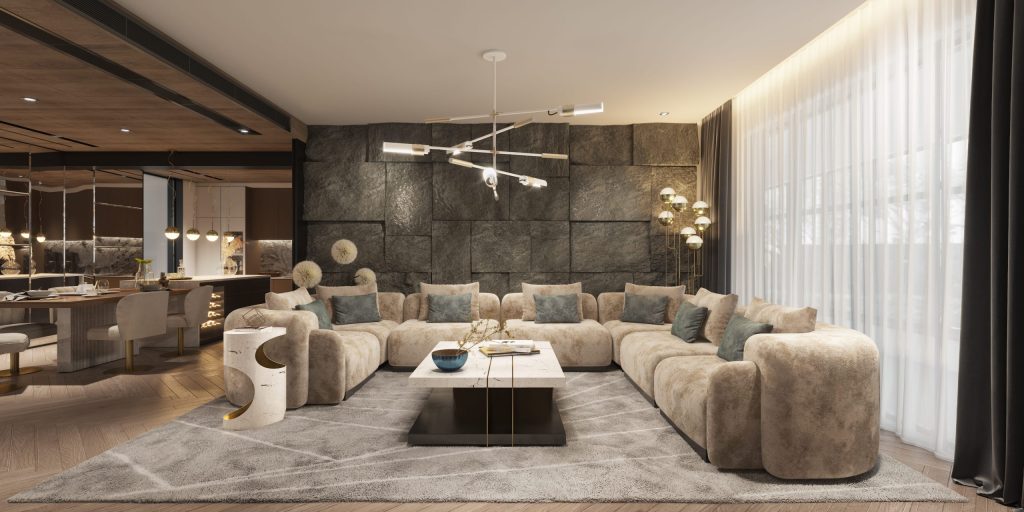
Transitioning from one functional area to another should be harmonious. A successful multi-functional design emphasizes continuity through thoughtful color palettes and material selections that allow individual spaces to feel unified. Elements such as consistent flooring throughout an open area can create the illusion of spaciousness and enable the seamless merging of separate functionalities.
Additionally, strategic lighting can also play a remarkable role in enhancing the versatility of a space. Adjustable lighting fixtures, including dimmable bulbs or track lighting, empower users to modify the atmosphere based on the activities at hand, whether it be a lively dinner party or a quiet night in.
As we move forward, it’s essential to consider how these principles can be tailored to fit within personal spaces. Whether it’s a bustling urban apartment or a spacious suburban dwelling, a thoughtful combination of usability and design can yield remarkable results. As we delve deeper into the world of versatile design, we will uncover further innovative strategies and trends that can enrich our living environments while catering to the multifaceted lives we lead.
Creating Multi-Functional Streamlined Spaces: The Art of Versatile Design
In today’s rapidly changing world, the concept of multi-functional, streamlined spaces has emerged as a critical aspect of modern interior design. It goes beyond mere aesthetics; the art of versatile design encompasses practicality and efficiency, allowing individuals to make the most out of every square foot in their living or working environments. This design philosophy emphasizes adaptability, enabling spaces to transform according to varying needs, whether it be home offices, guest spaces, or areas for leisure.
One significant characteristic of versatile design is modular furniture. Furniture that can be rearranged or adjusted based on the requirements of the moment not only fosters creativity but also ensures optimal use of space. For instance, a sofa that converts into a bed provides both seating and sleeping arrangements, making it ideal for small apartments or guest rooms. Additionally, tables with extendable features allow for intimate gatherings or larger social functions, proving that functionality can coexist elegantly alongside chic design.
Moreover, the incorporation of smart technology plays a vital role in enhancing streamlining capacity. Smart home devices can optimize energy consumption, control lighting, and even adjust temperature, creating a harmonious balance within multifunctional spaces. This advancement extends beyond mere convenience; it cultivates an environment that encourages productivity and peace of mind, especially in today’s increasingly hybrid work model.
In understanding how to create these dynamic spaces, it is also essential to consider the flow of design. The seamless integration of various elements, colors, and textures can evoke a sense of warmth and comfort while maintaining functionality. Thoughtful space planning, including strategic placement of furniture and the use of dual-purpose items, significantly contributes to the overall effectiveness of a streamlined space. This encourages individuals to explore new possibilities within their environments, fostering innovation in home and workplace design.
| Advantages | Key Features |
|---|---|
| Efficient Use of Space | Transforms rooms for multiple functions |
| Enhanced Flexibility | Adapts to user needs over time |
| Increased Functionality | Incorporates technology for ease of use |
| Aesthetic Value | Combines stylish design with practicality |
These facets of multi-functional design not only cater to taste but also respond to the shifting dynamics of how we live and work, ensuring that spaces remain relevant and engaging. As we continue to prioritize flexibility in our environments, the dialogue surrounding the art of versatile design will undoubtedly evolve, highlighting the importance of skilled design choices in achieving harmony between form and function.
DISCOVER MORE: Click here to learn about the impact of color psychology
Incorporating Technology for Seamless Integration
Technology plays a pivotal role in the evolution of multi-functional streamlined spaces, facilitating smart solutions that enhance usability without clutter. Today’s designers are increasingly incorporating technology to provide seamless integration into everyday environments, which can elevate the functionality of any room.
The Rise of Smart Home Solutions
Smart home technology is at the forefront of versatile design, allowing for the control of lighting, heating, and security systems from mobile devices. For instance, smart lights can transition from bright white for work-related tasks to warm tones ideal for relaxation with a simple command. Likewise, automated window treatments enable homeowners to adjust natural light levels effortlessly, contributing to a comfortable atmosphere throughout the day.
Moreover, smart furniture has begun to emerge as an essential element in this paradigm. Take, for example, a sofa that can be adjusted to become a bed at night or coffee tables with built-in charging stations. These innovative solutions not only exemplify the flexibility of modern design but also prioritize convenience and comfort in a world that is increasingly demanding.
Designing for Outdoor Connectivity
The line between indoor and outdoor living spaces is becoming increasingly blurred, as homeowners seek to create environments that extend their living areas into their backyards. Utilizing large folding doors or windows enables a seamless transition, merging indoor and outdoor spaces into an expansive area that can adapt to various activities—be it al fresco dining, entertaining, or simply enjoying nature.
Outdoor furniture is now designed with multifaceted use in mind. For example, modular seating that can be rearranged based on the number of guests, or tables that can transform from small gatherings to buffet-style dining, exemplify the trend of outdoor versatility. Additionally, incorporating elements like fire pits or outdoor kitchens can further enhance usability while fostering a communal atmosphere.
Material Selection: Balancing Aesthetics and Functionality
When it comes to the materials selected for versatile design, homeowners and designers are prioritizing options that not only fit their aesthetic but also boast durability and adaptability. The rise of sustainable materials denotes a conscious choice in today’s design: reclaimed wood, recycled metals, and eco-friendly textiles are being embraced for their ability to complement various styles while asserting their functionality.
Countertops that can withstand high temperatures and stains serve not only as stunning focal points in kitchens but also as durable work surfaces. Similarly, flooring materials that combine elegance with resilience are becoming increasingly popular, allowing for cohesive design throughout spaces that see a variety of uses.
Ultimately, the use of innovative materials and technologies in multi-functional spaces encourages flexibility and responsive living. By considering both aesthetics and functionality in the design process, architects and homeowners can create environments that not only look exquisite but also serve a myriad of purposes.
DISCOVER MORE: Click here to dive into minimalist design inspiration
Conclusion: The Future of Versatile Design
In an age where space is often at a premium, creating multi-functional streamlined spaces offers an innovative solution that blends practicality with artistry. The principles of versatile design encourage a shift from traditional room functions to adaptable environments that meet the changing needs of modern living. By embracing smart technology, homeowners can elevate everyday experiences, integrating technology that allows for effortless management of home systems—transforming spaces at the touch of a button.
Furthermore, the importance of outdoor connectivity deserves recognition. As more families seek environments that blend indoor and outdoor living, the innovations in outdoor furniture and open design principles facilitate a seamless experience that promotes social interaction and relaxation. This merging of spaces not only enhances livability but also contributes to a holistic approach to home design.
Material selection is equally crucial in this journey toward versatility. The prioritization of sustainable, durable, and stylish options ensures that every element—from countertops to flooring—can withstand a variety of uses while still looking fresh and inviting. By focusing on both aesthetics and functionality, designers and homeowners alike can craft spaces that respond dynamically to their occupants’ lifestyles.
Ultimately, the art of versatile design reflects a growing trend towards flexibility and efficiency, encouraging us to rethink how we utilize our spaces. Whether you’re rearranging furniture or integrating smart home devices, the future of design lies in the balance of comfort, innovation, and functionality. As we move forward, exploring these principles in our own homes may not only enhance our daily experiences but also inspire a new legacy of mindful living.