The Role of Personalization in Streamlined Spaces: Balancing Minimalism and Individuality
The Role of Personalization in Streamlined Spaces
As we navigate an increasingly complex world, the places we inhabit can either invigorate or drain us. In recent years, the trend towards minimalism in interior design has gained traction, offering a serene escape from the chaos of everyday life. However, this approach often raises the question of how to introduce our own individuality within these stark and streamlined environments. Striking a balance between simplicity and personal expression is more than just an aesthetic choice; it can profoundly affect our mood and functionality.
To better understand this balance, it’s essential to identify what elements define a streamlined space. Typically, these environments emphasize clean lines, neutral color palettes, and an absence of excess clutter. Furniture is often multifunctional, serving both utility and minimal visual distraction. However, achieving a personal touch amid such restraint is both an art and a science.
Incorporating personal touches into a minimalistic design doesn’t necessitate a departure from its core principles. Instead, it invites thoughtful curation and intentionality. Here are some strategies for integrating individuality:
- Custom artworks: Select pieces that resonate with personal memories, experiences, or values. An original painting or a framed photograph can serve as a conversation starter while encapsulating one’s personal journey.
- Curation of decor: Choose decor that tells a story. This could be a collection of vintage books that reflect a love for literature or handcrafted pottery from travels, reminding one of the culture and experiences encountered.
- Functional furniture: Opt for furniture that not only fits the practical needs but also reflects one’s taste. For instance, a mid-century modern chair can blend form and function while adding a touch of personality.
In American homes, personalization can also draw from local influences. For instance, incorporating elements of nature common to one’s area—be it beach-themed decor in coastal states or rustic elements inspired by the Appalachian mountains—can further ground a minimalist design in personal experience.
Moreover, studies indicate that spaces reflecting our individuality do more than just appeal to our aesthetic preferences; they can enhance productivity and elevate overall satisfaction. A well-lived-in and personalized space can inspire creativity and comfort, creating an environment where one feels more at ease.
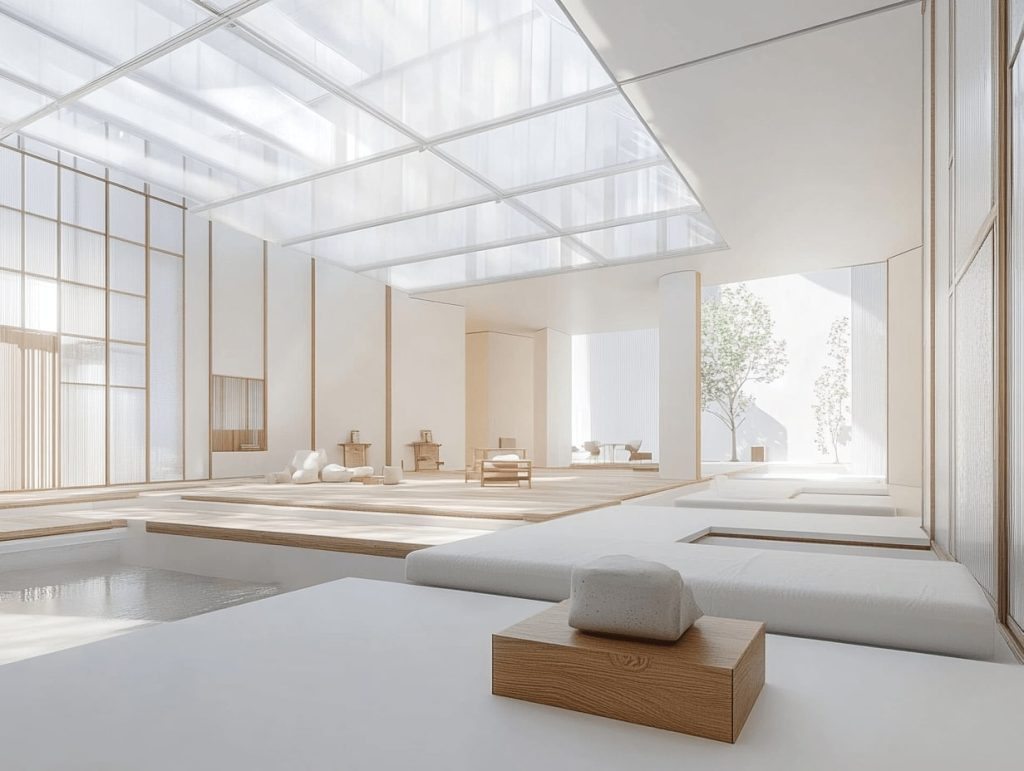
As we continue to explore the delicate interplay between personalization and minimalism, it becomes clear that these seemingly contradictory concepts can coexist harmoniously. By adopting innovative strategies to evoke an authentic representation of ourselves, we can create streamlined spaces that feel less like an impersonal showcase and more like a sanctuary, truly reflective of who we are.
DIVE DEEPER: Click here to discover how to enhance your productivity
Finding Identity in Minimalism
While minimalism promotes a serene and organized environment, achieving a sense of individuality within such spaces can often feel daunting. The essence of a streamlined space lies in its ability to evoke peace and clarity; yet, this tranquility must not come at the expense of personal expression. The challenge, therefore, is to weave elements of one’s identity into a minimalist framework without overwhelming the inherent simplicity.
To facilitate this integration, homeowners can utilize several thoughtful approaches that marry the calmness of minimalism with the vibrancy of personal touch. Here are key strategies to consider:
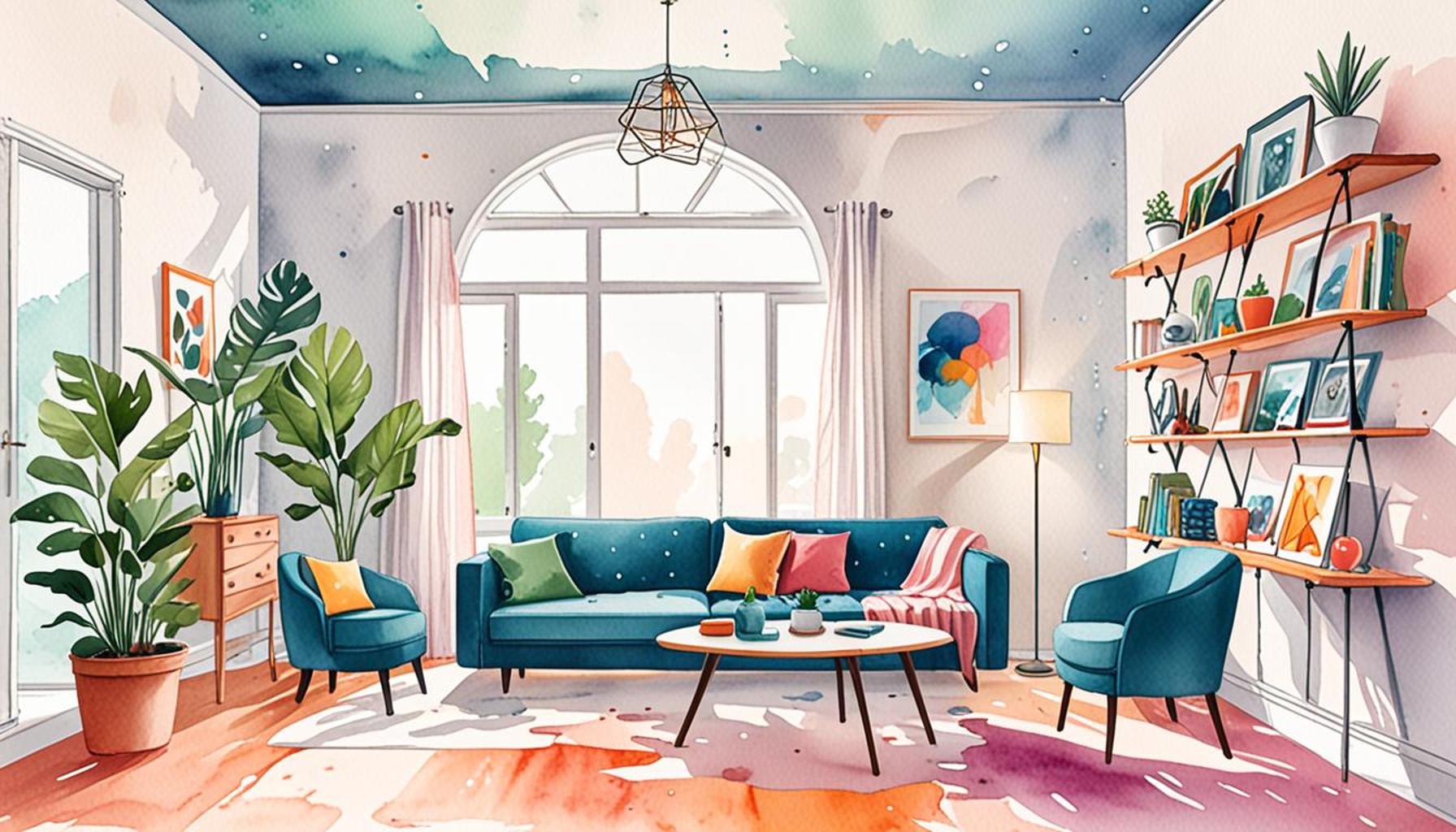
- Color Accents: While a neutral palette is often the foundation of minimalistic spaces, introducing splashes of color through accessories such as cushions or throws can add warmth and personality. These small pieces are easily changeable, making it simple to refresh a room’s energy without compromising on minimalism.
- Personalized Textures: Integrating various textures can evoke emotions and memories that connect to one’s individuality. Consider a soft wool throw or a handmade ceramic vase that reflects personal history. This can create a tactile richness that contrasts beautifully with sleek surfaces.
- Statement Pieces: A bold object, perhaps a unique sculpture or an antique piece from a family heirloom, can serve as the focal point in a minimalist room. This allows for a visually striking representation of one’s personal story without cluttering the overall aesthetic.
- Lighting Choices: The lighting in a home can set the mood and express individuality. Opting for distinctive light fixtures or personalized lampshades can introduce a layer of character while complementing a streamlined design.
Furthermore, the functionality of those personal elements cannot be overlooked. Every object in a well-curated minimalist space should serve a purpose, reflecting both practicality and personality. This duality means that each chosen item, from wall art to furniture design, should resonate not only with aesthetic preferences but also with practical usage. For instance, a sleek, multifunctional coffee table might be paired with a unique coffee table book that sparks conversation, bridging the gap between minimalism and personal narrative.
In American homes, regional influences can also play a pivotal role in this personalization journey. Whether it’s incorporating Native American designs into southwestern décor or reflecting urban chic aesthetics in a New York loft, local styles can provide a deeper connection to one’s roots while maintaining a minimalist ethos. This approach not only enhances individuality but also promotes a sense of belonging and identity.
As we delve deeper into the exploration of personal touches in minimalist settings, it’s essential to understand that personalization doesn’t mean the abandonment of minimalism; rather, it is a celebration of it. Each thoughtful addition can transform a stark space into a lived-in sanctuary, giving voice to the inhabitants and their stories without compromising the tranquility and order that minimalism provides. In the pursuit of striking the perfect balance, we find that design is not merely a reflection of aesthetic choices, but also of personal journeys.
The Impact of Personalization on Minimalist Design
In the realm of modern interior design, the intersection of personalization and minimalism brings a fresh perspective to how individuals interact with their spaces. As homeowners increasingly seek environments that truly reflect their personalities, the role of personalization has become paramount. This shift not only enhances the aesthetic appeal of living spaces but also contributes to emotional well-being. By allowing personal touches—such as curated artwork or meaningful objects—homeowners can create a sanctuary that resonates with their identity while maintaining the simplicity characteristic of minimalism.
Finding Balance Through Thoughtful Design
Achieving harmony between minimalism and individuality requires intentional design choices. For instance, selecting furniture pieces that serve dual purposes can minimize clutter while offering opportunities for personal expression. Furthermore, color palettes can convey individual style; opting for a neutral base with bold accent colors can maintain a streamlined look while infusing personality. This careful curation ensures that spaces are not only functional but also deeply personal, inviting residents and guests alike to experience a genuine reflection of self.
Examples of Personalization in Streamlined Spaces
Consider the growing trend of incorporating custom solutions such as built-in shelving or bespoke cabinetry. These features not only provide storage but also offer homeowners the chance to showcase their interests—be it books, collectibles, or artwork. Additionally, integrating technology into design can enhance personalization without sacrificing minimalist principles. Smart home devices can be seamlessly integrated into a streamlined environment, allowing occupants to tailor their home’s ambiance, lighting, and security according to their preferences, further promoting individual expression in a sophisticated manner.
Embracing Individuality Without Excess
The modern approach to personalized spaces highlights that embracing individuality does not necessitate an abundance of decor; rather, it’s about making thoughtful selections that tell a story. Focusing on quality over quantity allows for well-placed items to shine, underscoring the personal touch while preserving the minimalist creed of “less is more.” This philosophy encourages individuals to curate their spaces mindfully, resulting in an enriched, yet uncluttered living environment that feels uniquely theirs.In summary, the dance between personalization and minimalism in modern design speaks to a deeper understanding of what makes a space truly feel like home. It is this embrace of individuality—expressed through intentional design choices and thoughtfully selected decor—that creates an engaging and harmonious living environment, ultimately leading to spaces that inspire and rejuvenate occupants on a daily basis.
DISCOVER MORE: Click here to find out how to boost your productivity
Curating Meaningful Experiences
As homeowners navigate the delicate balance between minimalism and personalization, the focus turns to the creation of meaningful experiences within streamlined spaces. Personalization is not simply about showcasing one’s belongings; it’s about curating environments that reflect the owner’s lifestyle, aspirations, and values. In doing so, spaces can transcend mere functionality, becoming a canvas for self-expression and emotional connection.
Incorporating elements that evoke memory or emotion can profoundly enhance the atmosphere of a minimalist setting. For instance, a small gallery wall featuring black-and-white photographs may tell the story of family lineage or a memorable vacation, adding depth to an otherwise simple space. Each image, selected with intention, provides not only a visual element but a narrative component that invites interaction and contemplation.
Designers and homeowners alike can go one step further by integrating functional art—pieces that serve a purpose while simultaneously acting as expressive objects. Think of an intricately designed wall clock that captures the homeowner’s artistic sensibilities or a furniture piece sculpted in a way that sparks conversation around its form and construction methods. Such items bridge the gap between minimalism and individuality, highlighting that every object in the space can embody both beauty and utility.
Moreover, technology has become an essential ally in personalizing minimalistic spaces. Smart home devices can not only enhance comfort and convenience but can be tailored to reflect personal style choices. The understated design of smart speakers, Wi-Fi routers, and lighting systems can seamlessly blend into the minimalist aesthetic, while their customizable features allow homeowners to adjust settings based on mood, occasion, or personal preference. This integration fosters a living environment that not only caters to individual comfort but also has an ever-evolving identity.
It is also essential to consider the role of nature in personalizing minimalist spaces. Biophilic design principles emphasize the inclusion of natural elements to promote well-being and connection to the outside world. Live plants or succulents can enhance visual interest and add a touch of living color to a stark environment. Furthermore, the act of nurturing plants can be a reflection of one’s values regarding sustainability and connection to nature, enriching the home with both aesthetic and ethical significance.
While the pursuit of minimalism in design often emphasizes the elimination of excess, it is crucial to remember that personal stories can be embedded in the minimal. For instance, collections that are deliberately curated can tell a larger story without overwhelming the space. A single shelf displaying a series of vintage books or records can represent years of personal history and interests, enhancing the narrative while adhering to minimalistic principles.
As one dives deeper into the crafting of these streamlined environments, the notion of personalization should remain fluid. Allowing for adaptability creates opportunities for transformation. Elements can shift as new experiences or inspirations arise, ensuring spaces evolve with the individual. This careful choreography of functionality and sentimentality in design fosters not only a home that is aesthetically pleasing but one that resonates deeply with the inhabitants’ journey.
DISCOVER MORE: Click here to delve deeper
Finding Harmony in Design
In conclusion, the interplay between personalization and minimalism underscores a rich tapestry of design possibilities that speak to both aesthetic beauty and individual narratives. Homeowners are increasingly realizing that encouraging individuality within streamlined spaces does not contradict the principles of minimalism; rather, it enhances it. By allowing personal stories, emotions, and values to emerge through thoughtfully curated elements, minimalist design can transform into a truly reflective environment.
As technology and nature meld seamlessly into our living spaces, the opportunities for personalization expand further. The integration of smart devices offers innovative avenues for comfort and style, while incorporating biophilic elements ensures a connection to nature that enriches overall well-being. Importantly, the choice of ornamental and functional pieces can convey a homeowner’s unique journey and appreciation for art, fostering a deep emotional connection to their surroundings.
Ultimately, achieving balance in design is about choice and intention. When homeowners embrace the fluidity of personalization, they enable their spaces to evolve with them, telling stories that resonate over time. As we move forward in the journey of designing our homes, let us not forget the profound impact of harmonizing individuality with minimalism. This balance not only enhances our day-to-day experiences but also creates havens that genuinely feel like home.