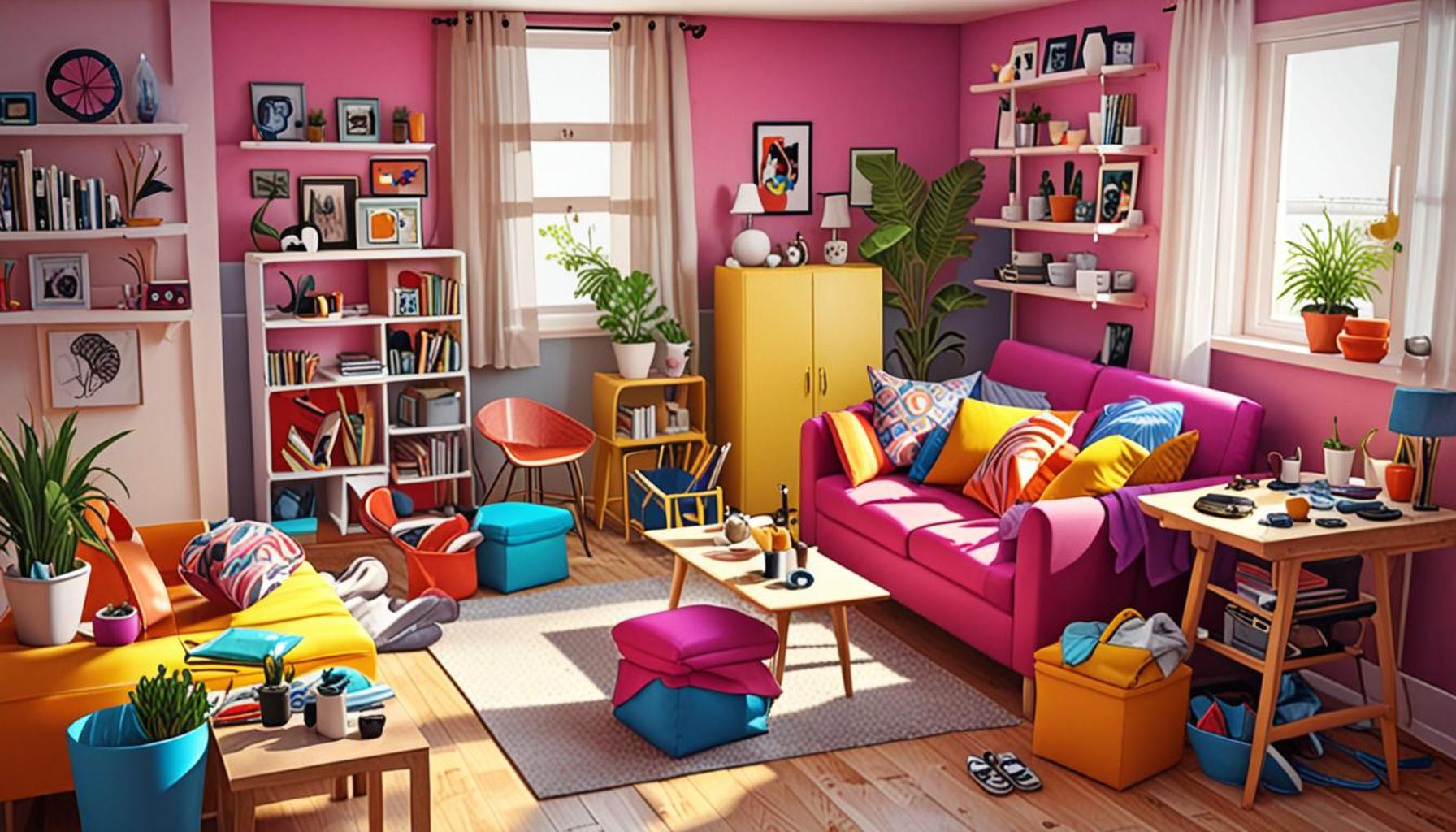
The Psychology Behind Clutter Reduction: How Organized Space Affects Mental Health

The Psychological Benefits of Organized Spaces
Clutter isn’t merely a visual nuisance; it has profound implications for our mental health and overall well-being. Research has consistently demonstrated that an overstuffed environment fosters increased levels of stress and anxiety. When our surroundings are chaotic, we often mirror that chaos in our thoughts and emotions. As we navigate the complexities of modern life, understanding the psychological aspects of clutter management becomes increasingly vital for our emotional resilience.
Consider the following effects of an organized space:
- Boosts Concentration: Studies suggest that individuals working in tidy environments are more focused and productive. For instance, a workplace devoid of unnecessary items can lead to a significant increase in task efficiency. With fewer distractions vying for our attention—such as stacks of papers or unfiled documents—individuals can channel their mental energies toward more meaningful endeavors. Think about how many hours are lost each week searching for misplaced items.
- Reduces Anxiety: A clutter-free home can foster a serene atmosphere, which is crucial for emotional balance. Research published in the journal “Personality and Social Psychology Bulletin” indicates that the mere presence of clutter can elicit feelings of helplessness and anxiety. By reducing visual noise, an organized environment can act as a soothing balm, encouraging relaxation and reducing stress levels.
- Enhances Mood: An organized space can lead to an uplifted mood and increased happiness. Freshly organized areas often inspire a sense of accomplishment. In a survey by the National Association of Professional Organizers, a staggering 83% of people reported a sense of relief once they decluttered their homes, equating the experience with lightening their emotional load. A home that feels more like a sanctuary naturally elevates our spirits.
In the United States, many individuals are recognizing that decluttering is not just about aesthetics; it is about crafting a personalized haven for mental clarity and harmony. As we dissect the relationship between clutter reduction and mental health, we unveil significant insights about how our surroundings can influence our thoughts, feelings, and overall mental landscape.
Join us on an illuminating journey to understand how embracing organization may serve as a pathway to improved emotional well-being. The science behind our spaces is not just revealing; it carries implications that extend into our daily lives, relationships, and aspirations. Would you consider transforming your environment to enhance your mental health? The exploration of organized spaces might lead you to some surprising discoveries about yourself and your emotional needs.
DISCOVER MORE: Click here to enhance your workspace efficiency

Understanding the Link Between Clutter and Cognition
The connection between clutter reduction and mental health is not merely anecdotal; it is supported by a broad spectrum of psychological research. Experts suggest that the human brain thrives in environments that are orderly and structured. The chaos of clutter can create a sense of overwhelm, which may inhibit clear thinking and decision-making. Cognitive load theory posits that our brains have a limited capacity for processing information. When our surroundings are filled with unnecessary items, our cognitive load increases, making it challenging to concentrate on the tasks at hand.
This overload can manifest in various ways, from diminished productivity at work to difficulty relaxing at home. The brain uses valuable resources to filter out excess stimuli from cluttered spaces, which can result in mental fatigue. A study conducted by the University of California, Los Angeles (UCLA) found that women who described their homes as cluttered had higher levels of the stress hormone cortisol. This supports the idea that an organized space helps alleviate stress and fosters a higher quality of life.
Additionally, external environments are closely intertwined with our internal states. Research highlights several key psychological benefits of living in organized surroundings:
- Increased Comfort: People often feel more at ease and relaxed in tidy spaces. The absence of clutter can create a welcoming atmosphere, which can encourage social interactions and enhance relationships.
- Fostering a Growth Mindset: An organized space can contribute to a mindset that embraces progress and adaptability. When individuals take control of their environments through decluttering, they may experience a sense of empowerment that promotes personal growth and goal achievement.
- Encouragement of Healthy Habits: An organized environment makes it easier to implement and maintain healthy routines. For example, a neat kitchen encourages cooking at home rather than opting for takeout, fostering better nutrition and overall wellness.
Psychologists argue that human beings are inherently drawn to order. According to a study published in the Journal of Psychological Science, individuals were measured for their happiness levels after engaging in various activities in organized and disorganized spaces. The findings indicated that those who completed tasks in neat environments reported higher levels of satisfaction and motivation. These insights underscore the importance of decluttering not just for aesthetic appeal but as a pathway to improved mental well-being.
As we delve deeper into the ways clutter impacts our mental landscape, it becomes evident that creating an organized space is more than a chore; it is an essential act of self-care. From enhancing cognitive function to fostering emotional stability, the act of organizing may significantly reshape our daily experiences and overall mental resilience.
The impact of clutter on mental health is profound and often underestimated. Studies indicate that disorganized environments can lead to increased feelings of stress and anxiety. This connection to mental well-being stems from the way our brains process visuals and environmental stimuli. For instance, when surrounded by a chaotic space, individuals may find it more challenging to concentrate, which can affect productivity and overall satisfaction in life.One of the primary psychological effects of a cluttered environment is the sensation of being overwhelmed. Clutter can serve as a constant reminder of unfinished tasks, creating a cognitive overload. This not only hampers focus but also diminishes one’s ability to engage in creative thinking. Organizing and decluttering can remarkably alleviate these feelings, allowing for a more serene mental state. Moreover, organized spaces can foster a sense of control and empower individuals. When people take the time to clean and organize their surroundings, or even small areas within their home, they often report feeling a surge of accomplishment and motivation. This creates a positive feedback loop that encourages further organization, embedding a proactive approach to life challenges. Maintaining a functional and organized space has additional psychological benefits, such as enhanced social interactions. When homes are organized, individuals may feel more at ease inviting friends and family over, thus cultivating rich social connections that are vital for mental health. Understanding the nuanced relationship between clutter and mental health emphasizes the importance of creating and maintaining orderly spaces. With just a bit of effort, one can transform not only their environment but also their emotional well-being, leading to a more fulfilling, stress-reduced life.The following table summarizes the significant advantages of organized spaces related to mental health:
| Category | Description |
|---|---|
| Reduction of Stress | An organized environment creates a calming atmosphere that reduces anxiety levels. |
| Enhancement of Focus | Clear spaces allow for better concentration, enabling increased productivity and creativity. |
These insights demonstrate the clear link between clutter reduction and improved mental health, encouraging readers to explore further how organization can transform their lives.
DISCOVER MORE: Click here to uncover the impact of lighting on aesthetics
The Emotional Impact of Clutter on Well-Being
While the cognitive challenges posed by clutter are significant, the emotional impact cannot be overstated. Clutter in our homes and workplaces can serve as a constant source of distraction and anxiety. Every item left unattended contributes to a nagging feeling of incompleteness or inability to cope. According to a study published in the journal Environment and Behavior, participants reported greater levels of anxiety and lower life satisfaction when surrounded by cluttered environments. This reinforces the notion that reducing clutter can lead to heightened emotional serenity and fulfillment.
Moreover, the act of decluttering can be incredibly cathartic. Psychologists emphasize the therapeutic benefits of physically removing items that no longer serve a purpose. Engaging in this process allows for not only a cleaning of physical space but also a mental cleansing. In many cases, people discover that the act of letting go is a transformative experience, instilling a sense of liberation and control over one’s life. The simple act of sorting through belongings can provide clarity, ushering in a new phase of life with fresh intentions and aspirations.
Physical decluttering has been shown to bring about emotional healing. The popular concept of “resolution clutter” refers to the items that are tied to past relationships, failures, or unfulfilled ambitions. By discarding these items, individuals can actively choose to move forward rather than be anchored by emotional baggage. This process creates space for new memories and experiences, leading to improved mental health outcomes.
The Role of Minimalism and Intentional Living
The growing trend of minimalism is rooted in the idea that less is more. Advocates of minimalism argue that cultivating intentional living spaces—spaces that reflect one’s values and aspirations—can greatly enhance mental wellness. A minimalist approach encourages individuals to curate their belongings with intention, focusing on quality over quantity. This can lead to a more profound appreciation for what one possesses, fostering a sense of gratitude that contributes to overall happiness levels.
Research indicates that minimalist environments promote mindfulness and presence, which are crucial for psychological well-being. According to a study from the Journal of Happiness Studies, environments that reflect clarity and purpose, such as organized spaces, have been linked to increased mindfulness practices, which in turn lead to lower levels of stress and anxiety.
- Better Focus: A well-organized space minimizes distractions, allowing individuals to engage more deeply in work or leisure activities, thereby improving creativity and productivity.
- Enhanced Relationships: Clean and organized environments can bolster social interactions. When homes are welcoming and neat, individuals are more likely to invite friends over, fostering social connections that are vital for mental health.
- Increased Peace of Mind: When clutter is reduced, individuals often report feeling a stronger sense of control over their lives, leading to decreased feelings of anxiety and depression.
Furthermore, communities and families that prioritize tidy environments often promote shared responsibility among members, reinforcing bonds and improving collective mental health. By actively decluttering together, individuals can cultivate a sense of belonging, enhancing overall happiness and fulfillment.
Ultimately, understanding the psychology behind clutter reduction reveals that the state of our living spaces is intrinsically tied to our mental health. By addressing clutter, individuals are not just fostering aesthetic appeal, but are paving the way for enhanced cognitive clarity and emotional satisfaction.
DISCOVER MORE: Click here to delve into the art of curation
Conclusion: Embracing the Power of an Organized Space
In exploring the psychology behind clutter reduction, it becomes clear that organized spaces are more than just visually appealing; they are essential to our mental well-being. As we’ve discussed, the presence of clutter not only impairs our focus and productivity but also weighs heavily on our emotional health, contributing to anxiety and stress. The pivotal role of decluttering therefore extends far beyond mere aesthetics, serving as a powerful tool for enhancing our mental health.
The transformative experience of engaging in decluttering enables individuals to reclaim control over their environments and lives. By letting go of items tied to unfulfilled aspirations or negative memories, people create space for new possibilities and positive experiences. The practice of minimalism encourages a deeper connection to our belongings, fostering a sense of intent and gratitude that bolsters happiness and contentment.
As research highlights, the impact of organized spaces on our emotional and psychological state cannot be overlooked. Improved focus, stronger relationships, and heightened peace of mind are just a few benefits derived from maintaining a clutter-free environment. Ultimately, striving for an organized space is a pathway toward a healthier, more fulfilling life.
As you contemplate your own surroundings, consider the potential benefits of decluttering. The journey toward an organized environment can lead not only to physical transformation but also to transformative shifts in mental health. So, begin today; embrace the power of intentional living and witness the profound effects it can have on your mental well-being.