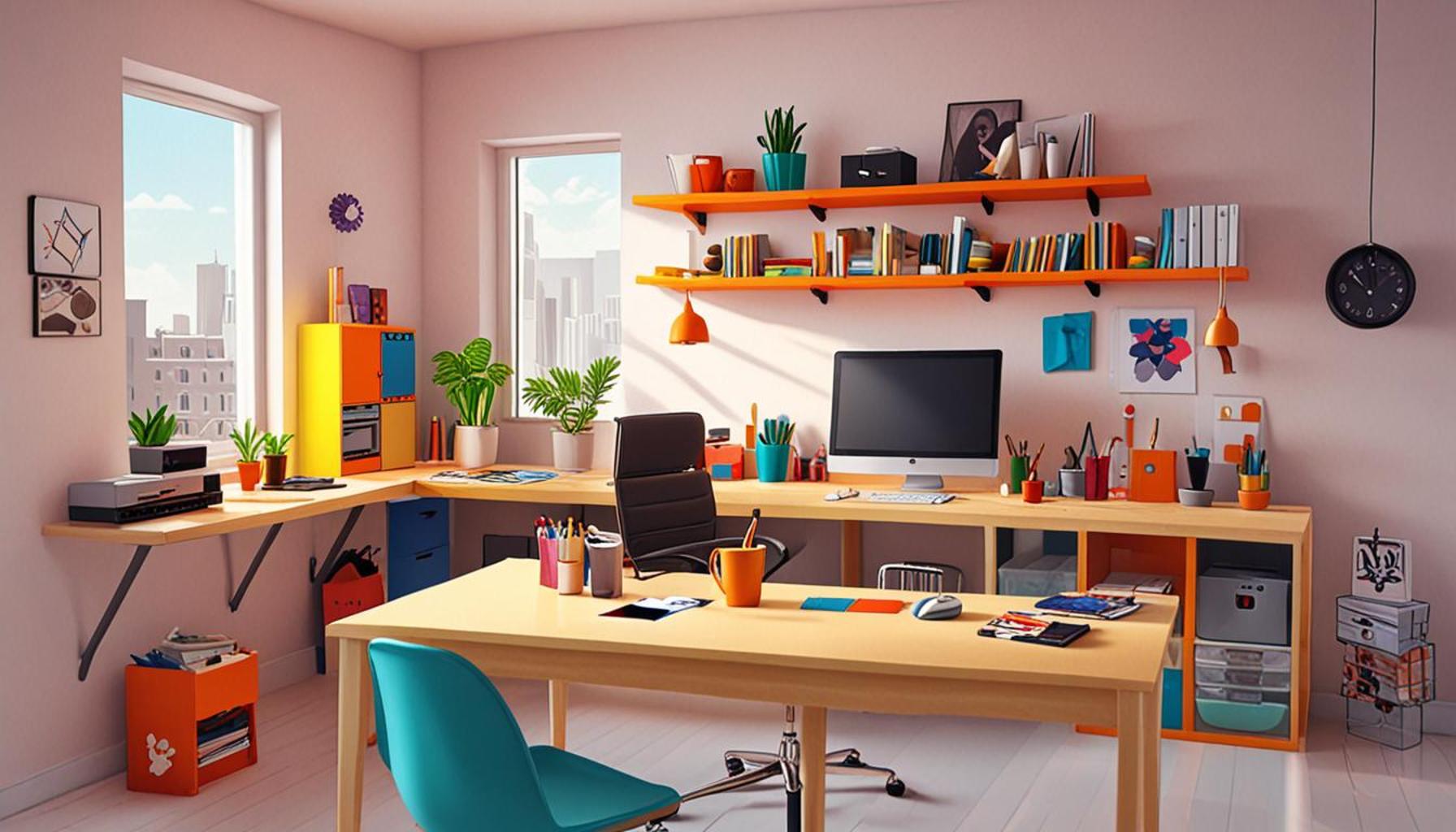
The Emotional Benefits of Decluttering: Creating Spaces of Calm and Mental Clarity

Unlocking Peace through Decluttering
In a society where consumerism reigns supreme, many are beginning to recognize the transformative power of decluttering. This practice is not just about removing unwanted items; it is a pathway toward enhancing emotional wellbeing. Research reveals that our physical environment significantly influences our emotional state. When our spaces are organized, we create an atmosphere conducive to calmness and mental clarity.
The emotional benefits of decluttering extend far beyond mere aesthetics. For instance, individuals who engage in this practice often experience:
- Reduced Anxiety: A neat environment can lead to a straightforward mind and a reduction in the chaos that often breeds anxiety. Studies show that having control over your space can lead to decreased feelings of overwhelm.
- Enhanced Focus: When distractions are minimized, the brain can channel its energy more effectively. This leads to improved concentration, whether you’re working on an important project or simply enjoying a good book.
- Boosted Productivity: An organized workspace can promote productivity by providing a clear path to completing tasks. Without unnecessary clutter, individuals are better equipped to prioritize and execute their daily responsibilities.
Research offers compelling evidence that clutter correlates with heightened stress levels. A noteworthy study from the University of California disclosed that women who classify their homes as cluttered showed elevated levels of the stress hormone cortisol. This finding underscores the weight that clutter can impose on mental health. In contrast, the act of letting go can serve as a profound release, allowing individuals to breathe easier and think more clearly.
Understanding the impact of our surroundings empowers us to curate spaces that nurture peace and well-being. Whether you’re grappling with a disorganized kitchen or a cluttered office, the journey towards emotional serenity begins with a commitment to decluttering. It’s essential to approach this process as an opportunity for self-discovery rather than a chore.
As you explore this topic further, consider practical strategies for effective decluttering. Techniques such as the “Marie Kondo method,” which emphasizes keeping only items that “spark joy,” can be particularly beneficial. Additionally, setting small, achievable goals can make the decluttering process less daunting. Over time, you may find that these simple changes lead to significant improvements in your clarity and emotional wellbeing.

Your mental health might just thank you for taking the time to transform your space, illustrating that the pursuit of peace often starts at home.
EXPLORE MORE: Click here to enhance your remote workspace
Transforming Your Environment for Emotional Wellbeing
Decluttering your space can evoke a sense of psychological relief that many individuals overlook in their busy lives. When one engages in the practice of decluttering, they are not merely tidying up; they are paving the way to lasting emotional transformation. This phenomenon is particularly relevant in the United States, where the pace of life can often contribute to overwhelming stress levels.
To comprehend the emotional benefits of decluttering, we must first discuss the concept of environmental psychology. This branch of psychology investigates how our physical surroundings impact our emotions and behaviors. A chaotic environment can lead to feelings of anxiety and depression, whereas a well-organized space fosters serenity. Scientists have noted that our environments often reflect our mental state, and a cluttered space can amplify negative thoughts and feelings, trapping us in a cycle of stress.
Consider the impact that a tidy workspace has on creativity and motivation. A study from the Princeton University Neuroscience Institute found that clutter can significantly hamper our ability to focus, highlighting the importance of a clear area to stimulate mental productivity. Engaging in decluttering not only cleans up our spaces but also paves the way for innovative thinking.
In addition to enhancing focus, decluttering can lead to a series of emotional benefits, including:
- Increased Emotional Resilience: Letting go of physical items can serve as a metaphor for releasing emotional baggage. When individuals devote time to sorting through their belongings, they often confront their past, resulting in a newfound resilience towards life’s challenges.
- Improved Mood: Studies show that a clean environment can elevate one’s mood, contributing to overall happiness. The act of decluttering can serve as a form of self-care, which is crucial for maintaining emotional balance.
- Sense of Achievement: Completing a decluttering project—big or small—can instill a sense of accomplishment. This boost of confidence can carry over into other aspects of life, fostering a greater willingness to tackle challenges.
The journey of decluttering is not just about clearing your physical space; it’s an exploration of self-awareness and emotional growth. As individuals sift through possessions, they often uncover hidden sentiments attached to items that no longer serve a purpose in their lives. This process requires introspection and self-discovery, enabling people to understand what truly matters to them.
As you begin considering how to implement decluttering into your life, remember that small steps lead to significant changes. Setting aside just 15 minutes a day to tackle one area can make the process feel less overwhelming. Whether it’s a drawer filled with forgotten items or an entire room, each tidied space contributes to a greater sense of mental clarity and peace.
The emotional landscape you cultivate through decluttering can set the stage for improved mental health, ultimately revealing the connections between environment and emotional clarity. As you embrace this journey, you may find that the physical act of creating calm spaces translates into profound emotional benefits.
As we delve deeper into the emotional aspects of decluttering, it becomes clear that the practice extends beyond mere physical organization; it significantly influences our mental wellness. One of the primary emotional benefits of decluttering is the reduction of anxiety. A cluttered environment can often lead to feelings of overwhelm and stress, as the brain struggles to process visual stimuli and associated distractions. By creating a clean and organized space, individuals can foster a sense of control and tranquility that contributes to improved mental clarity.
Additionally, decluttering allows for enhanced focus. Research indicates that a tidy environment can facilitate better concentration, enabling individuals to channel their energy into tasks that matter. This heightened sense of focus can lead to increased productivity, as it becomes easier to prioritize and complete goals without the distraction of disarray.
Moreover, the process of decluttering can be a powerful emotional release. Letting go of items that no longer serve a purpose can invoke a sense of liberation and accomplishment. This emotional catharsis often paves the way for personal growth, as individuals make space not just physically but also mentally for new experiences and possibilities. The act of curating one’s belongings encourages mindfulness and reflection, making it an enriching journey toward self-discovery.
In embracing the emotional benefits of decluttering, individuals actively work towards creating not just a cleaner home but a clearer mind. Each item removed can serve as a metaphorical weight off one’s shoulders, promoting a life filled with intention, peace, and clarity.
DISCOVER MORE: Click here to learn how to enhance your sleep and well-being
The Therapeutic Process of Letting Go
Engaging in decluttering is not merely a logistical task; it is a therapeutic process that allows individuals to explore their emotional landscapes in a profound way. As people navigate through items that have accumulated over the years, they may uncover deep-seated attachments or unresolved feelings associated with personal belongings. For instance, a simple shirt may trigger memories of a cherished event or evoke feelings of nostalgia. This emotional reckoning is the first step toward true liberation—a chance to confront what clutters not just our homes but our minds.
Research has highlighted the connection between physical spaces and mental wellbeing. According to a study by the University of California, the average American home contains over 300,000 items. The overwhelming number of possessions can lead to decision fatigue—an emotional state where individuals feel drained by constant choices, from what to wear to what to keep. When excess belongings are cleared away, cognitive load is reduced, freeing mental resources for more meaningful decisions and fostering improved mental clarity and creativity.
The idea of letting go often ties into themes of perfectionism and identity. Many people hold onto items as symbols of their identity, confirming a sense of worth or achievement. However, this can become a barrier to personal growth. When individuals actively release items that no longer resonate with who they are today, they create space not only physically but emotionally for new experiences that align better with their current selves.
Individuals often describe decluttering as a form of mindfulness practice. The intentional focus on contrasting the clutter with a vision of what they truly want in their lives promotes a state of presence. Mindfulness allows for deeper reflection on one’s values and aspirations, creating a fertile ground for positive emotional growth. For example, a tidy home office can become a sanctuary for creativity and productivity, ultimately enhancing the quality of work and personal satisfaction.
Moreover, the benefits of decluttering permeate community and family dynamics. When one person begins decluttering, it can inspire others to follow suit. Instead of feeling weighed down by a shared environment, families can experience collective relief as unnecessary distractions are removed. This support system can significantly enhance relationships, as it provides an opportunity for shared goals and mutual encouragement, ultimately improving the emotional climate of the household.
While embarking on a decluttering journey, it is vital to approach the task with compassion and patience. Setting small, manageable goals can make the process both enjoyable and rewarding. The journey to a more organized and emotionally fulfilling space is a path worth taking, leading to an environment that mirrors tranquility and clarity.
Furthermore, integrating rituals such as celebrating small victories or expressing gratitude for items released can enhance the experience. Each step taken towards a decluttered space not only brings physical order— it reinstates a sense of ownership over one’s life and emotional state, reinforcing the idea that you are the architect of your environment.
DISCOVER MORE: Click here to learn how to maximize your small space
Conclusion: Embracing Freedom Through Decluttering
In conclusion, the emotional benefits of decluttering extend far beyond physical tidiness. By embarking on this journey, individuals engage in a powerful process of self-discovery and emotional catharsis. As highlighted throughout this article, the act of sorting through possessions can reveal hidden attachments and facilitate the release of sentiments that no longer serve one’s current self. This not only provides a physical space that promotes calmness, but also cultivates mental clarity crucial for personal growth.
The reduction of clutter leads to less emotional strain and decision fatigue, allowing individuals to reclaim their mental bandwidth for creativity, productivity, and meaningful decision-making. Furthermore, decluttering can foster deeper connections within families and communities, as the collective release of excess promotes mutual support and enhances relational dynamics.
As you consider the transformative effects of decluttering, remember to approach the process with patience and self-compassion. Celebrate your milestones, no matter how small, and recognize that each item you let go of signifies an opportunity for new experiences and emotional freedom. Embracing a decluttered environment is not just about clearing physical space; it is about cultivating a life filled with intention, clarity, and lasting tranquility.
Ultimately, the journey of decluttering is deeply personal and profoundly rewarding. By prioritizing emotional wellbeing through intentional organization, individuals can create a home and a life that truly reflects their most authentic selves, filled with peace and purpose.