
Minimalism and Clutter Reduction in Work Environments: Creating Spaces that Foster Creativity
The Burden of Clutter
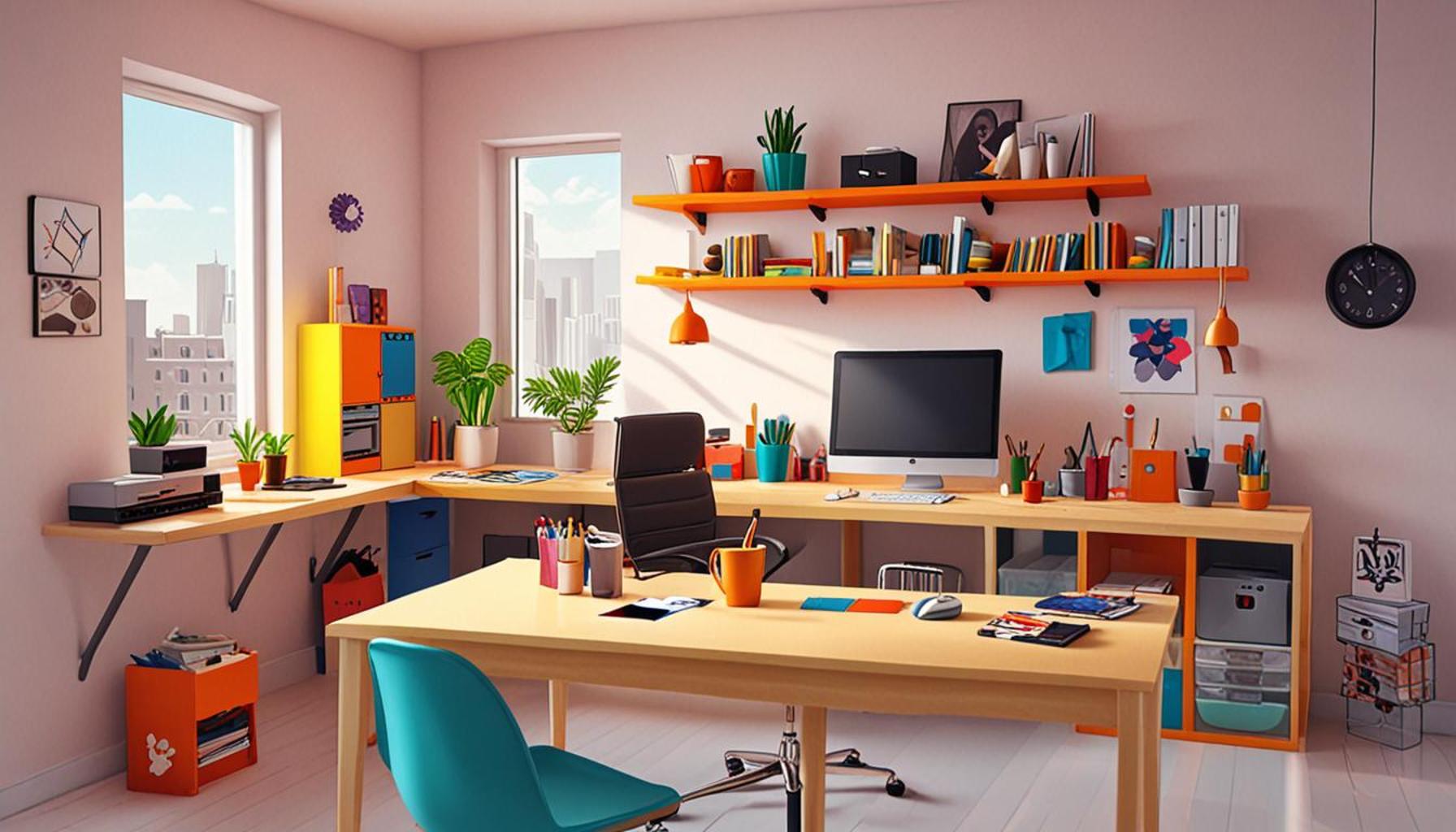
In an era characterized by relentless deadlines and a fast-paced lifestyle, the clutter in our work environments can often feel like a weight that slows us down. Physical clutter, such as stacks of paperwork, unorganized office supplies, and even digital disarray, can create a chaotic atmosphere that breeds distraction. This clutter doesn’t just occupy space; it can overwhelm the mind, making it challenging to focus on tasks at hand. A study published in the *Journal of Environmental Psychology* revealed that individuals working in disorganized environments are significantly less productive than their counterparts in more streamlined spaces. This finding underscores the importance of cultivating an environment that supports mental clarity and focus.
The Allure of Minimalism
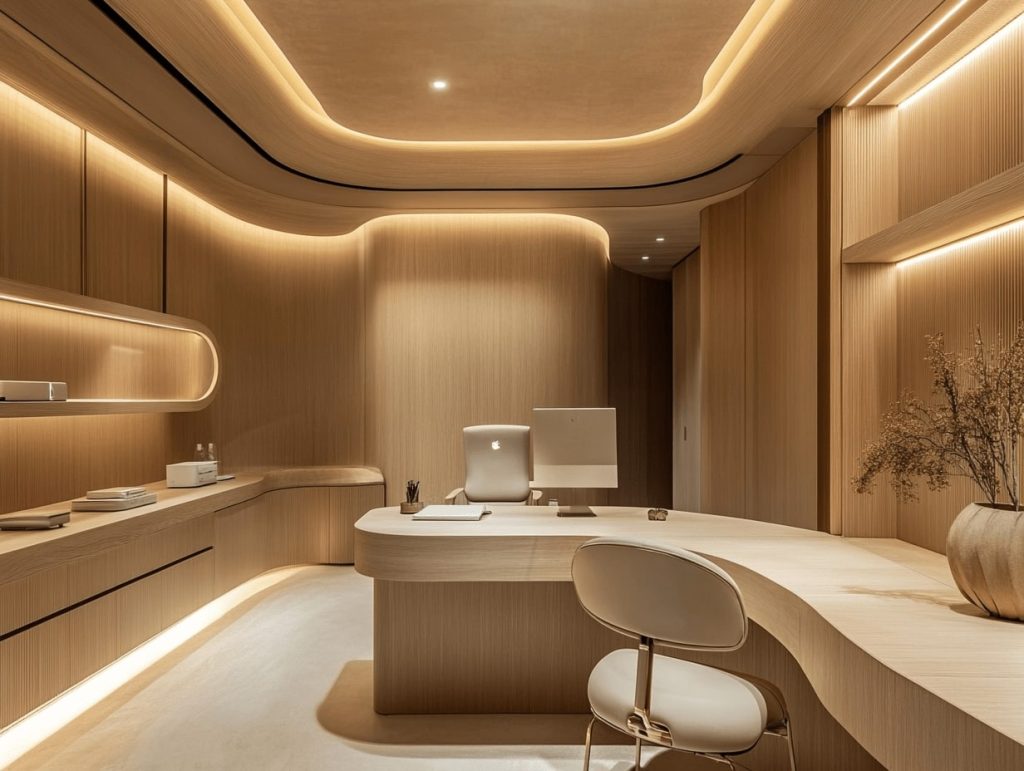
On the other hand, a minimalist workspace can transform the way we approach our daily tasks. By eliminating excess and embracing a more refined aesthetic, we can foster a sense of peace and inspiration. Incorporating minimalism into workspace design involves intentional choices—from selecting versatile furniture to implementing a thoughtful color palette that promotes calmness. For example, consider the growing trend of open-concept workspaces with natural light. According to a report by the American Society of Interior Designers, spaces enriched with sunlight enhance mood and creativity, proving that minimalism extends beyond just decluttering; it entails creating an environment that feels revitalizing.
Practical Steps to Minimalism
Achieving a minimalist workspace goes beyond simply tidying your desk. It involves a strategic reevaluation of your workspace. Here are practical steps to help facilitate this transformation:
- Intentional Design: Select furniture and tools that serve multiple purposes. For instance, a desk with built-in storage can significantly reduce surface clutter.
- Prioritize Essentials: Regularly audit your workspace and remove items that do not contribute to your day-to-day activities. This might include outdated documents or gadgets that rarely get used.
- Incorporate Creativity Boosters: Enhance your workspace with elements that inspire creativity. Introduce artwork or plants, as studies suggest that greenery can improve both air quality and mood, helping to create a more inviting atmosphere.
The Broader Impact on Well-Being and Productivity
Transitioning to a minimalist workspace can lead to profound impacts on personal well-being. Research indicates that individuals in organized environments report lower stress levels. This reduction in stress not only promotes mental health but also enhances productivity, enabling employees to perform at their best. Furthermore, organizations that support a culture of minimalism often see increased job satisfaction, lower turnover rates, and improved collaboration among teams. As we delve deeper into the benefits of minimalism, it becomes evident that these changes are not merely about aesthetics; they hold the potential to revitalize entire organizational cultures.
Embrace the Minimalist Journey
In conclusion, adopting a minimalist approach in your workspace can ultimately transform it into a hub of creativity and productivity. As we navigate a world filled with distractions, the clarity offered by minimalism serves as a beacon for innovative thinking. By making intentional choices regarding our workspace design, we can carve out an environment that inspires not only individual success but also fosters collective organizational growth. Join us as we explore these transformative strategies and discover how a commitment to minimalism can unlock new horizons for work and creativity.
DISCOVER MORE: Click here to dive deeper
Strategies for Decluttered Workspaces
Implementing minimalism in work environments is not merely about tidying up; it’s about adopting a holistic approach to workspace design and organization. This transition requires a mindset shift that values the space itself and its impact on creativity and productivity. Below are effective strategies that can be employed to create a decluttered workspace:
- Digital Declutter: In our increasingly digital world, virtual clutter can be just as disruptive as physical mess. Begin by organizing your desktop files, deleting unnecessary emails, and setting up folders for easy access. Utilizing cloud storage solutions not only clears your immediate workspace but also ensures that vital documents are always accessible.
- Establish Zones: Dividing your workspace into specific zones can help minimize chaos. Designate areas for different tasks, such as a reading nook, a collaborative table, or a quiet corner for focused work. By creating designated spaces, you can reinforce purposeful activity and reduce the urge to clutter your entire environment.
- Embrace Organizational Tools: With a plethora of organizational tools available, it’s easier than ever to maintain a clean workspace. Drawer organizers, labeled bins, and wall-mounted storage units can greatly help keep essential items at hand while minimizing visible clutter. Additionally, regularly reviewing and rearranging these tools keeps your workspace dynamic and functional.
- Mindful Purchasing: Before acquiring new items for your office, consider their necessity. Implementing a one-in-one-out rule can ensure that your workspace remains uncluttered. This approach encourages thoughtful consideration of how each item contributes to your workflow and can significantly impact the overall aesthetic of the environment.
The Impact of Color and Light
The elements of color and light play crucial roles in minimalist design, directly influencing mood and productivity. Research indicates that color can evoke emotional responses; therefore, choosing a calming palette can set a productive tone. Soft blues and greens are known to reduce stress, while vibrant colors can stimulate creativity. Moreover, the right lighting—particularly natural light—can significantly enhance the working atmosphere. Studies show that access to natural light improves employee well-being and increases productivity, making it a vital consideration in minimalist workspace design.
As we explore these strategies, it becomes clear that decluttering extends beyond mere aesthetics; it’s a powerful tool for fostering creativity and enhancing focus. Embracing minimalism in our work environments not only clears physical and digital spaces but also clears mental paths, allowing for greater innovation and efficiency in our daily tasks. The subsequent sections will delve deeper into how these principles can be further applied and the profound effects they can have on individual and organizational development.
| Advantages | Description |
|---|---|
| Enhanced Focus | A minimalist workspace reduces distractions, allowing employees to concentrate better on tasks. |
| Increased Creativity | With fewer visual stimuli, the mind can explore ideas more freely, leading to greater innovation. |
| Improved Organization | A clutter-free environment helps teams find resources quickly, enhancing productivity. |
| Aesthetic Appeal | Minimalist designs often lead to more visually appealing environments, boosting morale. |
Creating a workspace that embraces minimalism and clutter reduction comes with numerous advantages that extend beyond mere aesthetics. By fostering an environment that minimizes distractions, employees often find it easier to focus on their work, leading to enhanced productivity and improved job satisfaction. Minimalism doesn’t just contribute to a more appealing space; it lays the groundwork for newfound creativity. Observations show that less clutter allows the mind to wander, facilitating the generation of fresh, innovative ideas essential for growth and development.As businesses adapt to modern workplace trends, the incorporation of clutter-free designs has become a fundamental strategy. A well-organized workspace not only benefits efficiency but also promotes a sense of calmness among employees, reducing stress levels that often accompany disorganization. Furthermore, a thoroughly designed minimalist workspace often has an aesthetic appeal that can uplift team morale, ultimately resulting in better collaboration among team members. This interesting, innovative approach to workspace design is something that every organization should explore to unlock its full potential.
DIVE DEEPER: Click here to learn more
Cultivating a Mindset for Minimalism
Adopting minimalism in a work environment goes beyond mere organization and design; it necessitates a transformation in mindset. A minimalist mindset encourages individuals to prioritize essential tasks and focus on creating value rather than getting lost in an array of distractions. Here are several approaches to nurturing this essential perspective:
- Prioritize Tasks: One of the cornerstones of a minimalist approach is prioritization. Utilizing the Eisenhower Matrix can be a powerful way to identify tasks that are urgent and important, thereby allowing you to focus on what truly matters. This tool aids in minimizing overwhelm, allowing creativity to flourish once the clutter of task management is streamlined.
- Practice Mindfulness: Integrating mindfulness into your workday can significantly contribute to a decluttered mindset. Simple practices such as taking a few moments for deep breathing or engaging in short meditative exercises can help clear mental clutter. This focused concentration leads to better decision-making and creative insights, essential for innovative thinking.
- Limit Distractions: In a society that emphasizes constant connectivity, limiting distractions is vital for fostering a minimalist work environment. Designating specific times for checking emails and social media, and using tools such as website blockers can help maintain focus. By reducing external interruptions, you create a space where ideas can develop and grow unhindered.
Incorporating Nature into Workspaces
Another significant aspect of minimalism is the incorporation of natural elements into workspaces. The effects of nature on well-being and creativity have been well-documented, making biophilic design a crucial component in creating minimalistic work environments. Integrating plants into the workplace is an uncomplicated yet effective method to enhance aesthetics and mental health:
- Improved Air Quality: Plants like snake plants and pothos are not only visually appealing but also contribute to improved air quality. A cleaner environment boosts cognitive function and sharpens focus, paving the way for enhanced creativity.
- Cognitive Benefits: Research from the University of Exeter has shown that incorporating greenery into workplaces can increase workplace satisfaction by up to 15%. This boost in satisfaction often leads to improved creativity and a more positive work culture.
- Visual Simplicity: Maintaining a simple, uncluttered aesthetic can be enhanced by the presence of a few carefully chosen plants. They can act as focal points of interest while adhering to a minimalist design philosophy, creating visual appeal without overwhelming the senses.
Encouraging Collaborative Spaces
Minimalism in work environments is not solely about personal spaces; it can profoundly affect collaborative spaces as well. Emphasizing open layouts and multifunctional areas can encourage teamwork and creativity:
- Flexible Areas: Designing spaces that are adaptable—a communal table that serves as a meeting space during work hours and a relaxation spot during breaks—promotes a minimalist philosophy. This flexibility reduces excess furniture and encourages a dynamic workflow.
- Focus on Community: Community-oriented designs foster a sense of belonging while promoting collaboration. Establishing communal areas with minimal clutter encourages spontaneous discussions and brainstorming sessions, vital for innovative project development.
By fostering a minimalist mindset and incorporating natural elements and collaborative spaces, organizations can create work environments that not only reduce clutter but also stimulate creativity and expand potential. The benefits of such transformations extend far beyond individual productivity, positively influencing overall organizational culture and innovation capacity.
DISCOVER MORE: Click here for tips on enhancing your remote workspace
Conclusion
In today’s fast-paced world, the concept of minimalism emerges not just as a style, but as a profound approach to redefining work environments. By embracing clutter reduction, organizations can cultivate spaces that enhance creativity and productivity. The integration of a minimalist mindset encourages individuals to discern the essential from the superfluous, allowing for focused efforts on impactful work. Coupled with elements of nature, like strategically placed plants, these spaces foster a sense of well-being and satisfaction among employees, reinforcing the connection between a serene environment and heightened creativity.
Furthermore, the design of flexible and collaborative spaces underscores a commitment to teamwork and community, essential ingredients for innovation. As highlighted, embracing biophilic design not only refreshes aesthetics but also contributes to improved air quality and cognitive function, essential for a thriving workplace. By implementing these principles, organizations can initiate a transformation that goes beyond mere surface-level changes, instigating a cultural shift that values creativity, collaboration, and mindfulness.
As businesses navigate the future, prioritizing minimalism in work environments will yield long-lasting benefits, allowing companies to attract and retain talented individuals who thrive in a well-balanced, inspiring atmosphere. It is an invitation for organizations to examine their physical spaces and explore innovative designs that challenge traditional notions of productivity. In essence, the journey toward minimalism is a crucial step toward empowering creativity and fostering an invigorated workplace culture.