
Practical Strategies for Starting a Clutter Reduction Project at Home

The Challenge of Clutter
Every year, millions of Americans find themselves battling clutter in their homes. The problem manifests in various forms, from overflowing closets packed with seldom-worn clothing to garages so chaotic that they become storage spaces for items falling into disuse. Even surfaces like kitchen counters and dining tables can become cluttered with miscellaneous items, contributing to a stressful living environment. While these challenges may seem daunting, the good news is that with the right strategies, anyone can initiate a transformation, cultivating a more organized and serene space.
Strategies for Decluttering
Embarking on a clutter reduction project does not need to feel insurmountable. Here are some effective strategies to consider:
- Define Your Goals: Before diving into the decluttering process, it’s crucial to determine which areas of your home need attention and what your objectives are. For instance, if your goal is to create a peaceful reading nook in your living room, focus on eliminating distractions in that area first.
- Start Small: Attempting to clear out a whole house at once can be overwhelming. Instead, break it down by tackling one room or one category of items, like clothing or paperwork. If you choose clothing, for example, dedicate time to go through your wardrobe and decide what to keep, donate, or discard based on usage and sentiment.
- Use the Four-Box Method: To sort items efficiently, label four boxes as ‘Keep’, ‘Donate’, ‘Trash’, and ‘Relocate’. This method not only aids in systematic organization but also prompts you to reassess the value of each item in your life. By categorizing items in this way, you can swiftly discern what truly deserves a place in your home.
It’s essential to recognize that clutter often possesses both physical and emotional ties. Various studies indicate that a cluttered space can elevate stress and anxiety levels, hindering one’s ability to focus and relax. An organized home can promote a sense of calm, encouraging both mental well-being and increased productivity. For instance, a tidy workspace can enhance creativity and streamline work processes, ultimately setting a positive tone for daily activities.
As you navigate your way through the decluttering process, keep in mind that every small step contributes to a larger goal. Whether it’s dedicating just 15 minutes a day to tidying up or committing to a full Saturday of decluttering, every effort counts toward creating a more harmonious living space.
In the following sections, we will delve deeper into actionable tips and insights that will equip you to conquer the chaos in your home effectively. From establishing cleaning routines to understanding the psychology behind hoarding behaviors, this exploration will empower you with the knowledge necessary to achieve your organizational dreams.
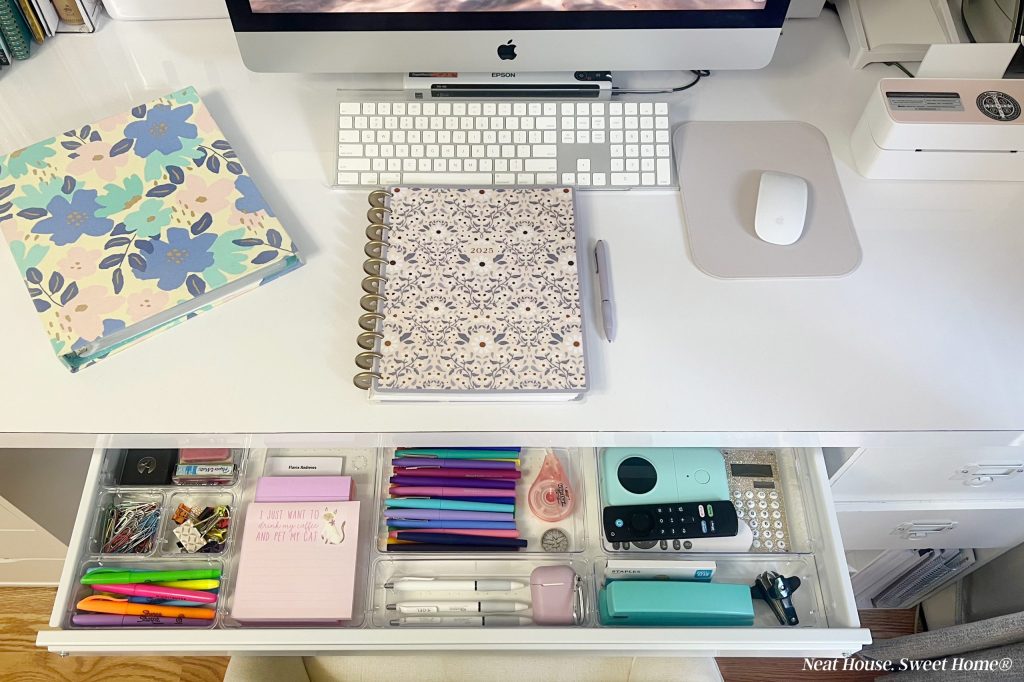
DISCOVER MORE: Click here to enhance your remote work setup
Setting the Stage for Success
As you embark on your clutter reduction project, it’s essential to create a strategy that engages you and motivates your efforts. Establishing a clear plan not only sets the tone for the cleaning process but also establishes a path for sustained success. Let’s explore several practical approaches that can pave the way for a more organized and tranquil living environment.
Create a Timeline
Start by setting a realistic timeline for your decluttering project. While it might be tempting to complete everything in one weekend, remember that significant changes take time. Aim to schedule smaller decluttering sessions spread over several weeks or even months, depending on the amount of clutter you’re dealing with. This approach not only prevents burnout but also allows you to connect with your space and make thoughtful decisions about what to keep or let go.
Develop a Routine
Integrating decluttering into your daily life can significantly enhance the effectiveness of your project. Create an organized routine to help maintain clarity and focus. Consider the following components:
- Designate a Decluttering Day: Choose a specific day each week dedicated to decluttering efforts. Whether it’s every Saturday morning or a quiet evening midweek, setting a regular time creates a habit.
- Set Time Limits: During these designated sessions, aim to keep your efforts within a set timeframe, such as 30-60 minutes. This approach can make the task feel more manageable and reduce the resistance to starting.
- Incorporate Quick Wins: Start each session with a “quick win” – an area that needs minimal effort, like a cluttered drawer. Achieving small victories can boost motivation and provide the energy to tackle larger areas in the future.
Enlist Help
Decluttering does not have to be a solitary endeavor. Involving family members or friends can provide not only support but also fresh perspectives. When others help, it can ease the emotional labor and create a shared responsibility for maintaining an organized home. If you have children, teaching them the importance of decluttering from a young age can instill lifelong habits for a clutter-free environment.
Utilize Technology
In today’s digital age, leveraging technology can be an asset in your decluttering efforts. Various apps and online platforms are available to assist in organizing and managing belongings. For instance, using inventory apps can help track your items while providing a digital alternative to physical storage. Additionally, you can take advantage of online marketplaces to sell items you no longer need, giving them a second life while earning a little extra cash.
Ultimately, the journey to declutter your home involves both practical strategies and a mindset shift. By setting goals, creating a timeline, developing routines, enlisting help, and embracing technology, you set the stage for not only a successful clutter reduction project but also a lasting, organized lifestyle. Keep in mind that transforming your space is a marathon, not a sprint; every action you take compiles to craft a harmonious living area that nurtures both body and soul.
| Strategy | Advantages |
|---|---|
| Setting Clear Goals | Establishing specific goals helps maintain focus and direction throughout the clutter reduction process. |
| Creating a Decluttering Schedule | A clear schedule allows you to allocate time efficiently, thus avoiding the overwhelming feeling often associated with clutter projects. |
| Utilizing the Four-Box Method | This method categorizes items into keep, donate, toss, and relocate, simplifying the decision-making process and making it more manageable. |
| Enlisting Help from Family or Friends | Involving others can make the process quicker and more enjoyable, offering motivation and support during the decluttering journey. |
In the journey of achieving a clutter-free home, setting clear goals is crucial as it provides a roadmap that guides your decisions and actions. When you determine what areas need the most attention or which items are causing the most clutter, you can focus your energy more effectively. Additionally, creating a decluttering schedule will help you allocate time to decluttering tasks, which reduces stress by breaking the larger project into smaller, manageable tasks.The Four-Box Method offers an efficient way to sort through belongings, allowing you to clearly categorize your items. This method simplifies decisions about what to keep and what to let go of, reducing the chance of becoming overwhelmed with choice. Lastly, don’t underestimate the value of enlisting help from family or friends. Having support not only speeds up the process, but also makes it a more engaging and less daunting experience. Implementing these practical strategies will immensely increase your chances of successfully starting and completing a clutter reduction project at home.
DISCOVER MORE: Click here to enhance your productivity
Implement Smart Sorting Techniques
When it comes to decluttering, the way you sort and organize your belongings can profoundly impact the efficiency of your project. Employing smart sorting techniques can help simplify decisions and make the entire process less overwhelming. Here are some effective methods:
The Four-Box Method
This technique involves using four distinct boxes (or bins) for sorting your items during the decluttering process. Label them as follows:
- Keep: Items you need or love.
- Donate: Things in good condition that you no longer use.
- Trash: Broken items or those that no longer serve a purpose.
- Storage: Items you want to keep but don’t need immediate access to.
As you go through each room, place items in the respective boxes. This immediate categorization will streamline your decision-making process and reduce the likelihood of second-guessing. Once you’re finished, you can address each box systematically—take the trash straight to the bin, organize the donation items for drop-off, and find a suitable storage solution for the items you choose to keep.
The 12-12-12 Challenge
This engaging and motivational challenge is a wonderful way to infuse some energy into your decluttering project. The premise is quite simple: find twelve items to throw away, twelve items to donate, and twelve items to return to their proper homes. This exercise allows you to tackle both large and small clutter discreetly while fostering a sense of accomplishment. You’ll quickly notice significant transformations in your space while also reinforcing good organizational habits.
Establish a System for New Influxes
Once you’ve decluttered your home, it’s vital to maintain the organization you’ve established. Developing a system for incoming items can prevent clutter from escalating again. Consider the following strategies:
The “One In, One Out” Rule
To manage new purchases and gifts, adopt the “one in, one out” rule. For every new item that comes into your home, commit to removing an existing item. This approach can make you more intentional about your purchases and help maintain a clutter-free space over time.
Daily Maintenance Practices
Establish daily routines to combat clutter before it accumulates. For example, set aside a few minutes each evening to tidy up common areas, quickly addressing misplaced items. Simple actions like returning shoes to the closet, filing mail right away, and cleaning kitchen counters can make a noticeable difference.
Moreover, consider a “oath of tidiness” with family members or housemates. Create a collective agreement on household organization expectations. This teamwork can not only streamline the process of keeping items put away but also foster positive shared responsibility toward the home.
Explore Minimalistic Mindset Shifts
Beyond techniques and routines, a significant part of decluttering involves changing your mindset about possessions. Embracing a minimalistic approach to living can dramatically shift how you perceive and handle belongings. Reflect on the true value of items in your life and ask yourself if they serve a purpose or spark joy. This mindset can help alleviate the guilt associated with letting items go and encourage a more focused lifestyle.
Research indicates that a clutter-free environment can decrease stress levels and promote mental clarity. By adopting practical strategies and mindset shifts, you’re not only cleaning your physical space but also paving the way for a more peaceful and intentional way of living. Each small step toward decluttering contributes to an atmosphere that nurtures creativity, relaxation, and well-being.
DISCOVER MORE: Click here to learn about the emotional benefits of decluttering</p
Transform Your Living Space
In conclusion, embarking on a clutter reduction project at home can be a transformative journey that goes beyond mere organization. By implementing practical strategies, such as utilizing sorting techniques, establishing systems for new items, and adopting a minimalistic mindset, you can create a living environment that promotes not only physical space but also mental clarity and emotional well-being.
Consider that every small action counts, whether it’s the efficiency of the Four-Box Method—which divides items into categories of ‘keep’, ‘donate’, ‘throw away’, and ‘unsure’—or the invigorating 12-12-12 Challenge, where you find twelve items to throw away, twelve to donate, and twelve to relocate. These methods make the daunting task of decluttering manageable and even enjoyable. By tackling one small section of your home at a time, you can find a rhythm that works for you, gradually turning clutter into a curated space.
Committing to rules like “one in, one out” can also significantly reinforce lasting habits. For example, if you purchase a new pair of shoes, consider donating an older pair. Such principles not only prevent clutter from reaccumulating but also encourage a mindful approach to consumption. This is essential in today’s consumer-driven society, particularly in the United States, where the average household contains over 300,000 items according to some surveys. This staggering number highlights the importance of conscious curation in maintaining order.
Ultimately, the benefits of decluttering extend beyond your home. A cleaner, more serene environment can elevate your mood, reduce stress, and create a welcoming atmosphere for family and friends. Research indicates that clutter can lead to increased cortisol levels, boosting anxiety and reducing overall well-being. Thus, by embracing this process and adopting a mindful approach to your possessions, you will find joy in simplicity and purpose in every item you choose to keep. Each step forward, no matter how small, contributes to a larger picture of well-being.
Take the first step today and discover the freedom that comes with a clutter-free home. As you embark on this journey, remember to celebrate your progress and stay committed to your goals. The rewards of a serene and harmonious space await you, just on the other side of the clutter. Your home can become a sanctuary, embodying peace, clarity, and happiness for you and those you hold dear.