
The Connection between Essentialism and the Quality of Relationships: How Focusing on the Essential Improves Our Social Interactions

The Essentialist Approach to Relationships
In today’s fast-paced world, many people find themselves overwhelmed by the demands of daily life. As a result, relationships can often feel strained and superficial. Essentialism, a mindset focused on prioritizing what truly matters, holds the potential to enhance the depth and quality of our social interactions. This philosophy emphasizes the importance of focusing on the few things that are truly important, allowing individuals to cultivate deeper and more meaningful connections with those around them.
By stripping away distractions, essentialism promotes clarity in our relationships. Consider the following aspects:
- Intentional Time: Spending quality time with loved ones becomes a priority. This means deliberately carving out time in our busy schedules for family dinners, weekend get-togethers, or even simple phone calls with friends. The idea is to be present and engaged in those moments, ultimately fostering deeper bonds.
- Meaningful Conversations: Engaging in discussions that foster emotional connection is vital. This can involve asking thought-provoking questions, sharing personal stories, or simply communicating needs and desires openly. For example, during a casual get-together, choosing to discuss aspirations and dreams instead of surface-level topics can lead to more profound understanding and connections.
- Established Boundaries: Reducing toxic interactions and distractions improves overall well-being. Essentialism encourages us to identify and limit time spent on negative relationships or obligations that drain energy. Setting clear boundaries—be it with unhelpful acquaintances or even social media—frees up time and emotional resources for nurturing more positive and rewarding connections.
Research suggests that focusing on the essential can significantly impact how we connect with others. For instance, by understanding what is vital for our happiness, we can:
- Enhance Trust: Building stronger, more trustworthy connections—trust thrives in environments where intentions are transparent and care is mutual. This creates a solid foundation for friendships and partnerships.
- Improve Communication: Sharing thoughts and feelings openly and honestly can diminish misunderstandings. When we prioritize essential conversations, our interactions become more authentic and productive, leading to better resolutions and strategies for dealing with conflict.
- Encourage Vulnerability: Creating a secure space for mutual growth is essential. When people feel safe to express themselves without judgment, it fosters a sense of belonging and loyalty, promoting not only personal growth but also collective support.
As you delve deeper into the idea of essentialism, consider its profound implications not just on our lives, but also on our relationships. By honing in on the essential, we can strip away the noise and focus on what makes us feel connected. The result is richer social interactions that pave the way for deeper connections, enriching our lives and enhancing our overall well-being. Exploring this philosophy can be a transformative journey, leading to more fulfilling exchanges, lasting friendships, and a harmonious social ecosystem that benefits everyone involved.
DISCOVER MORE: Click here to learn how technology can simplify your space
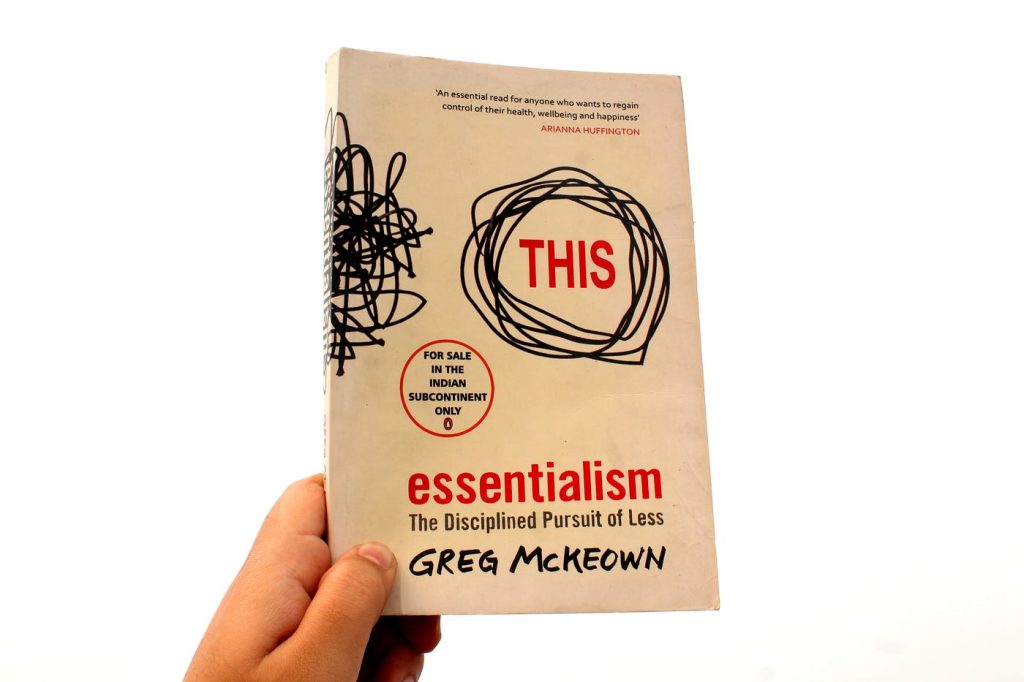
Recognizing What Truly Matters
To truly embrace essentialism in our relationships, it is imperative to first recognize what matters most to us. Acknowledging our core values and priorities allows us to shift our focus from superficial interactions to building authentic connections. This requires introspection and a willingness to let go of the excess in both our lives and our relationships. Essentialism encourages us to ask ourselves: Which relationships nurture my spirit and well-being? Which connections are worth investing my time and energy into?
As we navigate this journey, we can identify the following key aspects that can help clarify our priorities and enhance the quality of our relationships:
- Shared Values: Connections based on similar values foster stronger bonds. When we find ourselves surrounded by individuals who share beliefs, interests, and visions for the future, it creates a sense of kinship that deepens our interactions. This unity can lead to a support system that is invaluable in challenging times, reinforcing the importance of choosing companions who align with our core values.
- Emotional Availability: Essentialism urges us to cultivate relationships with those who are emotionally available and willing to invest in mutual growth. These individuals nurture our emotional health, challenging us to explore our vulnerabilities and share our real selves. In contrast, relationships lacking emotional depth tend to drain energy and leave us feeling isolated.
- Quality Over Quantity: Essentialism advocates for choosing a smaller circle of close friends over a large network of acquaintances. Research has shown that quality friendships foster resilience, happiness, and a greater sense of belonging. Instead of spreading ourselves thin, focusing on a few impactful connections enables us to invest time in nurturing and sustaining those relationships.
As we align our relationships with our values and focus on what truly brings joy and fulfillment, we begin to notice profound changes in our social interactions. Numerous studies have indicated that strong, supportive relationships not only contribute to individual happiness, but also promote better mental health and overall well-being. This emphasis on prioritization gives rise to healthier dynamics, as both parties feel respected and valued.
Moreover, the implications of essentialism extend beyond the personal realm. When we adopt a selective approach in our relationships, we are better positioned to engage in our communities, collaborate professionally, and contribute positively to broader social networks. These interactions are enriched in depth and quality, ultimately leading to a more vibrant, interconnected social fabric.
In summary, recognizing what truly matters lays the groundwork for meaningful connections. It invites us to examine our values, raise emotional awareness, and pursue enriching relationships, reflecting a journey toward a more fulfilling social life. As we engage in this transformative process, we can envision a life where connections are not only deeper but also enriching and supportive.
The Essentialism Paradigm in Relationships
Understanding how essentialism can transform our interpersonal connections requires a closer look at its fundamental principles. At its core, essentialism advises us to prioritize what truly matters in our lives, urging us to shed excess and distraction. This principle can be directly applied to our relationships, enabling us to recognize and focus on essential interactions that nourish our emotional well-being. When we embrace essentialism, we begin to identify the core attributes of relationships that provide genuine fulfillment.One significant aspect of this paradigm is the concept of meaningful connections. Rather than spreading ourselves thin across numerous acquaintances, essentialism encourages us to gravitate toward relationships that enrich our lives. By investing time and energy into these vital connections, we enhance both our personal growth and the quality of our social interactions.Furthermore, practicing essentialism fosters a deeper awareness of our emotional needs. By concentrating on what is essential, we become more attuned to the *dynamics* of our relationships. This awareness enables us to engage authentically, ensuring that our interactions are not only meaningful but also rewarding. As a result, we are less likely to experience misunderstandings or conflicts that often arise from superficial engagements.Another advantage of focusing on the essentiality of relationships is the strength to communicate better. When we understand what we truly value in our social interactions, we can express ourselves more clearly and assertively. This open communication allows us to set boundaries and facilitates healthier relationship dynamics, contributing to a positive emotional climate and greater relational satisfaction.In the spirit of embracing essentialism, cultivating our relationships shifts from a mere transactional approach to a more profound, enriching experience. It compels us to reflect on who we engage with and why, ultimately leading us to create a circle of support that resonates with our core values. Through this lens, relationships become more than just social commitments; they transform into vital supports for personal well-being. To summarize, essentialism is not just a personal efficiency model; it is a transformative approach to fostering quality relationships. By concentrating on essential elements, we can enhance our social interactions dramatically, leading to more meaningful and emotionally satisfying connections.
DIVE DEEPER: Click here to simplify your day
The Power of Mindful Communication
Another critical aspect of essentialism in relationships is the concept of mindful communication. This involves not only expressing our thoughts and feelings clearly but also actively listening and engaging with others in a meaningful manner. Mindful communication fosters a deeper understanding between individuals and serves as a foundation for lasting connections. It emphasizes the importance of being fully present during conversations, allowing us to build trust and intimacy.
Research has shown that individuals who practice active listening—paying close attention to what others are saying, validating their feelings, and responding thoughtfully—experience stronger emotional connections. For instance, a study conducted by the University of Massachusetts found that deep conversations significantly enhance relationship satisfaction and promote overall happiness. By focusing on quality interactions rather than surface-level exchanges, we can cultivate a more profound sense of camaraderie.
One effective way to practice mindful communication is by asking open-ended questions that invite deeper dialogue. Instead of settling for generic responses, such as “How was your day?”, asking “What was the most impactful moment of your day?” encourages others to share their experiences on a more personal level. This simple shift in communication style can create pathways for authentic connection, enabling both parties to feel valued and understood.
Embracing Vulnerability and Authenticity
Essentialism also invites us to embrace vulnerability and authenticity within our relationships. Vulnerability is often viewed as a weakness; however, it can be a powerful tool in establishing trust and intimacy. When we share our fears, insecurities, and imperfections with others, we allow them to see our true selves. This openness fosters a safe space for others to reciprocate, leading to deeper connections grounded in genuine understanding.
Dr. Brené Brown, a leading researcher on vulnerability, emphasizes that embracing our true selves not only strengthens our relationships but also cultivates resilience. According to her research, individuals who are willing to be vulnerable have greater access to supportive relationships and experience higher levels of emotional well-being. By focusing on essentialism, we encourage a culture of authenticity that enhances our interactions, allowing us to form bonds that transcend superficiality.
Setting Boundaries with Compassion
An essential practice in cultivating quality relationships is the establishment of healthy boundaries. Essentialism encourages us to be clear about our emotional needs and limitations, allowing us to protect our energy and prioritize our well-being. For instance, being able to decline social invitations or having honest conversations about our emotional availability can pave the way for more meaningful interactions.
Moreover, setting boundaries is not solely about protecting ourselves; it also involves respecting the boundaries of others. Engaging with compassion and kindness while discussing our limits fosters an atmosphere of mutual respect and understanding. This dynamic reinforces the idea that our relationships should enrich our lives rather than diminish them. By implementing boundaries rooted in essential values, we create space for relationships that reflect our true selves.
As we navigate the complexities of modern social interactions, embracing essentialism allows us to sift through the noise and focus on what truly enhances our lives. When we prioritize mindful communication, embrace vulnerability, and establish compassionate boundaries, we not only improve the quality of our relationships but also contribute to a more fulfilling social experience overall.
DISCOVER MORE: Click here to delve into mindfulness-friendly spaces
Conclusion: The Transformative Power of Essentialism in Relationships
In a world filled with distractions and superficial exchanges, understanding the connection between essentialism and the quality of relationships offers a refreshing perspective on how we engage with one another. By honing in on what is truly essential—mindful communication, authenticity, and compassionate boundaries—we can significantly enhance our social interactions. This focused approach allows us to move past the noise of everyday life, prioritizing genuine connections that foster warmth and trust.
Moreover, the importance of being present and actively listening cannot be overstated. As illustrated by recent research, engaging in deep conversations not only increases relationship satisfaction but also contributes to our overall well-being. Embracing vulnerability further deepens these connections, as sharing our true selves invites others to do the same, cultivating an environment of trust and understanding.
Finally, setting healthy boundaries is crucial in maintaining the quality of our relationships. By clearly articulating our needs and respecting others’, we create a balanced dynamic in which all parties can thrive. In essence, adopting an essentialist mindset empowers us to build meaningful relationships that are rooted in authenticity and mutual respect. As we move toward a more intentional way of connecting, we encourage broader conversations about what it means to cultivate quality social interactions in our lives.
As you reflect on your own relationships, consider integrating these essential principles. The journey towards meaningful connection begins with your willingness to focus on the essential, thereby enriching your social experience and creating bonds that resonate deeply.