
Essentialism and the Priority of Mental Health: Cultivating a Meaningful Lifestyle
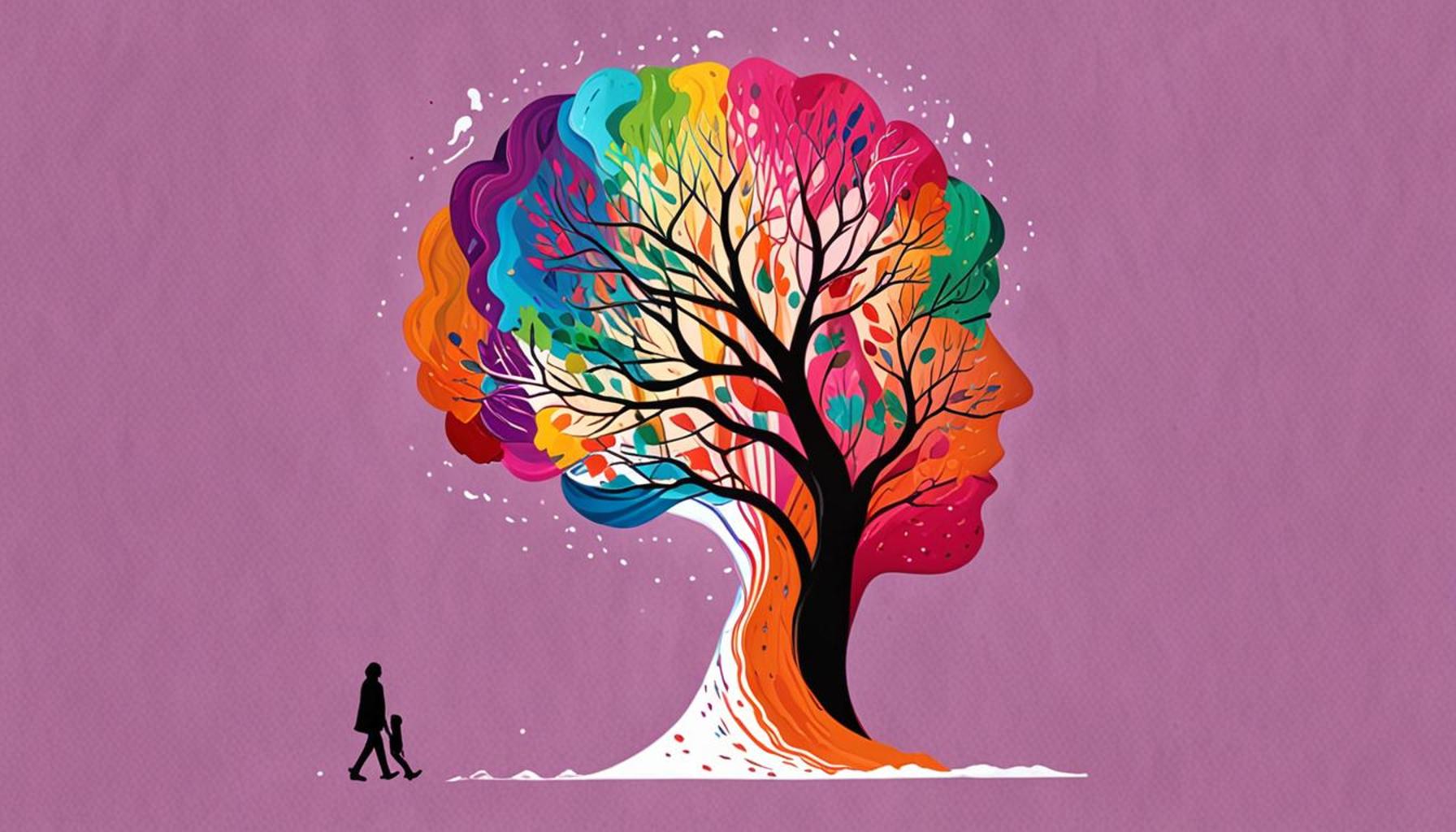
The Importance of Mental Health in Today’s Society
In our modern landscape characterized by unrelenting demands and an ever-accelerating pace of life, the significance of prioritizing mental health cannot be overstated. The philosophy of essentialism emerges as a beacon for individuals aiming to navigate through the chaos, allowing them to concentrate on what truly resonates and matters in their lives. This focused approach not only fosters mental well-being but also promotes a more rewarding and meaningful lifestyle.
Why exactly is mental health a cornerstone of our overall well-being? Consider the following insights:
- Emotional Resilience: Proper mental health equips individuals with the tools needed to tackle stress and adverse situations. For instance, practicing gratitude can enhance one’s perspective even in challenging times.
- Improved Relationships: When mental well-being is prioritized, it nurtures more fruitful interactions with others. Strong relationships can act as a support system, which is vital during difficult phases of life.
- Enhanced Productivity: A clear and calm mind leads to improved focus and efficiency. Many successful companies, like Google, encourage practices that support mental well-being, understanding that a happy worker is typically a more productive one.
Adopting an essentialist approach compels individuals to critically evaluate their commitments, distinguishing which pursuits genuinely align with their personal values and contribute to mental health. This discernment process is vital for creating a life imbued with meaning. For instance, rather than overcommitting to multiple social engagements, essentialism encourages individuals to choose a few that genuinely bring joy and fulfillment.
To effectively embrace this philosophy, it can be helpful to identify key components that facilitate a more intentional lifestyle:
- Setting Boundaries: Learning to decline non-essential tasks that drain energy is crucial. This could mean saying no to additional projects at work when one is already overwhelmed.
- Mindfulness Practices: Engaging in activities such as meditation, yoga, or even regular walks in nature can foster present-moment awareness and alleviate stress.
- Intentional Living: Making decisions that align with your core values and passions is key. For example, if creativity is a core value, one might prioritize time for artistic expression as an integral part of their routine.
As we explore the intersection of essentialism and mental health further, we uncover powerful strategies that can help us lead balanced, fulfilling lives. Each choice made with intention can have transformative effects, offering new insights into how our decisions shape our mental landscape and overall lifestyle. By focusing on the essentials, one can cultivate resilience, nurturing mind and heart alike.
DISCOVER MORE: Click here to enhance your productivity
Understanding Essentialism in Relation to Mental Health
The concept of essentialism revolves around the idea of focusing on what truly matters, stripping away the non-essential distractions that clutter our lives. In the realm of mental health, this approach serves as both a guiding philosophy and a practical framework. By channeling energy toward pursuits that resonate deeply with our core values, essentialism gives us the opportunity to cultivate a meaningful lifestyle that enhances mental well-being.
One integral aspect of essentialism is the practice of discerning essential from non-essential commitments. In today’s fast-paced environment, where the pressure to perform, engage, and connect can be overwhelming, it is crucial to develop the skill of prioritization. For example, an individual who feels obligated to attend every social gathering may experience heightened stress and anxiety. However, by applying essentialist principles, they can choose to engage more selectively, opting for events that foster genuine connections and joy.
This process of selection not only lightens our mental load but also promotes a deeper sense of fulfillment. When we invest our time and energy into activities that align with our values, we bolster our emotional resilience. Below are key strategies that exemplify how essentialism intersects with mental health:
- Clarity of Purpose: Establishing clear goals helps individuals focus on their intentions. By identifying what is most important, one can cultivate a lifestyle that minimizes distractions and promotes mental clarity.
- Time Management: Schedule regular time blocks for essential activities, whether they involve hobbies, self-care, or spending time with loved ones. This ensures that even in busy periods, mental health remains a priority.
- Reflection: Regularly assessing one’s commitments and mental state can encourage ongoing adjustments that promote well-being. Asking questions like “Does this activity contribute to my happiness?” can lead to transformative insights.
Furthermore, embracing essentialism fosters a profound relationship with oneself. In an age where comparison often reigns supreme, learning to embrace one’s own path becomes crucial. Individuals can practice gratitude not just for what they achieve but for who they are, enhancing their self-worth and mental resilience. This practice is supported by research indicating that gratitude can significantly improve mental health outcomes, reducing symptoms of depression and anxiety.
As we delve deeper into the significance of essentialism in mental health, it becomes clear that choosing carefully where to invest our resources—including time, attention, and energy—can lead to a more profound sense of satisfaction and well-being. By understanding the power of an essentialist mindset, we can navigate life’s complexities with greater ease, ultimately leading to a more enriched and meaningful existence.
Understanding Essentialism for Mental Well-being
Essentialism, when applied to mental health, encourages individuals to prioritize what truly matters. By stripping away unnecessary distractions and focusing on meaningful connections and experiences, individuals promote not just their overall well-being but also a sense of purpose. This intentional way of living can lead to significantly reduced mental health issues such as anxiety and depression, allowing individuals to navigate life’s challenges with greater resilience.
The Role of Mindfulness in Mental Health
Incorporating mindfulness practices is a vital aspect of cultivating a meaningful lifestyle. Mindfulness encourages one to be present and engaged, fostering greater awareness of one’s thoughts and emotions. Techniques such as meditation, deep-breathing exercises, or even mindful walking can help reduce stress levels, improve emotional regulation, and promote a positive outlook on life. This focus on the here and now often leads individuals to appreciate the simple joys in life, further reinforcing the principles of essentialism.
Setting Boundaries for a Healthy Balance
To truly embrace essentialism, setting boundaries becomes imperative. Whether it’s through limiting social media use or learning to say no to commitments that do not align with personal values, establishing boundaries plays a significant role in protecting mental health. By creating space for activities and relationships that resonate deeply, individuals can cultivate environments that nourish the mind and spirit.
Community and Connection
A meaningful lifestyle is often enriched through relationships and community ties. Engaging with supportive groups—be it through shared interests, hobbies, or mutual goals—enhances social connection and emotional well-being. With mental health resources becoming increasingly accessible, communities are now better equipped to support one another, fostering a culture where vulnerability and open dialogue about mental health are encouraged.
| Category | Benefits |
|---|---|
| Essentialism | Promotes focus on what matters, reducing stress and enhancing well-being. |
| Mindfulness | Improves emotional regulation and nurtures inner peace through present moment awareness. |
| Setting Boundaries | Creates space for nurturing relationships and activities, protecting mental health. |
| Community Support | Fosters connection and shared experiences, enhancing emotional support networks. |
DISCOVER MORE: Click here to enhance your productivity
Practical Applications of Essentialism for Mental Health
Implementing essentialism in daily life can significantly enhance mental health by providing a structured approach that fosters well-being. One powerful way to embrace this philosophy is through the art of saying no. Often, individuals find it challenging to set boundaries, leading to overwhelm and burnout. Developing the ability to gracefully decline requests that do not align with personal priorities can be liberating. Research shows that individuals who set boundaries are less likely to experience stress and anxiety as they create space for meaningful engagements.
Another vital area where essentialism plays a transformative role is in the realm of digital consumption. Our devices inundate us with a constant flow of information, from social media to emails, which can create feelings of inadequacy and anxiety. By curating our digital environments—unfollowing accounts that induce negative feelings and limiting screen time—we can take control of our mental landscapes. According to a study by the Pew Research Center, about 45% of teenagers in the U.S. report feeling overwhelmed by social media, highlighting the importance of a mindful approach to digital interactions.
Moreover, cultivating deep connections is pivotal in enhancing our mental health. Essentialism encourages individuals to nurture relationships that provide true support and satisfaction. Instead of spreading oneself thin across numerous acquaintances, focusing on a few significant relationships can foster a greater sense of belonging and emotional stability. Psychology literature emphasizes that strong social bonds contribute to better mental health outcomes, including lower levels of depression and lower rates of anxiety.
In the context of essentialism, even the workspace can be re-evaluated to improve mental health. A cluttered environment can contribute to a cluttered mind, making it essential to create a workspace that reflects one’s priorities. This task can involve decluttering physical spaces and organizing tasks to focus on projects that genuinely matter. Implementing methods such as the Pomodoro Technique, where work is broken into intervals, can optimize productivity and reduce fatigue, leading to a more fulfilling work experience.
Furthermore, it is important to embrace the concept of mindful living. This practice connects closely with essentialism, as it encourages individuals to become fully present in their daily activities. Engaging in mindfulness meditation, taking nature walks, or simply spending quality time without distractions can help enhance one’s sense of purpose. Studies highlight that mindfulness practices can lead to decreased levels of stress and anxiety, reinforcing the positive correlation between essentialist practices and mental health.
Essentialism also encourages physical well-being, which is inextricably linked to mental health. Prioritizing exercise, nutrition, and sleep are fundamental aspects of a meaningful lifestyle. When individuals prioritize their physical health, they often experience improved mood, increased energy levels, and enhanced resilience. For instance, the CDC states that regular physical activity can reduce symptoms of anxiety and depression, underscoring the importance of holistic self-care grounded in essentialist principles.
As individuals begin to implement these essentialist strategies, it becomes evident that mental health is not merely a component of life but a vital element of a thriving, meaningful existence. The benefits derived from focusing on what is essential serve not only immediate mental well-being but also foster a lasting positive impact on overall quality of life.
DIVE DEEPER: Click here to discover more
Conclusion
In a world saturated with distractions and demands, embracing essentialism offers a compelling framework for enhancing mental health and cultivating a meaningful lifestyle. As we reflect on the practical applications discussed, it’s clear that prioritizing what truly matters can lead to profound improvements in our emotional well-being. From the empowering art of saying no to the importance of curating our digital consumption, every small step taken towards essentialist living echoes in the larger tapestry of our lives.
Furthermore, the cultivation of deep, authentic relationships not only fosters lasting connections but also reinforces mental resilience, while a mindful workspace can lead to increased productivity and reduced stress. Integrating practices of mindful living into our daily routines allows us to fully engage with the present, reinforcing our sense of purpose amidst life’s chaos. As we acknowledge the interplay between physical well-being and mental health, it becomes evident that holistic self-care is imperative for sustaining positive mental states.
As we move forward, let us embrace the principles of essentialism as a guiding light, not just for personal growth but as a pathway to a more fulfilling existence. The journey towards a more intentional life demands courage and commitment but promises immeasurable rewards. By centering our lives around what is truly essential, we foster not only our own mental health but contribute to a collective shift toward more meaningful and mindful living. The call to action is clear: prioritize mental well-being and, in turn, cultivate a lifestyle that resonates with authenticity and purpose.