
The Influence of Simplified Living on Mental Health: Less is More
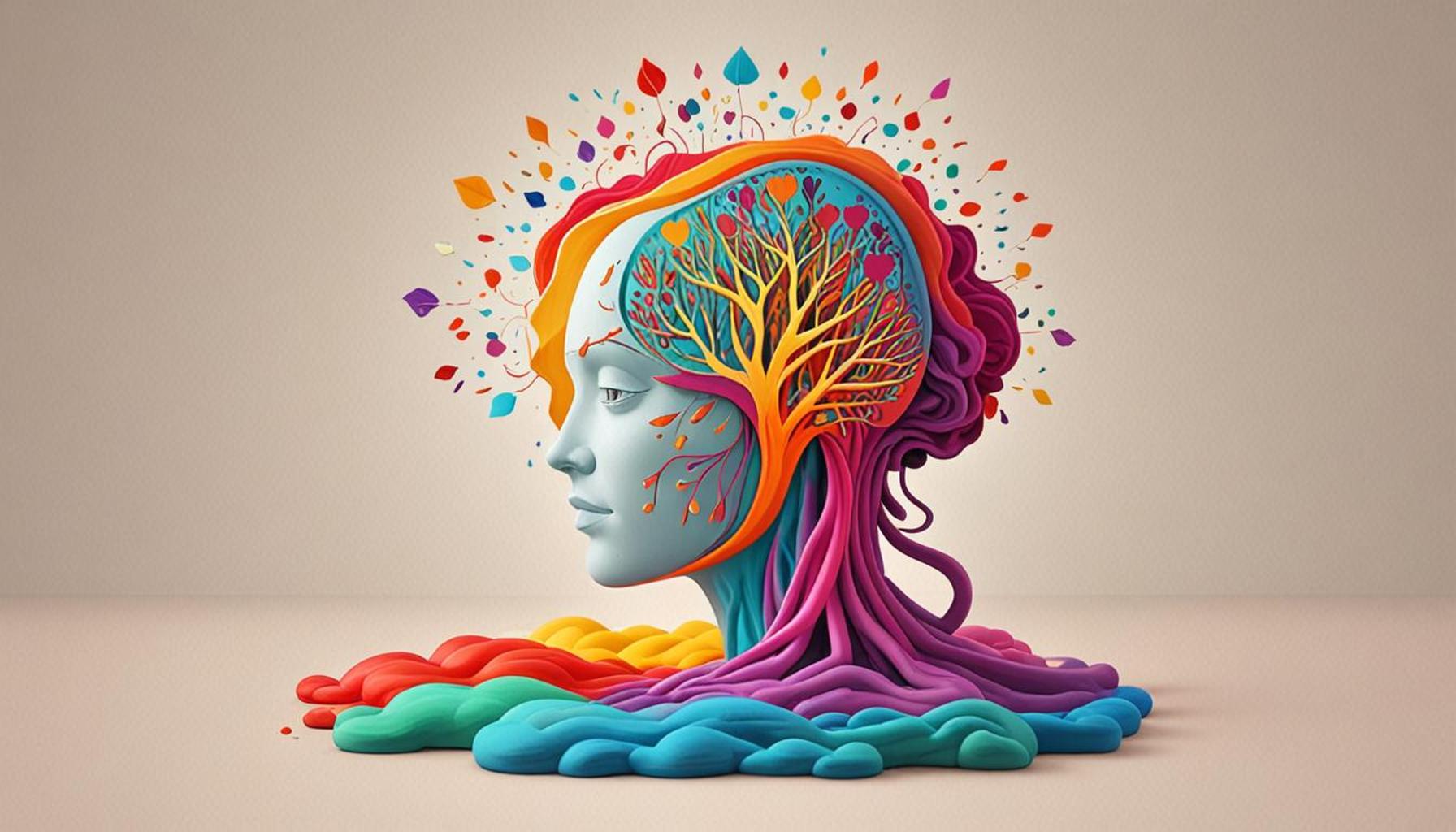
Exploring the Connection Between Minimalism and Well-Being
In a society marked by consumerism and relentless busyness, many individuals are finding solace in the practice of simplified living. More people are discovering that less truly can be more when it comes to enhancing mental health. This shift towards a more minimalist lifestyle prompts an intriguing question: how does simplifying our lives impact our mental well-being?
Research shows that minimalism can lead to:
- Reduced stress by streamlining daily responsibilities, allowing individuals to focus on what truly matters. By minimizing clutter—both physical and mental—people report feeling more at ease and less overwhelmed. A study by the Personality and Social Psychology Bulletin found that a cluttered environment can negatively affect one’s ability to focus and process information.
- Increased focus through fewer distractions in our environment; this increase in mindfulness can help individuals to engage more deeply with their daily experiences. For instance, allowing one’s mind the space to reflect can foster a greater appreciation for life’s smaller joys.
- Greater emotional clarity as we let go of material possessions and obligations. Many advocates of minimalism argue that by shedding excess belongings and simplifying our schedules, we create room for meaningful connections and experiences that enrich our lives.
Across the United States, individuals from various walks of life are embracing this lifestyle. For example, young professionals in cities like New York and San Francisco are opting for smaller apartments, valuing experiences over materialism. This demographic shift highlights a broader cultural movement where the focus is not solely on accumulating wealth but also on pursuing emotional and mental clarity. Reports have suggested that individuals who adopt this mindset often experience a greater sense of fulfillment and joy. Yet, is there more to this trend?
As we delve deeper into the influence of simplified living on mental health, we will examine various aspects, including:
- Personal testimonies of those who have made the switch. Many share transformative stories of how decluttering their homes and lives has directly correlated with reduced anxiety and increased happiness.
- Scientific studies linking minimalism to mental wellness. Research conducted by institutions like UCLA has shown that minimalism can decrease psychological distress and improve life satisfaction.
- Practical tips for adopting this lifestyle in today’s fast-paced society. From incremental decluttering strategies to mindfulness practices that can complement a minimalist lifestyle, there is much to explore.
Stay with us as we explore the compelling relationship between living simply and achieving mental peace. By understanding the deeper connections between minimalism and well-being, readers can not only discover tools for decluttering their surroundings but also strategies to enrich their minds and lives.
DIVE DEEPER: Click here to unlock creative potential
Personal Stories: Transformations Through Decluttering
As the minimalist movement gains momentum, personal testimonies emerge as powerful reflections of the benefits of simplified living. Individuals recount the transformative experiences following their decisions to declutter not only their physical spaces but also their mental landscapes. For many, the act of letting go of excess material items became a symbolic journey towards reclaiming control over their lives.
One notable story is that of Sarah Mitchell, a young professional from Austin, Texas. Overwhelmed by constant distractions and the pressure to keep up with her peers, Sarah decided to embark on a decluttering project. Starting with her closet, she meticulously curated her clothing collection, donating items that no longer sparked joy. “I didn’t realize how much my belongings were weighing me down—both physically and mentally,” Sarah shares. Following this, she began applying similar principles to other areas of her life, reducing commitments and focusing on activities that genuinely brought her happiness. Together with her newfound openness to experiences, Sarah reported feeling less anxious and more fulfilled.
Another compelling example comes from David Chen, an entrepreneur in San Francisco who speaks candidly about his battle with anxiety. Overwhelmed by the demands of running a startup, David found that his cluttered workspace mirrored his chaotic mind. After implementing a minimalist approach, David transformed his environment into one defined by purpose and clarity. “By simplifying my space, I simplified my thoughts. Now, I’m not just working harder; I’m working smarter,” he explains. For David, the connection between a clear physical space and a clear mind is undeniable.
These personal accounts highlight a consistent theme: by embracing minimalism, individuals find room to breathe and reflect, enabling them to prioritize their mental health. Numerous surveys, including a recent one conducted by the American Psychological Association, echo these sentiments. They have found that a majority of individuals who identify as minimalists report lower levels of stress and higher rates of happiness compared to those who maintain cluttered environments.
Understanding the profound impact of simplified living extends beyond anecdotal evidence. Research has illuminated specific psychological benefits attributed to minimalism. The Journal of Environmental Psychology published a study indicating that individuals in tidy, organized spaces demonstrate improved cognitive function and emotional stability. Researchers suggest that a clear environment fosters a more productive mindset, thus enhancing overall well-being.
Key Benefits of Simplifying Your Life
As we explore the broader implications of this movement, the benefits of adopting simplified living practices resonate across various aspects of life:
- Enhanced clarity: A simplified environment allows for mental clarity, enabling individuals to focus on important goals without distraction.
- Improved decision-making: With fewer choices to make regarding possessions and commitments, individuals can make more thoughtful decisions aligned with their values.
- Stronger relationships: By prioritizing meaningful experiences over material goods, individuals often foster deeper connections with others.
Clearly, the journey to a simplified life offers more than just an aesthetically pleasing space; it paves the way for better mental health and a more fulfilling existence. As we continue to unpack the influence of simplified living, it becomes increasingly evident that adopting this approach holds the potential to profoundly enhance our overall well-being. Stay tuned as we delve into scientific studies and practical strategies that can help you embark on your own minimalist journey.
| Category | Details |
|---|---|
| Mental Clarity | Living simply leads to reduced distractions, fostering better focus and cognitive function. |
| Enhanced Well-being | A minimalist lifestyle encourages mindfulness, improving emotional stability and reducing anxiety. |
Embracing a lifestyle centered on simplicity not only reshapes our physical space but also profoundly influences our mental health. The act of decluttering both our environment and minds opens pathways to greater mental clarity. With fewer distractions competing for our attention, we can hone in on what truly matters, promoting enhanced focus and cognitive realism. Furthermore, a commitment to simplicity fosters an atmosphere of enhanced well-being. Many individuals find that by stripping away non-essential commitments and possessions, they cultivate deeper mindfulness practices. This heightened awareness leads to improved emotional stability, helping to combat the daily stressors and anxiety that can permeate modern life.This relationship between living simply and mental health underscores the ethos of “less is more,” suggesting that minimalism can be a powerful tool in achieving a more balanced and fulfilling life. Investigating the deeper nuances of this connection reveals even more benefits worth exploring for those seeking solace in simplicity.
DISCOVER MORE: Click here to learn about versatile design
The Psychological Mechanism Behind Minimalism
The effects of simplified living on mental health extend beyond surface-level transformations. Understanding the psychological mechanisms at play unveils why a minimalist lifestyle can lead to profound emotional and cognitive improvements. At the core of this phenomenon lies the concept of cognitive overload.
Cognitive overload occurs when individuals are bombarded with excessive information and choices, leading to decision fatigue and increased anxiety. According to a 2021 study published in the journal Psychological Science, researchers discovered that minimizing distractions and reducing the number of choices available can significantly lower stress levels. This phenomenon is particularly relevant in today’s fast-paced world, where social media and consumer culture constantly vie for our attention.
As clutter accumulates—whether it be possessions, responsibilities, or digital information—individuals may find it increasingly difficult to concentrate. This can result in a cycle of stress that exacerbates feelings of overwhelm. However, by embracing a minimalist lifestyle, many find relief. Experts argue that simplifying our environments allows the brain to allocate its energy toward more meaningful and productive pursuits, ultimately enhancing mental clarity.
The Role of Mindfulness in Simplified Living
Mindfulness, the practice of being present and fully engaging with the moment, often intertwines with simplified living. When individuals declutter their physical spaces, they create a conducive environment for mindfulness to flourish. A 2022 survey by the National Institute of Mental Health indicated that mindful practices are correlated with lower levels of anxiety and depression. Thus, aligning mindfulness with minimalism can further amplify the mental health benefits of adopting a simplified lifestyle.
Take the example of Lisa Johnson, a yoga instructor from Portland, Oregon, who seamlessly integrated mindfulness into her minimalist approach. “Every time I clear out a drawer or shelf, I’m reminded to be present and intentional. It’s a meditative practice,” she notes. Lisa highlights how her decluttering efforts extended beyond physical belongings; by letting go of unnecessary commitments and distractions, she created space for self-reflection and growth.
Community Impact: Sharing the Minimalist Journey
The influence of simplified living also extends into the community. Online platforms such as Instagram and blogs focused on minimalism have fostered a sense of belonging among those seeking to reduce clutter. Joining these communities often offers social support and encouragement, critical components of emotional well-being. A recent study by the University of California, Berkeley found that individuals who engage in supportive communities report enhanced life satisfaction and lower levels of loneliness.
- Shared Accountability: Engaging with similar-minded individuals provides motivation to continue on the minimalist path, aiding in the maintenance of physical and mental clarity.
- Collective Knowledge: Communities often share tips and success stories, further reinforcing the notion that simplifying one’s life can lead to profound mental health benefits.
- Emotional Support: By connecting with others on similar journeys, individuals cultivate deeper friendships, transcending the superficial connections often linked to material possessions.
Ultimately, the impact of simplified living on mental health is both multifaceted and deeply personal. As individuals venture into the world of minimalism, they experience a release—a powerful acknowledgment that sometimes, less truly is more. By integrating practical strategies, mindfulness, and community support, the journey toward a simplified life can yield not only peace of mind but also enrich our lives in ways previously unexplored. As research continues to emerge, the correlation between mental health and minimalism will only become clearer, paving the way for more people to embrace this transformative lifestyle.
DIG DEEPER: Click here to discover essential strategies
Conclusion: Embracing Simplicity for Mental Clarity
The exploration of simplified living reveals a profound connection between minimalism and mental health. As individuals experience the power of decluttering, they not only reduce physical and emotional burdens but also cultivate a sense of clarity and purpose. The detrimental effects of cognitive overload, which many face in today’s overstimulating environment, underscore the importance of adopting a lifestyle that prioritizes less over more. Research continues to highlight the mental peace derived from reduced distractions and intentional living choices.
Furthermore, integrating mindfulness into the practice of minimalism enhances self-awareness and reinforces emotional resilience, encouraging individuals to remain present in their lives. Communities built around shared minimalist values foster a powerful sense of belonging, indicating that the benefits of simplified living extend beyond individual experiences. Through mutual support and shared wisdom, these groups contribute significantly to emotional well-being.
As we continue to navigate the complexities of modern life, the principles of simplified living offer not only a pathway to improved mental health but also an opportunity for deeper connections and self-discovery. The journey toward minimalism is indeed transformative, unlocking the potential for richer, more fulfilling lives. Ultimately, by embracing the mantra of “less is more,” we can pave the way for a future where peace of mind and clarity reign supreme, encouraging further exploration into the benefits that a simplified lifestyle can offer.