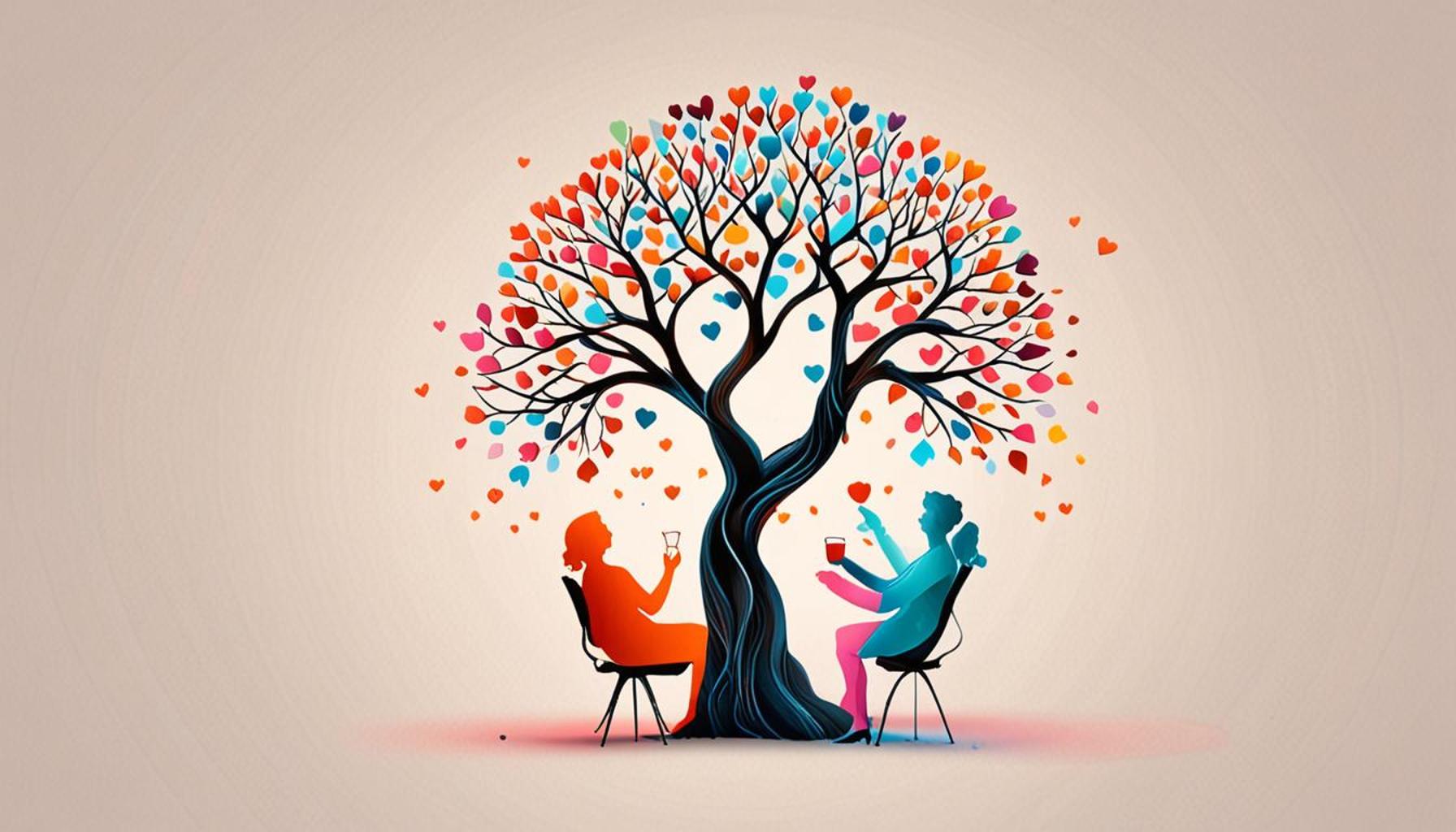
The Importance of Personal Space: Creating Havens of Tranquility in a Fast-Paced World
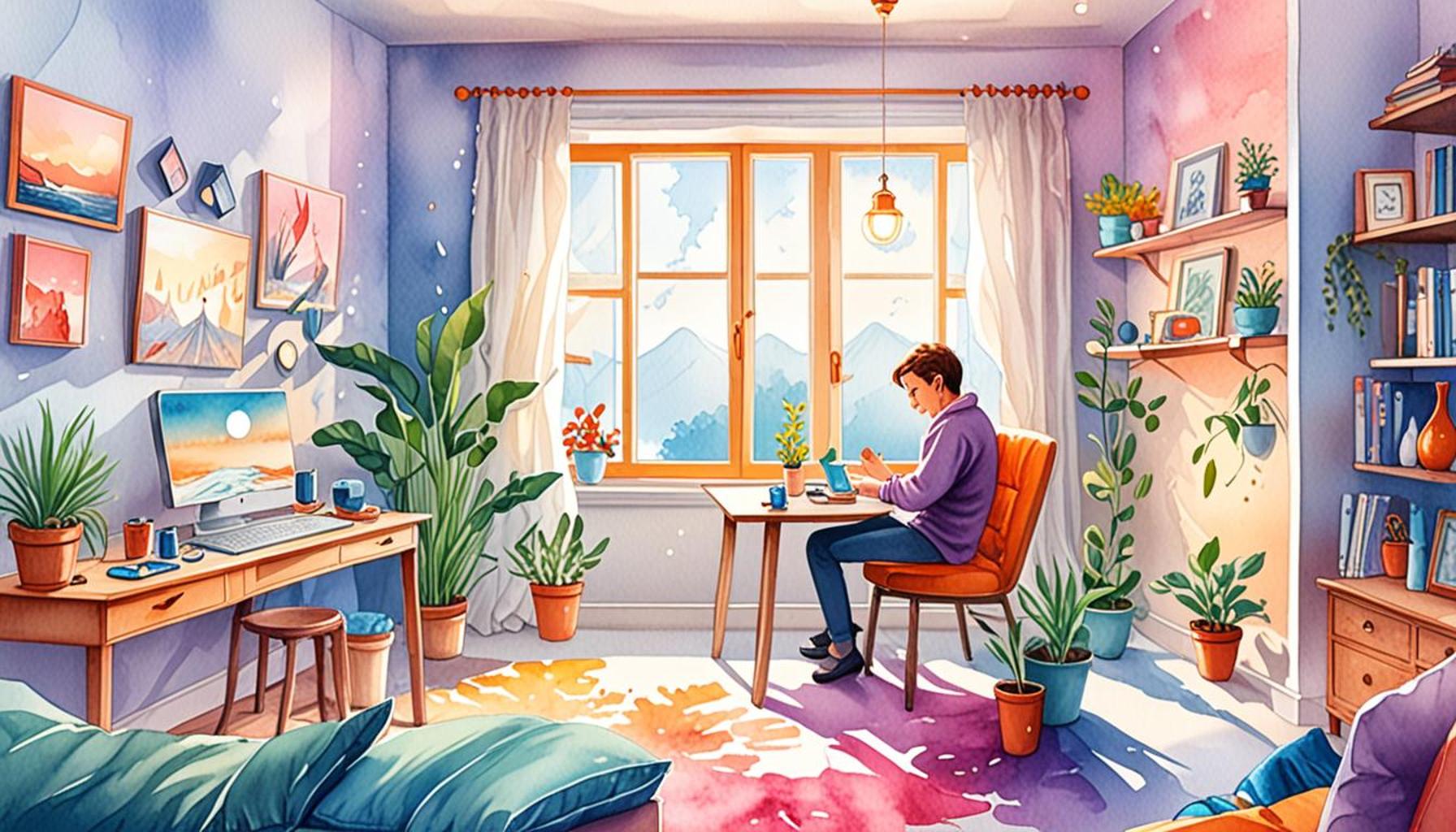
Understanding Personal Space
In a world that never stops, the concept of personal space has become more essential than ever. The hustle and bustle of daily life often contribute to feelings of being overwhelmed, as individuals frequently find themselves navigating crowded public spaces, busy workplaces, and social gatherings. With the growing need for tranquility in such a chaotic environment, recognizing the importance of personal space is not merely a trend; it has become a necessity for mental and emotional well-being.
What Does Personal Space Mean?
Personal space is defined as the physical and emotional distance we maintain from others, which varies from culture to culture and even person to person. This boundary is crucial for several reasons:
- Reduces Stress: A well-defined personal space creates an emotional sanctuary where we can retreat from the chaos surrounding us. For instance, a study conducted by the University of Illinois revealed that individuals who felt their personal space was encroached upon experienced heightened levels of stress. By ensuring our space is respected, we foster a more relaxed mental state.
- Enhances Focus: In an era characterized by digital distractions, having a quiet and designated personal space can significantly increase our ability to focus on tasks. Whether it’s setting aside a corner in your home for work or organizing a peaceful reading nook, these small adjustments can lead to better productivity and creativity in our daily activities.
- Improves Relationships: Respecting personal boundaries fosters understanding and builds trust among individuals. For example, in a work environment, acknowledging a colleague’s need for personal space encourages open communication and collaboration, leading to a more harmonious team dynamic.
Creating Your Haven
Implementing principles of personal space can lead to significant improvements in overall quality of life, particularly in a fast-paced societal context. Simple actions, such as:
- Establishing a designated quiet area at home that is free from distractions—perhaps a small reading corner with your favorite books or a meditation spot where you can unwind.
- Practicing mindful updates to your environment, such as decluttering your workspace, can greatly alleviate feelings of chaos and encourage mental clarity.
- Engaging in outdoor activities in nature, such as hiking or visiting local parks, provides a refreshing break from daily stressors while allowing you to reconnect with your surroundings.
These actions can effectively transform your personal space into a haven of tranquility. In this article, we explore the profound impact that personal space has in our fast-paced environment and discuss various strategies for cultivating it effectively. By prioritizing our personal space, we can create a balanced, peaceful existence that nurtures our mental, emotional, and physical health.
DISCOVER MORE: Click here to uncover inspiring stories
Recognizing the Psychological Impact of Personal Space
Personal space is a crucial aspect of human interaction and self-perception, influencing our psychological wellbeing in profound ways. The need for personal space is not merely a preference; it is a fundamental element of human behavior that directly ties into our sense of security and comfort. Research conducted by psychologists has consistently shown that when such boundaries are violated, individuals may experience a spectrum of negative emotions including discomfort, anger, or even anxiety. This reaction is largely rooted in our psychological need to feel secure and in control of our environment, particularly in today’s fast-paced world, where constant connectivity through technology often clashes with our personal boundaries.
The Nuances of Personal Space
Understanding personal space requires us to look beyond the physical distance between individuals; it also reflects the intricate web of cultural norms and personal preferences. For instance, in American culture, personal space typically spans an area of about 18 inches to four feet during casual interactions. However, this varies widely across different cultures. In many Mediterranean or Latin American cultures, maintaining close proximity during conversation is not only acceptable but expected. This divergence can lead to misunderstandings, especially in multicultural settings, emphasizing the importance of cultural awareness and sensitivity.
Recognizing and respecting the diverse tastes in personal space is essential for fostering healthy interactions, both in personal relationships and professional environments. Key aspects to consider include:
- Context Matters: The appropriateness of personal space is highly context-dependent. For instance, in crowded settings such as public transportation, where personal space may be nearly nonexistent, individuals adapt by compressing their boundaries. However, in more intimate settings—like a one-on-one conversation in a coffee shop—a greater distance is typically practiced and preferred.
- Emotional Temperature: The concept of personal space also acts as a reflection of emotional temperature. When an individual’s space is intruded upon, it can lead to heightened emotional responses like anxiety or irritation. Conversely, a respectful distance can create a sense of safety, allowing for more open and constructive dialogue.
- The Digital Dimension: The rise of social media and virtual interactions has added layers of complexity to how we define and experience personal space. Online interactions often lead to blurred boundaries between the public and private spheres. For instance, while sharing personal moments online can foster community, it also raises concerns about privacy and the maintenance of personal space in a digital context.
Understanding personal space is vital not just for individual wellbeing but for cultivating positive relationships. It encourages a culture of mutual respect and serves as a powerful tool for alleviating anxiety in various social situations. As we delve deeper into the nuanced nature of personal space, it becomes increasingly clear that creating a sense of tranquility can often hinge on our ability to recognize and honor the invisible boundaries that exist between us. By fostering an awareness of these boundaries, we can create environments—whether in our homes, workplaces, or online—that promote psychological safety and mutual respect, leading to healthier and more fulfilling interactions.
The Importance of Personal Space: Creating Havens of Tranquility in a Fast-Paced World
In today’s fast-paced world, where the hustle and bustle of daily life can become overwhelming, the need for personal space has never been more crucial. Personal space, often defined as the physical distance we maintain from others, plays a significant role in our mental and emotional well-being. Understanding its importance allows us to create personal sanctuaries that foster relaxation and rejuvenation.
Research suggests that a lack of personal space can lead to increased stress and anxiety levels. As we navigate crowded environments, the absence of a tranquil retreat can leave us feeling drained and on edge. By carving out designated areas for solitude, whether it’s a cozy reading nook, a calming garden, or even a peaceful corner in our homes, we establish environments that support mental clarity.
The psychological benefits of having personal space extend beyond mere physical distance. These retreats offer us the opportunity to reflect, recharge, and reconnect with ourselves. They serve as essential venues for self-care practices like meditation and mindfulness, which are crucial for maintaining emotional equilibrium in our demanding lives.
Moreover, personal space is a vital component of healthy relationships. When we grant ourselves the time and space to unwind, we ultimately become more equipped to engage meaningfully with others. The balance between social interaction and solitude is key to sustained happiness.
| Advantages | Details |
|---|---|
| Enhanced Mental Clarity | Having personal space allows us to process our thoughts without distractions. |
| Stress Reduction | A tranquil space can significantly lower stress levels and promote relaxation. |
Creating havens of tranquility that respect our need for personal space is not merely a luxury; it is a necessity in fostering a balanced lifestyle. By recognizing the profound impact personal space has on our lives, we can take purposeful steps towards cultivating these essential environments. Whether it’s establishing boundaries or designing calming spaces, the journey towards tranquility begins with understanding the value of personal space.
DISCOVER MORE: Click here to delve deeper
Establishing Personal Space in Everyday Life
To fully appreciate the importance of personal space, we must explore practical ways to establish and maintain it in our daily lives. In a world that often feels chaotic and overloaded with stimuli, creating personal sanctuaries—both physical and mental—can significantly enhance our overall wellbeing. By implementing strategies to carve out personal space, we empower ourselves to build resilience against stressors of modern life.
Practical Strategies for Personal Space
Establishing personal space doesn’t necessarily require extensive changes; small adaptations can yield significant benefits. Here are several actionable strategies to help create your own haven of tranquility:
- Designate a Personal Retreat: Whether it’s a corner of your living room, a cozy nook in your bedroom, or even a backyard, creating a dedicated spot where you can unwind is essential. This could be adorned with personal mementos, books, or calming décor to reinforce a sense of sanctuary. By having a specific area designated as your personal retreat, you signal to yourself that it is time to step away from the demands of daily life.
- Communicate Boundaries: Often, one of the greatest challenges in maintaining personal space is the inability to communicate our needs to others. Learning to express your boundaries clearly and respectfully plays a pivotal role in protecting your personal zone. Whether it’s informing coworkers about your need for uninterrupted work hours or discussing with family the importance of private time, open communication establishes mutual respect and understanding.
- Establish Tech-Free Zones: In an era dominated by digital distractions, it can be transformative to designate areas of your home as tech-free zones. This practice not only protects your personal space from interruptions but also enhances your ability to engage in meaningful face-to-face interactions and reflection. Stepping away from screens—even temporarily—can create a mental retreat amidst the noise of our hyper-connected lives.
The Role of Mindfulness in Enhancing Personal Space
Beyond physical strategies, incorporating mindfulness practices can profoundly enhance the experience of personal space. Mindfulness allows individuals to cultivate a greater awareness of their emotional states and reactions, creating an internal landscape where personal boundaries can be established with ease. Techniques such as deep breathing, meditation, or guided imagery can foster clarity and calm, reinforcing a strong sense of personal space—both mentally and emotionally.
Studies indicate that mindfulness can lead to reduced levels of stress, anxiety, and depression, which directly correlates to how one perceives and interacts with surrounding spaces. By being present in the moment and nurturing self-awareness, we can better understand the necessity of personal space that allows for relaxation and introspection, thereby deepening our connection to ourselves and to others.
Emphasizing the Need for Community Support
The significance of personal space can often extend beyond the individual. Creating a culture that recognizes and values personal space within communities can foster environments where relationships thrive. Schools, workplaces, and even public venues can adopt practices and policies that respect personal boundaries, ultimately promoting psychological safety.
- Inclusive Practices in Workplaces: Companies can implement flexible work arrangements that allow employees to determine their ideal workspaces. This includes choices for open offices versus private offices, along with policies encouraging regular breaks to help recharge mental capacities. Prioritizing personal space within professional settings can boost productivity and job satisfaction significantly.
- Community Awareness Programs: Fostering awareness about personal space within local communities can reduce conflicts and enhance mutual respect among neighbors. Workshops or local initiatives focused on effective communication and understanding of personal boundaries can pave the way for healthier interactions, ultimately enriching the community fabric.
As we navigate the intricacies of our daily lives, understanding and advocating for personal space will enable us to create authentic havens of tranquility that act as buffers against the relentless pace of modernity. The more we prioritize these spaces, embrace mindfulness, and build supportive environments, the more we cultivate a profound sense of peace and resilience in our fast-paced world.
DISCOVER MORE: Click here to learn about minimalism and intentional living
Conclusion: The Vital Role of Personal Space
In an era defined by incessant demands and the relentless pace of life, the significance of personal space cannot be overstated. Creating sanctuaries—be they physical or mental—serves as an essential counterbalance to chaos. By prioritizing personal space, we not only foster our own wellbeing but also contribute to a larger culture that values boundaries and mutual respect. The solutions we explored, from designing personal retreats to communicating our needs and implementing tech-free zones, are vital tools that all of us can adopt to cultivate tranquility amidst life’s noise.
Moreover, integrating mindfulness practices enhances our ability to establish and protect these vital boundaries, allowing us to tune into our thoughts and emotions without external interruptions. As research highlights the powerful link between mindfulness and reduced stress levels, it becomes clear that our mental landscapes benefit immensely from intentional practices aimed at preserving personal space.
As we move forward, a collective effort to advocate for personal space within workplaces, schools, and communities will further solidify the value of these concepts. Promoting community awareness about personal boundaries not only reduces tensions but also enriches social interactions, paving the way for more harmonious relationships. Embracing the importance of personal space ultimately nourishes our mental health and resilience, providing each of us with the haven of tranquility we so desperately need in these fast-paced times. It is our responsibility to explore and champion these practices, ensuring that everyone has access to their own sanctuary of peace and reflection.