Streamlined Spaces: The Importance of Functionality in Minimalist Living
Understanding the Essence of Minimalist Living
In recent years, the pursuit of a more sustainable and intentional lifestyle has gained prominence, particularly in a society overwhelmed by consumerism. Minimalist living is not just a fleeting trend; instead, it is a profound lifestyle choice that encourages individuals to reassess their possessions and their purposes. As one immerses themselves in this philosophy, the emphasis on functionality becomes paramount, reshaping home design and daily living.
At its core, minimalism promotes a conscious relationship with one’s environment. This means examining every item in the home and asking crucial questions: Does it serve a purpose? Does it bring joy? Through this lens, minimalist living emphasizes key principles:
- Efficient use of space: In minimalist homes, every item is chosen with care, ensuring that it contributes meaningfully to daily life. This intentionality helps to create a clutter-free environment, where distractions are minimized, and tranquility can flourish.
- Quality over quantity: A minimalist approach challenges the conventional idea of acquiring more possessions. Instead, the focus shifts toward investing in fewer, but significantly well-crafted items that are durable and multifunctional. For example, a high-quality, multi-purpose sofa can serve as seating, a bed for guests, or even a storage unit.
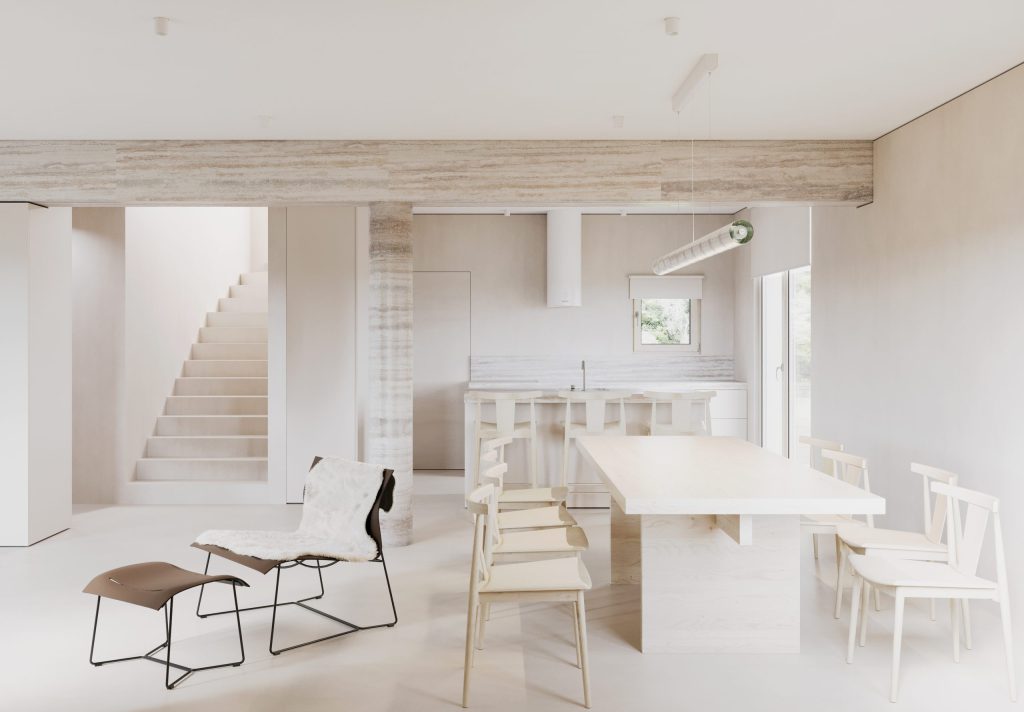
- Flexible layouts: Dynamic living spaces become crucial in a minimalist home. These layouts allow for adaptation depending on the occasion. A dining room could double as an office or creative space, showing that the functionality of a room can evolve with the needs of its inhabitants.
This philosophy resonates strongly in the United States, where the trend towards streamlined spaces reflects a national shift away from excessive accumulation. Interestingly, while the average home size in the U.S. has steadily increased, so has the movement towards living with less. Studies indicate that people who embrace minimalism often report enhanced life satisfaction and reduced stress levels, further supporting the intentionality of their choices.
As one dives deeper into the minimalist mindset, it becomes clear that functionality transcends mere organization; it nurtures mental clarity, boosts productivity, and fosters a genuine sense of fulfillment. Research has indicated that a decluttered space correlates with improved focus and overall well-being. Therefore, minimalist living is more than aesthetic simplicity; it transforms lifestyles.
By prioritizing function and purpose within our living spaces, individuals can carve out a more meaningful existence. In essence, minimalist living invites us to create environments that not only reflect our values but also inspire creativity and connection. Join us on this journey to uncover the myriad ways functionality can redefine our lives.
DISCOVER MORE: Click here for essential tips
Functionality as the Cornerstone of Minimalist Design
In the realm of minimalist living, functionality serves not just as a concept but as a guiding principle that transforms the way we perceive our living spaces. As we delve deeper into the minimalist philosophy, it becomes evident that each item within a home should be purposeful and practical, adding value rather than simply occupying space. This intentional construction of environments encourages a harmonious balance between aesthetics and usability, paving the way for a lifestyle rich in simplicity and clarity.
To fully appreciate the importance of functionality in minimalism, it is essential to recognize the practical implications attached to this philosophy. Here are several key elements that embody this principle:
- Multi-purpose Furniture: In minimalist homes, furniture is often designed to serve more than one function. For instance, a stylish coffee table may also function as a storage unit or a dining table that can extend for gatherings. This adaptability allows homeowners to maximize their space without compromising on style.
- Smart Storage Solutions: The integration of hidden storage in various pieces of furniture not only enhances functionality but also helps maintain a cleaner aesthetic. Ottomans with internal compartments and beds with built-in drawers are excellent examples that allow individuals to stow away items while keeping the space open and airy.
- Natural Light Utilization: Effective use of lighting plays a crucial role in minimalist spaces. An emphasis on large windows and open layouts can enhance the mood and atmosphere, ensuring that the home is not only functional but also inviting. Natural light provides a psychological boost while reducing energy costs, crucial for sustainable living.
These elements align with the minimalist ideology by creating environments that do not just look good but function effectively for everyday living. This practical approach resonates in a variety of settings, from urban apartments with limited square footage to sprawling homes that benefit from streamlined layouts.
The modern American lifestyle often grapples with the paradox of choice, where abundance can lead to overwhelm. However, embracing functionality in a minimalist framework can alleviate such burdens. Studies have shown that homes emphasizing minimalism and functionality often lead to increased productivity and less anxiety among inhabitants. This outcome is especially relevant in fast-paced environments, where small changes can yield significant improvements in day-to-day experiences.
Furthermore, the commitment to functionality in minimalist living often extends beyond physical possessions, encouraging individuals to adopt habits that foster intentionality in their daily routines. By aligning one’s lifestyle with the principles of minimalism, individuals can harvest a sense of fulfillment and clarity that standard consumerist lifestyles often overlook.
When spaces are designed to serve their inhabitants effectively, minimalism transforms from merely a design choice into a enriching lifestyle. In this journey towards streamlined living, understanding the intricate relationship between functionality and design becomes crucial for those seeking a more meaningful existence.
| Category | Description |
|---|---|
| Space Optimization | In minimalist living, optimal use of space is crucial. By reducing clutter, each item serves a purpose, enhancing functionality. |
| Enhanced Productivity | Functionality in design fosters increased productivity, as individuals can focus on tasks without distractions from unnecessary items. |
In minimalist living, maximizing space is not just a trend, but a necessity. The idea of space optimization is rooted in the belief that less is more; by removing excess belongings, one can create a harmonious environment that promotes mental clarity. Each piece within a minimalist room is purpose-driven. This not only adds to the aesthetic appeal but also enhances the daily functionality of the space. Moreover, the psychological benefits of such spaces cannot be overstated. A well-structured environment leads to higher levels of enhanced productivity. Individuals working or creating in uncluttered areas often report improved concentration and efficiency. A streamlined approach means that time and energy are better allocated to what truly matters, yielding fruitful outcomes in both personal and professional spheres.
DIVE DEEPER: Click here to discover the impact of daily rituals</p
Designing for Efficiency: Practical Applications of Minimalist Principles
While the concept of minimalism might appear straightforward, its application requires a nuanced understanding of both design and human behavior. The intersection of aesthetics and practicality is where streamlined spaces truly shine, allowing individuals to navigate their daily lives with ease and intention. The shift towards functionality not only redefines spaces, but also enhances overall quality of life.
One of the most significant considerations in achieving functional minimalism is the flow of the living space. For many, an open floor plan has become synonymous with modern design, enabling a seamless transition between different areas of the home. According to architectural studies, homes with open layouts tend to improve social interactions and create environments that foster communication and relationships among family members. In a minimalist context, this fluidity eliminates barriers and enhances accessibility, making it easier to maintain an organized and flexible environment.
Additionally, the placement of essential items within a minimalist home plays a critical role in promoting functionality. Ergonomics, or the science of designing to fit the physical needs of users, can significantly contribute to a more efficient living space. For example, kitchen designs that position key appliances within easy reach can simplify cooking routines, while strategically placed shelving can make for a clutter-free atmosphere. By placing emphasis on how spaces are used, homeowners can streamline tasks, making daily activities more manageable and enjoyable.
Sustainable practices also align harmoniously with the functional aspects of minimalist living. The adoption of locally sourced, eco-friendly materials is on the rise, particularly in urban areas where sustainable living is becoming more desirable. For instance, reclaimed wood furniture not only serves its purpose effectively but also adds character to minimalist spaces. Sustainable design practices often promote durability, ensuring that a home remains functional for years to come, reducing the need for frequent replacements that contribute to waste.
Moreover, technology is transforming how minimalists approach functionality within their homes. The integration of smart home systems enables enhanced control over various aspects of living, from lighting and temperature to security and entertainment. Rather than relying on an abundance of gadgets and devices, minimalist-oriented technology emphasizes simplicity; for example, a single app can efficiently manage multiple aspects of home automation. This reduces physical clutter while enhancing capability, allowing for a cohesive lifestyle that aligns with minimalist principles.
Education plays a pivotal role in fostering functionality in minimalist living. Workshops and online courses dedicated to teaching individuals about decluttering, organization, and effective minimalist strategies have gained popularity in communities across the United States. These resources enable participants to not only understand the theory behind minimalism but also to apply these principles practically in their own lives. By fostering a culture of shared knowledge, supporters of minimalist living can effectively translate ideas into tangible benefits.
Ultimately, the evolution of minimalist design showcases that functionality transcends aesthetics. As society embraces the notion of streamlined spaces, it is critical to consider how design choices can lead to practical improvements in daily routines and holistic well-being. By carefully selecting elements that promote usability, comfort, and sustainability, minimalist living becomes an enriching journey rather than a restrictive lifestyle.
DIVE DEEPER: Click here to learn more
Conclusion: Embracing Functionality in a Minimalist Future
As we delve deeper into the realm of minimalist living, it becomes clear that functionality is not merely an accessory to aesthetics but a fundamental component of the design ethos. The increasing emphasis on streamlined spaces invites us to rethink our relationships with our surroundings. By prioritizing usability and intentionality in our homes, we cultivate environments that not only fulfill our basic needs but also enhance our overall well-being.
The principles of efficient design—from optimizing flow through open layouts to integrating smart technologies—illustrate how minimalism can dramatically improve our daily routines. Each thoughtfully designed element underscores the potential of a home to support a life of clarity and purpose. The burgeoning trends in sustainable practices further show that minimalism is not just about reducing physical clutter but also about fostering a connection with the environment. Choosing durable, eco-friendly materials signifies a commitment to both personal and planetary health.
Moreover, the transformative power of education in this movement cannot be overstated. As more individuals and communities engage with minimalist principles through workshops and online resources, a culture that values functionality is emerging. This shift reinforces the notion that minimalist living is a viable lifestyle choice that extends beyond aesthetic appeal into the realm of practicality and sustainability.
In conclusion, as we continue to embrace minimalism, we should advocate for functional designs that actively enrich our lives. By integrating purpose into our homes, we embark on an enriching journey that promises not only a beautiful space but also a harmonious way of living. The importance of functionality in minimalist living serves as a reminder that simplicity can indeed lead to profound fulfillment.