The Impact of Natural Light on Creating Organized and Minimalist Spaces
Exploring the Role of Natural Light in Design
Natural light is often an unsung hero in interior design, transforming spaces beyond mere aesthetics. It serves as a catalyst for creating environments that are not only beautiful but also functional and uplifting. The way sunlight interacts with our living spaces can significantly affect our routines, influencing everything from how cozy a space feels to how productive we can be while working from home. For modern design enthusiasts who prioritize organized and minimalist spaces, understanding and leveraging natural light is crucial.
Benefits of Utilizing Natural Light
Incorporating natural light into your home offers a multitude of benefits that transcend basic visual appeal:
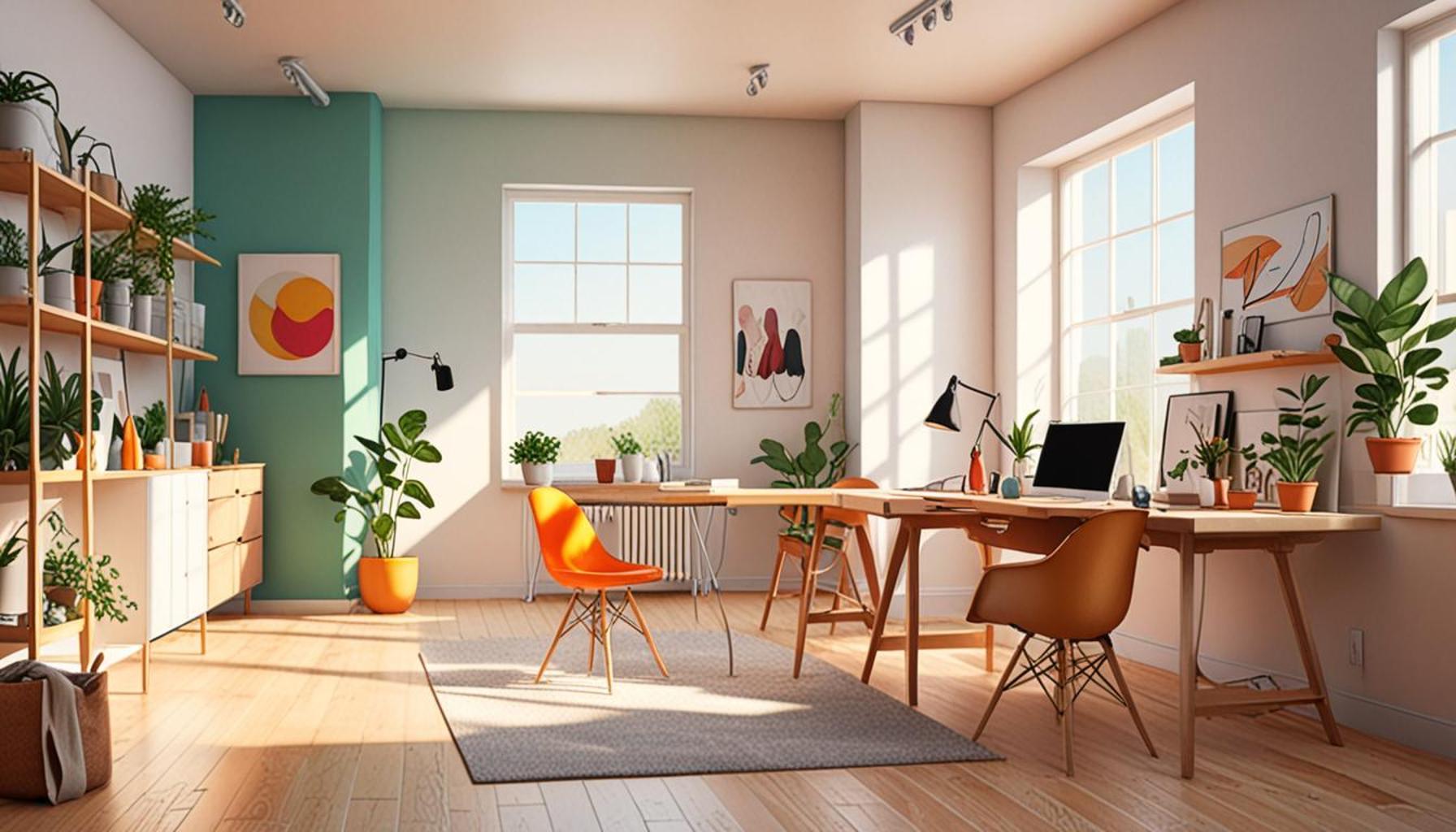
- Improved Aesthetics: Rooms filled with sunlight not only appear more spacious but also enhance the beauty of minimalist decor. For instance, a simple white couch can look striking against the backdrop of sunlit streaming through large windows, emphasizing textures and colors while eliminating the need for excessive decorations.
- Enhanced Mood: Numerous studies indicate that sunlight exposure is linked to increased happiness and lower stress levels. This psychological boost is particularly important in a world where mental health is a growing concern. Spaces designed with ample natural light can promote a sense of well-being, making areas like home offices or relaxation nooks more inviting.
- Increased Space Perception: Natural lighting can alter our perception of space by creating an illusion of expansiveness. This is particularly beneficial in urban units, often characterized by compact floor plans. Strategic placement of mirrors across from windows can further reflect light, amplifying this effect, and effectively reducing the need for clutter that often accompanies small living areas.
While many individuals focus on furniture placement and decor elements when pursuing a minimalist design, the entry and flow of light into a space can often be underestimated. Those who embrace this design philosophy are discovering how to harness the power of natural illumination to cultivate organization and a sense of wholeness within their environments. For those interested in exploring this balance, consider practical approaches, such as installing larger windows, skylights, or glass doors that invite the outdoors in.
Moreover, the seasonality of natural light varies significantly based on geographical location and orientation of the windows. In states with long summers and glorious sunlight such as California or Florida, adapting your design elements to maximize daylight becomes even more imperative. On the other hand, in winter months, ensuring that your spaces remain warm and welcoming with natural light can provide a stark contrast to the outside chill, enhancing overall comfort.
Ultimately, how you design your space around natural light can influence not just the physical environment but the very essence of how you interact with it. Whether you’re redesigning a single room or an entire home, the integration of natural light can lead to rejuvenated spaces that embody both style and serenity.
DISCOVER MORE: Click here to learn about essentialism’s impact
Maximizing Natural Light for Enhanced Functionality
Natural light is more than just a source of illumination; it plays a significant role in promoting organization and reinforcing minimalist design principles within a space. By understanding how to effectively maximize this resource, homeowners can create environments that feel open, airy, and deliberate. There are a variety of strategies for inviting more natural light into spaces, each contributing to both the aesthetic and functional qualities of the home.
Strategies for Enhancing Natural Light
When it comes to optimizing natural light, consider these actionable strategies:
- Window Treatments: Opt for sheer curtains or blinds that allow natural light to filter through while maintaining your privacy. Heavy drapes can obstruct sunlight, making spaces feel dark and cramped. Layering lightweight fabrics with light colors can both diffuse sunlight and add texture to a minimalist design.
- Open Floor Plans: Designing an open floor plan enhances the flow of natural light between rooms. This concept not only improves light distribution but also creates a sense of unity across different areas of the home. By minimizing walls and barriers, sunlight can traverse the space more freely, highlighting essential design elements and reinforcing a minimalist ethos.
- Reflective Surfaces: Incorporate mirrors and glossy finishes in your design. Mirrors double as décor and tools for light management. Placing mirrors opposite windows can amplify the amount of incoming light, making even the smallest of rooms seem larger and more organized. Use reflective materials in furniture or accessories to create depth without cluttering the space.
- Accessible Outdoor Areas: Emphasize visual connections to the outdoors through large windows or glass doors that lead to patios or gardens. This not only welcomes natural light but also brings a sense of nature inside, enhancing the overall calm and spaciousness of your home. Such designs can invite environmental elements like fresh air and natural scenery, contributing to a tranquil atmosphere.
Furthermore, the quality of natural light can vary throughout the day, impacting how your space feels at different times. Morning light is often softer and warmer, creating a cozy ambiance perfect for starting your day. In contrast, afternoon sunshine can enhance productivity, making it the ideal moment for focused tasks like work or hobbies. Understanding these nuances allows homeowners to leverage natural light in designing functional spaces tailored to their daily routines.
In addition, by thoughtfully arranging furniture in relation to light sources, you can create focal points that highlight a simple, organized aesthetic. An effective layout maximizes the interplay of light and space, leading to inviting and soothing environments. When these elements are combined, the result is a home that not only looks visually appealing but also promotes clarity and calmness—crucial components in any minimalist design approach.
The Impact of Natural Light on Creating Organized and Minimalist Spaces
Natural light plays a significant role in enhancing organized and minimalist living spaces, creating an atmosphere that is not only visually appealing but also mentally soothing. As people shift toward minimalism, the influence of natural light cannot be overlooked. It transforms spaces, making them feel larger and more open while promoting clarity and focus in everyday life.
One way natural light contributes to this aesthetic is through its impact on color perception. Brightly lit areas create a sense of vibrancy and positivity, allowing for the use of soft colors that promote tranquility. Furthermore, natural light can significantly reduce the need for artificial lighting during the day, leading to energy savings and a more environmentally-friendly lifestyle.
Natural light also has psychological benefits; exposure to sunlight is known to boost mood and improve overall well-being. This insightful relationship between light and emotion is particularly important in minimalist designs where spaces are meant to evoke peace and simplicity. By maximizing natural light through thoughtful window placement or incorporating reflective surfaces, design enthusiasts can achieve a harmonious balance between functionality and aesthetic pleasure.
Incorporating plants can further enhance the impact of natural light. Greenery not only adds a touch of nature but also improves air quality, making organized spaces feel healthier and more inviting. Additionally, employing transparent materials, such as glass doors, can optimize the flow of natural light, seamlessly blending indoor and outdoor environments.
| Advantage | Impact |
|---|---|
| Enhanced Aesthetics | Natural light brightens spaces, creating a welcoming and organized appearance. |
| Psychological Benefits | Exposure to natural light boosts mood and reduces stress, fostering a peaceful atmosphere. |
As we continue to appreciate the role of natural light in our living environments, it becomes increasingly clear that it not only influences our design choices but also significantly impacts our overall quality of life. By strategically utilizing this natural resource, individuals can create organized and minimalist spaces that resonate harmony and simplicity.
DISCOVER MORE: Click here to learn how essentialism can transform your decision-making
Natural Light: A Catalyst for Mood and Productivity
The significance of natural light transcends mere aesthetics; its impact on mood and productivity is well-documented. Numerous studies suggest that exposure to natural light boosts serotonin levels in the brain, leading to improved mood and cognitive function. This is particularly important in workspaces and areas designated for creativity. By integrating natural light into these environments, you are not just enhancing the visual appeal but also fostering an atmosphere conducive to focus and innovation.
Designing with Purpose: Light and Shadows
Leveraging natural light also involves a thoughtful consideration of how shadows play into the overall design narrative. Shadows can create a sense of depth and dimension, adding layers to a minimalist space that might otherwise feel flat or uninspiring. By strategically positioning furniture or architectural features to interact with natural light, designers can create dynamic movement throughout the day. For example, a well-placed desk can catch morning sun, while a cozy reading nook can be situated in a soft afternoon glow. This strategy not only emphasizes a minimalist approach by eliminating unnecessary clutter but also turns the simple act of light and shadow into an artistic display.
The Role of Color Choices
The interplay of natural light and color cannot be overstated in the context of organized and minimalist design. Lighter color palettes reflect sunlight, enhancing its effectiveness and making spaces feel larger. Utilizing shades of white, soft grays, and pale pastels can amplify the brightness and warmth of natural light, creating an inviting environment. Consider that warm-toned walls can absorb and diffuse natural light in a way that cool tones often cannot, providing an overarching sense of peace and tranquility for the inhabitants of the space. Consequently, the proper selection of paint can significantly shape how natural light interacts with and defines each room in the home.
Technological Innovations in Natural Light Enhancement
With advances in technology, homeowners have more options than ever to ensure that natural light is maximally harnessed. Innovations such as smart window films can adjust their tint based on sunlight exposure, moderating glare while still allowing light to filter through. Additionally, clerestory windows are becoming more popular; these are strategically placed high windows that draw light while maintaining privacy. Skylights offer yet another modern solution, bringing a flood of light into otherwise dim areas of the home. These options not only optimize light exposure but also align perfectly with minimalist designs that favor clarity and simplicity.
Moreover, optimizing light through the incorporation of biophilic design principles—design elements that connect indoor spaces with nature—can enhance overall well-being. Integrating plants within strategically lit areas not only contributes to a cleaner air environment but also reflects an appreciation for nature’s calming presence. This can create a stunning juxtaposition with the minimalist ethos, marrying functionality with an organic aesthetic.
By understanding how to utilize natural light effectively, homeowners can create organized spaces that are not only visually appealing but also emotionally enriching. The interplay between light, shadow, and color helps to engage the senses in ways that promote clarity, focus, and a profound sense of connection to one’s living environment.
DIVE DEEPER: Click here to uncover more insights</p
Conclusion: Embracing Natural Light for a Harmonious Home
In the ongoing conversation about creating organized and minimalist spaces, natural light emerges as a transformative element that bridges aesthetics and functionality. Its ability to enhance mood and productivity cannot be overstated, as exposure to sunlight plays a vital role in boosting mental well-being and cognitive performance. By thoughtfully designing spaces that embrace natural light, homeowners can cultivate environments that are not only visually appealing but also stimulating and calming.
The strategic use of shadows adds dynamic depth, enriching minimalist designs with an artistic flair that elevates simplicity to another level. Furthermore, the choice of color plays a pivotal role in maximizing the effectiveness of natural light, creating a harmonious atmosphere that makes spaces feel expansive and welcoming. As we adapt to modern living, technological advancements such as smart window films, clerestory windows, and skylights empower homeowners to take full advantage of natural light, enhancing the quality of their environments.
Ultimately, the integration of biophilic design elements, such as greenery and natural materials, helps to ground and connect individuals to their spaces, fostering a sense of tranquility amidst the minimalistic approach. As more people recognize the profound impact of natural light on their domestic lifestyle, it becomes evident that a well-lit environment is an essential ingredient for achieving both organized simplicity and emotional fulfillment. By taking these considerations into account, anyone can create a minimalist space that truly resonates with their individual essence, making the home a sanctuary of peace and productivity.