The Importance of Collaboration in Community Art Projects
Unleashing Creative Potential Through Collaboration
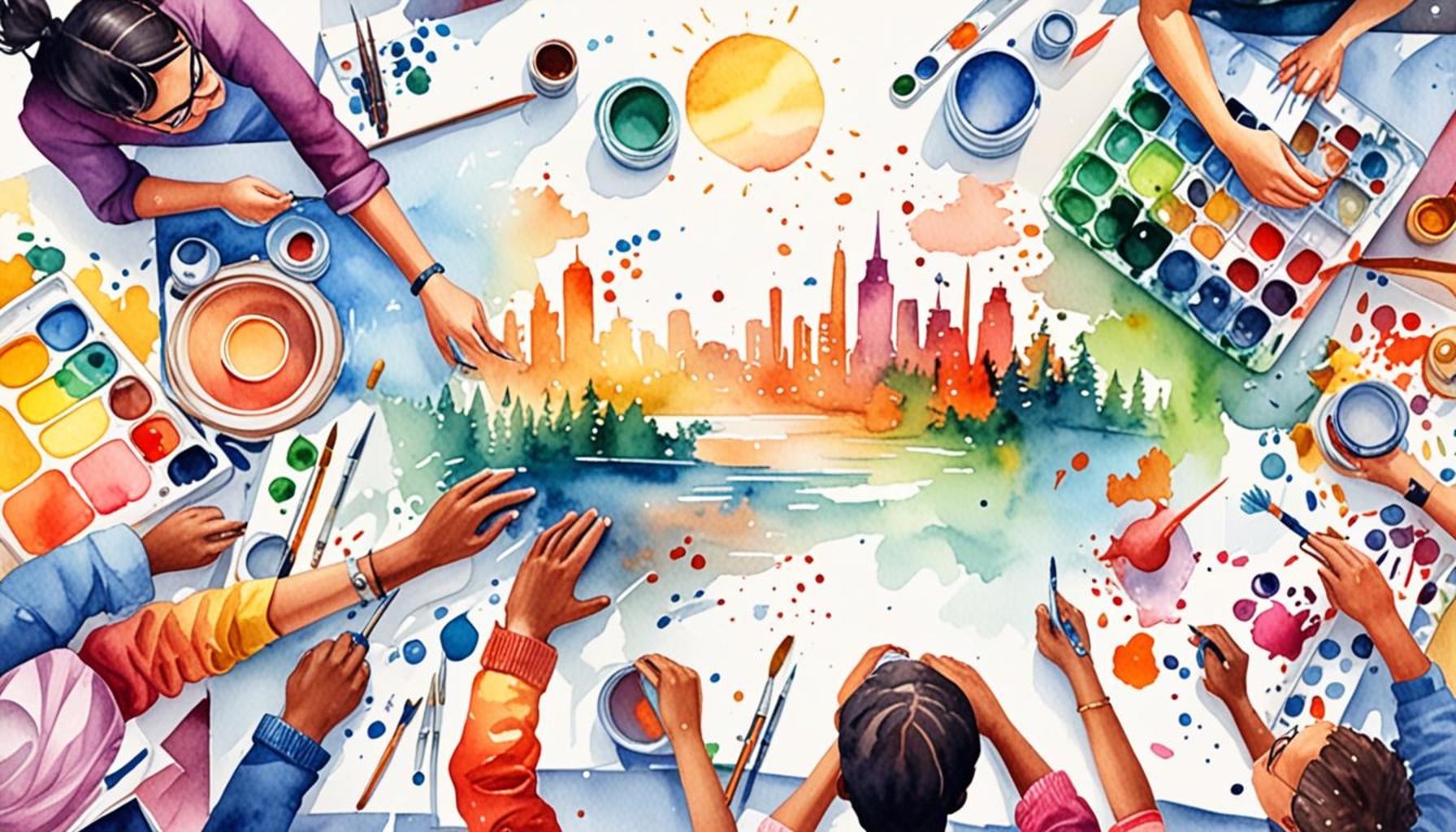
In today’s increasingly interconnected world, the significance of collaboration in creative hobbies is becoming more apparent, especially in community art projects. These projects not only allow individuals to express their artistic vision but also foster a sense of unity and shared purpose among participants. By bringing together diverse talents and perspectives, community art projects can elevate creativity to new heights.
Why Collaboration Matters
Collaborative efforts in the arts can lead to a range of benefits, such as:
- Broader Perspectives: Different backgrounds inform unique artistic ideas.
- Shared Resources: Collaboration enables pooling of materials and skills.
- Community Engagement: Collective projects enhance community bonds and involvement.
As we delve into this topic, we will explore the top 5 benefits of collaboration in community art projects. Each point highlights not only the artistic advantages but also the societal impact these initiatives can have. Join us in discovering how working together can transform both art and community.
The Importance of Collaboration in Community Artistic Projects
Collaboration in community artistic projects is a vital component that fosters creativity, innovation, and social cohesion. These projects serve as a melting pot for ideas and talents, leading to artistic creations that not only captivate but also inspire. This article explores the top five reasons why collaboration is essential in these artistic endeavors, demonstrating its multifaceted benefits that extend beyond art itself.
Diversity of Ideas
One of the primary advantages of collaboration in community artistic projects is the diversity of ideas it brings to the table. When individuals from varied backgrounds come together, each participant contributes a unique perspective shaped by their personal experiences and cultural histories. This convergence of diverse viewpoints results in a rich tapestry of creativity that might remain undiscovered in solitary work.
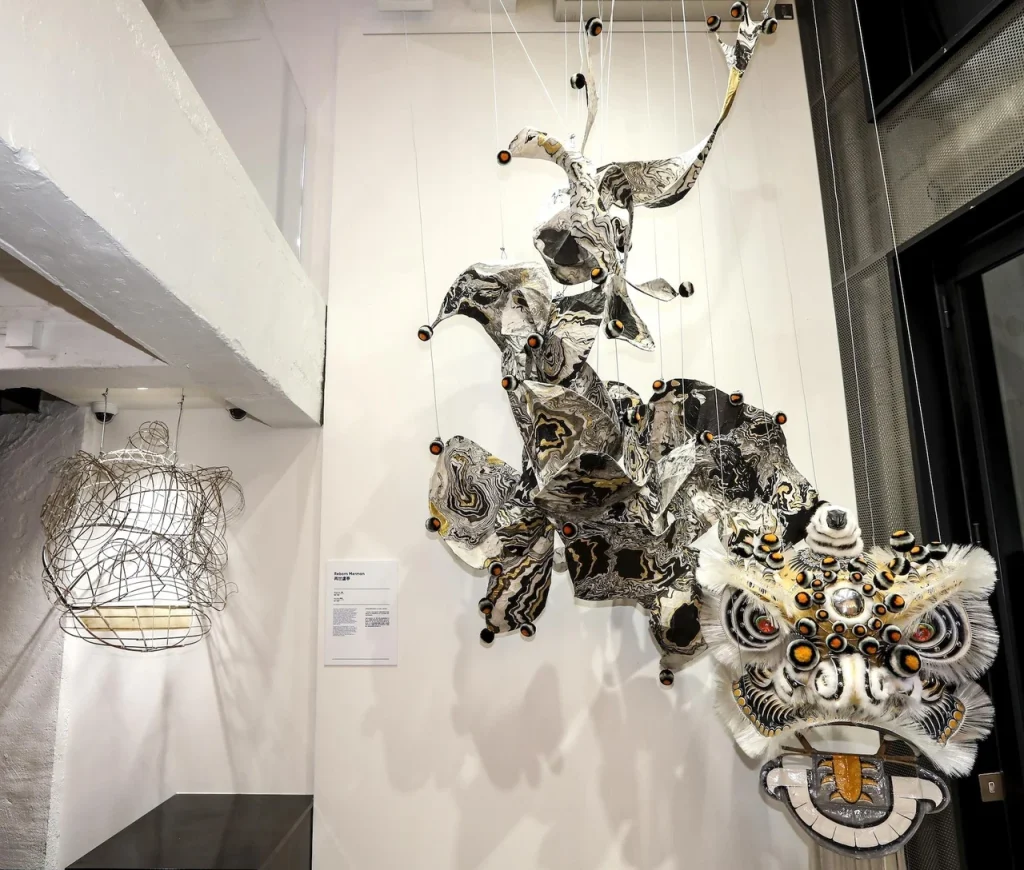
For example, a community mural project can include input from artists of different ages, races, and artistic disciplines. This blend might surface ideas that challenge conventional narratives, prompting people to reconsider their perceptions. The energy and vibrancy of such projects can lend themselves to powerful artistic expressions that resonate with a broad audience. Moreover, by incorporating diverse narratives, these projects foster inclusivity, making the art more impactful and relatable to many.
Skill Development
Collaboration paves the way for participants to enhance their skills in meaningful ways. In a community setting, individuals learn from each other—be it mastering painting techniques, honing digital art tools, or refining performance skills. This skill development occurs organically as artists share expertise, engaging in a mutual learning process that is both enriching and gratifying.
This exchange of skills and knowledge is invaluable, especially for emerging artists looking to broaden their artistic horizons. Exposure to various techniques and tools can be inspirational, often helping participants discover new facets of their artistic identities within the collaborative work. Additionally, such collaborations promote mentorship opportunities, where experienced artists can guide novices, leading to a collective growth trajectory.
Strengthening Community Bonds
Art has an unparalleled ability to unite people. Collaborative projects contribute significantly to fostering a sense of belonging and creating robust community networks. When individuals work together toward a shared vision, they build relationships underscored by trust and a shared purpose.
This sense of camaraderie is crucial as it reshapes how participants perceive and engage with their community. Art projects that culminate in public exhibitions and performances allow the wider community to witness the fruits of collective effort. These occasions often lead to heightened local pride and an increased eagerness to engage with the arts. Strengthened community bonds also encourage ongoing involvement and investment in cultural initiatives.
Enhanced Creative Problem-Solving
Artistic collaboration significantly enhances creative problem-solving capabilities on multiple fronts. When confronted with challenges, a group can brainstorm and devise solutions more effectively than individuals working in isolation. The presence of varied perspectives can lead to innovative outcomes, as each collaborator may offer an alternative approach to resolve a stumbling block.
Collaboration teaches adaptability as participants learn to navigate differing opinions and collaboratively develop solutions. Such experiences are incredibly beneficial beyond the artistic realm, promoting improved team dynamics in professional and personal contexts. The willingness to embrace risks and experiment within these projects rejuvenates the art scene, continually pushing boundaries and sparking fresh ideas.
Impactful Social Change
At the heart of community artistic projects lies the potential for impactful social change. Collaborative art can serve as a powerful medium for addressing pressing societal issues, from social injustices to environmental concerns. By combining their voices, artists can amplify important messages, stirring thought and fostering dialogue within and beyond their communities.
For instance, an art installation focused on environmental themes can draw attention to pressing ecological challenges, prompting viewers to reconsider their relationship with nature. These projects often manifest as murals, performances, or installations that not only beautify spaces but also drive critical conversations. Ultimately, such initiatives can inspire community activism and a desire for a more equitable society, demonstrating art’s power to effect tangible change.
Conclusion
In conclusion, the significance of collaboration in community artistic projects cannot be overstated. From promoting diversity and facilitating skill development to strengthening community bonds and enabling avenues for social change, collaborative efforts richly benefit the community as a whole. Art thrives when diverse voices come together, creating works that not only captivate but also inspire and provoke thought. As communities continue to embrace collaborative art initiatives, the potential for creative evolution and social impact remains boundless.
| Category | Detailed Information |
|---|---|
| Enhanced Creativity | Collaboration in community art projects leads to a melting pot of ideas, fostering innovative expressions that may not emerge in solitary efforts. Diverse perspectives contribute to more unique and multifaceted artistic outcomes. |
| Increased Engagement | When individuals collaborate, they are more likely to feel valuable and connected to their community. This camaraderie enhances communal bonds and encourages broader participation within the project. |
| Skill Development | Participants not only share their artistic talents but also learn from one another, leading to career growth and skill enhancement. Workshops and interactive sessions provide avenues for personal and professional development. |
| Social Change | Art has the power to raise awareness and influence communities. By collaborating, artists can address local issues, promote advocacy messages, and create works that resonate on a deeper social level, driving change through collective effort. |
In the context of community art projects, collaboration not only enhances creativity but also brings about a sense of belonging and purpose among participants. As artists collaborate, they often break down barriers, fostering an environment where innovative ideas can flourish. This cooperative spirit enables artists to tap into a shared pool of resources and knowledge, leading to richer artistic expressions.Moreover, collaboration inherently invites a diverse range of voices and experiences into the creative process. A project that includes varied participants is more likely to reflect the complexities of the community itself, allowing for a broad interpretation of artistic themes that resonate at both personal and communal levels.The engagement fostered through collaboration does not strike merely at the emotional chords but also at the developmental ones. Artists and participants can gain invaluable skills that contribute not only to their personal growth but also to the overall vibrancy of their community. Workshops and group sessions can be launched as part of collaborative initiatives, offering formal avenues for education and skill-sharing. Crucially, the impact of these collaborations can extend beyond the artistic realm into social spheres. As artists mobilize around issues within their communities, their projects can serve as catalysts for social change. The art produced can express vital narratives and give voice to underrepresented groups, empowering them to spark discussion and advocacy. In this way, community art projects are not just about creating aesthetically pleasing works but also about fostering a shared vision for betterment and unity through creativity.
FAQs on the Importance of Collaboration in Community Art Projects
What is the significance of collaboration in community art projects?
Collaboration in community art projects plays a crucial role in fostering a sense of shared ownership and collective creativity. By bringing together diverse perspectives, these projects can address broader community issues and create works that resonate more deeply with the public. Additionally, collaboration helps to pool resources and talents, often resulting in more innovative and impactful outcomes.
How can collaboration enhance the creative process in community art projects?
When artists collaborate on community projects, they benefit from a fusion of different skills and ideas, which can lead to unique artistic expressions. This joint effort can help artists overcome creative blocks, explore new techniques, and produce work that might not be possible individually. Moreover, collaborative projects invite community input, making the process more dynamic and the final product more relevant to the audience.
What challenges might arise from collaboration in these projects?
While collaboration can be beneficial, it is not without challenges. Differences in creative vision, communication styles, or project objectives can lead to conflicts. Managing these differences requires strong leadership and clear communication. Additionally, equal participation and recognition must be ensured, as power imbalances can stifle some voices and hinder the project’s success.
Why are community art projects important for local development?
Community art projects are vital for local development as they often address social issues, enhance communal spaces, and bring the community together. They can stimulate local economies through art tourism and inspire civic pride. Moreover, these projects provide a platform for community members to express themselves and connect with others, fostering a sense of belonging and social cohesion.
Conclusion: The Power of Collaboration in Community Art Projects
In exploring the essential role of collaboration in community art projects, it becomes evident that these creative endeavors go far beyond the art itself. They are crucial in uniting communities, fostering profound connections, and creating impactful social change. Through mutual effort, individuals from diverse backgrounds can come together, pooling their unique talents and perspectives to produce works that could not have been realized alone.
One of the main takeaways from our exploration is how collaboration allows for the sharing of resources and knowledge, expanding access to tools and experiences that individuals might not have on their own. This democratization of artistic expression encourages participation from all segments of the community, fostering inclusivity and amplifying underrepresented voices.
Furthermore, community art projects serve as a catalyst for personal growth and development, providing an opportunity for individuals to challenge themselves, gain new skills, and build confidence. The process of working together not only strengthens community ties but also builds a supportive network that extends beyond the project itself. The creative dialogue and positive interactions that unfold in these collaborative settings nurture a sense of belonging and shared purpose.
Ultimately, by reinforcing the benefits of collaborative effort in artistic projects, we highlight their power to transcend mere creativity, transforming the community landscape and enriching personal lives. These projects encourage an ongoing dialogue about the role of art in society and its capacity to reflect and influence the world around us.
As we delve deeper into the potential of community art projects, it is clear that the spirit of collaboration is indispensable. This understanding invites us to consider how artistic synergy can continue to spur innovation and inspire individuals to participate actively in their communities, leading to a more cohesive and vibrant social fabric.