The Power of Manual Skills in Personal Growth Self-Expression
Discovering the Impact of Creative Hobbies
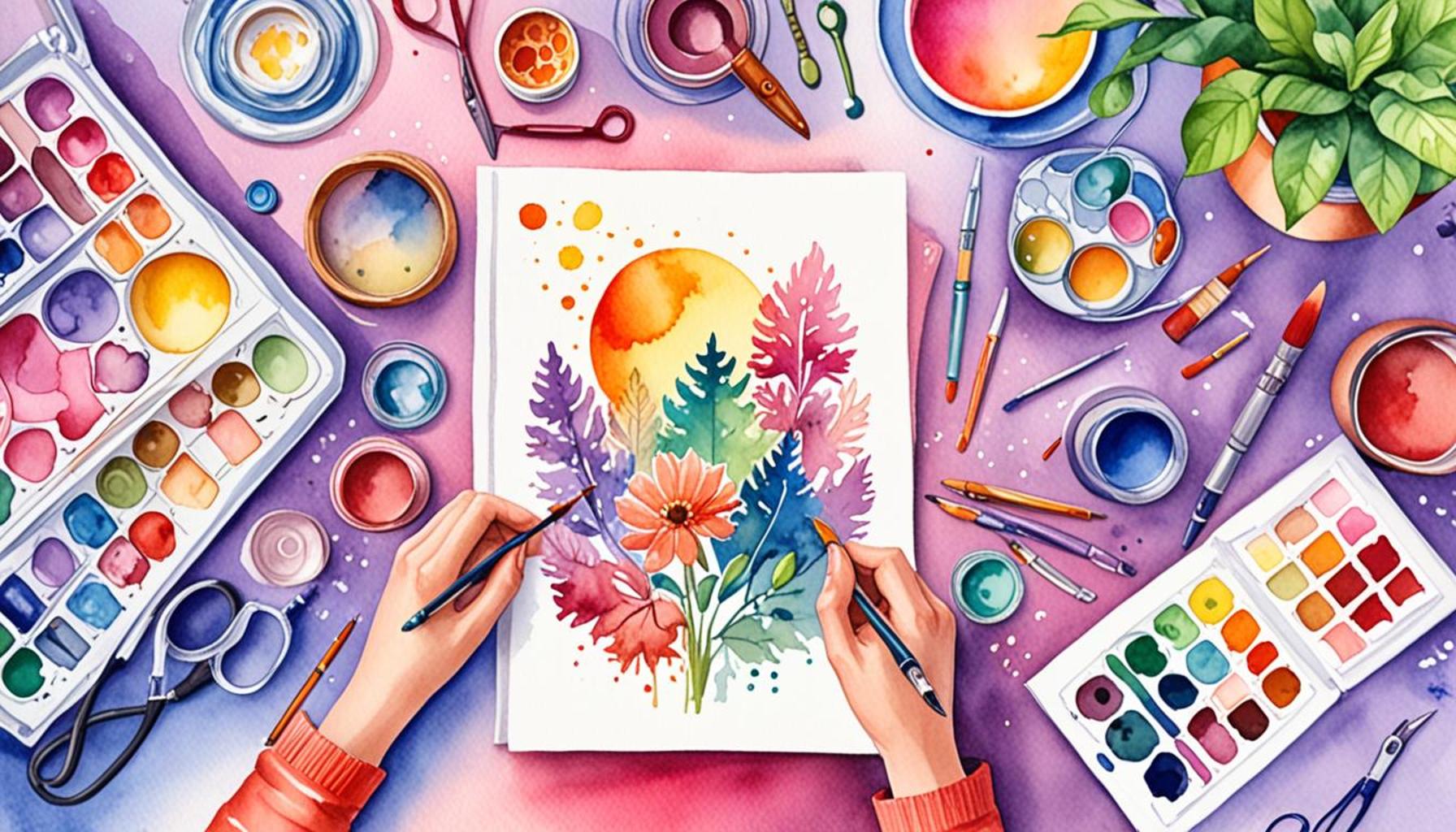
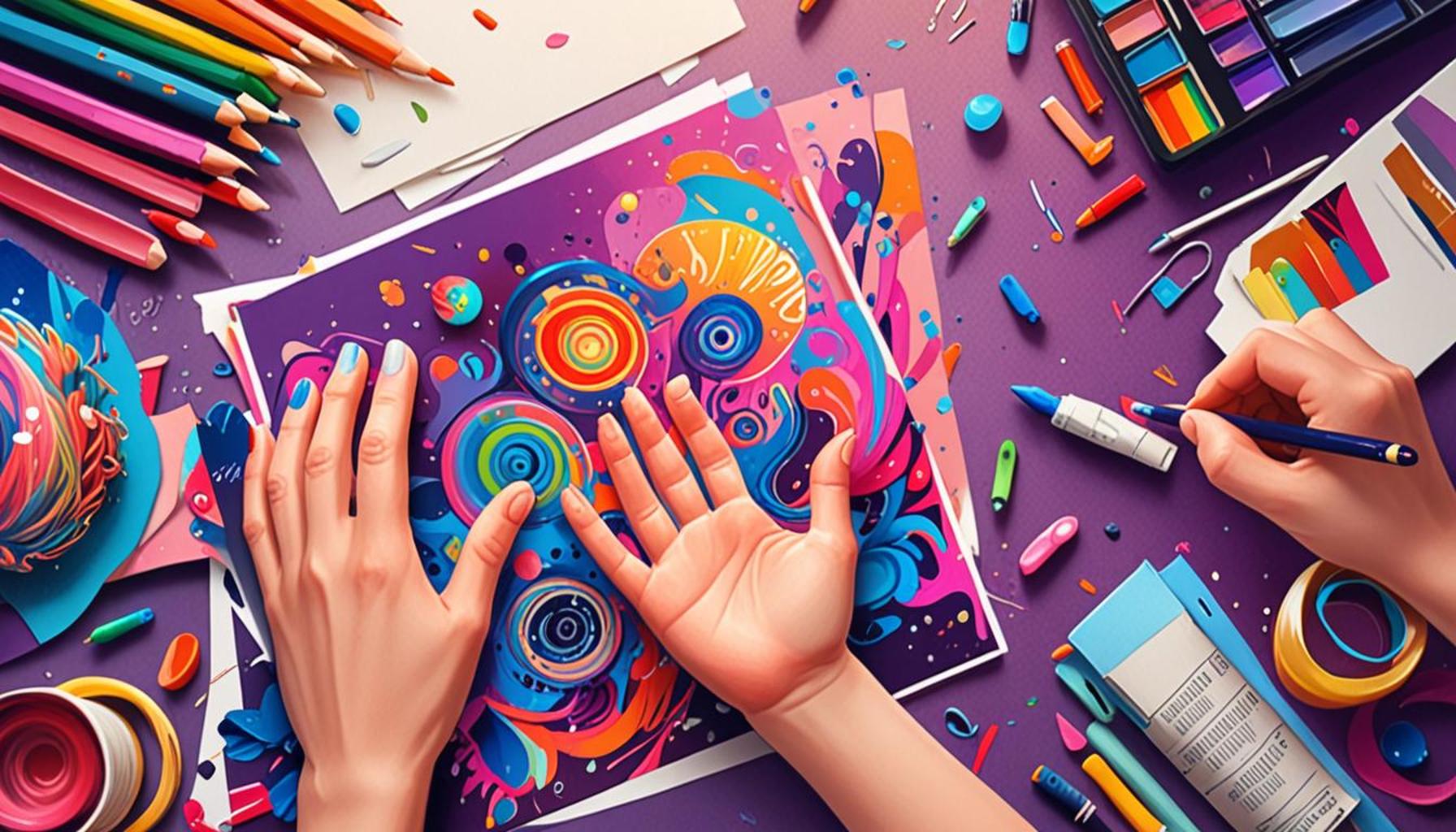
In today’s fast-paced world, the value of manual skills often gets overshadowed by technological advancements. However, engaging in creative hobbies that require these skills can significantly enhance personal growth and self-expression. Whether you’re sculpting, painting, or crafting, the act of creating with your hands provides not just satisfaction but also fosters essential life skills.
Why Manual Skills Matter
Manual skills play a crucial role in several aspects of life:
- Confidence Building: Completing a project can boost your self-esteem.
- Cognitive Development: Crafts stimulate problem-solving abilities and critical thinking.
- Stress Relief: Creative activities can serve as effective stress relievers, promoting mental well-being.
In this article, we will explore the top 5 manual skills that not only enhance your self-expression but also contribute to your overall development. Get ready to dive into a world where creativity meets personal fulfillment!
Top 5 Importance of Manual Skills in Personal Development and Self-Expression
In today’s fast-paced digital world, the essence of creativity and personal growth often gets overshadowed by technology. In an era dominated by screens and virtual experiences, there is an undeniable shift away from traditional practices. However, manual skills play a crucial role in enhancing personal development and offering avenues for self-expression that are irreplaceable. This article ranks the top five aspects of manual skills that highlight their significance in our lives, encouraging readers to reconsider the value these skills bring beyond their apparent simplicity.
5. Strengthening Mental Health
In an age where stress and anxiety are increasingly prevalent, engaging in manual skills like crafting, drawing, or even woodworking can positively affect one’s mental health. These activities operate as a form of therapeutic practice, allowing individuals to transmute their stress and anxiety into something tangible and fulfilling. A growing body of research demonstrates that participation in such creative processes can reduce symptoms of depression and mitigate the effects of stress, leading to improved overall mood and mental resilience.

The rhythmic, repetitive nature of many manual tasks—whether it’s knitting, carving, or painting—can induce a nearly meditative state. This process creates a comforting escape, allowing the mind to find tranquility that encourages relaxation and peace. Furthermore, the satisfaction derived from finishing a handcrafted item or mastering a new technique enhances self-esteem and provides a profound sense of achievement.
- Crafting provides a sense of accomplishment.
- Creativity fosters emotional expression, acting as a conduit for untangling complex feelings.
- Performing mundane tasks can develop mindfulness, anchoring the mind in the present.
4. Building Fine Motor Skills
Fine motor skills are vital for conducting a multitude of daily activities such as typing, holding a pencil, or preparing meals. Engaging in manual activities like knitting, painting, or sculpting directly contributes to the improvement of coordination and dexterity. For children, these skills lay the foundation for complex learning tasks and future academic success. For adults, maintaining these abilities helps preserve independence and functionality.
For example, the intricate hand movements involved in activities such as clock making or embroidery can improve hand-eye coordination significantly. Adult participation in these activities brings forward lifelong learning opportunities, reaffirming that manual skills are not exclusive to any age group. Moreover, maintaining the adeptness of fine motor skills as we age helps keep the cognitive functions sharp and promotes a long, active lifestyle.
3. Enhancing Problem-Solving Abilities
Manual skills often involve the challenge of creative problem-solving and critical thinking. Whether you are assembling furniture, creating a complex piece of art, or troubleshooting a malfunctioning tool, challenges are part and parcel of the process. This requirement to think critically and resolve issues leads to enhanced cognitive function and nurtures an adaptable, resourceful mindset.
These hands-on experiences invite innovation and adaptability, aligning with the larger narrative of problem-solving in the workplace and beyond. The ability to think inventively is strengthened with each trial of error and success, ultimately equipping individuals to approach problems with confidence. For instance, a woodworker modifying plans to adapt to a warped piece of wood learns patience and inventiveness, valuable skills in every facet of life.
2. Nurturing Self-Expression
One of the most profound impacts of manual skills is their ability to serve as a medium for self-expression. Crafts, art, woodwork, and DIY projects provide platforms for individuals to articulate their thoughts, emotions, and perspectives in ways that transcend verbal communication. This form of expression is particularly significant for individuals who find conventional methods of expression limiting or inadequate.
Engaging with various artistic media not only broadens creative horizons but also deepens the understanding of one’s identity. Through the development of a distinctive style or technique, individuals showcase their personality and recount personal narratives through their creations, forging connections with others who resonate with these stories. This shared experience fosters community and deepens interpersonal connections.
1. Fostering Personal Growth and Autonomy
Ultimately, the most significant aspect of manual skills is their capacity to foster personal growth and autonomy. Hands-on activities encourage individuals to venture beyond their comfort zones, embracing new challenges, learning novel techniques, and perceiving failures as integral components of the creative journey. This process of self-discovery is critical in cultivating confidence and independence.
Navigating the hurdles involved in acquiring manual skills cultivates resilience and determination. The fulfilling sensation derived from completing a project or mastering a new skill significantly contributes to personal development, evoking a profound sense of self-esteem and embodying a reflection of one’s evolving identity and core values.
In conclusion, manual skills are not merely hobbies but pivotal components of personal development and self-expression. By embracing these skills, individuals can enhance their mental health, improve fine motor skills, develop problem-solving abilities, nurture self-expression, and, most importantly, embark on a lifelong journey of personal growth and autonomy. Never underestimate the power of creative hobbies—they hold the key to unlocking your true potential and inspire a deeper connection with yourself and others.
| Category | Details |
|---|---|
| Creative Expression | Manual skills foster creativity as individuals engage in crafting, painting, or building. These activities allow for unique self-expression and the ability to convey personal narratives through tangible creations. |
| Mental Well-being | Engaging in hands-on activities has been linked to improved mental health. Activities such as gardening or sewing can significantly reduce stress, promote mindfulness, and provide a sense of accomplishment. |
| Life Skills Development | The acquisition of manual skills enhances life skills such as problem-solving, critical thinking, and patience. These competencies are crucial not just in personal development but in educational and professional settings as well. |
| Cultural Heritage | Practicing manual skills often involves the retention and celebration of cultural traditions. Whether through traditional crafts or methods passed down through generations, these skills keep heritage alive and foster community connections. |
Frequently Asked Questions: The Importance of Manual Skills in Personal Development and Self-Expression
What role do manual skills play in personal development?
Manual skills are fundamental in personal development as they foster creativity and problem-solving abilities. Engaging in activities such as painting, knitting, or woodworking can enhance cognitive function and improve focus and concentration. These activities also provide a tangible sense of achievement, boosting self-esteem and confidence, which are critical for personal growth.
How can manual skills contribute to self-expression?
Manual activities allow individuals to express their personality, emotions, and thoughts in a unique and personal manner. Whether through creating a piece of art or crafting a handmade item, manual skills provide an outlet for creativity and can communicate messages that words might not be able to capture. This form of self-expression helps develop a deeper understanding of oneself and one’s emotions.
Are there any mental health benefits associated with developing manual skills?
Yes, engaging in manual activities can have numerous mental health benefits. Such tasks often induce a state of relaxation akin to meditation, reducing stress and anxiety levels. Additionally, the focus required in manual work can lead to a state of flow, a concept associated with high productivity and satisfaction. Moreover, the sense of achievement that comes with completing a manual project can contribute to increased happiness and well-being.
Can learning new manual skills impact lifelong learning and adaptability?
Acquiring new manual skills encourages a mindset geared towards learning and adaptation, which are invaluable traits in today’s rapidly changing world. Developing a new skill requires patience, dedication, and resilience—qualities that enhance one’s ability to learn continuously and adapt to new challenges throughout life. Moreover, this adaptability can be transferred to various aspects of one’s personal and professional life, fostering lifelong learning.
How can one start exploring manual skills for personal development?
To begin exploring manual skills, start by identifying activities that pique your interest. Consider enrolling in a workshop or online class for structured guidance, or simply try learning through online resources or books. It’s important to approach these activities with an open mind and patience as you discover what resonates with you. Remember, the goal is not perfection but the enjoyment and growth that come with the process.
Conclusion
In an increasingly digital world where screens and virtual interactions dominate, the importance of manual skills in personal development and self-expression stands as a vital counterbalance to our technologically-driven lives. Throughout this exploration, we have delved into how creative hobbies not only enhance personal growth but also serve as a powerful medium for individuals to express their unique identities.
The process of engaging with manual activities encourages a sense of mindfulness, offering a therapeutic escape that fosters mental well-being. Whether through painting, crafting, or playing a musical instrument, manual skills stimulate cognitive functions and improve problem-solving abilities. These activities not only cultivate patience and perseverance but also enhance hand-eye coordination and dexterity.
Moreover, these skills are gateways to unleashing creativity, allowing individuals to explore and express their thoughts and emotions beyond words. This form of self-expression can be incredibly personal and transformative, providing a sense of accomplishment and identity.
As we contemplate the future, it becomes clear that manual skills offer invaluable benefits that extend beyond the simplicity of their action. They contribute to holistic development, enabling individuals to lead more balanced and fulfilling lives. The resurgence of interest in traditional crafts and hobbies suggests a collective yearning for more tangible interactions in an increasingly intangible world.
In summary, embracing manual skills is an enriching pursuit that holds the potential to significantly impact personal growth and self-expression. It is an invitation for all of us to reconnect with our innate creativity and explore its vast possibilities. As we move forward, let us consider how these timeless skills can complement our modern existence, fostering a deeper understanding of ourselves and the world around us.