How Digital Platforms Boost Emerging Musical Talents Globally
The Rise of Digital Platforms in Music
The music industry is undergoing a seismic shift due to the influence of digital platforms. These platforms have transformed how artists create, distribute, and promote their music. For emerging musical talents, this change is not just beneficial; it’s revolutionary.
Significance within Creative Hobbies
In a world where creativity can be expressed and shared instantly, aspiring musicians are finding unprecedented opportunities to reach global audiences. The relevance of these platforms extends beyond mere exposure; they offer tools for collaboration, inspiration, and even monetization. As musicians better understand this landscape, they can harness its power to build vibrant careers.
What to Expect
This article will explore the Top 5 Digital Platforms that are making waves in the promotion of emerging talents. Each platform uniquely contributes to the landscape of music discovery and artist visibility. Join us as we delve into these innovative avenues for musical expression and growth.
Top 5: The Impact of Digital Platforms on Promoting Emerging Musical Talents
The digital revolution has significantly transformed multiple aspects of our lives, and the music industry is no exception. The proliferation of digital platforms has made it easier for emerging musical talents to reach global audiences and gain recognition like never before. This dramatic shift offers artists new tools and opportunities to showcase their work, connect with fans, and navigate the increasingly complex music industry. Below, we delve into the top five ways in which digital platforms are driving this transformation, reshaping the music landscape for both creators and consumers alike.
5. Increase in Accessibility
Before digital platforms redefined the music industry, emerging artists often faced insurmountable obstacles when trying to reach substantial audiences. They had to depend largely on traditional channels such as record labels, radio, and live performances, which meant limited exposure and fewer opportunities to break through. However, the advent of platforms like Spotify, SoundCloud, and YouTube has democratized this process, enabling artists worldwide to disseminate their music with just a few clicks.
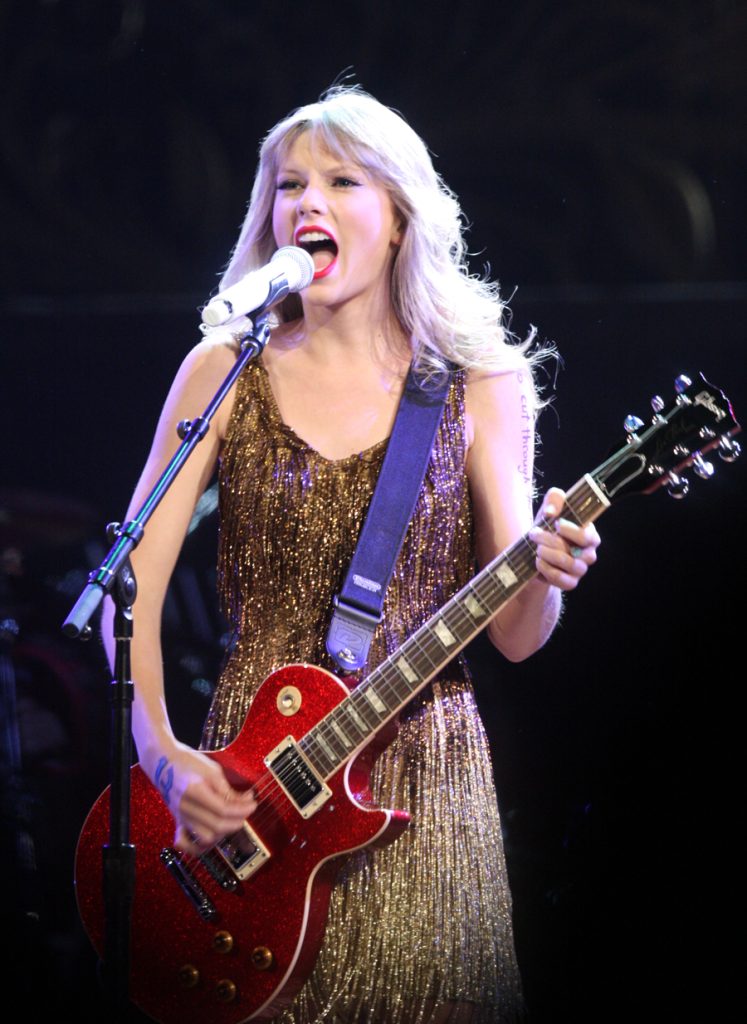
This enhanced accessibility means that musicians from diverse backgrounds can now share their music without the gatekeeping traditionally associated with the music industry. The barriers to entry have been lowered significantly, fostering a rich melting pot of cultural and musical diversity. Each musician can carve their niche, allowing a multitude of genres—like lo-fi hip hop, indie-pop, and more— to flourish. Additionally, social media facilitates direct interaction with fans, fostering tight-knit communities and allowing artists to gain valuable feedback and adjust their strategies accordingly.
4. New Revenue Streams
The introduction of digital platforms has revolutionized the financial aspects of the music industry, providing budding artists with a wealth of new revenue streams. Gone are the days when artists solely depended on album sales and live performances for income. Today, they can earn money through streaming royalties, merchandise sales, and even fan support on platforms like Patreon or Bandcamp.
These platforms offer unique ways to establish a two-way street between artists and listeners. For instance, an artist might offer exclusive tracks, early releases, or limited-edition merchandise to their most ardent supporters. Crowdfunding platforms can also propel projects that may not have found funding in traditional settings, thereby sustaining artists financially while providing fans a personal stake in their success. By diversifying income sources, artists can maintain greater autonomy over their work, exploring their creative potential without the pressure of conforming to a single revenue model.
3. Viral Phenomena and Cultural Shifts
The concept of virality has become central to modern music promotion, and digital platforms are crucial players in this trend. Platforms like TikTok have given rise to a dynamic where a single video or sound clip can catapult an artist to international fame overnight. Going “viral” often results in explosive growth in an artist’s visibility and audience base, dramatically boosting streams on platforms like Spotify and Apple Music.
For example, artists such as Lil Nas X gained widespread acclaim after their songs became viral sensations, ultimately leading to media appearances and collaborations with high-profile artists. This newfound fame translates into further career prospects, including sponsorship deals, media features, and festival bookings. The power of virality also has broader cultural implications, influencing popular music trends and leading to a greater intermingling of global musical traditions and cultural exchanges.
2. Collaborative Opportunities
In today’s globally connected world, collaboration has become more seamless than ever for musicians. Digital platforms eliminate geographical barriers, allowing artists from different corners of the world to create music together. This ease of collaboration fosters an eclectic mix of styles, genres, and influences, enhancing the richness and diversity of contemporary music.
Many artists now collaborate over these platforms, embracing cutting-edge technology to experiment and innovate. The outcome can be groundbreaking, leading to hybrid genres and innovative sounds that push the boundaries of what music can be. Such cross-cultural collaborations have birthed unique projects and contributed to the evolution of music as a reflective, expressive art form. Beyond the artistic rewards, collaboration also allows musicians to tap into broader audiences, expanding their reach and potential listener base.
1. Establishing Personal Branding
Arguably the most transformative effect of digital platforms is the opportunity for musicians to build and refine a strong, distinct personal brand. In an industry where differentiation is vital, a well-crafted online presence is instrumental for an artist’s success. Platforms like Instagram, Twitter, and YouTube facilitate direct interaction between artists and fans, allowing musicians to mold their visual and social identity actively.
This notion of branding extends beyond musical content to encompass aspects such as lifestyle, personal values, and interaction with followers. Such an approach cultivates a loyal fan base that resonates with both the music and the personal narrative behind it. Artists who master the art of personal branding find themselves better equipped to navigate the industry’s competitive landscape, ensuring their longevity and influence. By leveraging these tools, they not only build a following but also create a legacy that transcends trends.
In conclusion, digital platforms have fundamentally altered the music industry’s landscape, providing fertile ground for emerging talents to thrive. From increased accessibility and new revenue streams to viral phenomena, collaboration, and personal branding, these platforms empower musicians with the tools to succeed and innovate. As technology continues to evolve, the potential for fresh talent always remains on the horizon, promising an exciting future for both artists and audiences worldwide.
The rapid evolution of digital platforms has fundamentally reshaped the music industry, creating unprecedented opportunities for emerging musical talents. A significant aspect of this transformation is the way these platforms facilitate the discovery and promotion of new artists, often bypassing traditional gatekeepers such as record labels and radio stations. This democratization of music distribution empowers creators to reach global audiences from virtually anywhere.In today’s digital landscape, social media platforms like Instagram, TikTok, and YouTube play a pivotal role in an artist’s ascendance. For instance, viral challenges on TikTok have been known to catapult relatively unknown musicians into stardom overnight. The phenomenon of a song becoming popular due to user-generated content illustrates the explosive power of engagement that digital platforms offer. Artists can utilize these platforms to showcase their talent, behind-the-scenes content, or even personal stories to create a deeper connection with their audience.Moreover, data analytics tools embedded in these platforms allow artists to understand their audience better and tailor their content accordingly. By analyzing metrics such as engagement rates, demographic information, and geographical data, musicians can make informed decisions about their marketing strategies, ensuring that their efforts are effectively targeting potential fans. This data-driven approach fosters a sense of community and loyalty as artists engage directly with their supporters, creating a dynamic relationship that was previously difficult to achieve through traditional media.The financial aspect also cannot be overlooked. Digital platforms offer numerous monetization avenues such as streaming services, crowdfunding, and merchandise sales. For example, platforms like Patreon enable fans to support their favorite artists directly through subscriptions. This not only incentivizes creators to produce unique and consistent content but also helps them build a sustainable income model, allowing them to dedicate more time to their craft.In relation to regional diversity, digital platforms play a critical role in showcasing talents from various backgrounds and geographic locations which have traditionally been underrepresented in the mainstream music scene. Independent artists have the flexibility to market their unique sounds and stories, fostering a more diverse musical landscape that includes a wide range of genres and influences. By removing geographical barriers, these platforms are paving the way for a more inclusive environment where all voices can be heard.Furthermore, collaborations have gained a new dimension on digital platforms. Artists can connect with fellow musicians across the globe, creating innovative fusions of styles and sounds that might not have been possible in a pre-digital era. The rise of collaborative projects highlights the importance of community among artists, transcending borders and enhancing the creative process through shared influences and artistic exchanges.In summary, the emergence of digital platforms has cultivated a vibrant ecosystem for new musical talents, providing them with tools and opportunities that were unthinkable in the traditional music industry framework. From enhanced audience engagement and personalized marketing to the encouragement of diverse musical expressions and collaborations, these platforms represent not just a shift in how music is made and shared, but a profound transformation in the cultural fabric of the global music industry.
Frequently Asked Questions about Digital Platforms and Emerging Musical Talents
How do digital platforms help emerging musical talents?
Digital platforms provide emerging musical talents with a plethora of opportunities that were not available in the traditional music industry. With tools like social media, streaming services, and video-sharing sites, young artists can now bypass traditional gatekeepers, such as record labels, to reach their audiences directly. Platforms like YouTube and SoundCloud allow artists to upload their music for free and potentially reach a global audience overnight. This democratization of the music industry helps artists gain visibility and build a fanbase without significant financial investment.
What challenges do emerging talents face on digital platforms?
While digital platforms offer many opportunities, they also present significant challenges. One of the main issues is the over saturation of content. With millions of tracks being uploaded daily, it can be difficult for emerging artists to stand out. Additionally, the algorithms used by these platforms tend to favor artists who already have a substantial audience, making it harder for new talents to be discovered. Moreover, monetization can be challenging, as the earnings from streaming services are often minimal unless an artist achieves massive success.
Are there any success stories of artists who gained fame through digital platforms?
Absolutely. There are numerous success stories of artists who found fame and fortune via digital platforms. For instance, Justin Bieber was discovered on YouTube by a talent manager, which eventually led to his recording contract. Similarly, Billie Eilish garnered a massive following and critical acclaim after posting her music on SoundCloud. These examples showcase how crucial digital platforms can be in launching a musician’s career.
How can emerging musicians optimize their presence on digital platforms?
Emerging musicians can optimize their presence by consistently creating and sharing high-quality content. Engaging with their audience is crucial, as it helps to build a loyal fan base. Artists should utilize data analytics tools provided by platforms to understand their audience better and tailor their content accordingly. Collaborations with other artists, influencers, or brands can also amplify their reach. Above all, staying authentic and true to their music can help artists stand out in a crowded digital space.
What role do digital platforms play in the cultural diversity of the music industry?
Digital platforms have played a pivotal role in enhancing cultural diversity within the music industry. By enabling artists from various backgrounds and regions to share their music globally, these platforms have facilitated the exchange of cultural influences and fostered a more inclusive musical landscape. This has allowed audiences to discover and embrace an array of musical styles and genres that they might not have encountered otherwise, broadening the cultural horizons of listeners worldwide.
Conclusion: The Transformative Role of Digital Platforms
In summary, the impact of digital platforms on the promotion of emerging musical talents is both profound and multifaceted. These platforms have undeniably democratized the music industry, offering artists from all backgrounds unprecedented access to global audiences. The traditional gatekeeping roles of labels and radio stations have been diminished, empowering artists to take charge of their careers through self-promotion and innovative content.
The power of social media cannot be underestimated in this context. From viral TikTok hits to impactful YouTube music videos, artists can engage with their audience directly and creatively, fostering deeper connections and fan loyalty. For instance, the instantaneous feedback loop provided by these platforms allows musicians to swiftly adapt their content, aligning with the evolving tastes and preferences of their listeners.
Data and Discoverability
Moreover, the use of data analytics by digital platforms offers emerging artists valuable insights into listener habits and trends. This information can be leveraged to tailor marketing strategies, identify potential fan bases, and even strategically schedule releases. Furthermore, the algorithms that drive platform recommendations bring artists into the spotlight, enabling serendipitous discovery by new listeners worldwide.
Shaping the Future of Music Creation
Ultimately, digital platforms have become essential tools in the development of creative hobbies related to music. They offer both opportunity and challenge; while discoverability is easier, competition is fiercer. As these platforms continue to evolve, they will shape not only the music industry but also the very nature of music creation and consumption. The onus is on both artists and platforms to maintain a dynamic and fair ecosystem that continues to nurture and showcase emerging talents.
In conclusion, the intricate web of digital platforms and their influence highlights a fascinating evolution in the way music is created, shared, and appreciated. Exploring further into their dynamics will undoubtedly reveal more about the shifting landscape of musical artistry and the role creative hobbies play in this ongoing transformation.