Innovative Crafting Techniques Enhance Skills Create Unique Pieces
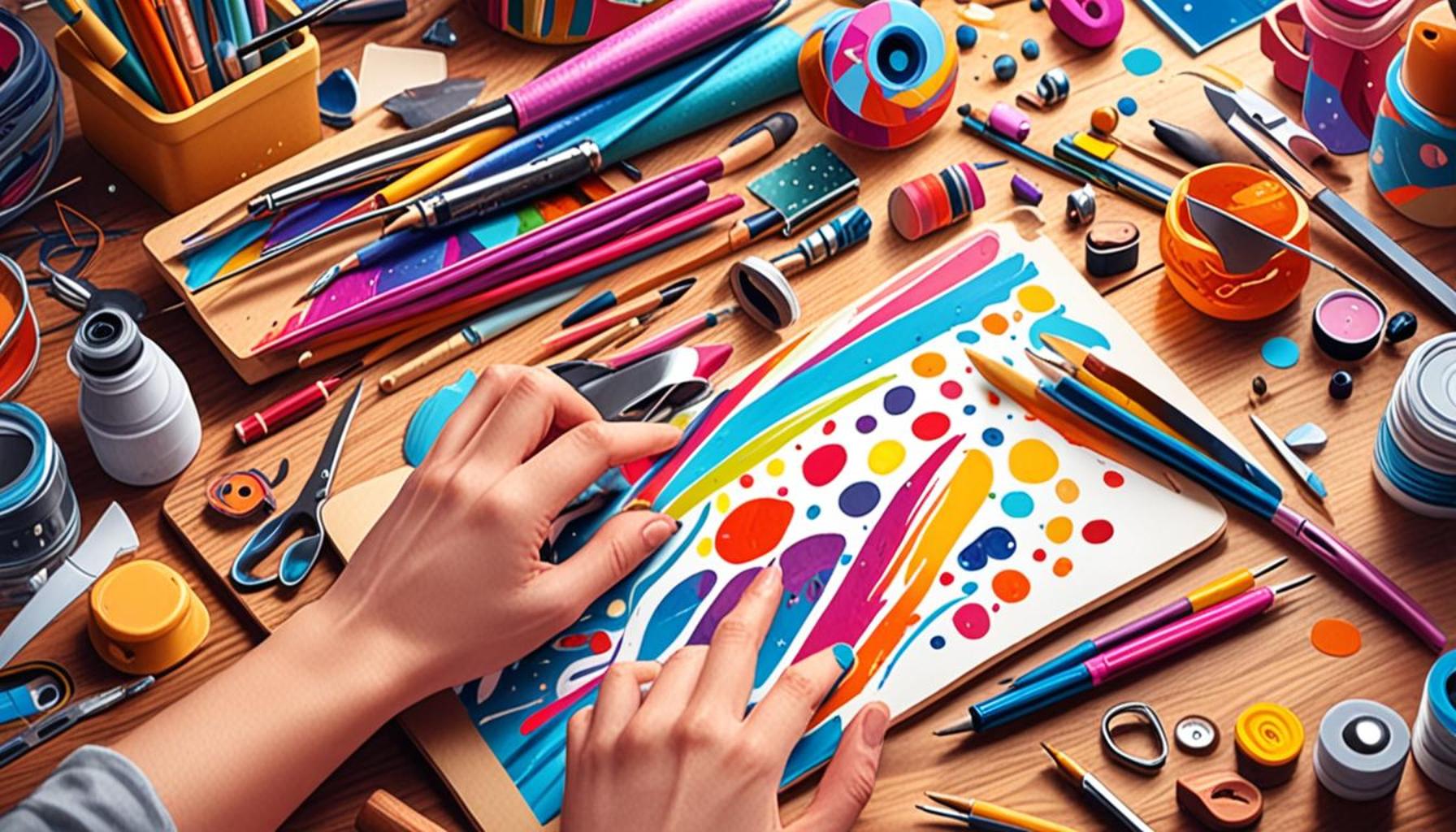
In the realm of creative hobbies, crafting has blossomed into a vibrant and expressive outlet for individuals seeking to explore their artistic potential. With the rise of social media platforms and crafting communities, there has never been a better time to dive into innovative techniques that not only enhance your skills but also enable you to create truly unique pieces. Whether you’re a seasoned crafter or a beginner, discovering new methods can transform your projects and reignite your passion for creation.
Today, we’ll explore various approaches that can elevate your crafting journey. Here are some key benefits of incorporating innovative techniques into your practice:
- Skill Development: Learn new methods that refine your existing abilities.
- Creativity Boost: Break out of traditional molds and tap into fresh ideas.
- Personal Expression: Develop a distinctive style that sets your work apart.
- Community Engagement: Connect with fellow enthusiasts and share experiences.
- Therapeutic Benefits: Enjoy the stress relief that comes from hands-on creativity.
Now, get ready to discover the Top 5 innovative crafting techniques that will not only enhance your skills but also inspire you to create pieces that reflect your unique artistic voice.
Innovative Crafting Techniques: Enhancing Your Skills to Create Unique Pieces
Crafting is not just a hobby; it’s a passion that allows individuals to express their creativity and bring imaginative ideas to life. If you are keen on pushing the envelope and transforming your crafting from conventional to extraordinary, it’s essential to explore cutting-edge techniques. The arts and crafts landscape is dynamic, continuously shaped by novel ideas and methodologies that inspire greater innovation and skillful artistry. We will explore five innovative techniques that can reinvent your artistic pursuits, guiding you from the foundational to the forefront of creativity. Let’s get ready to unleash your inner artist!
5. Upcycling Materials
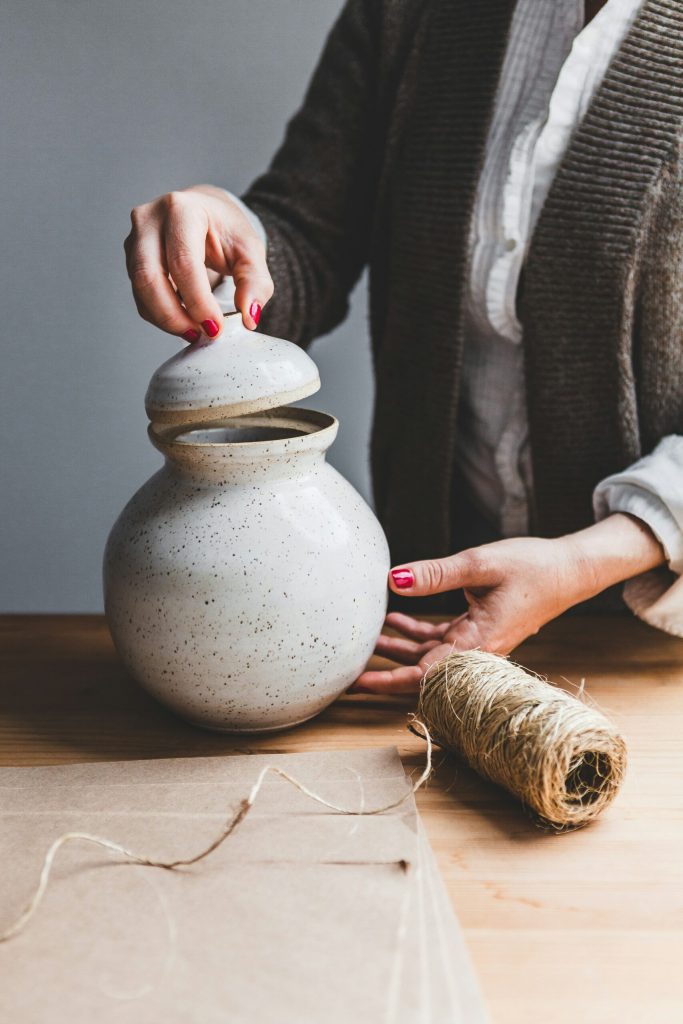
Upcycling transcends mere trendiness, embodying a sustainable, innovative approach to crafting. This practice empowers creators to reduce waste by giving new life to items often destined for disposal. Consider how old furniture, outdated clothing, or discarded glass bottles can be transformed into eye-catching, functional art pieces. Implementing upcycling in your projects can be facilitated through the following strategies:
- Research: Seek inspiration from online platforms, local crafting communities, and immersive art exhibitions that celebrate sustainability.
- Gather Materials: Embrace a scavenger’s mindset, collecting objects that spark your interest and imagination.
- Plan Your Project: Visualize your transformation process through sketches or digital mockups before committing to the actual crafting phase.
Upcycling enhances your skills and reinforces a mindset of environmental stewardship. It encourages imaginative thinking, showcasing beauty hidden within commonplace items. Perfect for beginners, upcycling allows for experimentation with diverse materials without requiring a significant financial investment. Not only does this technique support environmental sustainability, but it also cultivates innovation, challenging creators to repurpose with style and ingenuity.
4. Mixed Media Art
Mixed media art invites creators to break boundaries by uniting various artistic disciplines, leading to unexpected, striking results. This technique harmonizes materials like paint, fabric, paper, and even digital components, producing multidimensional works that intrigue and engage. When exploring mixed media art, consider these essential practices:
- Experimentation: Boldly mix traditional and unconventional materials to find your unique artistic voice.
- Layering: Build depth and complexity by skillfully layering different elements for a rich and dynamic visual journey.
- Emotional Connection: Choose materials that resonate with personal narratives or experiences, weaving a story into your art.
Mixed media art is a path to creating distinct pieces that capture your identity as an artist. It encourages breaking free from conventional methods and expanding your repertoire. This technique is indispensable for any artist’s toolkit, as it fosters innovation and personal expression, stretching the boundaries of what art can be.
3. Digital Crafting
In our ever-evolving digital era, combining technology with traditional crafting techniques presents vast creative possibilities. Digital crafting involves using design software for creating intricate patterns, crafting SVG files for cutting machines, or developing uniquely tailored prints. Mastery of digital crafting involves several key components:
- Software Skills: Gain proficiency in industry-standard programs like Adobe Illustrator or Cricut Design Space to unlock your creative potential.
- Drawing Tablets: Utilize digital drawing tools to sketch and design with the precision and flexibility offered by modern technology.
- 3D Printing: Venture into creating three-dimensional objects that blend imagination with reality, previously considered unattainable.
By advancing your digital crafting skills, you can seamlessly blend traditional craftsmanship with contemporary techniques. This integration facilitates the creation of cutting-edge pieces that bridge the analog and digital realms, redefining the landscape of modern artistry.
2. Resin Art
Resin art’s surge in popularity stems from its glossy finish, versatility, and the ability to capture the imagination in solid form. Artists use epoxy resin to mold extraordinary coasters, create bespoke jewelry, or produce art pieces that immortalize encapsulated objects. Here are some insights to ensure your resin art shines:
- Safety First: Always use protective equipment and ensure your workspace is well-ventilated to handle resin safely.
- Color Mixing: Experiment with pigments and metallic powders to craft colors and effects that captivate and surprise.
- Embedding Objects: Add depth and dimension to your projects by encapsulating flowers, glitter, or cherished mementos.
Resin art provides a platform for preserving memories and creativity in luminous, enduring structures. Mastering resin can leave a profound impression, not just on the viewer, but on you as an artist who continuously pushes the boundaries of traditional and modern arts.
1. Fabric Manipulation
At the forefront of innovative techniques is fabric manipulation, a method capable of radically transforming textile projects. This art form involves altering fabric through various techniques—including pleating, gathering, or quilting—and enhancing their textures and forms. Here’s how to embrace and excel in fabric manipulation:
- Manipulation Techniques: Delve into advanced techniques such as smocking, tucking, or intricate folding to enhance material texture.
- Textile Choice: Exercise creativity by selecting diverse fabrics that accentuate your crafted designs’ visual and tactile elements.
Fabric manipulation empowers artists to breathe new life into conventional textiles, crafting designs that deliver both aesthetic appeal and functional innovation. By exploring the depths of this technique, you can create pieces that resonate with sophistication and imaginativeness, making fabric manipulation an essential skill kindling the creative journey of any passionate artisan.
As you integrate these innovative techniques into your crafting endeavors, you’re poised to discover a new dimension of artistry. Each method discussed here offers a distinct pathway to refining your skills, expanding your creative horizons, and ultimately producing art that is not only visually captivating but also profoundly expressive. Dive into this innovative world, and redefine what artistry means to you.
| Category | Advantages |
|---|---|
| Advanced Techniques | Implementing advanced techniques such as resin art or pyrography allows artisans to push the limits of creativity, creating one-of-a-kind pieces that stand out in the market. |
| Eco-Friendly Materials | Utilizing eco-friendly materials not only appeals to environmentally conscious consumers but also enhances the overall value of the artwork, making it more desirable. |
| Customization Options | Offering customization options caters to individual tastes, allowing artisans to build a loyal customer base and differentiate themselves from mass-produced products. |
| Online Workshops | Participating in online workshops expands skill sets and techniques, enabling artisans to learn from experts globally and collaborate creatively. |
The incorporation of advanced techniques significantly raises the bar for craftsmanship. Techniques like resin art transform basic materials into vibrant masterpieces, capturing attention through their unique aesthetic and texture. Furthermore, pyrography opens up possibilities for intricate designs, demonstrating that even wood can be a canvas for elaborate artwork.In a world increasingly concerned with sustainability, artisans turning to eco-friendly materials forge a responsible path while capturing a niche market audience. The use of recycled or sustainably sourced components not only showcases artistry but also reinforces a commitment to environmental stewardship. This trend encourages creativity within restrictive parameters, leading to innovative solutions on how to repurpose materials.The demand for customization options has escalated, as consumers increasingly crave individuality in their purchases. Offering personalized products allows artisans to address specific desires and forge deeper connections with customers. This approach not only establishes a market niche but also fosters brand loyalty as clients return for tailored experiences and products that resonate personally with them.Lastly, online workshops have opened a global dialogue for artisans, enabling them to learn and share techniques in real-time. These platforms allow creativity to flourish beyond traditional barriers, often culminating in unique collaboration opportunities. Artisans can now showcase their skills to a worldwide audience, elevating their practice and bringing diverse influences into their designs. Engaging with these innovative techniques sparks fresh possibilities within the realm of crafting, helping artisans differentiate their work and captivate audiences looking for authenticity and originality.
Frequently Asked Questions about Innovative Craft Techniques
What are some examples of innovative craft techniques that can help me create unique pieces?
Innovative craft techniques are constantly evolving, offering fresh ways to express creativity. Some examples include resin art, which allows for creating glossy, colorful surfaces; 3D printing for intricate designs not possible with traditional methods; and eco-dyeing, which uses natural materials like leaves and flowers for dyeing fabrics. These techniques not only expand creative horizons but also offer new challenges and learning opportunities for artisans looking to stand out.
How can I improve my crafting skills using these new methods?
Refining your skills in innovative crafting often requires a mix of experimentation and persistence. Begin by researching and sourcing high-quality materials known to enhance the final product’s quality. Engaging with online workshops, such as those offered on digital platforms like YouTube or specialized forums, can provide step-by-step guidance. Additionally, participating in community art projects can offer practical experience and feedback from fellow artisans. Remember, continually learning and adapting is key to mastering these modern techniques.
Are these innovative techniques accessible for beginners in crafting?
While some innovative techniques may appear daunting, many are surprisingly accessible to beginners. It’s critical to start simple to build confidence. For instance, basic resin art projects or simple eco-dyeing experiments with easily accessible materials can provide a gentle introduction. Beginners should focus on understanding the materials and tools associated with each technique through beginner-friendly tutorials and then gradually take on more complex projects. The crafting community often offers an abundance of tips and resources, making the journey less intimidating.
What are the benefits of using innovative craft techniques compared to traditional methods?
Innovative craft techniques offer several benefits over traditional methods, primarily through the lens of uniqueness and personal expression. They allow artisans to create products that are not only one-of-a-kind but also hold personal significance or follow current market trends. Additionally, many of these techniques incorporate sustainable practices, aligning with the growing demand for eco-friendly crafts. They also foster a spirit of invention, constantly pushing the boundaries of what’s possible in the craft domain.
How can I find inspiration for incorporating these techniques into my work?
Inspiration can be drawn from a variety of sources to incorporate innovative techniques effectively. Begin by following influential creators and artists on social media platforms who regularly use and showcase these methods. Nature, art history, and contemporary design trends are rich wells of inspiration. Engaging with local and global craft communities through workshops, exhibitions, or forums can also spark creativity. Keeping an open mind and proactively exploring diverse influences will propel your creativity forward, allowing the seamless blend of traditional and modern crafting narratives.
Conclusion: Embracing Innovation in Craftsmanship
Crafting has always been a realm of creativity, where traditional skills blend with contemporary flair to produce extraordinary art. In the exploration of “Técnicas Inovadoras de Artesanato”, we delved into various methods that artists and enthusiasts can adopt to elevate their crafting prowess. From upcycling practices that not only save the environment but also add unique touches to each piece, to the infusion of technology in craftsmanship through 3D printing or laser cutting, the possibilities are boundless. These techniques not only enhance quality and precision but also expand the creative horizons for artisans.
Another key takeaway is the resurgence of traditional methods blended with modern innovation. Techniques such as macramé and pottery, when combined with new materials or digital design tools, offer fresh takes on familiar crafts. The advantage of these approaches is twofold: they respect and preserve heritage art forms while pushing the boundaries of what is possible. Furthermore, incorporating sustainable techniques and ethical sourcing of materials has become not just a trend, but a necessity in crafting today. This ensures that the art we create today contributes to a healthier world for future generations.
Ultimately, the journey of improving one’s skill in craftsmanship is one marked by continuous learning and adaptation. The ability to experiment with new techniques and materials can lead to the creation of truly unique and personal artistic expressions. For those engaged in creative hobbies, these insights present an opportunity to venture into realms of innovation, ensuring their art remains both relevant and groundbreaking. As the crafting community continues to evolve, embracing these new techniques is not just beneficial but essential for sustaining the dynamic nature of craftsmanship.