The Art of Plating Turning Dishes into Culinary Masterpieces
Embracing Culinary Aesthetics
The presentation of food goes beyond mere sustenance; it’s a canvas for creativity. The way a dish is plated can transform everyday meals into spectacular experiences, highlighting the connection between art and cuisine. In a world where visual appeal significantly influences our dining decisions, understanding the art of plating is essential for both aspiring chefs and home cooks alike.
Why Plating Matters in Creative Hobbies
Engaging in the art of plating taps into various creative hobbies and skills, such as:
- Visual Arts: Similar to painting, plating allows for color theory and composition.
- Nutrition: Aesthetic presentation encourages healthy eating habits.
- Photography: Beautifully plated dishes are perfect subjects for food photography.
Whether you aim to impress guests at a dinner party or elevate your everyday meals, mastering plating techniques can enhance your culinary journey. Get ready to explore the Top 5 plating styles that will inspire you to turn your dishes into stunning works of art.
The Art of Presentation: Transforming Dishes into Masterpieces
In the world of gastronomy, taste is just one of the many layers that chefs must consider. Beyond flavor, the visual appeal of a dish plays a crucial role in the dining experience, transforming meals into mesmerizing works of art. The presentation of food is an evolving art form, one that has been gaining momentum, with chefs around the globe striving to turn ordinary ingredients into breathtaking displays. This exploration into the art of presentation uncovers the top five elements that elevate food from mere sustenance to a visual feast. So, let’s dive deep into these components, presented in a countdown from number five to the ultimate number one!
5. Color Coordination
When it comes to what meets the eye, nothing speaks louder than color coordination. A well-coordinated color palette on a plate does more than please the eye; it sets the stage for the flavors to come, providing a psychological taste before the first bite. The strategic use of colors can evoke various emotional responses, with each hue carrying its own connotation—greens suggesting freshness and health, reds provoking a sense of warmth and energy, and yellows bringing a dose of cheerfulness.
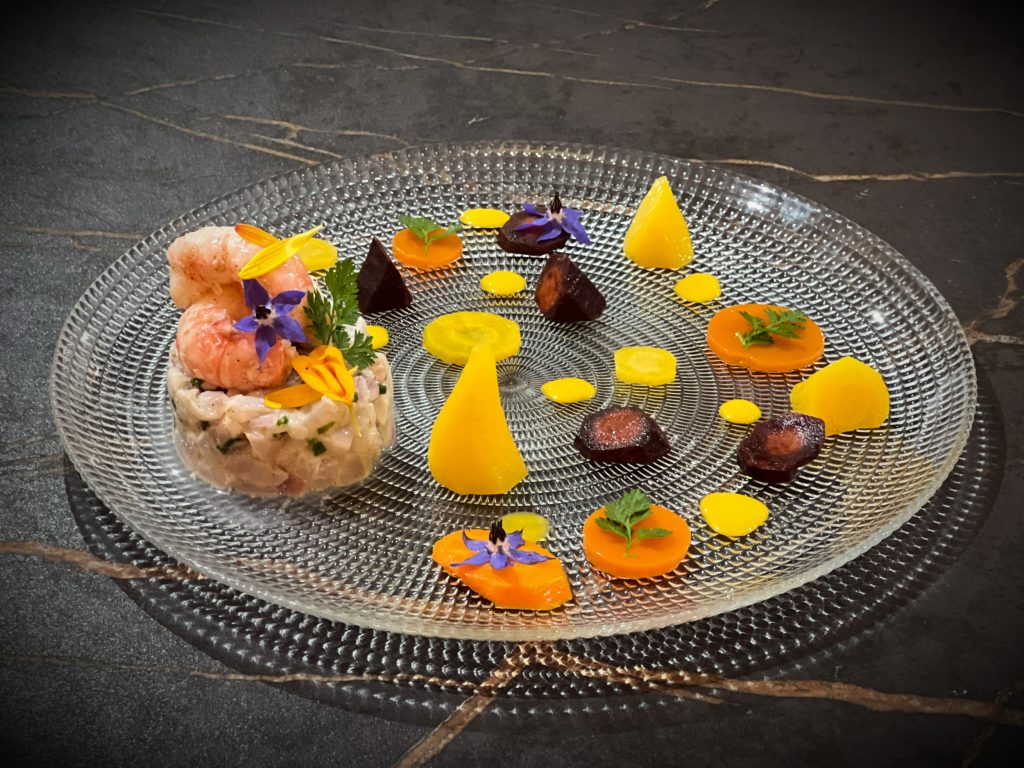
Chefs can exploit seasonal produce to maximize vibrancy, using elements that naturally come with striking hues. Here are some refined tips to achieve stellar color coordination:
- Contrast: A dining plate is much like a painter’s canvas, where lively colors against muted tones can make each element stand out prominently.
- Balance: While bold colors add appeal, balance is key to avoid visually overwhelming diners.
- Seasonal Ingredients: Embracing ingredients at the height of their growing season ensures both a burst of flavor and rich colors.
Color coordination not only enhances the visual appeal but also encourages chefs to delve deeper into their creative potential, inviting diners into an immersive experience.
4. Textural Variety
When it comes to engaging the senses, textural variety holds profound importance. Texture not only plays a role in the perception of taste but significantly enhances the overall sensory experience. A dish that offers a textural journey—from the crispness of a garnish cascading over the silkiness of a mousse to the succulence of tender meat—creates a symphony of sensations that elevates the dining experience to a memorable event.
Chefs can leverage texture in the following ways:
- Layering: Crafting layers in a dish, where each level has its distinct texture, stimulates the palate as it indulges in a complex interplay of sensations.
- Garnishes: Introduce garnishes like crunchy nuts or seeds to offer contrast against a softer base, adding dimensions to every bite.
- Cooking Techniques: Employ a mix of techniques such as grilling, roasting, or braising to naturally develop varied textures within a single dish.
Research from the University of Oxford supports that meals offering texture variance tend to be perceived as more flavorful and satisfying, highlighting the importance of this component in food presentation.
3. Artistic Tools and Techniques
Great art often demands the right set of tools and techniques, and culinary presentation is no exception. With the appropriate tools, chefs can craft intricate and elegant plate designs that are nothing short of a masterpiece. Utilizing equipment such as squeeze bottles for precision, spatulas for smooth coverage, and tweezers for placement aids in achieving meticulous and creative designs.
Here are a few techniques that can take presentation to the next level:
- Drizzling: Use squeeze bottles to achieve precision in drizzling sauces, adding a clean yet artistic touch.
- Layering with Twirls: Elevate the visual dynamics by stacking elements and incorporating twirls of purees for added height.
- Stencils and Molds: Stencils can introduce fun and creative shapes, while molds provide necessary structure and depth.
Whether you’re an experienced chef or a home cook, utilizing these artistic tools can transform any ordinary dish into extraordinary visual art, leaving a lasting impression.
2. Plate Selection
In the delicate art of presentation, the choice of plate acts as the canvas for your culinary expression. A plate’s shape, material, and color are all instrumental in framing the dish and enhancing its visual appeal. While the classic white plate remains a popular choice for making ingredients’ colors pop, experimenting with unique plate designs can add a narrative layer and make dining an engaging experience.
When selecting a plate, consider the following:
- Size: The plate should be well-proportioned to the portion size, allowing for both a practical and aesthetically pleasing presentation.
- Material: Elements like ceramic or glass bring their own textures and reflectiveness, modifying how the dish’s colors and textures are perceived.
- Shape: The geometry, whether round, square, or abstract, influences how the dish’s composition is visually interpreted.
Thoughtful plate selection not only serves as the backdrop for the meal but also subtly influences the diner’s perception and experience of the dish.
1. Storytelling Through Design
Food presentation reaches its zenith with the ability to convey a story through design. Each culinary creation can become a narrative, a testament to the chef’s personal inspiration and artistic vision. By weaving together colors, textures, and forms, chefs can tell a story that resonates with cultural undertones, seasonal references, or personal anecdotes, inviting diners to embark on a journey that transcends mere taste.
This storytelling begins with the narrative that inspired the dish. It could derive from a childhood memory, a cultural motif, or an abstract theme, guiding the presentation towards an emotional destination. Harmonizing ingredients with visual elements crafts not only a dish but a story with a beginning in the conceptualization, a middle in the visual composition, and an end in tasting.
Storytelling in food presentation is not just reserved for professional chefs; it’s a realm open to anyone passionate about food. Every home cook can bring personal stories to life through the act of cooking, leading each meal to be not just a feast for the stomach but for the heart and mind as well.
Ultimately, the art of food presentation is a complex but rewarding endeavor that engages chefs and diners alike. It challenges us to appreciate culinary creations beyond taste, elevating food to an art form that delights all the senses. By judiciously incorporating these five elements, one can transform any dish into a masterpiece, telling a unique story with each plate prepared.
In the world of culinary arts, presentation is often as vital as the flavors that dance on the palate. The theme “A Arte da Apresentação: Transformando Pratos em Obras de Arte” illustrates not only the importance of visual appeal in food but also its profound implications for diners and chefs alike. The following table delves into the advantages of this artistic approach to food presentation, highlighting key advantages and their beneficial aspects.
| Category | Description |
|---|---|
| Visual Appeal | Dishes that are beautifully presented enhance the overall dining experience, making meals more enticing and elevating them to a theatrical performance. |
| Emotional Connection | Artfully arranged meals can invoke emotions and memory, allowing diners to connect more deeply with the food through its aesthetic quality. |
| Impression and Feedback | A well-presented dish leaves a lasting impression on diners, often resulting in positive reviews and repeat customers, further enhancing the restaurant’s reputation. |
| Creativity in Culinary Arts | Presentation offers chefs a canvas to express their creativity, allowing them to experiment with colors, shapes, and textures to innovate traditional recipes. |
This perspective on culinary presentation is not merely about aesthetics. It’s about creating a multisensory experience that engages customers, igniting their imaginations, and turns each meal into a narrative worth sharing. With every plate, chefs have the power to evoke memories, stir emotions, and transform ordinary ingredients into extraordinary experiences. Through the art of presentation, dining becomes an exploration, where food is not just sustenance, but a form of art echoing culinary heritage and personal expression.
Frequently Asked Questions about “The Art of Plating: Transforming Dishes into Masterpieces”
What is the significance of plating in culinary arts?
Plating, often described as the art of food presentation, plays a crucial role in the culinary world. It’s not just about making food look attractive—it’s about creating an experience that enhances the flavors and textures of the dish. A well-plated dish can captivate the diner before the first bite, using the visual appeal to set expectations. Studies indicate that people eat with their eyes first, underscoring the importance of effective plating in gauging the initial response to a meal.
How do chefs achieve balance on the plate when creating artistic dishes?
Achieving balance in plating involves a careful consideration of color, texture, and portion size. Chefs often use the rule of thirds, inspired by principles in photography, to guide the distribution of elements on the plate. This method helps in creating a visually pleasing composition. The use of contrasting colors and textures is paramount; for example, pairing a smooth sauce with a crispy garnish can tantalize both the eyes and the palate. Ultimately, balance on the plate reflects the harmonious flavors within the dish itself.
Are there popular trends in culinary plating today?
Culinary plating is continuously evolving, with trends reflecting broader cultural influences and advancements in culinary techniques. Some notable trends include the use of asymmetrical designs, edible flowers, and the incorporation of new tools like tweezers for precision placement. Minimalism has also been a powerful trend, focusing on a clean and uncluttered presentation that emphasizes the quality of each ingredient. Observing current plating trends can be a fascinating way to see how visual art intersects with gastronomy.
What tools do chefs commonly use for intricate plating designs?
To achieve intricate designs, chefs frequently rely on a selection of specialized tools. These include squeeze bottles for sauces, plating tweezers for precise ingredient placement, and ring molds for creating uniform shapes. Additionally, tools like microplane zesters and palette knives can add intricate details. Each tool serves to refine the appearance of a dish, allowing the chef to channel their creativity effectively. Investing in the right tools can significantly elevate a chef’s ability to transform a dish into an edible work of art.
How can home cooks start experimenting with the art of plating?
Home cooks can easily start experimenting with plating by focusing on layout and simplicity. It’s beneficial to start with a white background (such as a plain white plate) to highlight the colors of the food. Arranging elements with intention—considering where each component should sit on the plate—can create a sense of sophistication. Embracing elements such as color contrasts and textural variety will further enhance the dish’s appeal. With a bit of practice and creativity, any home-cooked meal can become a canvas for culinary artistry.
Conclusion: The Art of Plate Presentation
In the captivating world of culinary arts, the presentation of a dish transcends mere aesthetics, becoming a crucial element of the overall dining experience. Our exploration into “The Art of Presentation: Transforming Plates into Works of Art” underscored this vital aspect, revealing how chefs artfully balance taste and visuals to create dishes that are truly multisensory experiences.
The journey through this topic highlighted five key takeaways. First, the importance of color in food presentation, where vibrant hues not only entice the eyes but also signal freshness and flavor. Second, the value of symmetry and balance in plate arrangement, ensuring each component contributes to a harmonious whole. Third, the use of textures adds both visual and tactile dimensions, enhancing the complexity of the dish. Fourth, the role of creative garnishing, which frames the dish and adds finesse. Finally, the artful selection of plates and utensils, where these seemingly peripheral elements unite to elevate the dining experience.
In the realm of creative hobbies, the art of presentation in culinary endeavors offers a compelling avenue for expression and innovation. As culinary enthusiasts or professional chefs, embracing these principles can turn everyday cooking into a celebrated art form. The impact of a beautifully presented dish extends beyond the plate, inviting diners to savor the experience and inspiring others in the culinary arts. As we continue to explore and push the boundaries of food presentation, the opportunity to engage with the senses and spark joy becomes unlimited. Indeed, this art form challenges us to see the plate not just as a vessel for food, but as a canvas awaiting creation.