
Exploring Creative Writing: How Writing Activities Can Stimulate Imagination
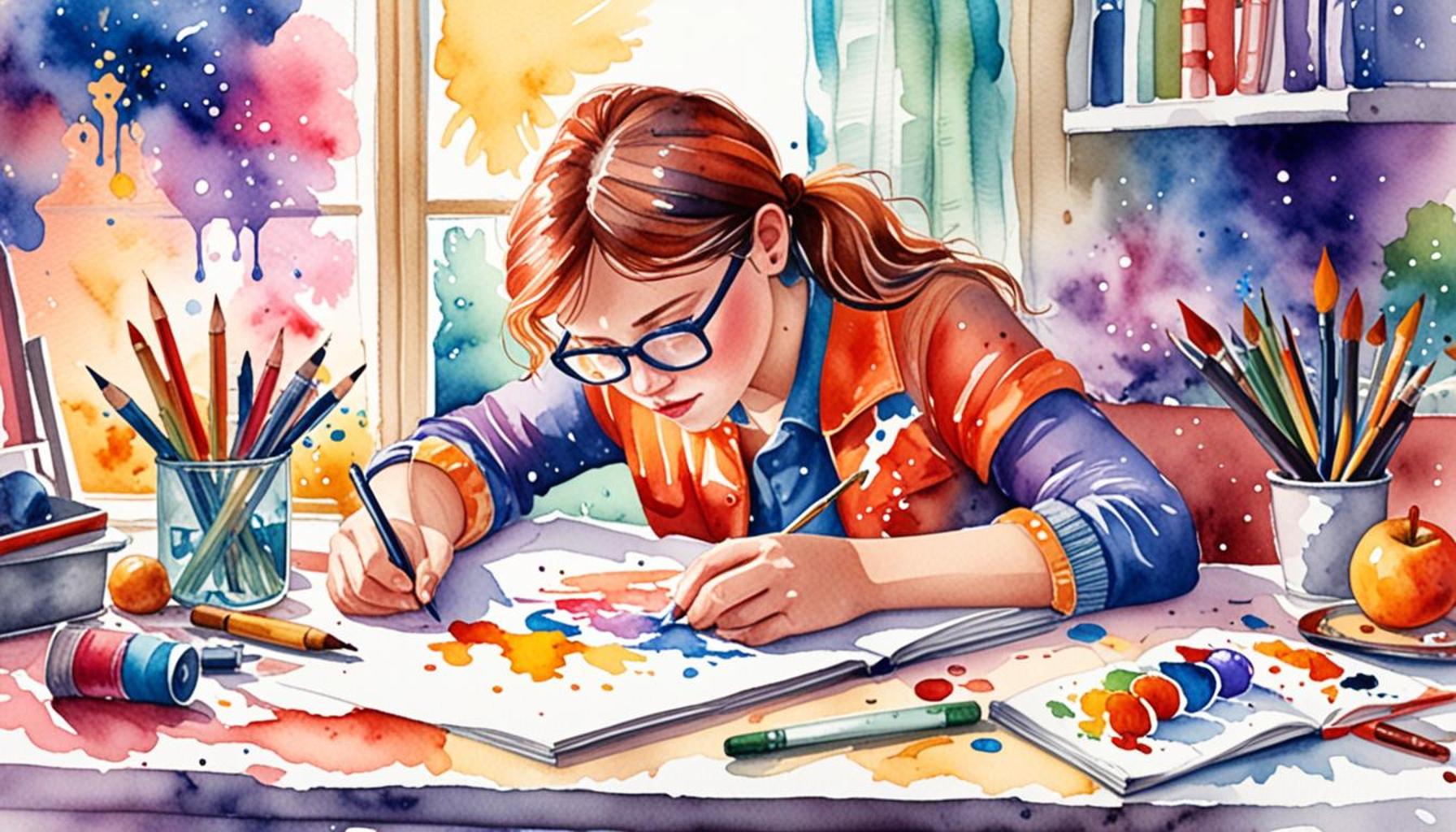
Unlocking Your Imagination Through Writing
Creative writing extends beyond mere skill; it is a transformative journey that immerses individuals in the boundless expanse of their imagination. Engaging in various writing activities serves not only as a means of expression but also as a powerful catalyst that can ignite creativity, leading to the transformation of abstract thoughts into compelling narratives. The act of writing can enhance personal and professional communication abilities, making it an invaluable asset in today’s increasingly fast-paced world.
Improving Expressive Skills: Writing encourages individuals to articulate their feelings, thoughts, and ideas clearly. For example, journaling allows for personal reflections, which can lead to better self-awareness and emotional intelligence. This improved expressiveness is imperative in both personal relationships and professional settings. In fact, businesses often prioritize employees who can communicate complex ideas effectively, underlining the practical importance of honing expressive skills through writing.
Enhancing Critical Thinking: Creative writing challenges writers to explore multiple viewpoints and solutions, fostering critical thinking skills. For instance, when crafting a character, a writer must consider diverse backgrounds and motivations, culminating in a rich, multi-dimensional figure that adds depth to the narrative. This practice can translate to real-world scenarios, where understanding various perspectives is crucial for problem-solving and collaboration.
Fostering Emotional Connection: Personal stories have the power to create profound connections with readers. Consider authors like Maya Angelou, whose autobiographical works resonate deeply, or contemporary writers like Chimamanda Ngozi Adichie, who often weave personal experiences into broader societal narratives. By telling their stories, writers not only reflect their own lives but also invite readers to connect emotionally and empathetically, enriching the reading experience.
Within the realm of creative writing, various forms and activities can help unlock the imagination further. For example:

- Free Writing: This technique encourages writers to let their thoughts flow onto the page without worrying about grammar or structure. It can uncover hidden ideas and lead to unexpected bursts of creativity. Many find it liberating, as it removes self-imposed limitations.
- Prompts and Challenges: Engaging in writing prompts can provide the inspiration needed to ignite new ideas. Websites and writing communities often host challenges that encourage participants to explore different themes or styles, keeping the writing process fresh and exciting.
- Group Collaborations: Working with others can lead to the development of unique narratives, as collaborative writing encourages exchanging ideas and constructing stories that might not arise in solitude. Workshops or local writing groups can be great venues for fostering these collaborations.
Regardless of whether you are a seasoned writer or a novice, these activities have the potential to open new avenues of thought and creativity. Every word penned can enhance your creative output and enrich your worldview. By diving into the fascinating landscape of creative writing, you may discover unexpected paths for your imagination to wander. So, grab that pen, start typing, and let your imagination take the lead! The possibilities are limitless.
DISCOVER MORE: Click here to enhance your literary skills
Unleashing Creativity Through Artistic Expression
As we delve deeper into the impact of creative writing, it becomes evident that various activities serve as not only speed bumps along the challenging road of self-expression but as stepping stones that lead to a richer, more imaginative landscape. By engaging with different writing formats and styles, individuals can coax their creativity out of hiding. This journey of personal exploration often results in improved problem-solving skills and innovation, both essential traits in a world that increasingly values unique thinking.
The Power of Poetry: One of the most potent forms of creative writing is poetry, which allows writers to distill complex emotions and thoughts into concise and powerful expressions. Crafting poetry demands attention to language and structure, compelling the writer to engage with their feelings and ideas on a deeper level. Various forms of poetry, such as sonnets, haikus, or free verse, can push writers to experiment with language and rhythm, ultimately expanding their creative horizons. Not only does poetry build an appreciation for language, but it also invites writers to explore themes like love, loss, and nature, encouraging deeper reflection.
The Role of Storytelling: Storytelling is perhaps the oldest form of creative writing and continues to be an essential method for imagination stimulation. Building a narrative requires a thoughtful approach to character development, plot structure, and setting. Writing short stories or novels not only captivates readers but also offers the writer an opportunity to explore vast realms of possibility. This narrative crafting involves world-building, where the combination of realistic details and fantasy elements can transport both writer and reader into a different existence. Through storytelling, an author can explore societal challenges, personal struggles, or even whimsical tales—all fueled by their imagination.
Experiments with Genre: Venturing into various genres—from science fiction to romance, historical fiction to magical realism—can further invigorate creativity. Each genre comes with its conventions and expectations that can push writers to devise innovative ideas or twist traditional narratives. This genre exploration helps writers tap into distinct styles and tones, unveiling unique approaches to common themes. Readers in the United States, for instance, are increasingly drawn to diverse voices and hybrid genres, often breaking boundaries and redefining what storytelling can achieve.
Benefits of Writing Workshops: Participating in writing workshops or classes can also serve as a powerful tool in stimulating imagination. Collaborating with peers often leads to invaluable feedback, fresh perspectives, and exposure to different writing techniques. Workshops create a supportive environment where ideas can flow freely, promoting a culture of experimentation and inspiration. They hold the influence of shared experiences, allowing writers to draw lessons from their peers while refining their own craft.
The landscape of creative writing is rich with opportunities for self-discovery and growth. By participating in varied writing activities, individuals can unleash their latent creativity and spark dialogues that resonate beyond their written words. Whether through poetry, storytelling, or collaborative efforts, each activity emerges as a pivotal element in understanding the true power of imagination.
Exploring Creative Writing: How Writing Activities Can Stimulate Imagination
Engaging in creative writing activities provides a dynamic way to enhance our imaginative faculties. Within the realm of writing, various exercises and formats can serve as tools to ignite creativity and stimulate mental exploration.
Journaling: A Gateway to Self-Discovery
Journaling is one of the simplest yet most profound forms of creative writing. By regularly recording thoughts and experiences, writers begin to explore their inner worlds. This practice not only helps to document personal growth but also encourages introspection and emotional clarity. As individuals reflect on their daily lives, they often uncover unique narratives and insights that can reignite their creative sparks.
Story Prompts: Unleashing the Unknown
Writing prompts serve as excellent catalysts for creativity. By providing a starting point, they encourage writers to think outside the box and formulate stories or ideas that they might not have considered otherwise. These prompts can take various forms, such as a sentence, a word, or even an image. As writers dive into these exercises, they stretch their imaginative boundaries, often resulting in unexpected and original outcomes.
Role-Playing: Immersive Storytelling
Engaging in role-playing scenarios can significantly enhance imaginative writing. By stepping into the shoes of different characters or personas, writers can explore various perspectives and emotions. This practice allows for a deeper understanding of character development and conflict resolution, enriching the writing process. Through these immersive experiences, creativity flows more freely, and stories become more compelling.
Collaborative Writing: Collective Imagination
Working with others on creative writing projects fosters a unique environment for inspiration. Collaborative writing encourages individuals to share ideas, provide feedback, and bounce concepts off one another. This interaction promotes a richer and more diverse creative output, as each person’s perspective contributes to the larger narrative. Ultimately, this communal effort can lead to groundbreaking storytelling.
| Category | Advantages |
|---|---|
| Journaling | Encourages introspection and emotional clarity. |
| Story Prompts | Stimulates original thought and creative flow. |
| Role-Playing | Enhances character development and emotional depth. |
| Collaborative Writing | Leads to diverse storytelling through shared ideas. |
These creative writing activities not only hone artistic skills but also cultivate a deeper understanding of human experiences and narratives. By actively engaging in such exercises, writers can expand their imagination and enhance their ability to communicate complex ideas with creativity and clarity.
DISCOVER MORE: Click here to enhance your literary skills
Navigating New Perspectives Through Writing Prompts
Writing prompts offer a potent catalyst for sparking creativity and igniting the imagination. These brief suggestions challenge writers to think beyond their usual boundaries, encouraging them to investigate unfamiliar ideas and themes. Whether it’s a single sentence, a question, or a scenario, prompts function as a launchpad for a writer’s imagination, inviting them to explore uncharted territories.
The Variety of Prompts: From visual cues to sentence starters, the options for writing prompts are virtually limitless. For instance, a quick internet search yields a myriad of prompts ranging from the whimsical, such as “Write about a day in the life of your pet,” to the profound, like “What would you do if fear was no longer a factor in your life?” This diversity allows individuals to tailor their writing exercises according to their own interests and emotional states. Incorporating themes that resonate personally can make writing even more engaging and rewarding.
Structured Exercises for Unplugging Creativity: Structured writing exercises, such as timed free writing, can provide another valuable approach to stimulating imagination. Free writing involves setting a timer and writing continuously without self-editing, which fosters a stream-of-consciousness flow. This technique liberates writers from the constraints of self-criticism and cultivated social expectations, allowing for raw, unfiltered creativity to emerge. According to research from the National Association of Writers in Education, many writers note a significant uptick in ideation when embracing the free-writing method, emphasizing the power of spontaneity.
Interactive Writing Games: Promoting creativity doesn’t have to be a solitary endeavor. Engaging in interactive writing games, such as story dice or collaborative storytelling, can elevate the experience. For example, group dynamics at workshops or social gatherings can inspire unexpected narratives as participants contribute ideas in real-time. Platforms like “Story Cubes” encourage writers to use random images to create cohesive tales, blending spontaneity with creativity. These games reinforce the idea that collaboration can lead to richer storytelling experiences than solitary writing sessions might offer.
Exploring the Digital Landscape: The digital age has also ushered in a variety of writing apps and online platforms that foster creativity. Websites like Wattpad or Medium offer community-driven spaces where writers can share their work, receive feedback, and connect with a supportive audience. Social media platforms like Instagram and TikTok have popularized micro-narratives through storytelling practices like “flash fiction” and “story threads,” expanding the reach of creative writing to non-traditional formats. These digital interactions not only encourage participation among aspiring writers but also provide inspiration through diverse storytelling styles from around the world.
The multifaceted approaches to writing activities available today significantly empower writers to explore their imagination in ways previously unconsidered. Through writing prompts, structured exercises, collaborative games, and digital platforms, the possibilities for creativity are endless. Each element plays a crucial role in cultivating imagination, leading individuals to uncover new facets of their writing potential while transforming their relationship with the written word.
DIVE DEEPER: Click here to discover creative writing activities
Conclusion: Unleashing Creativity Through Writing Activities
In an era where the power of storytelling resonates louder than ever, exploring creative writing serves as an essential tool for unlocking one’s imagination. From the diverse landscape of writing prompts to the engaging practices of structured exercises and collaborative games, the methods available today empower individuals to venture beyond conventional boundaries. Each activity not only refines technical skills but also fosters a deeper connection with self-expression, ultimately enhancing one’s capacity for imaginative thinking.
The modern integration of technology stands as a testament to the evolving nature of writing. With the advent of digital platforms, aspiring authors can share their work, connect with peers, and draw inspiration from a vast pool of narratives across the globe. These resources are invaluable in creating a vibrant writing ecosystem, illustrating that creativity thrives best in an environment rich in diversity and interaction.
As we delve into writing activities, it becomes clear that the benefits extend beyond the written word—these practices cultivate emotional intelligence and promote personal growth. Writers find themselves equipped not just with a pen or keyboard, but with tools for introspection and exploration of complex ideas. Encouraging experimentation and risk-taking further enriches this journey, allowing imaginative voices to emerge and flourish.
Ultimately, the art of writing beckons everyone to participate in its rich tapestry. Whether you are a novice or an established author, engaging in creative writing activities can ignite new pathways in your imagination. So, pick up that pen or open your laptop; the world of storytelling is waiting for your unique voice.