The Therapeutic Impact of Crafts: Developing Skills and Reducing Stress
Unveiling the Therapeutic Benefits of Crafting
Engaging in crafts is more than just a pastime; it offers significant benefits for both mental and physical well-being. As the pace of modern life accelerates, many individuals are seeking solace in creative activities, leading to a notable shift in how we perceive hobbies. This newfound interest has sparked extensive research aimed at understanding how crafts can serve as a therapeutic outlet. From urban areas bustling with creativity to rural communities finding joy in traditional techniques, the spectrum of crafting provides a healing touch that resonates with people from all walks of life.
Crafting presents unique advantages that go beyond mere recreation. Firstly, the skill development involved in crafting allows participants to learn new techniques, whether it’s picking up crochet needles or mastering the art of watercolor painting. This hands-on experience not only enhances one’s skill set but also significantly boosts confidence, as creators can take pride in their tangible accomplishments. For instance, someone who learns to sew may initially struggle with threading a machine but is often astonished to discover the joy of making their own clothing or gifts.
Another key benefit is stress reduction. The repetitive motions and focused attention required in activities such as knitting, woodworking, or even adult coloring can promote a state of relaxation and mindfulness. The therapeutic repetitive motion of these activities can quiet the mind’s chatter, similar to the effects of meditation. A study published in the Journal of Neuropsychology found that individuals who engaged in creative activities exhibited lower levels of anxiety and higher levels of emotional resilience.
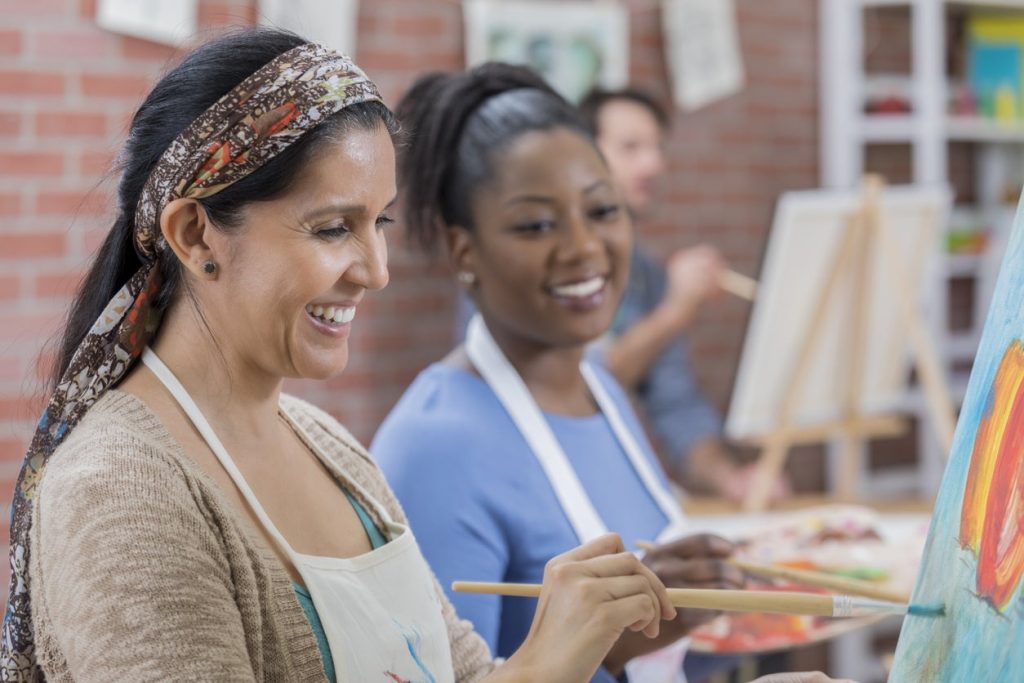
Moreover, crafting encourages community connection. Participating in group crafting sessions, like quilting bees or pottery classes, offers valuable social interaction, helping to reduce feelings of isolation. In a world where many struggle with loneliness, the act of coming together to create fosters new friendships and support networks. Online platforms and local events alike have risen in popularity, showcasing how crafts can unite people through shared interests and experiences.
Research indicates that creative activities, like knitting, painting, or pottery, can initiate positive psychological changes. The act of creating encourages individuals to divert their attention from everyday worries, allowing them to immerse themselves in the present. This engagement not only cultivates patience but also nurtures problem-solving abilities and innovation. As one learns to navigate challenges inherent to crafting—be it fixing a mistake in a painting or figuring out a complex knitting pattern—they develop transferable skills applicable in daily life.
As we delve deeper into the therapeutic impact of crafts, it becomes clear that they hold remarkable potential as tools for mental health treatment. Many therapists are increasingly incorporating crafting into their sessions, utilizing its calming effects to aid clients dealing with anxiety, depression, or trauma. Whether you are a seasoned artisan or a curious beginner, exploring the myriad therapeutic benefits of crafting can lead to a more fulfilling and balanced life. This journey into creativity not only enriches our own lives but can also help us connect with and inspire others along the way.
DISCOVER MORE: Click here to enhance your literary skills
Crafting as a Pathway to Skill Mastery
When individuals immerse themselves in crafting, they embark on a journey that not only encourages creativity but also significantly enhances their skill development. Each crafting activity, whether it be knitting, pottery, or woodworking, involves mastering a particular set of techniques that can lead to a profound sense of accomplishment. This sense of achievement is essential in building self-esteem and resilience. According to the American Psychological Association, engaging in skill-oriented activities can contribute to personal growth and emotional stability, fostering a stronger sense of self.
Skills developed through crafting can be broadly categorized into several key areas:
- Fine Motor Skills: Many crafts involve intricate hand movements that enhance dexterity and coordination. Activities such as painting or beadwork require precise manipulation, which improves overall motor skills over time.
- Problem-Solving and Critical Thinking: Crafts often present unexpected challenges, whether it’s figuring out how to assemble a complicated model or correcting a mistake in a painting. Tackling these hurdles encourages individuals to think critically and develop solutions.
- Time Management: Completing a craft project requires planning and organization. Creators learn to break larger tasks into smaller steps, promoting effective time management.
- Creativity and Innovation: Crafting nurtures original thought as individuals learn to express themselves. Experimenting with colors, textures, and techniques stimulates innovation and opens up new avenues of creative expression.
As individuals engage in these activities, they also experience a decrease in stress levels. Research confirms that crafting induces a state of flow—a term used to describe a mental state of complete absorption in a task. This state can lead to a temporary respite from anxiety, providing a sense of calm and purpose. A study from the University of Otago, conducted in New Zealand, demonstrated that participants reported lower blood pressure and reduced cortisol levels after completing crafting activities. This physiological response further illustrates how crafting can effectively reduce stress.
The playful nature of crafting allows individuals to explore their creative side, which can be particularly beneficial in today’s fast-paced world. By channeling their energies into making something with their hands, creators not only develop new skills but also foster emotional resilience. This creative outlet can serve as a crucial coping strategy for those facing personal challenges or stressors in their daily lives.
Incorporating crafting into one’s routine can lead to long-term benefits. Not only does it offer a means to unwind and detach from daily pressures, but it also builds a foundation for lifelong learning and self-improvement. As we explore the multifaceted impact of crafts, the connections between skill development and stress reduction become increasingly evident, underlining the importance of these creative outlets in promoting mental health and well-being.
The Therapeutic Benefits of Crafting
Engaging in crafts can serve as a form of therapy, promoting mental well-being and enhancing emotional resilience. Through the repetitive motions involved in arts and crafts, individuals can experience a meditative state, reducing anxiety and stress levels significantly. Crafting provides a productive outlet, allowing individuals to channel their energy into creative projects that yield tangible results.
Building New Skills
Participating in craft activities encourages the development of new skills, from sewing to woodworking, which can foster a sense of accomplishment. This growth not only boosts confidence but also enhances problem-solving abilities. Learning to overcome challenges in crafting can translate to improved resilience in everyday tasks, making this a valuable practice for individuals of all ages.
Community and Connection
Crafting can also provide vital opportunities for social interaction. Projects can be shared within communities, whether in-person or online, fostering connections among crafters and motivating individuals to collaborate on creative ventures. This sense of belonging can significantly impact mental health, as social connections are integral in combating feelings of loneliness and depression.
The Role of Mindfulness in Crafting
Crafting inherently encourages mindfulness, requiring focus and presence in the moment. When individuals engage in these activities, they often find themselves immersed in the process, which can alleviate the pressures of daily life. The act of creating serves not only as a distraction but also as a form of self-expression, allowing individuals to explore their emotions and express their feelings through art.
| Advantage | Impact |
|---|---|
| Skill Development | Boosts confidence and adaptability by learning new techniques. |
| Stress Relief | Encourages relaxation and reduces anxiety through focused creativity. |
| Social Interaction | Facilitates connections with others, building a supportive community. |
| Mindfulness Practice | Promotes awareness and presence, helping individuals manage distractions. |
DISCOVER MORE: Click here to dive into global culinary inspirations
The Psychological Benefits of Crafting
Beyond the tangible skills developed through crafting, the psychological benefits offer a profound impact on mental well-being. Engaging in creative processes facilitates self-expression and can serve as a powerful outlet for emotions. Artistic creation—whether through painting, sewing, or sculpting—allows individuals to communicate feelings that might be difficult to verbalize. This process is particularly valuable for those coping with trauma or mental health issues, as it can help articulate complex emotions and encourage healing.
Additionally, crafting fosters a sense of community and connection. Many crafting disciplines, such as quilting, scrapbooking, or pottery, often involve group settings where individuals come together to share their passion. According to a study published in the Journal of Positive Psychology, social interactions during crafting activities alleviate feelings of loneliness and boost overall happiness. Engaging with peers in a welcoming environment can further enhance social skills, critical for personal and professional development.
The repetitive nature of many craft activities also introduces a form of mindfulness. As crafters focus on their techniques, they become absorbed in the present moment, inadvertently practicing mindfulness—a state linked to reduced anxiety and improved emotional regulation. A study from the British Journal of Occupational Therapy found that participants who engaged in crafting experienced a significant decrease in negative feelings and a notable improvement in mood. The calming effects of focusing on a creative task can act as a buffer against the pressures of everyday life, fostering greater emotional balance.
Crafting and Stress Relief: The Science Behind the Relaxation
Crafting doesn’t merely distract from stress; it actually promotes physiological responses that contribute to relaxation. The act of creating triggers a release of endorphins, the body’s natural feel-good chemicals. According to research conducted by the University of California, participating in creative activities leads to a twofold increase in happiness levels. This biological reaction explains why so many individuals feel invigorated and rejuvenated after a crafting session.
Moreover, therapeutic crafting has been widely adopted in clinical settings, with programs designed specifically for those dealing with mental health challenges. Programs that integrate crafts can be a pivotal part of treatment, helping individuals cope with conditions such as anxiety, depression, and PTSD. A notable example is the use of knitting as a part of cognitive behavioral therapy, which not only assists in reducing anxiety but also provides a constructive outlet for patients to channel their emotions positively.
Research conducted by the Craft Yarn Council indicates that approximately 70% of knitters and crocheters reported that these activities significantly helped them manage stress and anxiety levels, reinforcing the assertion that crafting is not merely a pastime but a legitimate form of therapy. As participants engage in these soothing activities, they also cultivate patience and focus, which are vital skills for navigating life’s challenges.
Ultimately, the therapeutic impact of crafts is a multidimensional phenomenon that encompasses skill development, emotional regulation, social connectivity, and stress reduction. Evidence continuously mounts to support the profound benefits crafting brings not only to individuals but also to mental health as a whole, prompting further exploration into how such creative avenues can be fully integrated into wellness strategies.
DISCOVER MORE: Click here to learn about the impact of manual skills
Conclusion: Harnessing the Healing Power of Crafts
In summary, the exploration of crafting as a therapeutic outlet unveils a wealth of benefits that extend beyond surface-level enjoyment. From enhancing fine motor skills to fostering emotional expression, each artistic endeavor promotes personal growth while simultaneously mitigating stress. As individuals engage in various crafting activities, they not only cultivate patience and perseverance but also discover pathways to emotional healing and resilience.
The communal aspect of crafting fosters connections, enriching social interactions in environments that prioritize shared creativity. This sense of belonging is especially beneficial in combating feelings of loneliness, underscoring the integral role crafting plays in our social fabric. Furthermore, the meditative qualities of repetitive craft activities create opportunities for mindfulness, enabling participants to focus entirely on the present moment—a practice proven to alleviate stress and anxiety.
Recognizing the profound therapeutic potential inherent in crafting opens opportunities for integrating creative practices into conventional wellness strategies. Whether through community programs or personal pursuits, introducing craft sessions as a component of mental health treatment can serve as a powerful catalyst for change. As we continue to unpack the psychological benefits of crafts, it becomes clear that these creative endeavors do not merely fill time; they serve as essential tools for enhancing mental well-being and cultivating a more fulfilling life.
The journey through crafts is an invitation for everyone to explore and experience the vast therapeutic landscapes of creativity—so why not pick up some supplies and start your journey today?