Exploring the Art of Baking: Techniques and Recipes for Beginners

Discovering the Joy of Baking
Baking transcends mere food preparation; it embodies a fusion of science, creativity, and heartfelt expression. Many newcomers to the kitchen may feel daunted by the myriad of steps involved, but the truth is, with the right techniques, a splash of enthusiasm, and a little guidance, anyone can whip up delightful desserts and savory treats that are sure to impress.
Essentials of Baking
To embark on your baking journey, understanding the basics is paramount. Here are some essential elements to consider:
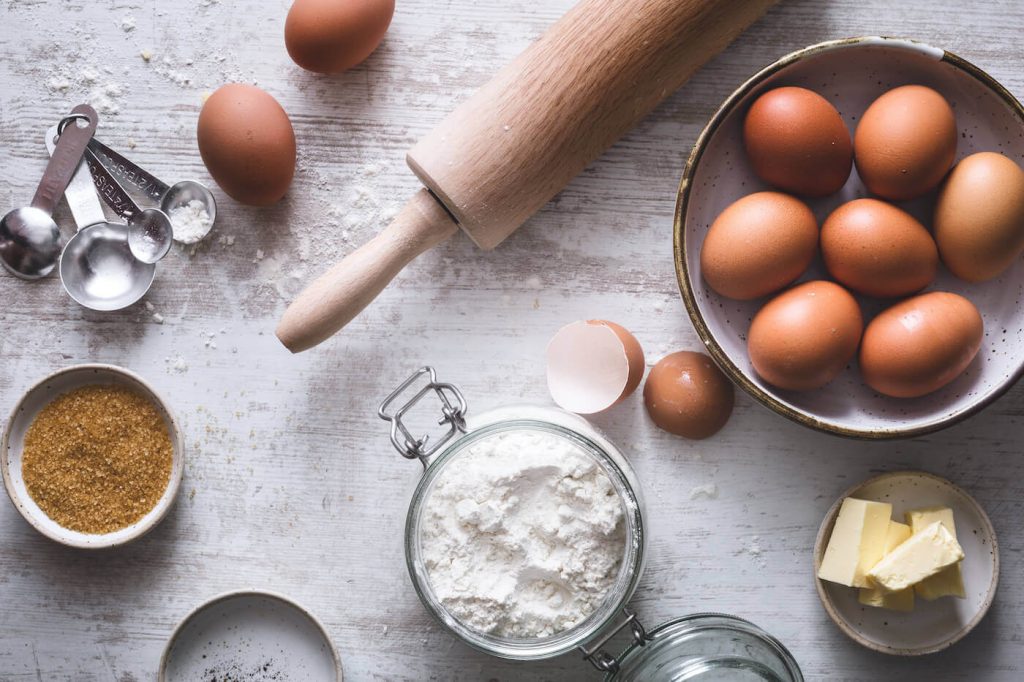
- Ingredients: The foundation of any baked good lies in its ingredients. Freshness and quality are crucial. For instance, opting for organic flour, pure vanilla extract, or high-grade chocolate can elevate your recipes significantly. In addition to flour, sugar, and butter, don’t forget leavening agents like baking powder and baking soda, which help your creations rise perfectly.
- Tools: Investing in quality baking tools makes a world of difference. Essential items include mixing bowls, measuring cups, and spoons, as well as a reliable oven thermometer. For those venturing into specifics, consider acquiring a stand mixer for effortless mixing or a pastry cutter for perfecting crusts.
- Techniques: Mastering basic techniques such as mixing, kneading, and accurate measuring is vital. For example, using the “creaming method” to combine sugar and butter creates a fluffy texture in cakes. Another essential skill is knowing how to fold ingredients without losing air, which is key in recipes for meringues and soufflés.
The Endless Possibilities
The beauty of baking lies in its variety. From the comforting aroma of classic chocolate chip cookies straight from the oven to the intricate designs of French pastries, the options available are limitless. Each recipe holds an opportunity for creativity; you can substitute ingredients based on dietary preferences or personal tastes, allowing for innovation in every bake.
The Joy of Sharing
What truly makes baking fulfilling is the joy of sharing. The simple act of presenting a beautifully frosted cake or a tray of cookies to friends and family can bring people together. The enchanting aroma of freshly baked goods wafting through the house not only signals warmth and comfort but also serves as a delightful invitation for loved ones to gather and enjoy each other’s company.
Embarking on Your Baking Adventure
This article aims to guide you through a collection of beginner-friendly recipes and techniques designed to boost your kitchen confidence. Whether you’re aiming to perfect the quintessential American pie or explore the nuances of artisan bread making, you are bound to discover something that excites your taste buds and becomes a cherished memory for your family. Buckle up for a delectable adventure in the world of baking, where every bite is steeped in creativity and passion!
DISCOVER MORE: Click here to unlock your creative potential
Getting Started: Key Baking Techniques
As a budding baker, familiarizing yourself with fundamental techniques can enhance your experience and elevate your baked goods. The art of baking is as much about understanding the science behind the ingredients as it is about the creative process. Let’s explore some vital techniques that every beginner should master to lay the groundwork for baking success.
Measuring with Precision
Accurate measurement of ingredients is crucial in baking, where precision can make or break a recipe. Unlike cooking, which often allows for a bit of improvisation, baking requires a more scientific approach. Here are some tips for efficient measuring:
- Dry Ingredients: Utilize a dry measuring cup for flour, sugar, and cocoa powder. Always spoon the ingredient into the cup and level it off with a straight edge for accuracy.
- Liquid Ingredients: Use liquid measuring cups with a spout, ensuring your eye is level with the measurement line for an accurate reading.
- Weight Measurements: When possible, consider using a kitchen scale. This method allows for the most precise measurements, which is especially beneficial for complex recipes.
Understanding Mixing Methods
The way you mix ingredients can significantly affect the final texture and flavor of your baked goods. Here are a few common mixing methods you should know:
- Creaming: This method involves beating sugar with butter until the mixture becomes light and fluffy, incorporating air for a tender cake texture.
- Folding: Gently incorporating delicate ingredients like whipped egg whites or whipped cream into a thicker batter while maintaining their volume is essential for items like soufflés.
- Kneading: In bread making, kneading develops gluten, making the dough elastic and resulting in that characteristic chewy texture. Aim for a smooth, firm dough that springs back when pressed.
Temperature Tips
The temperature of both your ingredients and your oven can influence your baking. Here are some considerations to keep in mind:
- Room Temperature Ingredients: Many recipes specify that ingredients like butter and eggs should be at room temperature. This ensures a smooth, even batter and better mixing.
- Oven Calibration: An oven thermometer can help you make sure your oven is set to the correct temperature, as inaccuracies can lead to overbaking or underbaking.
- Cooling Times: Allow baked goods such as cakes and cookies to cool before serving to ensure the best texture and flavors.
By mastering these foundational techniques, you will be well-equipped to tackle a range of baking recipes. In the following sections, we will dive into practical recipes that incorporate these skills, helping you to build your confidence in the kitchen and create delicious treats that you can share with family and friends. With practice, patience, and a sprinkle of creativity, you’ll soon discover that baking is not only about following a recipe but also about the joy it brings and the memories it creates.
Exploring Essential Baking Techniques
When beginning the journey into baking, understanding the fundamental techniques is vital. For instance, mastering the basic methods such as creaming, which involves beating sugar and fat together to incorporate air, can significantly enhance the texture of your baked goods. Similarly, learning the art of folding delicate mixtures, like meringues into batter, is crucial for achieving a light, airy consistency in cakes and soufflés.Another indispensable skill is kneading, which is essential for developing gluten in bread dough. This process allows loaves to rise beautifully. Additionally, familiarizing yourself with various baking times and temperatures can transform your results. Using an oven thermometer ensures that you achieve the desired outcome consistently, making your baking more reliable and enjoyable.
Delicious Beginner-Friendly Recipes
To successfully embark on your baking adventure, beginning with simple, beginner-friendly recipes is advisable. Start with classic options like chocolate chip cookies, which require just a handful of ingredients and provide quick satisfaction. With just the right proportions and a keen eye on your baking time, you can achieve that perfect golden-brown finish. Consider also trying your hand at banana bread, a forgiving recipe that allows for creativity and experimentation with add-ins like nuts or chocolate chips. Once you feel comfortable with these basics, explore other beginner-level recipes like scones or pancakes. Each recipe offers a chance to refine your skills while gradually increasing your confidence in the kitchen.
The Importance of Ingredient Quality
In baking, the quality of your ingredients can make a remarkable difference in your outcome. Fresh ingredients such as free-range eggs or high-quality flour can elevate even the simplest recipes. Understanding the role each component plays allows for better decision-making when choosing substitutes or adjusting recipes.Baking is as much a science as it is an art. As you explore these techniques and recipes, you will gain a deeper appreciation for the intricacies involved in creating delicious baked goods. Embrace the journey, and let your culinary skills flourish!
DISCOVER MORE: Click here to learn about the power of manual skills
Essential Techniques for Perfecting Your Baking Skills
Once you’ve grasped the basic techniques of measuring, mixing, and temperature control, there are a few more essential skills to add to your baking repertoire. These techniques will help ensure that your baked goods turn out just as expected and open the door to even more complex recipes. Let’s explore these key baking methods that every beginner should master.
Mastering the Art of Whipping
Whipping is a crucial technique in baking, particularly for recipes requiring aeration. By incorporating air into mixtures, whipped ingredients can help lend volume, lightness, and a delightful texture to your baked treats. Here are a couple of common whipping methods:
- Whipping Egg Whites: When beating egg whites, it’s essential to start with clean equipment, as any grease or oil can hinder the whipping process. Use a mixing bowl made of glass or metal, and ensure no yolk is present in the whites. Whip until they form stiff peaks for use in meringues or soufflés.
- Heavy Cream for Whipped Toppings: Similar to egg whites, heavy cream can be whipped to soft or stiff peaks. Whip using cold equipment, and do not over-beat, as it can lead to the formation of butter.
Launching into Layering Techniques
Layering techniques can significantly enhance the presentation and flavor of your baked goods, particularly cakes. Here are a couple of methods to explore:
- Cake Filling: To create a layered cake, bake two or more layers and fill them with frosting, fruit preserves, or creams. Ensure the cakes have cooled completely to prevent melting or sliding.
- Layering Flavors: Infuse cakes and pastries with additional flavors by alternating between different batters or adding spices and extracts in layers. This technique not only adds depth but also creates a visually appealing multi-colored effect.
Incorporating Techniques for Special Occasions
As you grow more comfortable with baking, you might want to try your hand at special occasion items, such as pies or pastries. These often require additional techniques to achieve that perfect finish:
- Pie Crusts: When making pie crusts, the “cut-in” method is key. This involves combining cold butter with flour until the mixture resembles coarse crumbs, allowing for a flaky crust.
- Pasta Dough for Fresh Pastries: If you’re feeling adventurous, explore homemade pasta for recipes like ravioli or lasagna. The key to pasta is kneading effectively to achieve a smooth, elastic dough.
Understanding Adjustments for Elevation and Alchemy
For those living in areas at high elevations, adjustments in recipe ingredients and baking time may be necessary due to lower air pressure. Here’s what to consider:
- Decrease Leavening Agents: At high altitudes, it might be beneficial to reduce the amount of baking powder or baking soda to prevent overly rapid rising.
- Increase Liquid Ratios: Baking may require adjustments of additional liquid to compensate for quicker evaporation, ensuring your end products remain moist and tender.
With these essential techniques in your baking toolkit, you are now prepared to embark on a world of baking possibilities. Each technique opens a pathway to creativity in the kitchen, empowering you to try your hand at an array of scrumptious delights. From festive layer cakes to classic pastries, the success of your baking journey hinges on mastering these fundamental skills before diving into your next exciting recipe adventure.
DON’T MISS: Click here to dive deeper
Conclusion: Your Baking Journey Awaits
As you conclude your exploration of the art of baking, you’ll find that the techniques and skills you’ve gained are just the beginning of a rewarding culinary adventure. From whipping up airy meringues to mastering the delicate touch needed for layering cakes, each new method enhances not only your baked goods but also your confidence in the kitchen. Remember, the beauty of baking lies in its flexibility and the creativity it inspires—don’t hesitate to experiment with flavors and decorations that reflect your personal taste.
Moreover, as you tackle recipes tailored for special occasions or adapt to the nuances of high-altitude baking, you’ll develop a deeper understanding of how science and art intertwine in the baking process. This understanding is crucial for beginners looking to elevate their skills from simple loafs to intricate croissants or celebration cakes.
With every whisk, stir, and bake, you’ll be honing a craft that has been cherished across cultures and generations. So, gather your ingredients, preheat your oven, and embrace the delicious possibilities that await. By keeping yourself open to learning and creativity, you are well on your way to becoming not just a competent baker, but a true creator of culinary delights. Dive into that next recipe with excitement—and remember, every baked good is a testament to your evolving skills and passion for baking!