
Sustainable Cuisine: How to Incorporate Local and Organic Ingredients into Your Dishes

Discover the Benefits of Local and Organic Ingredients
In today’s culinary landscape, the concept of sustainable cuisine has gained immense popularity. Chefs and home cooks alike are increasingly turning to local and organic ingredients as they seek to create dishes that are not only delicious but also environmentally friendly. The shift towards this culinary approach can be attributed to several compelling reasons.
- Freshness and Flavor: Local ingredients often retain more nutrients and offer vibrant flavors compared to imported goods. For instance, tomatoes picked at the peak of ripeness have a sweetness and acidity that far surpasses those harvested weeks in advance for transport. This enhanced flavor profile not only elevates dishes but also enriches the overall dining experience.
- Support for Local Farmers: Sourcing from nearby farms boosts local economies and reduces transportation emissions. When you buy a head of lettuce grown just miles away, you are directly contributing to the livelihood of farmers in your community. In regions like California’s Central Valley, farmers become pivotal to local food systems, encouraging agricultural practices that are economically and environmentally sustainable.
- Seasonal Diversity: Emphasizing seasonal produce encourages a varied diet through the year. Enjoying strawberries in the summer and squash in the fall not only enhances your meals’ vibrancy but also encourages creativity in the kitchen. This seasonal approach helps to cultivate a deeper connection to the cycles of nature, reminding us of the bounty each season brings.
- Health Benefits: Organic farming practices minimize exposure to harmful pesticides, resulting in healthier options. Research suggests that organic fruits and vegetables often contain higher levels of antioxidants and essential nutrients, making them a preferred choice for health-conscious consumers. Choosing organic not only supports your health but also fosters an agricultural system that prioritizes environmental integrity.
Incorporating these ingredients into your cooking doesn’t have to be daunting. Whether you’re a seasoned chef or a novice in the kitchen, there are simple and practical ways to make sustainable choices. Start small—replace one or two conventional ingredients in your favorite recipes with local or organic alternatives and notice the difference.
Exploring Ways to Go Sustainable
Ready to embrace sustainable cuisine? Start by visiting your local farmers’ market, where you can meet the farmers behind your food while selecting the freshest produce. Many cities and towns host special events where local chefs create dishes highlighting these ingredients, making it an enjoyable outing. Additionally, consider joining a community-supported agriculture (CSA) program, which offers a subscription box of seasonal produce delivered straight from the farm to your doorstep. This not only supports local agriculture but also introduces you to new foods that can inspire culinary creativity.
Online platforms have also emerged, connecting consumers with local producers, ensuring access even in urban areas. Participating in such initiatives aligns well with the growing trend towards sustainability and can transform your kitchen into a hub of creativity and health.
Join us as we delve deeper into how you can seamlessly integrate local and organic ingredients into your dishes, transforming not just your meals but also your connection to food and the environment. Each deliberate choice you make contributes to a sustainable future, paving the way for a culinary adventure that is as rewarding as it is conscientious.
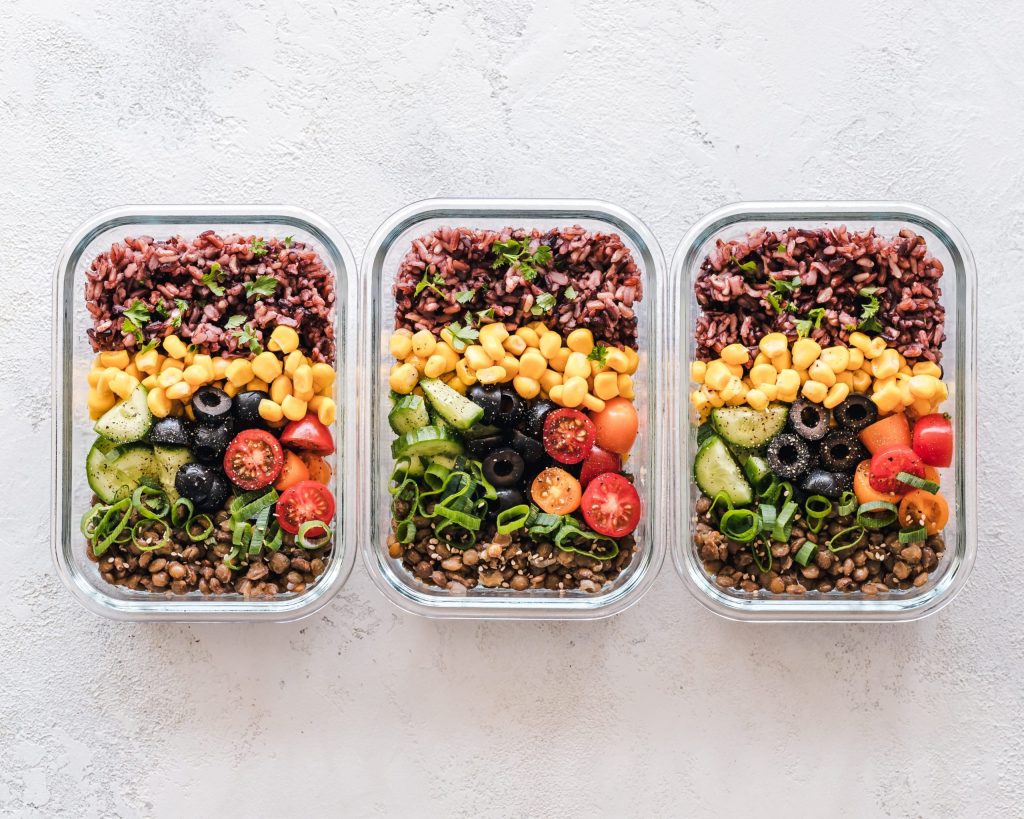
EXPLORE MORE: Click here to unlock your creative side
Practical Steps to Embrace Sustainable Cuisine
Embracing sustainable cuisine by incorporating local and organic ingredients into your dishes doesn’t have to be overwhelming. In fact, even subtle changes in your shopping and cooking habits can lead to significant benefits for your health, the environment, and your community. Here are some simple yet effective strategies to get started:
- Plan Your Meals: Take time each week to plan meals based on seasonal produce. Research what fruits and vegetables are currently in season in your area. Websites like Eat the Seasons provide valuable insights on what’s fresh and available. This practice will not only assist with meal variety but also optimize the use of local ingredients.
- Read Labels: When purchasing packaged goods, check for certifications that signify organic farming practices. Look for labels like USDA Organic, which ensures no synthetic fertilizers or pesticides were used, and that the ingredients come from non-GMO sources. This label can often be found in the produce section, as well as snacks and dairy products.
- Support Farmer’s Markets: Regular visits to farmer’s markets allow you to build relationships with local farmers while discovering fresh and organic produce. These markets often feature special herbs, specialty foods, and artisanal products that aren’t available in supermarkets. Engaging directly with farmers gives you the opportunity to ask questions about their growing practices.
- Upgrade Your Pantry: Stock your kitchen with essential organic staples, including grains, beans, oils, and spices. These ingredients serve as a solid foundation for creating dishes that highlight seasonal produce. For instance, quinoa can be used as a base for a vibrant salad featuring local vegetables.
- Experiment with New Recipes: Challenge yourself to try recipes that utilize local and organic ingredients. There are numerous online resources and cookbooks dedicated to seasonal cooking. Opt for a cooking class focusing on sustainable practices to further enhance your culinary skills while enjoying a fun social setting.
Additionally, disseminating your quest for sustainable cuisine can create a ripple effect in your community. Engage friends and family in your culinary adventures, share local farmer listings on social media, and encourage others to make similar sustainable choices. The essence of sustainable cuisine revolves around a communal appreciation for food, sourced responsibly for generations to come.
Connecting Through Community Gardens
Another exciting way to incorporate local and organic ingredients into your cooking is by participating in or starting a community garden. These gardens not only provide fresh produce but also foster a sense of community among participants. By growing your own vegetables and herbs, you can directly control your food sources and learn about sustainable growing practices firsthand. Growing your own food, even in small potted plants on a balcony, can connect you more deeply to the ingredients you use in your dishes.
By integrating these practices into your culinary routine, you pave the way for a sustainable kitchen that reflects thoughtfulness and responsibility. Each meal becomes an opportunity to celebrate the richness of local agriculture and contribute positively to the earth. As we continue to explore more advanced techniques for sustainable cooking, remember that every small change leads to meaningful progress.
Incorporating local and organic ingredients into your dishes not only enhances the taste and quality of your meals but also significantly contributes to environmental sustainability. By making mindful choices about the foods we consume, we can support local farmers and reduce our carbon footprint. Local produce tends to be fresher, as it does not require extensive transportation. This reduces the need for preservatives, which means healthier options for us.Another vital aspect of sustainable cuisine is understanding the seasons. Using seasonal ingredients can elevate the nutritional value of your meals while ensuring that you’re utilizing produce at its peak flavor. For instance, root vegetables in the winter months provide nourishment and comfort, while fresh berries in the summer can brighten up any dish. Moreover, you can embrace the concept of “farm-to-table” dining at home. This means sourcing your ingredients directly from local farmers, farmers’ markets, or community-supported agriculture (CSA) programs. Doing so not only supports the regional economy but also offers insight into how food is grown and harvested. Beyond the procurement of ingredients, it’s also important to focus on preparation methods. Cooking with minimal waste and utilizing every part of the ingredient are integral to sustainable practices. For example, vegetable scraps can be used to create broths, and citrus peels can add flavor to various dishes.Lastly, educating yourself about the food systems in your locality can greatly enhance your culinary journey. Visiting local farms or taking part in workshops can provide further inspiration and knowledge on how to become a better steward of our natural resources. Pairing these practices with a commitment to reducing processed foods and embracing simplicity can lead to a deeply satisfying and sustainable cooking experience. As we dive deeper into the world of sustainable cuisine, the benefits not only enrich our plates but also nourish the planet.
DIVE DEEPER: Click here to discover more
Exploring Sustainable Cooking Techniques
Once you’re ready to integrate local and organic ingredients into your dishes, the next step is to embrace sustainable cooking techniques that can enhance the flavor and nutritional value of your meals. Here are some methods that not only preserve the integrity of ingredients but also help reduce waste:
- Batch Cooking: Preparing large portions of meals at once can save time, money, and energy. Use seasonal produce to create multiple dishes that can be portioned and stored for the week. For instance, a seasonal vegetable stir-fry can be made in bulk and enjoyed over a few days. This technique minimizes food waste and helps you avoid the temptation of takeout on busy nights.
- Pickling and Preserving: Capture the essence of fresh, local ingredients by pickling or preserving them. This time-honored technique not only allows you to enjoy seasonal produce year-round but also reduces spoilage. Simple recipes for pickling cucumbers, tomatoes, or beets can easily be found online, transforming vibrant vegetables into tangy accompaniments for your meals.
- Utilizing Kitchen Scraps: Sustainable cooking is not just about the ingredients you buy but also how you utilize every part of them. Vegetable peels, stems, and leaves can be added to stocks or compost, reducing food waste. Herb stems can elevate flavor in dishes or be used to make pesto. Try making vegetable stock from leftover scraps – it’s a perfect way to enrich soups and stews while minimizing waste.
- Sous Vide Cooking: This method allows for precise temperature control, resulting in perfectly cooked dishes without needing excess oils or fats. By vacuum-sealing local proteins and vegetables, you can enhance their flavors while conserving nutrients. Sous vide cooking not only optimizes the use of ingredients, but it also cuts down on energy consumption compared to traditional cooking methods.
- Vegetable-Forward Dishes: Embrace the philosophy of “less meat, more vegetables.” By creating meals that highlight vegetables as the cornerstone, you can take advantage of the rich variety of local produce. Incorporating more plant-based meals into your weekly menu can lead to significant environmental benefits, reducing your carbon footprint and supporting local agricultural practices.
Transitioning to Plant-Based Diets
Transitioning towards a more plant-based diet doesn’t mean cutting out all animal products immediately. Instead, consider adopting a “Meatless Monday” approach, where you consciously choose to forgo meat one day a week. This not only encourages culinary creativity but also aligns with sustainability goals by focusing on plant-derived foods. According to the Food and Agriculture Organization (FAO), reducing meat intake can lower greenhouse gas emissions considerably. Using local grains, legumes, and seasonal vegetables, you can develop robust and satisfying meals that nourish both your body and the planet.
Infusing these innovative cooking techniques into your routine can transform not only how you approach meals but also the sustainability of your kitchen. As your journey unfolds in making more conscious food choices, you’ll likely discover new layers and depths to the flavors and benefits of local and organic ingredients.
DISCOVER MORE: Click here to enhance your crafting skills
Embracing Sustainable Cuisine for a Healthier Future
As we bring our exploration of sustainable cuisine to a close, it’s evident that the integration of local and organic ingredients can significantly enrich our culinary experiences while promoting environmental stewardship. By applying the techniques and principles discussed, such as batch cooking, pickling, and making use of kitchen scraps, you not only enhance the flavor and nutritional content of your meals but also contribute to a more sustainable food system. These practices are not just trends; they reflect a profound shift towards a more eco-conscious approach to eating.
Moreover, transitioning to a more plant-based diet does not need to be an overwhelming endeavor. Starting small with initiatives like “Meatless Monday” can encourage a deeper appreciation for the variety offered by local producers. As studies have shown, reducing our reliance on animal products can have a significant impact on our carbon footprint and promote healthier living.
Incorporating local and organic ingredients into your dishes ultimately leads to a more wholesome way of eating that aligns with your values and the well-being of our planet. The journey toward sustainable cuisine is an ongoing process—one that invites creativity, exploration, and community engagement. We encourage you to continue seeking out fresh, seasonal produce from farmers’ markets, engage with your local agricultural practices, and inspire others to join you in this transformative culinary adventure.
As we redefine our relationship with food, let us strive to create a lasting legacy of sustainability that nourishes both ourselves and the environment. The choice to eat sustainably is not just about food; it is about forging a healthier future for generations to come.