Sustainable Artistic Projects: Integrating Creativity and Environmental Awareness
Emerging Trends in Sustainable Art
In recent years, the art community has witnessed a remarkable transformation, with many artists blending their creative expressions with an urgent call for environmental stewardship. As societies grapple with the realities of climate change and ecological degradation, art has taken on a new function: serving as a catalyst for environmental action and awareness.
Interactive Installations
One of the most captivating aspects of modern art is the rise of interactive installations. These immersive experiences invite audiences not just to observe, but to participate actively in the conversation about their ecological impact. For example, artist Olafur Eliasson’s “The Weather Project” at the Tate Modern in London allowed viewers to engage in a dialogue about climate through their sensory experiences of light and space. In communities across the United States, similar projects have engaged local constituencies, turning galleries into interactive hubs for environmental education.
Recycled Materials
The use of recycled materials in artistic creation has gained traction as environmental awareness increases. Artists such as Chris Jordan create stunning visual narratives from items like plastic waste and old newspapers, showcasing the sheer scale of consumption and its consequences. His work forces viewers to confront the overwhelming quantity of discarded materials that often goes unnoticed. In cities like New York and San Francisco, artists are leading workshops on upcycling, turning everyday waste into thought-provoking art, sparking discussions around sustainability in everyday life.
Community Gardens as Art Projects
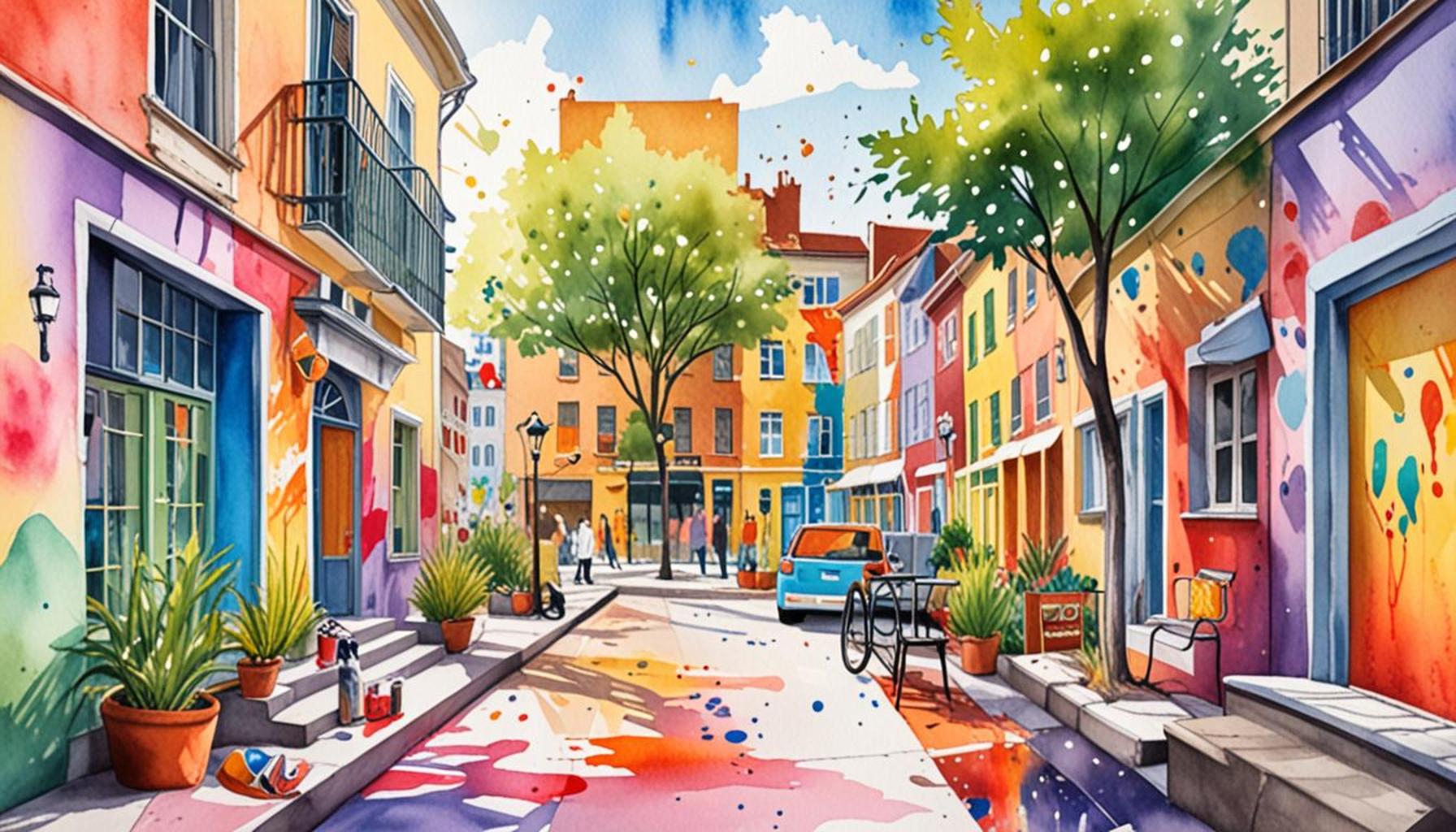
Community gardens represent another fascinating intersection of art and ecology. These projects not only provide nourishment but also encourage local engagement and connection. Artists in urban areas are transforming neglected lots into vibrant green spaces where art coexists with horticulture, fostering an appreciation for nature. The Brooklyn Botanical Garden, for example, merges art with education through its “Art in the Garden” program, where artists work alongside community members to create lush gardens that tell stories about biodiversity and conservation.
Through these innovative approaches, artists are not merely creating for the sake of beauty; they are igniting dialogues about sustainability, urging us to reevaluate our relationship with the Earth. As the art community continues to embrace environmental themes, it leads us into a new era where art becomes essential in shaping a sustainable future. By engaging directly with such creative projects, both artists and audiences can become active participants in the vital conversation about our planet’s future.

In conclusion, as we explore the rich landscape of sustainable artistic projects, we will uncover the many ways in which creativity is influencing environmental consciousness across the United States. Join us on this journey, where each brushstroke and sculpture contributes to the larger narrative of a healthier planet.
DISCOVER MORE: Click here to unlock your creativity
Innovative Approaches to Sustainability in Art
The conversation surrounding sustainability has permeated every facet of society, and the art world is no exception. Artists are increasingly recognizing their responsibility to address environmental issues through their work, often challenging traditional notions of art by integrating sustainable practices. These innovative approaches not only enhance the aesthetic value of art but also elevate its role as a vehicle for change. Various projects have emerged across the United States, showcasing the diverse ways in which sustainability and creativity can intertwine.
Eco-Conscious Artistic Practices
A major trend in the realm of sustainable art is the adoption of eco-conscious artistic practices. Artists employ a range of sustainable techniques in their creative processes, from using non-toxic paints to sourcing locally harvested materials. By prioritizing environmentally friendly practices, these artists often reduce their ecological footprint and model responsible consumption for their audiences. Artists such as El Anatsui exemplify this commitment by transforming discarded materials like bottle caps and metal sheets into stunning large-scale sculptures that both dazzle the eye and provoke thought about waste and its environmental impacts.
Public Art and Environmental Awareness
Public art installations are another exciting avenue for advocating sustainability through creativity. These large-scale projects, often situated in urban environments, invite community participation and aim to spark dialogue around pressing environmental issues. For example, Michael Heizer’s “City” in Nevada is a monumental artwork that engages with its stark desert landscape while simultaneously addressing themes of human intervention in nature. By making art accessible to the public, artists create opportunities for reflection and action regarding local and global ecological concerns.
Educational Collaborations
The intersection of art and education has also given rise to numerous collaborative projects that educate participants about sustainability. These initiatives often bring together artists, educators, and environmental scientists to deliver impactful workshops and programs. Benefits include:
- Enhanced Awareness: Participants gain an understanding of local environmental issues and their implications.
- Creative Expression: Hands-on projects foster creativity while reinforcing ideas about conservation and sustainability.
- Community Building: Collaborative art projects encourage teamwork and strengthen community ties through shared goals.
One notable example is the “Art & Environment” program hosted by the San Francisco Art Institute, which integrates sustainability into the curriculum, empowering students to become advocates for ecological responsibility through their artistic practices. By learning how to utilize various mediums responsibly, students create art that resonates with their burgeoning environmental consciousness.
As we delve deeper into the landscape of sustainable artistic projects, it becomes clear that art serves not only as a reflection of society but also as a pivotal player in shaping a sustainable future. The innovative methodologies artists employ provide fertile ground for discussions about the critical issues our planet faces today. By exploring these cutting-edge projects, we uncover a powerful narrative that intertwines art, activism, and environmental stewardship.
| Advantages | Details |
|---|---|
| Promotes Environmental Awareness | Sustainable artistic projects often highlight environmental issues, helping to educate the public on vital topics. |
| Encourages Community Engagement | These projects foster collaboration among artists, environmentalists, and local communities, creating a shared vision for the future. |
| Fosters Innovation | Integrating creativity with sustainability encourages new approaches and solutions to environmental problems, promoting progress. |
| Enhances Cultural Identity | These projects often reflect the unique cultural narratives of communities, deepening individuals’ connections to their environments. |
Sustainable Artistic Projects serve not only as a platform for creative expression but also as powerful tools for change. By leveraging artistic expression, these projects can significantly engage the audience’s consciousness with ecological issues. The synergy of creativity and environmental initiatives yields solutions that go beyond conventional methods, creating a cultural movement that is both inspiring and impactful. Artists utilize various mediums—from installations made of recycled materials to performances that challenge societal norms—that invite the viewer to participate in this necessary dialogue. Engaging the community also fosters a sense of ownership and responsibility towards environmental stewardship, as individuals collaborate on initiatives that resonate on personal and collective levels. Such integration of creativity and sustainability not only enriches cultural landscapes but also paves the way for innovative solutions and a more sustainable future altogether.
DON’T MISS: Click here to discover the art of plating
The Role of Technology in Sustainable Art Initiatives
As the art world embraces sustainability, technology is playing an increasingly pivotal role in enhancing artistic practices and promoting environmental awareness. Artists are integrating digital mediums and innovative technologies into their projects, creating artworks that not only symbolize ecological themes but also serve as powerful tools for education and engagement. Through digital storytelling, augmented reality, and interactive installations, artists are reimagining how audiences connect with sustainability.
Digital Storytelling and Visual Narratives
One significant advancement in sustainable artistic projects is the use of digital storytelling. Artists leverage platforms such as social media, digital films, and online galleries to reach wider audiences and share compelling narratives about environmental issues. For instance, the “Earth Day Network” has collaborated with various artists to develop multimedia campaigns that illuminate climate change and biodiversity loss. Such initiatives utilize emotive storytelling to engage viewers emotionally, fostering a sense of urgency and responsibility toward the planet.
Augmented Reality in Public Installations
Augmented reality (AR) has emerged as an innovative tool for connecting viewers with environmental art. By creating immersive experiences, artists can enable audiences to interact with their work in dynamic ways. Projects like “The Ice Watch” by Artist Olafur Eliasson and geologist Minik Rosing involve placing massive blocks of ice from Greenland in urban areas to highlight climate change. Using AR, participants can scan the ice blocks to access real-time data on melting glaciers and rising sea levels. This fusion of technology and artistry invokes a profound sense of awareness and urgency regarding our ecological challenges.
Eco-Art as Community Engagement
Furthermore, the concept of eco-art—art that focuses on ecological issues—has taken root in communities across the United States. Artists are catalyzing community engagement through collaborative projects that utilize local materials and resources, encouraging a shared commitment to sustainability. The “Trash Islands” project in New York City, spearheaded by artist Angela Rosenthal, exemplifies this. Through the transformation of waste materials into artworks, community members are invited to participate and become advocates for environmental stewardship.
Such projects actively engage residents in discussions about waste management and urban ecology, making sustainability a shared community mission rather than an isolated concern. This community-driven approach emphasizes the importance of collective action, showcasing how art can serve as a bridge between creativity and communal responsibility.
Data-Driven Art Initiatives
Another fascinating development in sustainable artistic projects is the use of data-driven art. Artists increasingly harness data and information visualization techniques to portray environmental statistics, trends, and predictions in a digestible format. Projects such as “The Climate Music Project” employ soundscapes derived from climate data, transforming statistics into auditory experiences that resonate with audiences on an emotional level. By presenting factual information through artistic expression, these initiatives make complex issues more relatable and accessible.
The integration of these varied technological approaches into sustainable art practices showcases the evolving landscape of eco-conscious creativity. As artists continue to push the boundaries of traditional methods, they not only intrigue and inspire audiences but also instill a deeper understanding of the environmental challenges we face, emphasizing the crucial role art plays in the quest for sustainability.
DON’T MISS OUT: Click here to dive into baking tips and recipes
Conclusion: The Transformative Power of Sustainable Art
In an era where environmental challenges are intensifying, the intersection of art and sustainability emerges as a powerful movement that not only inspires creativity but also fosters profound ecological awareness. Through the innovative use of technology, such as digital storytelling, augmented reality, and data-driven art, artists are redefining how we engage with pressing environmental issues. These artistic endeavors serve not only as a means of expression but also as vital tools for education and community engagement, urging audiences to reflect on their relationship with the planet.
Furthermore, initiatives like eco-art highlight the importance of grassroots involvement, transforming art into a communal experience that galvanizes collective action for sustainability. Projects that utilize local resources cultivate a shared responsibility among residents, reinforcing the idea that art can bridge the gap between individuals and larger environmental movements. As more artists step forward to convey the urgency of ecological stewardship through creative practices, their work resonates with diverse audiences and fosters a deeper understanding of our interconnectedness with nature.
Ultimately, sustainable artistic projects illuminate the path toward a more conscious future, inviting us to envision a world where creativity and environmental responsibility coexist harmoniously. As this movement continues to evolve, it challenges us to consider our roles as responsible custodians of the Earth, encouraging exploration, dialogue, and innovative solutions that drive sustainable change.