The Influence of Art on Mental Health: Artistic Projects as Therapy
How Art Influences Mental Health
Art has long been revered not just as a form of creativity, but also as a powerful tool for emotional and psychological healing. The connection between artistic expression and mental health is gaining traction, with mental health professionals increasingly recognizing how creative outlets can foster healing and resilience. Creative projects provide individuals with pathways to process complex emotions and enhance their overall well-being.
Consider the following aspects of how art influences mental health:
- Expression and Communication: Art allows individuals to express feelings that are difficult to articulate with words. For example, someone dealing with grief may paint a canvas that embodies their sadness, allowing them to confront their emotions in a safe space. This non-verbal form of communication can be instrumental in therapy, particularly for those who may struggle to discuss their experiences openly.
- Stress Relief: Engaging in artistic activities can significantly reduce stress levels and promote relaxation. Studies have shown that spending just 45 minutes creating art can lower cortisol levels—the stress hormone—in the body. Activities like doodling, coloring, or even sculpting can serve as mindfulness practices, helping individuals focus on the moment rather than their worries.
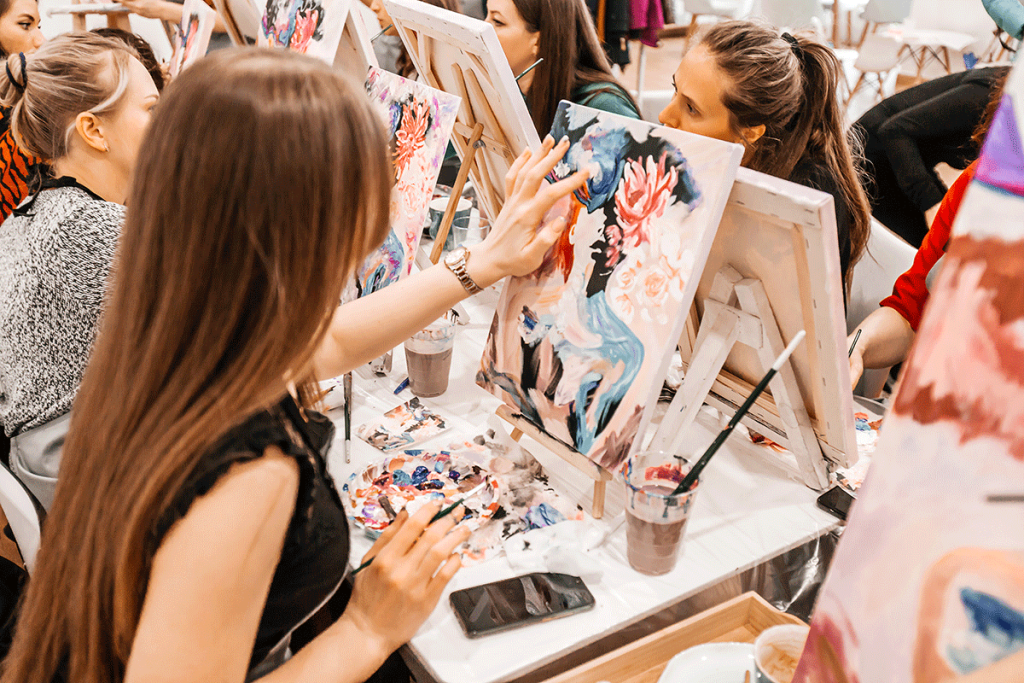
- Sense of Accomplishment: Completing an art project not only provides a boost in self-esteem but also instills a profound sense of achievement. For instance, participants in community art initiatives, such as mural painting or group exhibitions, often report feeling a collective pride and personal fulfillment. This sense of accomplishment can be particularly beneficial for individuals recovering from mental health issues, as it reinforces their capabilities and resilience.
Numerous studies support the idea that artistic projects can act as effective therapeutic approaches. Community programs across the United States illustrate this transformative power. For example, organizations like the Creative Arts Therapy Association lead workshops for veterans suffering from PTSD, helping them use art as a means to share their stories and experiences. Such programs not only foster personal healing but also promote collective understanding and empathy, bridging gaps between diverse communities.
As we delve deeper into this subject, we will explore specific artistic approaches that have demonstrated significant benefits in therapy. From painting and pottery to performance art and dance, the possibilities are vast and compelling. Each form of art provides a unique lens through which individuals can explore their feelings, reflecting the myriad ways creativity can facilitate healing and growth.
In conclusion, the potential for art to enhance mental health is profound and multifaceted. As society increasingly embraces the therapeutic aspects of creativity, it paves the way for innovative approaches to traditional mental health care, encouraging individuals to express themselves in diverse and transformative ways.
DISCOVER MORE: Click here to enhance your literary skills
The Healing Power of Artistic Expression
As we examine the profound relationship between art and mental health, it becomes clear that the healing potential of artistic expression transcends traditional therapeutic practices. Artistic projects have emerged as innovative solutions for addressing mental health challenges, empowering individuals to explore their emotions and cultivate self-awareness. This exploration not only fosters individual healing but also creates a supportive community where shared experiences can be acknowledged and embraced.
One of the most compelling aspects of this influence lies in the ability of art to facilitate emotional processing. For many, the act of creating art—whether it be through painting, writing, or crafting—offers a therapeutic outlet. It allows individuals to delve into their subconscious, providing a safe harbor for processing feelings that may otherwise remain suppressed. Here are some ways in which art can catalyze emotional healing:
- Self-Discovery: Engaging in art encourages introspection and self-reflection. Through the creative process, individuals can uncover hidden truths about themselves, leading to greater self-acceptance and understanding.
- Journaling Through Art: Many therapeutic art forms emphasize the importance of keeping a visual diary, where individuals can document their daily feelings and experiences. This practice can yield insights into emotional patterns, enabling individuals to track their mental health journey.
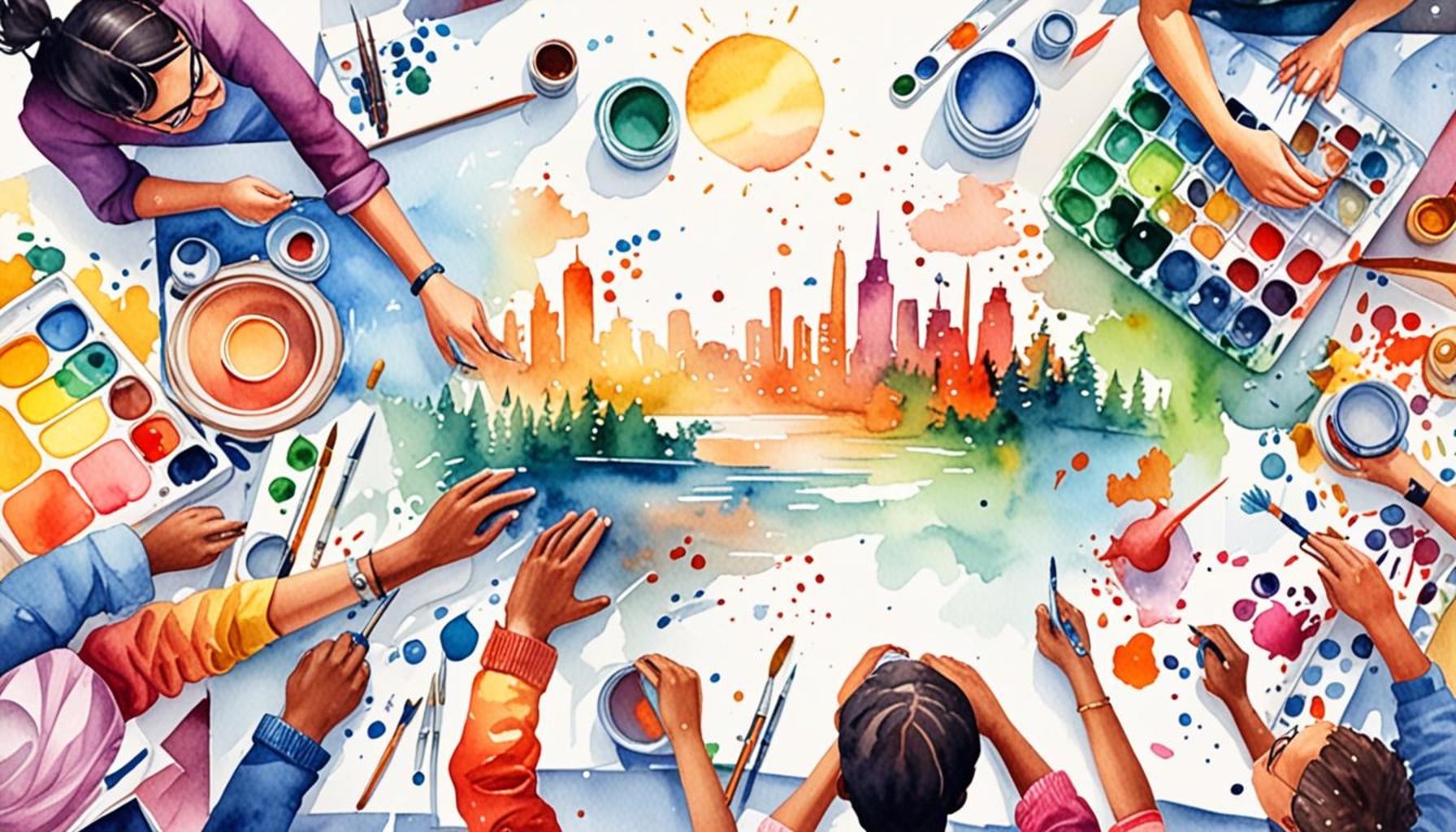
- Community Healing: Group art projects foster a sense of belonging and shared experiences. Such communal endeavors, where individuals collaborate on art pieces, not only enhance social connections but also alleviate feelings of isolation often associated with mental health struggles.
Research indicates that art therapy can yield remarkable results for various mental health issues. A notable study conducted by the American Art Therapy Association revealed that participants who engaged in art therapy reported decreases in anxiety and depression levels. The findings demonstrate that the act of creating art can stimulate areas of the brain associated with emotional regulation, enhancing an individual’s capacity to cope with life’s challenges.
Moreover, artistic projects have shown significant promise in treating specific populations, such as children and individuals with chronic illnesses. For instance, organizations like the Art With Heart initiative, based in Seattle, work primarily with youth facing mental health issues, utilizing creative storytelling and visual art projects to help them process their emotions in a constructive manner. This approach not only cultivates creativity but also equips young people with valuable coping skills for life’s adversities.
In the upcoming sections of this article, we will further explore various artistic modalities—such as music therapy, dance therapy, and visual arts—that are being successfully integrated into mental health treatment frameworks. Each of these forms offers unique avenues for individuals to harness the transformative power of art, ultimately paving the way for enhanced emotional well-being and psychological resilience.
| Category | Description |
|---|---|
| Creative Expression | Art provides a vital outlet for expressing emotions and feelings, often allowing individuals to communicate what words cannot. |
| Therapeutic Benefits | Engaging in artistic projects can lead to reduced anxiety, enhanced mood, and an overall sense of well-being. |
| Community Connection | Artistic programs often foster collaboration and social interaction, building support networks among participants. |
| Mindfulness | Creating art encourages focus on the present, promoting mindfulness and reducing stress levels. |
Artistic therapy is increasingly recognized as a powerful approach in the realm of mental health, demonstrating its significance in healing and emotional release. Studies show that art-making can reduce symptoms of PTSD, anxiety, and depression by allowing individuals to explore their inner selves through a non-verbal medium. Furthermore, engaging in art projects can stimulate the brain’s reward system, releasing dopamine, which can lead to a positive emotional state.The materials used in artistic expression, whether paint, clay, or digital mediums, also play a crucial role. The tactile experience of creating art can evoke sensory memories and facilitate a deeper connection to one’s emotions. Participating in group art therapy sessions not only provides individuals with new coping strategies but also helps to dismantle feelings of isolation, fostering a supportive community. Given the multi-layered benefits that art therapy offers, including emotional processing and stress reduction, it is becoming a go-to resource for mental health professionals seeking holistic methods for healing. As research continues to unfold, it is becoming clearer that the intersection of creativity and mental health is profoundly influential and worth further exploration.
DISCOVER MORE: Click here for innovative crafting techniques
The Diverse Modalities of Artistic Therapy
As we delve deeper into the realm of artistic therapies, it becomes evident that the influence of art on mental health is not limited to traditional forms of expression such as painting or drawing. Artistic projects encompass a variety of innovative modalities, including music therapy, dance movement therapy, and drama therapy, each offering unique pathways for emotional healing and psychological growth.
One of the most recognized forms of artistic therapy is music therapy. This therapeutic approach allows individuals to engage with music, whether through listening, songwriting, or playing instruments. Research suggests that music can trigger emotional responses in the brain, similar to how art affects emotional regulation. According to a study published in the Journal of Music Therapy, participants who engaged in music therapy experienced significant reductions in symptoms of depression and anxiety. The use of music as a therapeutic tool can also enhance cognitive functioning, making it a valuable method for individuals suffering from neurological disorders, such as Alzheimer’s disease.
In addition to music, dance movement therapy has gained traction in both clinical and community settings. This form of therapy leverages bodily movement to explore emotions and improve psychological well-being. Studies, such as those highlighted by the American Dance Therapy Association, illustrate that dance facilitates non-verbal communication of feelings, often leading to profound insights and emotional release. Through rhythmic activities and expressive movement, participants can connect mind and body, ultimately reducing symptoms linked to trauma and stress.
Another captivating avenue within artistic therapy is drama therapy, which encourages individuals to creatively engage in role-playing and improvisation. This method empowers participants to narrate their stories, fostering empathy while exploring problems from different perspectives. The transformative potential of drama therapy has been endorsed by research conducted by the National Association for Drama Therapy, which shows that individuals who participate report enhanced emotional regulation and interpersonal communication skills. By embodying characters and situations, individuals can confront their fears in a safe and controlled environment, allowing for meaningful psychological breakthroughs.
The integration of artistic projects in therapeutic settings also extends to technological advancements. Virtual reality (VR) and digital art platforms are emerging as promising modalities for therapeutic practices. A study by the University of Southern California found that VR experiences designed for therapeutic purposes can significantly reduce anxiety and enhance emotional well-being by immersing participants in calming or joy-inducing environments. These innovations not only provide new ways for individuals to express themselves but also make therapy more accessible, especially for those who may feel uncomfortable in traditional clinical settings.
Furthermore, the potential for artistic projects to address community mental health needs is becoming increasingly recognized. Initiatives such as Art in Action and The Healing Arts Program underscore the importance of utilizing art to tackle issues such as social injustice and personal trauma within underrepresented communities. By promoting collective artistic endeavors, these programs create platforms for dialogue and understanding, reminding us that art can serve as a powerful catalyst for change.
By exploring these diverse modalities, it becomes clear that the influence of art on mental health is multifaceted. The synergy of creativity and psychology has paved the way for emerging practices that not only address individual needs but also enhance collective well-being within communities. As we continue to investigate this rich and evolving landscape, we uncover a world where artistic expression holds the keys to profound emotional healing and resilience.
DISCOVER MORE: Click here to dive into writing activities that spark imagination
Conclusion
In summary, the profound connection between artistic projects and mental health offers a transformative approach to therapy that goes beyond traditional methods. By exploring modalities such as music therapy, dance movement therapy, and drama therapy, individuals can engage in enriching experiences that facilitate emotional healing and psychological growth. The creative expression fostered through these artistic pathways not only aids in personal battles against mental health challenges but also cultivates community resilience and collective healing.
Furthermore, the integration of technology, like virtual reality in therapeutic practices, is revolutionizing how we perceive and approach mental health care. As we invest in these innovative tools, we expand accessibility and encourage diverse expressions that resonate deeply with unique personal experiences. With initiatives such as Art in Action and The Healing Arts Program, we see a clear commitment to addressing broader societal issues while fostering personal growth.
As we continue to explore the influence of art on mental health, it becomes increasingly evident that artistic projects serve not merely as forms of expression but as vital therapeutic tools capable of bridging the gap between mind and body. Thus, we stand at the precipice of an exciting narrative where art not only reflects humanity but actively contributes to its healing. For those curious about harnessing this potent interplay of creativity and well-being, the journey into the heart of artistic therapy remains rich with promise and potential.