Art and Narratives: Projects that Tell Stories Through Multiple Media
Understanding the Impact of Mixed Media in Storytelling
The convergence of art and narratives has transformed the way stories are told, allowing for a richer exploration of the human condition. This multifaceted approach captures the nuances of life in ways that traditional storytelling may not fully convey. By integrating diverse media, creators can engage audiences in dynamic ways, inviting a deep emotional connection and expanding the possibilities of expression.
In our contemporary landscape, there is a flourishing of collaborations among visual art, literature, performance, and digital media. Such partnerships give rise to projects that not only entertain but also educate and provoke thought. These creations provide:
- Immersive experiences that transform passive viewers into active participants, such as interactive installations where audiences influence the narrative flow.
- Innovative technologies, including virtual reality (VR) experiences that allow users to step into stories, exploring environments and characters in three dimensions—elevating the emotional impact of the narrative.
- Cultural narratives that elevate diverse voices, showcasing stories from underrepresented communities and encouraging a broader understanding of societal complexities.
A prime example of mixed media storytelling can be seen in the artistic endeavors of the renowned artist JR, whose large-scale installations around urban landscapes not only incorporate photography but also ignite conversations about identity and belonging. Another powerful illustration is the Broadway musical “Hamilton,” which interweaves rap, traditional musical theater, and historical storytelling to bring the American founding era to life, resonating deeply with contemporary audiences.
Furthermore, digital storytelling initiatives have gained traction, utilizing platforms like social media and online video to disseminate important narratives. Projects such as StoryCorps collect and share personal stories from everyday Americans, preserving the voices of a diverse range of individuals and amplifying the rich quilt of experiences that characterizes the U.S. cultural landscape.
As we delve into the realm of these innovative projects, we begin to understand how narratives shape our perception of reality and foster connections among us. The interplay of art and narratives not only reflects society but also inspires collective action and empathy, urging us to reflect on shared human experiences.
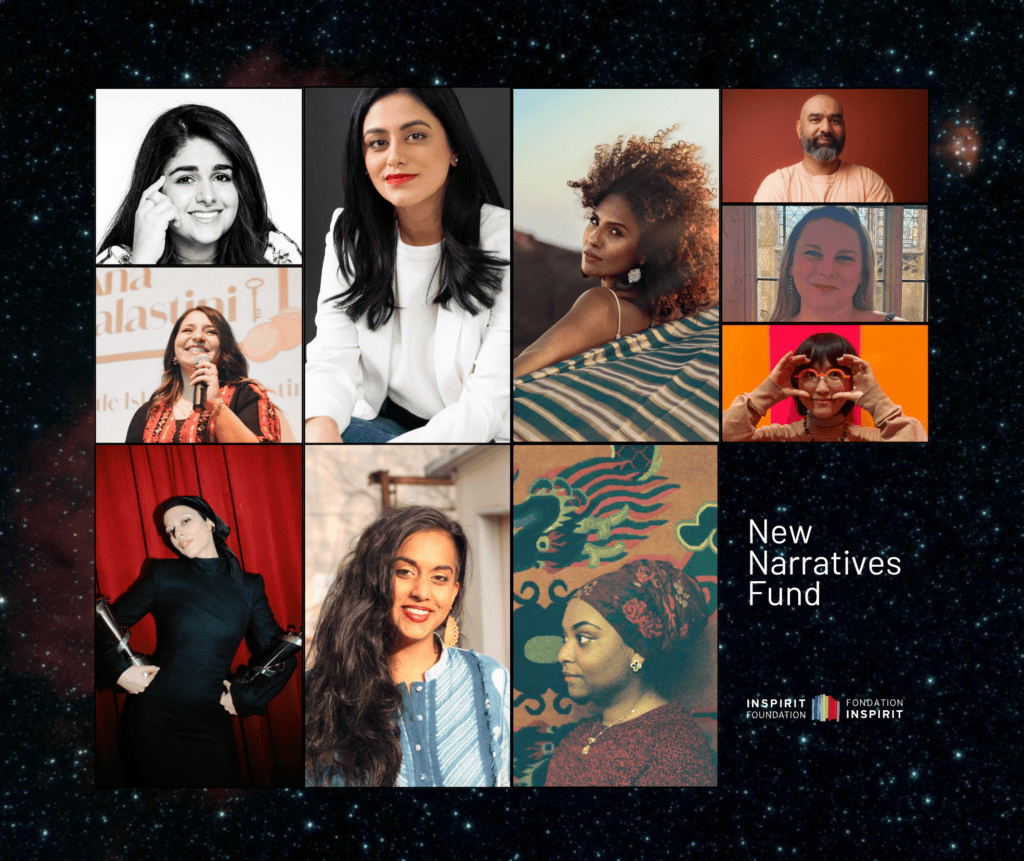
In our exploration of this captivating world, prepare to be amazed by the transformative power of storytelling through a vibrant array of media, where every voice matters and every story unravels a deeper truth.
DISCOVER: Click here to delve into craftsmanship and creativity
Innovative Projects Merging Art and Storytelling
In recent years, the blend of art and narratives has birthed innovative projects that challenge our conventional understanding of storytelling. These endeavors go beyond mere representation, utilizing an array of techniques and platforms to express complex ideas while engaging the public in dialogue. One of the most compelling aspects of these projects is their ability to create a tapestry of experiences that resonate across diverse demographics. By breaking the boundaries of traditional media, artists and storytellers are redefining the narratives that mirror society and its intricate stories.
Examples of these multifaceted projects abound, showcasing how artists are utilizing interactive technology and community participation to foster deeper connections. Some notable projects include:
- “The Night Cafe”: This immersive virtual reality experience reimagines Vincent van Gogh’s famous painting as a 3D space, allowing users to wander through a digital replica that captures the essence of the artist’s emotional turmoil and creative genius.
- “The Moth”: A platform that encourages storytelling through live performances, where individuals recount personal tales in front of an audience. This grassroots narrative method not only entertains but also fosters authenticity and empathy among listeners.
- “The Listening Project”: An initiative that records and broadcasts intimate conversations between people from all walks of life, emphasizing shared experiences and collective understanding within local communities.
Each of these projects illustrates how the convergence of different art forms can captivate audiences and amplify voices that were traditionally marginalized. By weaving in elements like music, theater, and technology, these narratives become more than just stories—they transform into experiences that provoke thought and inspire change.
Furthermore, the impact of such projects extends beyond the immediate audience. By integrating social media platforms into their outreach strategies, creators are able to extend their reach, fostering a global conversation around their themes. The viral nature of digital media allows for community engagement on a scale previously unimaginable, where stories can reach new audiences and ignite discussions across borders.
As we examine these pioneering projects and the transformative power of art and narratives, it becomes evident that the stakes are high. They not only illuminate our cultural landscape but also reflect the diverse and often conflicting narratives that make up the fabric of our society. The blend of multiple media in storytelling is more than an artistic trend; it signals a profound shift in how narratives are constructed, conveyed, and received, pushing us to reconsider the ways in which we connect with one another.
| Category | Description |
|---|---|
| Interactive Installations | Engagement through participation allows audiences to become a part of the narrative, enhancing the storytelling experience. |
| Multimedia Storytelling | Combines various art forms, such as video, audio, and visual arts, to create a richer and more immersive narrative environment. |
| Cultural Representation | Inclusive narratives highlight diverse perspectives, fostering empathy and understanding across different cultures. |
| Innovative Collaboration | Collaborative projects between artists, writers, and technologists push the boundaries of traditional storytelling. |
In the realm of art and narratives, the projects that employ multiple media extend beyond the simplistic linearity of storytelling. These projects use interactive installations that transform spectators into participants, which not only enhances engagement but also deepens emotional connections to the narratives being told.The incorporation of multimedia storytelling further enriches these narratives. By blending various art forms, such as video, audio, and visual arts, creators craft experiences that resonate on multiple sensory levels, compelling viewers to immerse themselves in the unfolding story.Moreover, cultural representation in these stories serves to highlight diverse perspectives, thereby fostering empathy and understanding among audiences from varying backgrounds. Projects focused on narratives that explore different cultures invite viewers to step into the shoes of others, broadening their horizons.Lastly, innovative collaboration across disciplines is essential in this area. Artists, writers, and technologists converge to explore new methodologies, pushing the boundaries of how stories are traditionally told, thus opening avenues for even greater creativity and exploration. As these themes evolve, they beckon observers to consider the interplay between narrative and the media it inhabits, challenging them to engage in new dialogues.
DISCOVER MORE: Click here to learn about the therapeutic impact of crafts
Bridging Communities Through Multidimensional Storytelling
The power of stories lies not only in their content but also in the connection they foster between individuals and communities. In the United States, several projects have emerged that harness the richness of multimedia storytelling to bridge divides and invite participation from diverse populations. These initiatives highlight the potential of art when paired with narratives to inspire collective empathy and understanding.
One exemplary project is the “Inside Out Project”, a global participatory art initiative founded by French artist JR. This project invites individuals to upload their portraits, which are then transformed into large-scale black-and-white posters displayed in public spaces. By showcasing faces from various communities, the project amplifies personal stories and celebrates cultural diversity. In cities like Los Angeles and New York, localized installations have sparked dialogues around issues of identity, belonging, and social justice, revealing the inherent value of individual stories within the larger narrative of a community.
Another remarkable effort is “Favianna Rodriguez’s e-books”, which leverage digital media to address important social issues. Rodriguez, an artist and activist, creates vibrant, illustrated narratives that tackle topics ranging from immigration to reproductive rights. By combining traditional print art with digital platforms, her work reaches broader audiences and invites them to engage with critical conversations. The accessibility of e-books, paired with Rodriguez’s compelling visuals, exemplifies how storytelling transcends boundaries and invites reflection from viewers who may not typically engage in these discussions.
Additionally, the advent of augmented reality (AR) has opened new avenues for storytelling. Projects like “ARt for Change” utilize AR technology to overlay digital narratives onto real-world environments. For instance, users might scan designated locations to reveal stories from marginalized voices. These narratives, embedded in the places where they occurred, create a poignant intersection between past and present, inviting interaction and encouraging dialogue about the socio-political landscape around those spaces. Participants become active contributors to the narrative, fostering a sense of ownership and engagement with their surroundings.
The ability to share experiences across different platforms not only enhances the reach of storytelling but also reflects the evolving nature of audience consumption. The rise of podcasts has opened doors for intimate storytelling experiences, exemplified by models such as “StoryCorps”. This project records conversations between loved ones, archiving moments of vulnerability and connection. By providing listeners the opportunity to hear these personal tales, StoryCorps promotes a sense of shared humanity, reminding us that there is often more that unites us than divides us
The success and impact of these diverse projects illustrate the importance of inclusivity within art and narratives. As artists and storytellers continue to embrace new technologies and methods, the potential for creating shared spaces for dialogue and understanding grows exponentially. By merging different media and engaging communities in meaningful ways, these projects not only add depth to the dialogue surrounding important issues but also act as catalysts for social change.
DISCOVER MORE: Click here to uncover the emotional benefits of journaling
Conclusion: The Transformative Power of Storytelling Through Art
In a world increasingly defined by division, the role of art and narratives as tools for connection cannot be overstated. Projects such as the Inside Out Project and Favianna Rodriguez’s e-books exemplify how the fusion of diverse media can amplify voices and foster understanding across cultural divides. These initiatives not only spotlight individual experiences but also cultivate communal ties, reaffirming that every story holds value within the collective tapestry of society.
Moreover, the integration of technologies like augmented reality further enriches the storytelling landscape, enabling immersive experiences that encourage active participation. By overlaying powerful narratives onto real-world locations, projects such as ARt for Change breathe life into stories that might otherwise remain unheard. As audiences increasingly consume content through podcasts and online platforms, the accessibility of narratives transforms them into catalysts for dialogue, introspection, and change.
Ultimately, the *multimedia storytelling* that combines visual arts, digital innovations, and traditional storytelling methods opens new frontiers for empathy and connection. These projects underscore the necessity of inclusive art that invites all voices to the conversation, challenging us to consider different perspectives and sparking collective action. As the realm of storytelling continues to evolve, so too does its potential to bridge communities and inspire transformative social movements. Engaging with these diverse narratives invites exploration and reflection, urging us to broaden our understanding of others and, consequently, ourselves.