Art in Presentation: How Aesthetics Can Elevate the Culinary Experience
The Impact of Culinary Aesthetics on Dining Experiences
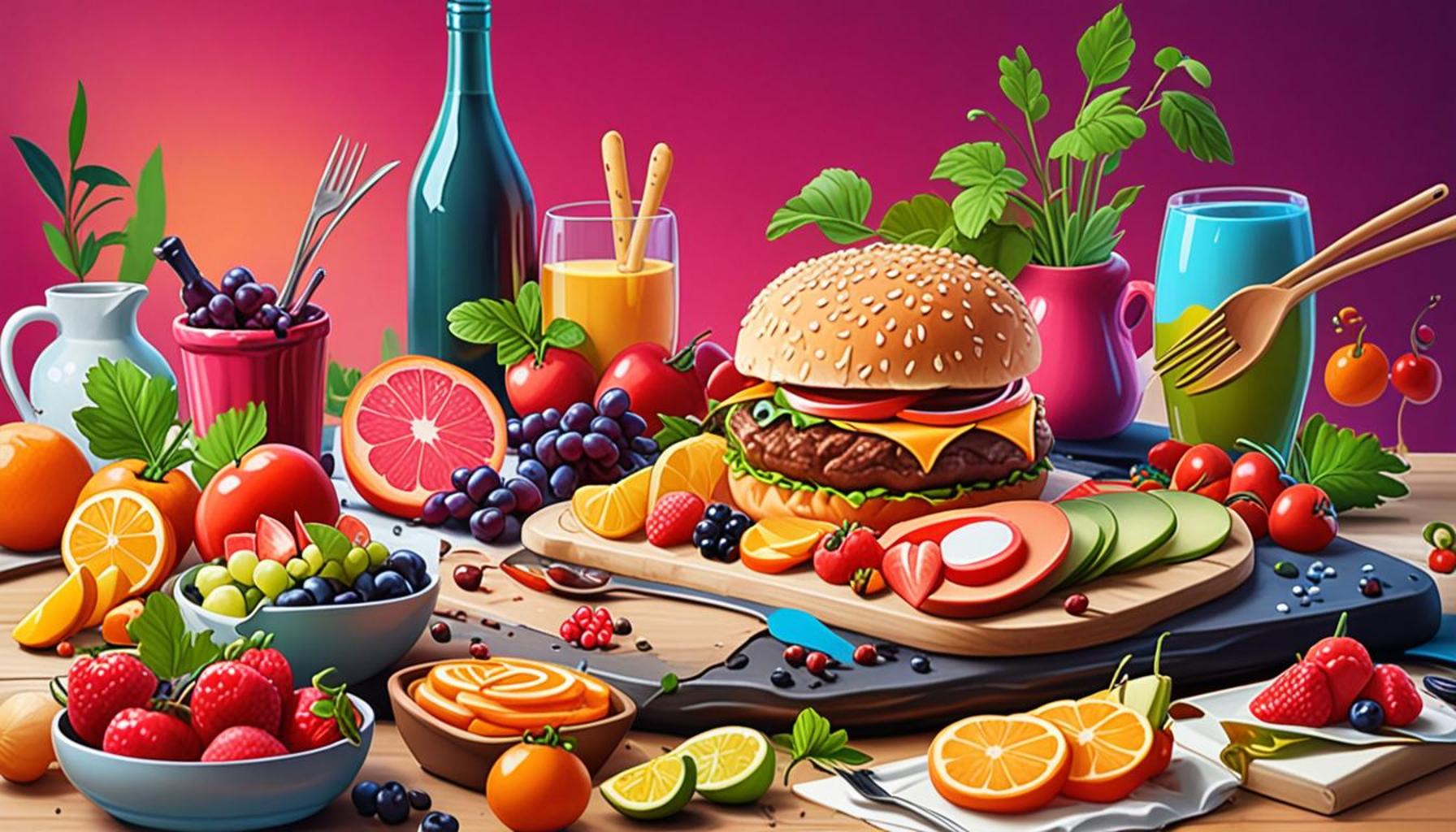
In an era where sensory experiences dominate our daily lives, the artistry of food presentation has emerged as an essential component of culinary enjoyment. The importance of how food looks cannot be overstated; it transforms a simple meal into an event that transcends the plate. Let’s explore the profound ways in which aesthetics enhance the dining experience.
Visual Appeal
Visual appeal serves as the first layer of engagement in a meal. Beautifully arranged dishes captivate diners, making them more curious and excited about what they are about to taste. Imagine a classic dish like a colorful caprese salad, with vibrant reds of ripe tomatoes, greens of fresh basil, and whites of mozzarella cheese. This juxtaposition of colors not only makes the plate more attractive but also stimulates the appetite. Research has shown that visually appealing food can significantly enhance the perception of taste, leading diners to believe a meal is tastier merely because it looks good.
Emotional Connection
A dish that is thoughtfully presented can evoke deep emotional responses. Through careful plating, chefs can trigger memories tied to personal experiences or cultural backgrounds. For instance, a well-crafted dessert resembling a childhood favorite can stir nostalgia, creating a moment of connection between the diner and the chef. This emotional engagement fosters a sense of appreciation for not just the dish itself but the skill and creativity behind it.
Social Media Influence
The age of social media has amplified the significance of food aesthetics. Instagram-worthy dishes are not just a trend; they have become pivotal marketing tools for restaurants. Dining establishments often design their menus with the intention of creating visually stunning dishes that patrons are eager to share online. A restaurant that serves a vividly plated sushi roll or an intricately decorated cake can attract more customers, amplifying its reach through social media platforms. An analysis of food trends suggests that visually engaging meals can lead to increased customer traffic and higher rates of repeat business.
Considerations in Culinary Presentation
The intricacies of culinary presentation involve meticulous attention to various elements that contribute to the overall aesthetic. From the choice of plate to the type of garnishes, each detail matters immensely. Here are some crucial considerations:
Color Harmony
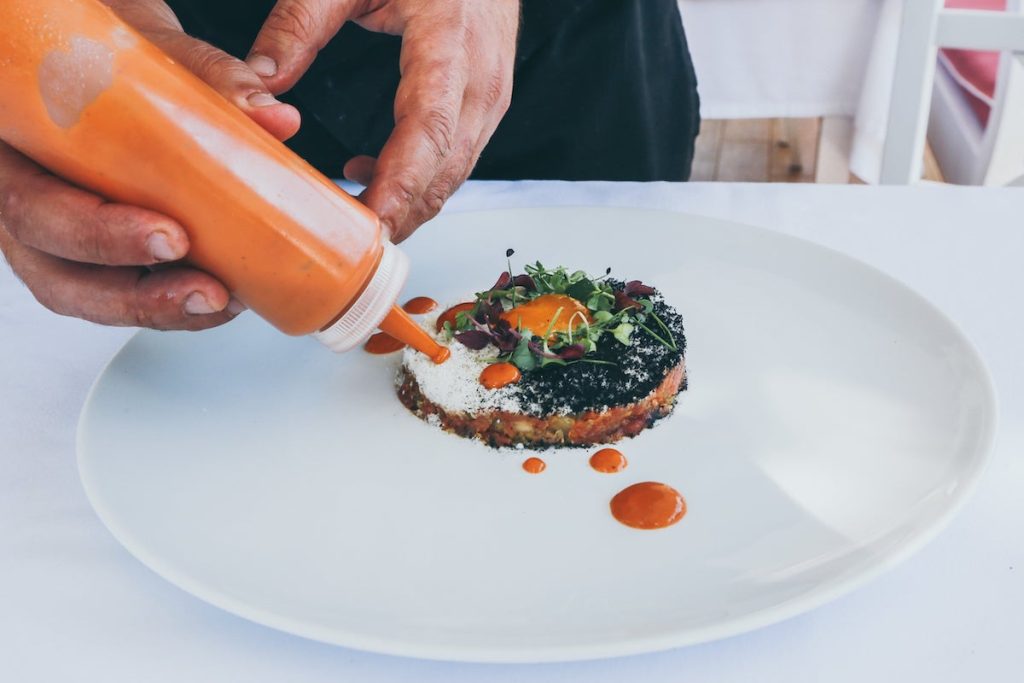
- Complementary Colors: Colors that contrast or complement one another, such as green herbs over a red sauce, not only enhance the visual appeal but also promote an inviting meal. This interplay of colors can elevate the dining experience and make the meal more memorable.
Textures and Shapes
- Varied Textures: Incorporating ingredients of differing textures—crispy, creamy, tender—creates a dynamic experience not just visually but also on the palate. For example, the crunch of toasted nuts or seeds sprinkled over a moist cake can add unexpected delight.
Plating Techniques
- Creative Plating: Techniques such as the use of sauces drizzled artistically on the plate or stacking ingredients in a visually appealing manner showcase a chef’s skill and ingenuity. A well-plated dish tells a story, inviting diners to savor each element purposefully.
Conclusion
Delving into the synergy between aesthetics and culinary delights, it becomes evident that the art of presentation is multifaceted. It’s not just about how food looks; it’s about crafting a holistic experience that captivates all of the senses. As diners, we are invited to explore not only the tastes but also the visual narratives that each dish holds, enhancing our appreciation for the culinary arts.
DISCOVER MORE: Click here to unleash your creativity
The Craft of Culinary Presentation
The art of culinary presentation is akin to a fine art form, with chefs and culinary artists stepping onto the stage, not just to cook, but to create an experience that transcends taste. Each dish becomes a canvas, where flavors and ingredients are not only combined but orchestrated to tell a visual story. In this segment, we will delve into the essential aspects that amplify the aesthetics of food, transforming ordinary meals into extraordinary dining escapades.
Color Harmony in Culinary Art
One of the foremost elements in culinary presentation is color harmony. The use of color goes beyond mere decoration; it affects human behavior and appetite significantly. Dishes that showcase a variety of vibrant colors are visually stimulating and can entice diners to indulge. Incorporating complementary colors creates a visually arresting effect, which makes the meal inviting. For instance, a well-prepared beet and goat cheese salad featuring deep reds, creamy whites, and verdant greens not only looks appealing but also enhances the overall dining experience. Diners are naturally drawn to colorful plates, as they signal freshness and creativity.
Textures and Shapes: Engaging the Senses
Textures play a pivotal role in culinary aesthetics as they engage the palate alongside sight. By merging contrasting textures, chefs can create a multi-dimensional experience. Think of a dish composed of creamy risotto topped with crunchy fried shallots and a sprinkle of fresh chives. This layering creates an exciting combination that encourages the diner to explore the dish thoroughly. Similarly, shapes matter; round components might connote comfort, while angular or asymmetric shapes can suggest adventure and complexity. Combating traditional expectations with unique shapes can intrigue patrons even before they taste the meal.
Innovative Plating Techniques
When it comes to plating techniques, innovation is key. Chefs use various methods to present food artfully, such as stacking ingredients, drizzling sauces, or using negative space effectively. For example, a delicate piece of fish might be artfully presented atop a bed of puree, with a vibrant sauce gracefully applied along the edge of the plate. These techniques not only display the chef’s skill but also encourage diners to perceive the plate as a deliberate composition rather than just a collection of food. Each plate becomes a unique story waiting to be uncovered, leading the diner to appreciate the thought behind each element.
- Use of Negative Space: Efficient use of empty space on the plate can draw attention to the main components of the dish, inviting a visual exploration before the first bite.
- Layering Ingredients: Building height and dimension can create an impressive centerpiece that enhances the overall effect of the dish, captivating the audience.
- Garnishes: Thoughtfully chosen garnishes, whether edible flowers or herb sprigs, can add an inviting finishing touch that rounds out the visual composition.
In sum, the craft of culinary presentation is a multi-faceted art that intertwines color, texture, and innovative techniques to create an unforgettable dining experience. As we dive deeper into this subject, we will uncover how these elements culminate in the holistic appreciation of not just food, but the artistry inherent in every culinary creation.
| Category | Description |
|---|---|
| Visual Appeal | Food presentation creates an immediate visual impact, heightening curiosity and appetite. |
| Enhanced Dining Experience | Aesthetically pleasing dishes contribute to overall enjoyment, leading to memorable meals. |
| Cultural Significance | Presentation styles vary globally, reflecting traditions and enhancing cultural appreciation. |
| Creativity | Artists-in-chefs use unique plating techniques, showcasing culinary innovation. |
The elegant arrangement of food on the plate not only pleases the eye but also plays a critical role in how flavors are perceived. Studies suggest that visually appealing dishes can make food taste better, tapping into the principles of sensory science. Moreover, the practice of food styling goes beyond simply making a plate look nice; it fosters emotional connections, as diners often associate beautiful presentations with gourmet experiences.Engaging the audience through artistry in plating can transform a mundane meal into a feast for the senses, encouraging customers to savor every bite. Social media further amplifies the importance of aesthetics in culinary experiences, as patrons love to share images of beautifully presented dishes. Restaurants are increasingly recognizing that dishes that photograph well can lead to increased visibility and interest, creating an enticing social domino effect.In summary, mastering the art of presentation not only enhances personal experiences but also elevates the culinary industry as a whole, inviting innovation and exploration into the limitless potential of food.
DIVE DEEPER: Click here to discover innovative projects
Engaging the Mind: The Role of Anticipation and Surprise
The aesthetic experience of a dish extends beyond its immediate visual appeal. It begins to engage the mind even before the first bite is taken, creating an atmosphere of anticipation and excitement. The emotional response elicited by a well-presented meal is a crucial aspect of the dining experience, where expectation and surprise become powerful tools for chefs. This psychological component can make food taste even better, as diners’ minds are often influenced by the artistry of presentation. A dish served with an unexpected twist—like a hidden layer of sauce beneath the main components—encourages curiosity and exploration, deepening the engagement with the meal.
The Element of Storytelling
Culinary presentation can serve as a vehicle for storytelling, weaving narratives through visual cues that resonate with the diner. When chefs choose to incorporate elements inspired by cultural heritage, local ingredients, or personal experiences, they create a deeper connection between the meal and the diner. For example, a dish that celebrates regional cuisine might highlight ingredients native to a geographic area, presented in a way that showcases the surrounding landscape—think of a plate that mimics the colors of a vibrant sunset over a Californian vineyard. These stories make the dining experience immersive, allowing patrons to connect emotionally with each plate.
The Connection to Sustainability
In today’s culinary landscape, where sustainability is paramount, an aesthetically pleasing dish can also reflect environmental consciousness. Chefs are increasingly prioritizing the use of seasonal and locally sourced ingredients, not only for their flavor but also for their visual impact. Presenting dishes with fresh, organic produce, for example, enhances the colors and textures that captivate the eye. Moreover, the use of eco-friendly plating options, such as dishes made from biodegradable materials or minimalist designs, adds an additional layer of thoughtfulness in presentation. This approach not only elevates the meal’s aesthetics but also appeals to the ethical considerations of diners who prioritize sustainability in their dining choices.
Fusion of Culinary and Visual Arts
The convergence of culinary and visual arts also plays a significant role in elevating the food experience. Artists increasingly collaborate with chefs to create visually stunning dishes that resemble modern art. For instance, edible compositions that echo the styles of famous painters like Jackson Pollock or Piet Mondrian invite diners to not only savor the flavors but also appreciate the artistry in front of them. Such innovations encapsulate how food can transcend mere sustenance, evolving into a medium for creative expression.
- Interactive Elements: Restaurant experiences that incorporate interaction, like DIY garnishing or drink mixing at the table, can engage diners further, turning them into participants rather than just observers.
- Social Media Influence: The rise of social media platforms has encouraged chefs to think visually, as beautiful presentations are more likely to be shared, creating a ripple effect of culinary art appreciation across diverse audiences.
- Presentation as Performance: Some dining experiences resemble theatrical performances, with chefs presenting the dishes in an artistic manner that captivates the audience much like a stage show, enhancing both visual and gastronomic enjoyment.
As culinary art continues to evolve, the aesthetics of presentation become an integral part of the experience, intertwining the elements of anticipation, storytelling, and sustainability into each carefully crafted dish. With the growing importance of visuals in dining, it becomes clear that presentation is not just about making food look good; it’s about enhancing the entire culinary journey that invites diners into the narrative of the meal.
DISCOVER MORE: Click here to uncover the therapeutic power of art
Conclusion: The Artistry of Culinary Presentation
In a world where sensory experiences reign supreme, the importance of aesthetics in culinary presentation cannot be overstated. From evoking anticipation to telling intricate stories through food, the visual allure of a dish enhances the entire dining experience. Chefs are not merely cooking; they are curating a multi-layered adventure that captivates both the palate and the eye. The psychology of presentation allows diners to feel more connected to their meals, eliciting emotions that deepen their appreciation and enjoyment.
Moreover, the intersection of sustainability and artful presentation is reshaping how we view dining. By prioritizing locally sourced ingredients and eco-friendly practices, chefs create meals that are not only beautiful but also ethically responsible. As diners become increasingly mindful of their environmental impact, the visual appeal of sustainably crafted dishes adds an extra dimension to the culinary experience.
The fusion of visual arts and culinary techniques continues to redefine expectations. Collaborations between chefs and artists result in unforgettable edible creations, blurring the lines between food and fine art. This evolution invites consumers to engage with their meals on a deeper level, making dining an experience to be shared and celebrated.
Ultimately, as social media amplifies the sharing of beautifully presented dishes, it becomes evident that the artistry of food presentation is crucial for modern dining establishments. It encourages chefs to think creatively and pushes the boundaries of culinary innovation. By marrying aesthetics with flavor, we not only savor a meal but also embark on a visual journey, truly elevating the culinary experience.