Artistic Interventions in Public Space: How Creative Projects Transform Everyday Life
The Role of Art in Urban Transformation
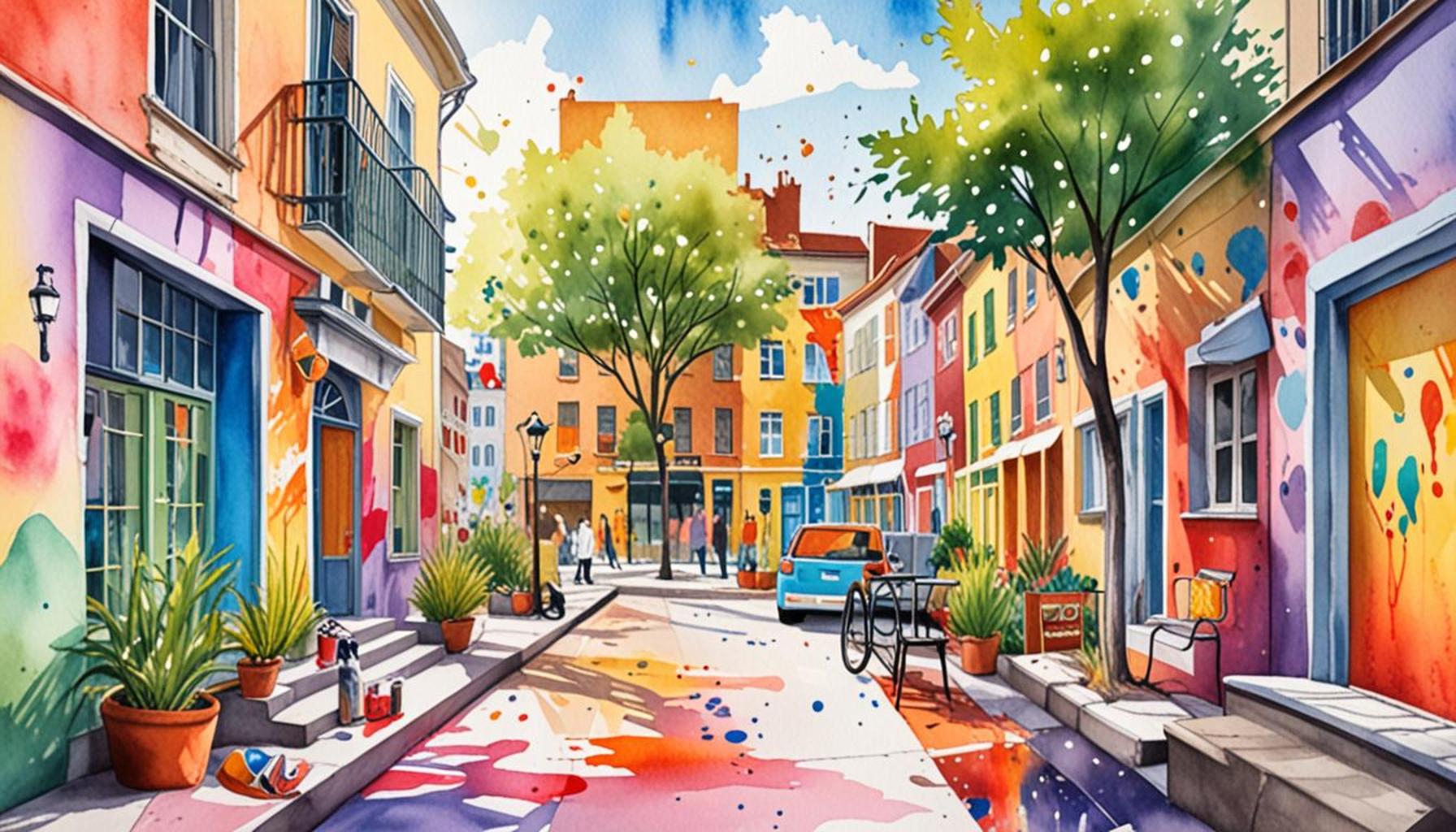
Art has the extraordinary ability to transform the mundane into the magnificent. In urban settings across the United States, artistic interventions breathe life into public spaces, altering the way we interact with our environment. These creative projects not only beautify our surroundings but also foster community engagement and cultural expression. The integration of art in cities has become a vital element in urban revitalization, offering a fresh perspective on how we perceive communal spaces and enhancing our collective identity.
Consider the following examples of impactful artistic interventions:
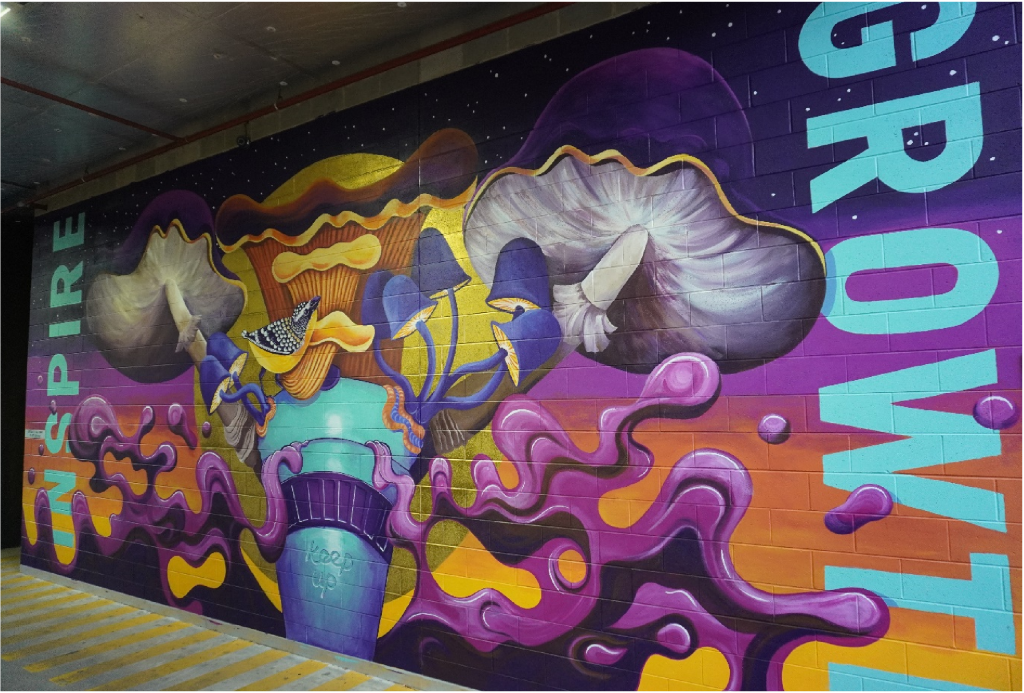
- Street Murals: Vibrant murals can turn blank walls into stunning visual stories, reflecting local culture and history. For example, the murals in Philadelphia have become iconic, portraying the city’s rich African American heritage and celebrating diversity. Each artwork serves as a canvas for local artists to express their culture, providing a sense of pride and ownership to the community.
- Interactive Installations: These encourage public participation, allowing individuals to engage with art in a dynamic way. Projects like the “Before I Die” wall, which invites people to fill in their aspirations, not only beautify the urban landscape but also create a space where community members can connect through shared hopes and experiences.
- Performance Art: Street performances can bring spontaneity to everyday life, creating shared experiences among spectators. Events like “Ballet in the Streets” showcase dancers performing in unexpected locations, captivating passersby and transforming ordinary moments into extraordinary encounters. These performances often spur conversations about art, accessibility, and creativity.
Such projects encourage us to rethink our surroundings and the role art plays in shaping societal narratives. By enhancing public spaces, they create platforms for dialogue, celebration, and sometimes even protest. For instance, art installations addressing social justice issues can serve as powerful statements, inviting reflection and action. Indeed, the impact of artistic interventions resonates well beyond aesthetics, influencing social dynamics and community identity.
As we delve deeper into how these creative endeavors transform everyday life, we invite you to explore the layers of meaning behind public art. How do these projects challenge traditional norms? What effect do they have on our daily experiences? Join us in uncovering the fascinating ways art is reimagining public spaces, revealing not just the beauty of our environment, but also the values and aspirations of the communities that inhabit them.
DIVE DEEPER: Click here to discover how digital platforms are transforming music talent globally
Engaging Communities Through Creative Expression
Artistic interventions in public space are not merely aesthetic enhancements; they serve as vital catalysts for community engagement. As cities continue to grow and evolve, the incorporation of art into urban design can lead to transformative effects on how residents perceive and interact with their surroundings. When communities embrace artistic projects, they open the doors to collaboration, cultural identity, and a sense of belonging.
One of the most notable benefits of these artistic projects is their ability to create shared experiences among diverse groups of people. Public art often invites participation from a wide range of individuals, instilling a collective sense of pride and ownership. Artists frequently collaborate with local residents, ensuring that the artworks resonate with the community’s history and aspirations. This collaboration results in a richer, more inclusive narrative that reflects the multifaceted identity of the area.
Moreover, artistic interventions can serve as a platform to highlight social issues, leading to increased awareness and dialogue among community members. Street art, for instance, has been a powerful medium for challenging societal norms and addressing topics such as racial inequality, environmental concerns, and mental health awareness. These murals and installations often spark conversations, encouraging individuals to engage critically with the world around them.
In examining various forms of artistic interventions, we find several impactful examples that have etched their mark on public spaces across the nation:
- Public Installations: Large-scale sculptures and installations, such as “The Bean” in Chicago, create landmarks that encourage gathering and exploration. These works not only serve as tourist attractions but also foster social interaction, creating environments for communities to come together.
- Community Gardens with Artistic Elements: Urban farms that incorporate murals and sculptures not only enhance food security but also beautify the neighborhood, transforming underutilized spaces into vibrant hubs of creativity and social connection.
- Festivals and Events: Events like the “Cleveland Public Art Walk” showcase local talent through performance and visual art, promoting cultural exchange while drawing residents and visitors alike to interact with the city’s artistic landscape.
Such interventions contribute to the revitalization of urban spaces, reimagining areas that might otherwise feel neglected. By investing in creative projects, cities like San Francisco, New York, and New Orleans are shifting towards a more inclusive urban design that values the input of its residents. The artistic elements embedded in these projects breathe new life into communities, turning vacant lots into vibrant art districts and forgotten corners into welcoming gathering spots.
As public art continues to evolve, a fascinating dynamic emerges: art as a tool for community empowerment and collective identity. Understanding this relationship not only enriches our appreciation of these artistic endeavors but also challenges us to consider our own roles within the urban landscape. How can we support and engage with artistic interventions in our public spaces? How might our participation transform our daily lives and the lives of those around us? The answers lie in the ongoing dialogue initiated by these creative projects.
Artistic Interventions as Catalysts for Community Engagement
When exploring the theme of Artistic Interventions in Public Space, one of the predominant benefits is their ability to foster community engagement. Creative projects often serve as platforms for dialogue, encouraging residents to participate in shaping their surroundings. Initiatives such as community murals, pop-up art installations, and sculpture parks create opportunities for collaboration among artists, local organizations, and residents.
For instance, projects like the High Line in New York City exemplify how the transformation of neglected spaces into vibrant public art venues can rejuvenate neighborhoods. This conversion not only enhances the aesthetic appeal but also brings in tourism and economic opportunities, thereby revitalizing the community. Furthermore, artist-led workshops in public areas invite individuals to engage with their environment, developing a sense of ownership and pride.
Impact on Social Cohesion and Identity
Artistic interventions also play a crucial role in enhancing social cohesion and a sense of identity within communities. Public art has the power to reflect and celebrate the diverse cultural narratives of a locality, allowing marginalized voices to be heard. Projects that highlight local history or cultural traditions help in forging stronger connections among residents.
An example can be seen in initiatives such as community storytelling walls, where residents can share their personal history and aspirations. These artistic creations not only beautify the space but also reinforce community ties, fostering mutual understanding and solidarity. As people see their stories represented in public spaces, it cultivates a collective identity that strengthens social bonds.
| Community Engagement | Foster dialogue and participation |
|---|---|
| Enhanced Aesthetics | Improved public spaces that attract visitors |
| Cultural Reflection | Celebrates local narratives and diversity |
As we delve into the nuances of these interventions, it becomes clear that public art transforms everyday life by not only beautifying the environment but also engaging individuals in meaningful ways. The convergence of art, community, and identity highlights the profound impact that these creative projects can have on a collective urban experience.
DISCOVER MORE: Click here to unlock the emotional benefits of journaling
Transformative Impact on Urban Environments
The increasingly prevalent phenomenon of artistic interventions in public spaces can also be viewed as a force of transformation within urban environments themselves. Beyond fostering community connections, these creative projects redefine how residents experience their cities, urging people to see their surroundings with fresh eyes and enhancing daily life through aesthetic and functional improvements.
One of the most striking examples of this transformation is the growth of community-driven public parks that incorporate art into their designs. Take, for instance, the High Line in New York City—a former elevated rail line that has been ingeniously converted into a linear park adorned with art installations, native plants, and seating areas. This innovative repurposing not only revitalized a neglected area but also serves as a prime example of how art can merge with nature to create engaging, visually appealing landscapes. The High Line has become a cultural phenomenon, drawing millions of visitors and transforming the perception of urban spaces from mere transit corridors to vibrant destinations.
Another important aspect of artistic interventions is their role in crime reduction and urban revitalization. Numerous studies have suggested a correlation between public art and decreased crime rates. According to a report published by the non-profit organization ArtPlace America, art in public spaces can discourage vandalism and other criminal behaviors by fostering a sense of community ownership and pride. The presence of murals, sculptures, and decorative elements often instills a feeling of safety and belonging among residents, leading to increased foot traffic and local businesses thriving as a result.
The concept of “placemaking” further illustrates how including art in public spaces can shift the perception of neighborhoods. This approach emphasizes the importance of creating environments where people feel connected to each other and their surroundings. Cities such as Detroit have embraced this concept by engaging local artists to create vibrant murals that celebrate the unique identity of different neighborhoods. These artistic displays often narrate local history and culture, turning blank façades into striking canvases that embody community spirit and resilience.
Artistic interventions are not confined to large urban centers. Rural communities, too, have begun to harness the power of art to foster growth and connect residents. The Art on the Farm initiative, for example, brings together artists and rural communities in various parts of the Midwest, resulting in art installations that reflect local heritage and agricultural practices. This collaboration not only supports local artists but also enhances the community’s identity by celebrating its unique landscape and culture.
Additionally, in this age of rapid technological advancement, artistic interventions are increasingly embracing digital tools and interactive media. Projects like Antony Gormley’s “Another Place,” which features cast-iron figures along a beach in England, inspire similar endeavors in the U.S. where artists use augmented reality to create immersive experiences in public parks and plazas. These digital artworks often encourage users to engage through their smartphones, promoting deeper interactions with their environment.
As cities adapt to the evolving needs of their citizens, the integration of artistic interventions becomes crucial in shaping the future of urban spaces. From encouraging civic pride to contributing to overall community well-being, creative projects are essential to reimagining the role of public space in our everyday lives. In exploring these artistic endeavors, we open ourselves up to a broader understanding of how art enhances the fabric of our communities and transforms ordinary moments into extraordinary experiences.
DIVE DEEPER: Click here to explore baking techniques
Conclusion
As we reflect on the transformative power of artistic interventions in public spaces, it becomes evident that these creative projects are not merely embellishments but rather vital components in redefining urban and rural landscapes. They encourage a greater sense of community, promote cultural exchange, and contribute to overall social well-being. By integrating artistic expressions into public spaces, cities can foster connections among residents, bridging divides through shared experiences and narratives.
The impact of initiatives like the High Line and community murals extends beyond aesthetic pleasure; they serve as essential tools for revitalization, enhancing safety and stimulating local economies. The correlation between public art and decreased crime rates underscores the significance of beautifying neighborhoods while instilling pride and ownership in local culture.
Moreover, the rise of digital artistry and innovative engagement methods continues to expand the horizons for artistic interventions. As we embrace technology, cities can enhance interactions between their residents and environments, ensuring art remains a dynamic part of everyday life. Artistic endeavors, therefore, serve as a lens through which we can reimagine our surroundings and enrich our daily routines, highlighting the essential role of creativity in fostering connections and cultivating vibrant communities.
In conclusion, the journey of integrating art into public spaces is one of continual evolution, inviting individuals to engage with their environments in meaningful ways. By championing these projects, we can advocate for a future where our cities are not just functional spaces, but also vibrant canvases that reflect the shared stories, aspirations, and identities of their inhabitants. It is through this lens that we uncover the profound impact of art in transforming everyday life.