Clutter Reduction in Families: Tips for Involving Children in the Organization Process
The Importance of Clutter Reduction in Families
Decluttering is more than just a trend; it’s a necessary step to create a harmonious living environment. When families involve their children in the organization process, it fosters a sense of responsibility and teaches valuable life skills. However, engaging children in this journey can be a unique challenge that requires creativity and patience.
Parents can make decluttering a fun and educational activity with the right approach. Here are some effective strategies that can be employed to successfully engage children:
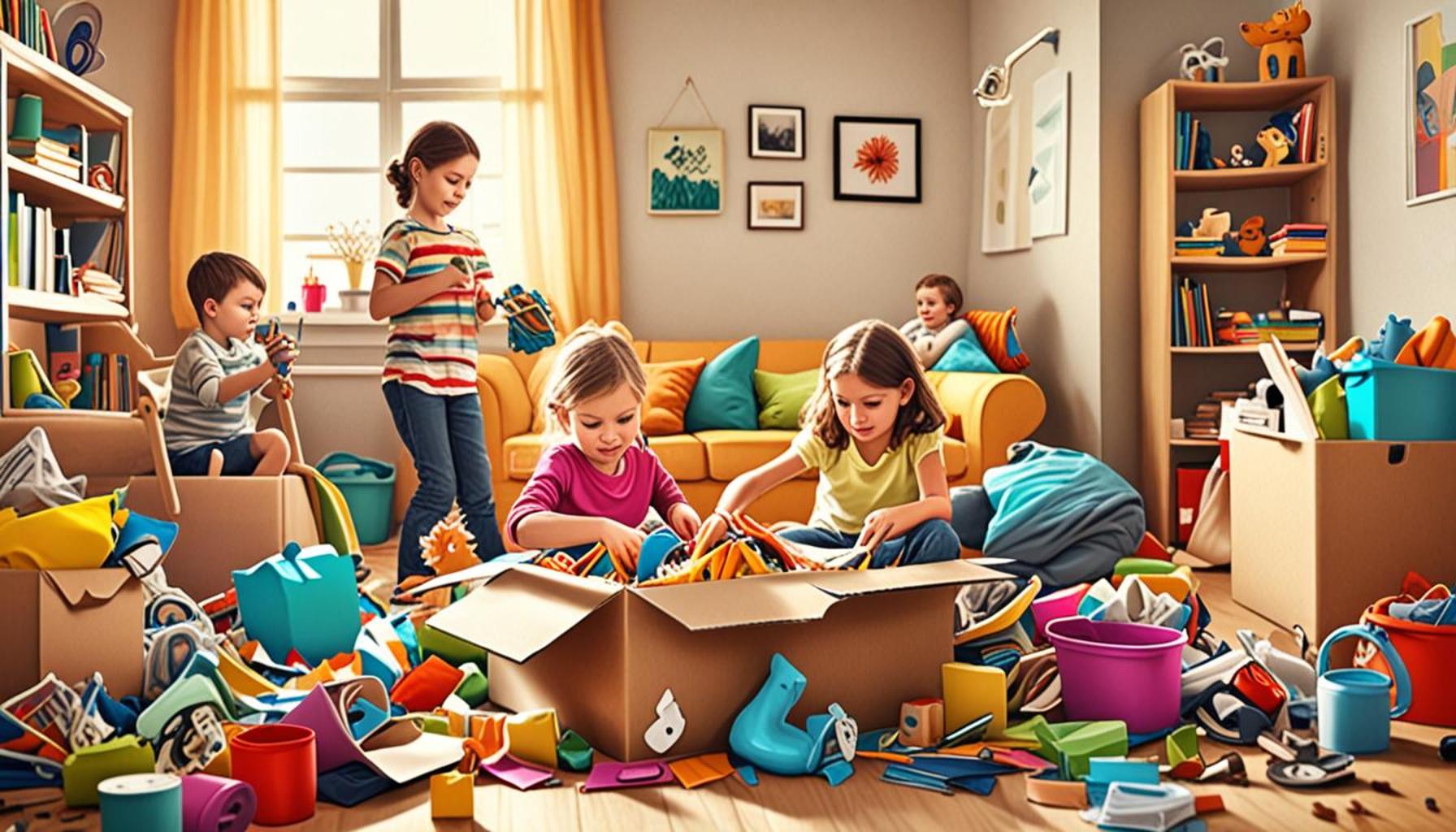
- Lead by Example: One of the most impactful ways to teach children about decluttering is by showing them how it’s done. Parents can tackle messy spaces together with their kids, turning it into a bonding activity. For instance, parents might say, “Let’s declutter the living room together,” and involve children in sorting through items, deciding what to keep, and what can be donated.
- Set Clear Goals: To keep children focused, it can be helpful to define specific areas of the home to organize. This could be as simple as tackling a single closet or toy box in one session. Setting achievable goals can lead to a sense of accomplishment when those small areas are transformed, motivating children to stay engaged throughout the process.
- Make it Visual: Children often respond well to visual aids. Parents can create colorful charts, checklists, or even use labels on bins and boxes to delineate items. For instance, using stickers or markers to label a box as “Keep,” “Donate,” or “Trash” can guide children in making quick decisions. This method can also make the process feel more like a game than a chore.
By incorporating kids into the decision-making processes, you empower them to take ownership of their space. This not only eases the burden of clutter but also supports the development of critical thinking and decision-making skills. As children learn to evaluate their belongings, they also develop a deeper understanding of their habits and values.
Moreover, decluttering opens the door to richer family dynamics and a clearer mind. When children see their contributions directly impacting their environment, they gain confidence and pride in their space. Not only does this foster a positive atmosphere, but it encourages children to maintain organization as part of their daily routine. Families can also discover new opportunities for creativity, such as donating toys to children in need or organizing a garage sale to turn clutter into cash.
The benefits of involving children in the organization process extend far beyond tidying up a space. It enhances family bonding, teaches responsibility, and builds a sense of community awareness. Witness the transformative effects on your home and family life as you embark on this decluttering journey together.
DISCOVER MORE: Click here to dive deeper
Effective Strategies to Engage Children in Decluttering
Decluttering as a family does not need to be a daunting task; it can be an enlightening experience that empowers children while transforming the home environment. Enhancing children’s participation in the organization process not only makes the environment tidier but also instills lifelong skills that will benefit them in various aspects of their lives. Here are several effective strategies to engage children actively:
- Incorporate Fun Activities: Turn the decluttering process into interactive games. For instance, you can set a timer and challenge your children to see who can match the most toys to their designated bins within a specific timeframe. By framing the task as a game, children may feel more enthusiastic about participating and less burdened by the task at hand.
- Use Positive Reinforcement: Celebrate their efforts and achievements. This can be done through a simple verbal acknowledgment like, “You did a fantastic job organizing your toys!” or through a rewards system where they earn points towards a fun family outing or a small treat after completing decluttering tasks.
- Encourage Self-Reflection: After decluttering sections of the house, engage children in conversations about what they chose to keep or donate. Ask questions like, “Why do you think we should donate this toy?” This can help children articulate their thoughts and feelings about their belongings, emphasizing values such as sharing and generosity.
Empowering children to be decision-makers in the decluttering process fosters their independence and confidence. Not only do they learn to assess their belongings critically, but they also grasp the significance of intentional living. Studies show that children who participate in such activities tend to develop stronger organizational and time management skills, equipping them with abilities that will serve them throughout their academic and personal lives.
As your family embarks on this decluttering expedition, you will likely witness other benefits that extend beyond just a cleaner space. Improved communication and teamwork can arise, creating a deeper familial bond grounded in collaboration and shared goals. Children learn the value of working as a family unit, which translates into better cooperation in other family matters and daily tasks.
Additionally, as the living environment becomes less cluttered, families can experience enhanced mental clarity. A serene home, free of overwhelming distractions, allows everyone to focus better on tasks, conversations, and quality time together. Noting how both parents and children respond positively to a more organized home can motivate ongoing efforts toward maintaining an orderly environment moving forward.
Ultimately, involving children in the decluttering process equips them with essential life lessons about organization, responsibility, and empathy. By embracing these strategies, parents can help cultivate a lifestyle that not only reduces clutter but also encourages children to value their belongings and contribute positively to their family’s well-being.
| Advantages of Involving Children | Key Characteristics |
|---|---|
| Empowerment | Children learn to make decisions and take ownership of their space. |
| Skill Development | Organizational skills are nurtured through active participation in decluttering. |
| Increased Responsibility | Having children help in the organization process promotes a sense of duty towards their belongings. |
| Family Bonding | Working together to declutter creates shared experiences and strengthens family relationships. |
Incorporating kids into the clutter reduction journey not only fosters independence but also nurtures essential skills that benefit them later in life. When children make decisions about what to keep or discard, it instills a sense of responsibility. They become more aware of their possessions and learn the value of keeping an organized environment. Moreover, engaging children in this process enhances family dynamics. It opens avenues for discussions about personal interests and values, creating memorable moments that go beyond mere cleaning. For families looking to reduce clutter while simultaneously teaching important life skills, these strategies offer a multifaceted approach that promotes lifelong organization habits. Further exploration into this methodology can reveal even more effective ways to involve children successfully in decluttering activities, enriching both their lives and the family’s space.
DISCOVER MORE: Click here to dive deeper
Building Habits for Long-Term Organization
Once the initial decluttering phase is underway, it’s essential to focus on creating routines that can help sustain the organized environment over time. Teaching children about maintenance is just as crucial as decluttering itself, as it helps integrate these practices into their daily lives. Here are some effective strategies to lay the groundwork for lasting organizational habits:
- Create a Decluttering Schedule: Instead of letting clutter accumulate, designate specific days or times for family decluttering sessions on a weekly or monthly basis. By establishing a routine, decluttering becomes a normal part of family life. Children can even take ownership by helping to choose when these sessions occur, fostering a sense of responsibility.
- Assign Age-Appropriate Roles: Engage children in meaningful tasks based on their ages. For younger children, sorting toys into different categories might be ideal, while older children might take on responsibilities like organizing their rooms or even handling simple household items. Giving them roles enhances their confidence in managing their own spaces.
- Lead by Example: Children are keen observers and often emulate their parents’ actions. To instill good habits, parents should also demonstrate organization in their own lives. Show children the importance of placing items back in their proper places after use and discuss how you tackle clutter in your workspace or areas that they are familiar with.
- Introduce Fun Storage Solutions: Providing colorful storage bins, stylish shelving, or decorative boxes can turn organization into a creative project rather than a chore. Involve children in choosing these items, allowing them to express their tastes and preferences, which can motivate them to keep their spaces tidy.
Additionally, instilling mindfulness about belongings can have a lasting impact on children. Engage them in conversations about how many toys or items they genuinely use and enjoy. This can be complemented by principles from the minimalist lifestyle, which stress the importance of valuing quality over quantity. By encouraging children to question what they own, you help cultivate a mindset that prioritizes meaningful possessions rather than a myriad of things that may lead to clutter.
Another recommendation is to incorporate visual reminders. Establishing a family calendar or a chart in a communal area can serve as a visual cue for organization-related tasks. Children may respond well to seeing their progress and schedules laid out visually, making it easier for them to remember what needs to be done and when.
Data suggests that children who practice organization from a young age develop better executive functioning skills, which are vital for academic success. According to a study by the American Psychological Association, organized spaces can enhance focus, foster creativity, and support overall brain development. As parents, nurturing these skills can be integrated seamlessly during decluttering efforts, reinforcing the idea that an organized space leads to a clear mind.
By embedding these habits into daily routines, families can minimize the accumulation of clutter and avoid overwhelming future generation efforts. Involving children in this process not only teaches them the physical act of organizing but also positions them to embrace a mindset of orderliness that enriches their experiences and relationships.
DISCOVER MORE: Click here to learn about the impact of color psychology
Conclusion: Embracing Organization Together
Involving children in the clutter reduction process is not merely a means to achieve an organized home; it’s an opportunity to foster valuable life skills that will serve them well into adulthood. By adopting practical strategies, such as creating a decluttering schedule and assigning age-appropriate roles, families can transform the often daunting task of organization into an engaging, collaborative effort that enhances family bonds.
Moreover, teaching children the significance of maintaining an organized environment nurtures a mindset that appreciates the value of minimalism and intentionality in their belongings. As observed in research, these organizational skills are directly linked to enhanced academic success and cognitive development. When children learn to streamline their possessions and make mindful choices, they cultivate a sense of responsibility that transcends the home and positively impacts their daily lives.
Integrating fun storage solutions and visual reminders turns organization into a creative and interactive experience as well. Involving children in these choices fosters ownership and pride, motivating them to maintain the orderly spaces they’ve contributed to shaping. Ultimately, the journey to creating a clutter-free environment is a shared one, enriching family dynamics while preparing children for the challenges ahead.
As families embark on this organizational adventure, they lay a strong foundation for a more peaceful home and a well-organized future. The process may require patience and consistency, but the rewards—less stress, clearer minds, and stronger family connections—are well worth the effort. Every small step taken towards decluttering not only enhances living spaces but also brings families closer together, cultivating a shared appreciation for organization and simplicity.